
Nine times out of ten, when a fence fails early it's the post, not the panel. So the real decision on any new fence isn't panel style — it's what the panels are standing on.
We set both, and the choice genuinely changes how the fence behaves over the next decade.
Which should you choose?
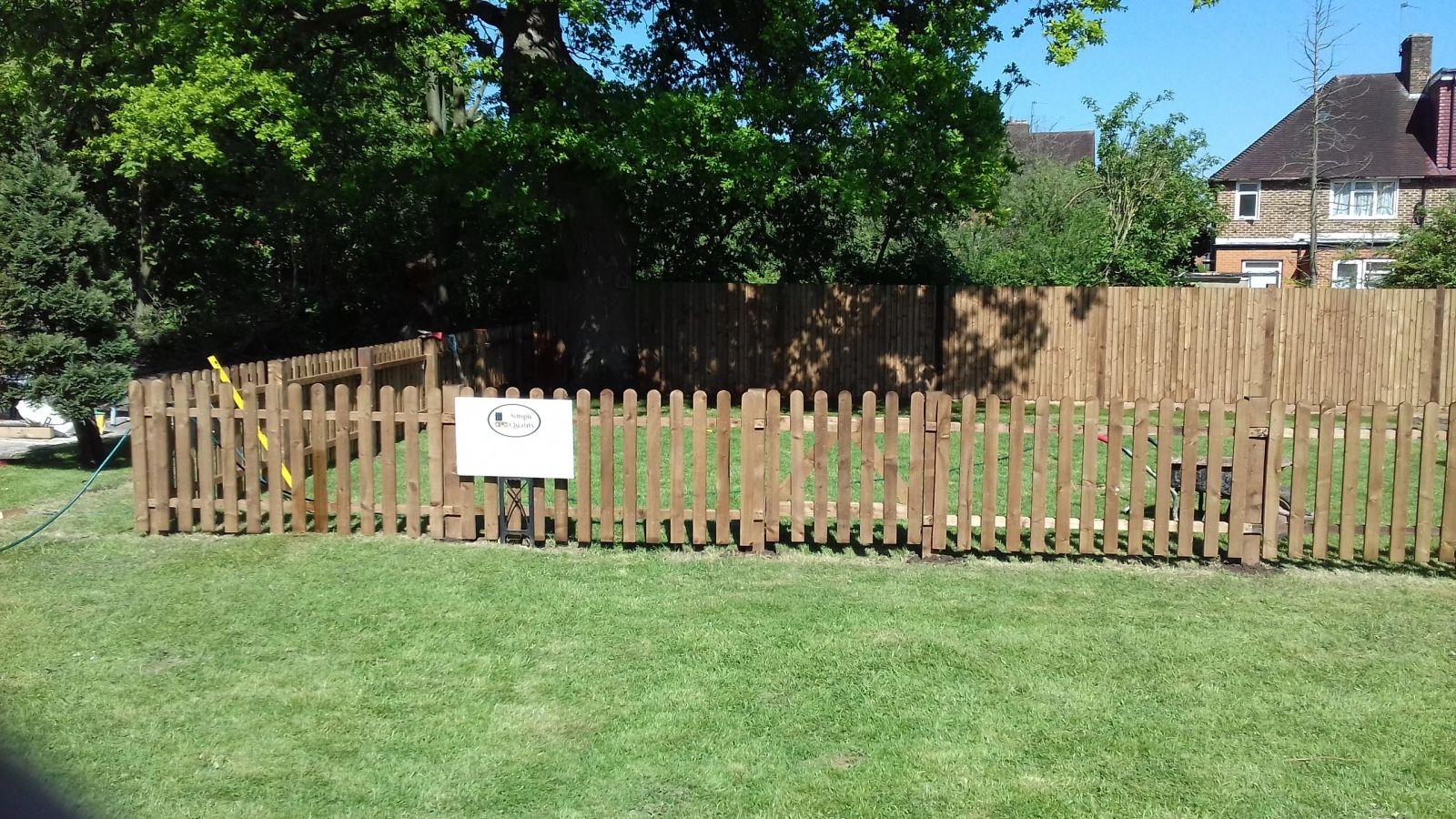
Choose timber posts if the budget is tight and you're prepared to specify gravel boards and a drainage layer at every post — done properly, they last well.
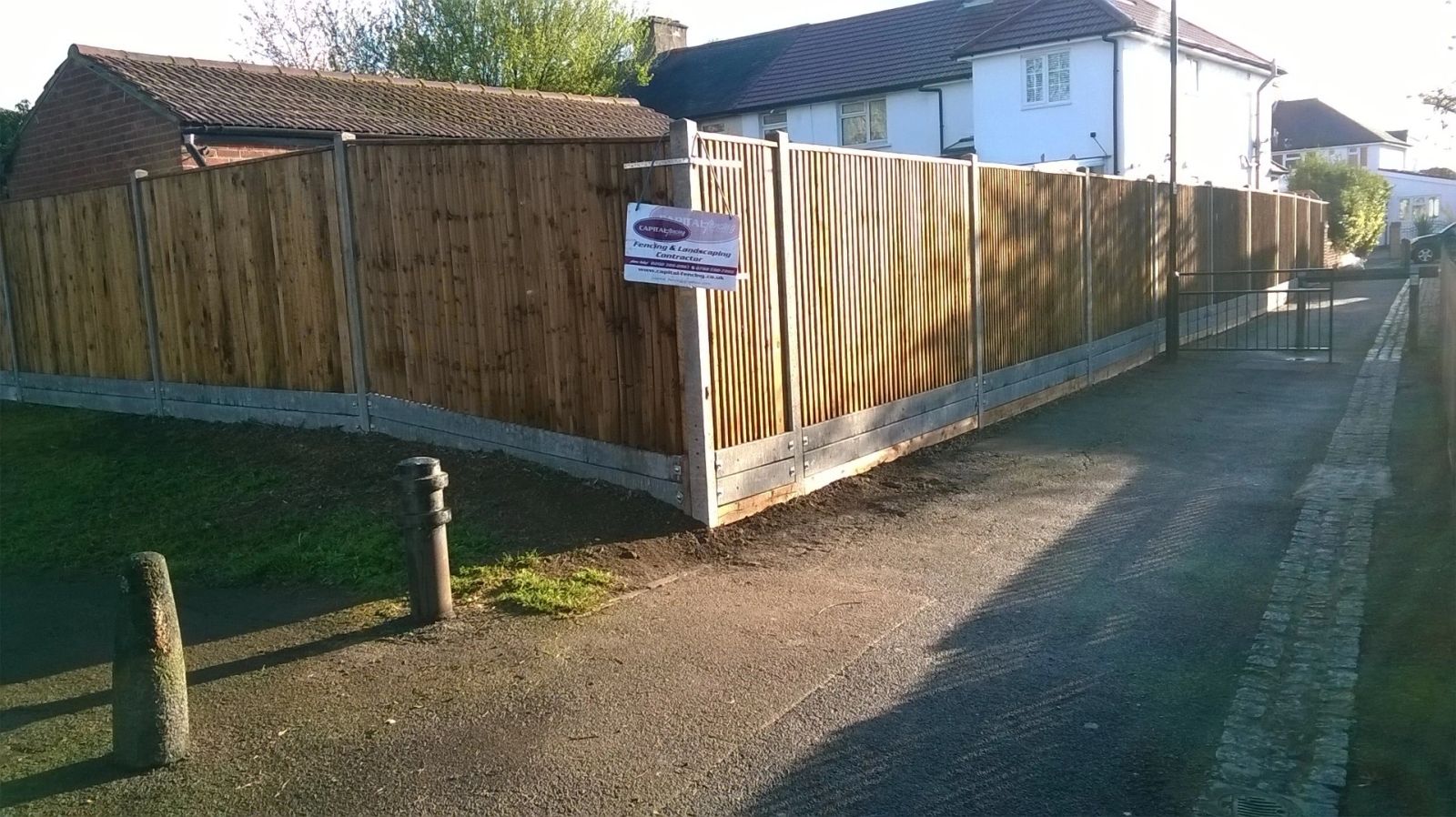
Choose concrete if you've had post failures before, the run is long, or you simply want the lowest-maintenance base available and don't mind the visible grey line at each post.
Timber posts
Budget builds where gravel boards and drainage are done properly
Concrete posts
Anyone who wants to stop thinking about the fence once it's installed
Full comparison
| Timber posts | Concrete posts | |
|---|---|---|
| Cost per post | Lower | Higher |
| Ground-level failure risk | Main weak point | Effectively eliminated |
| Appearance | Fully timber look | Grey concrete visible between panels |
| Repair frequency over 15 years | Higher if detailing is poor | Low |
Concrete posts are the better long-term investment on most runs; timber posts remain a fair choice only when the base detailing is done correctly.
Rebuilding a fence that keeps failing at the post?
Tell us what's gone wrong before and we'll spec the right post for the ground you actually have.
Frequently asked
Do concrete posts ever fail?
Rarely, and almost never from rot. The occasional issue is cracking from ground movement or impact, not decay.
Can I mix concrete posts with timber panels?
Yes, this is the most common combination we install — timber panels slot into concrete posts for the best of both.
Are concrete posts more expensive to install?
Material cost is higher and they're heavier to handle, but labour time is similar to timber posts.
Will concrete posts crack in frost?
Quality reinforced posts are designed for UK weather; we haven't seen frost cracking on properly cast posts.