
Green Algae and Black Mould on Fencing
Green film or black speckling, usually on the shaded, north-facing side of the fence.
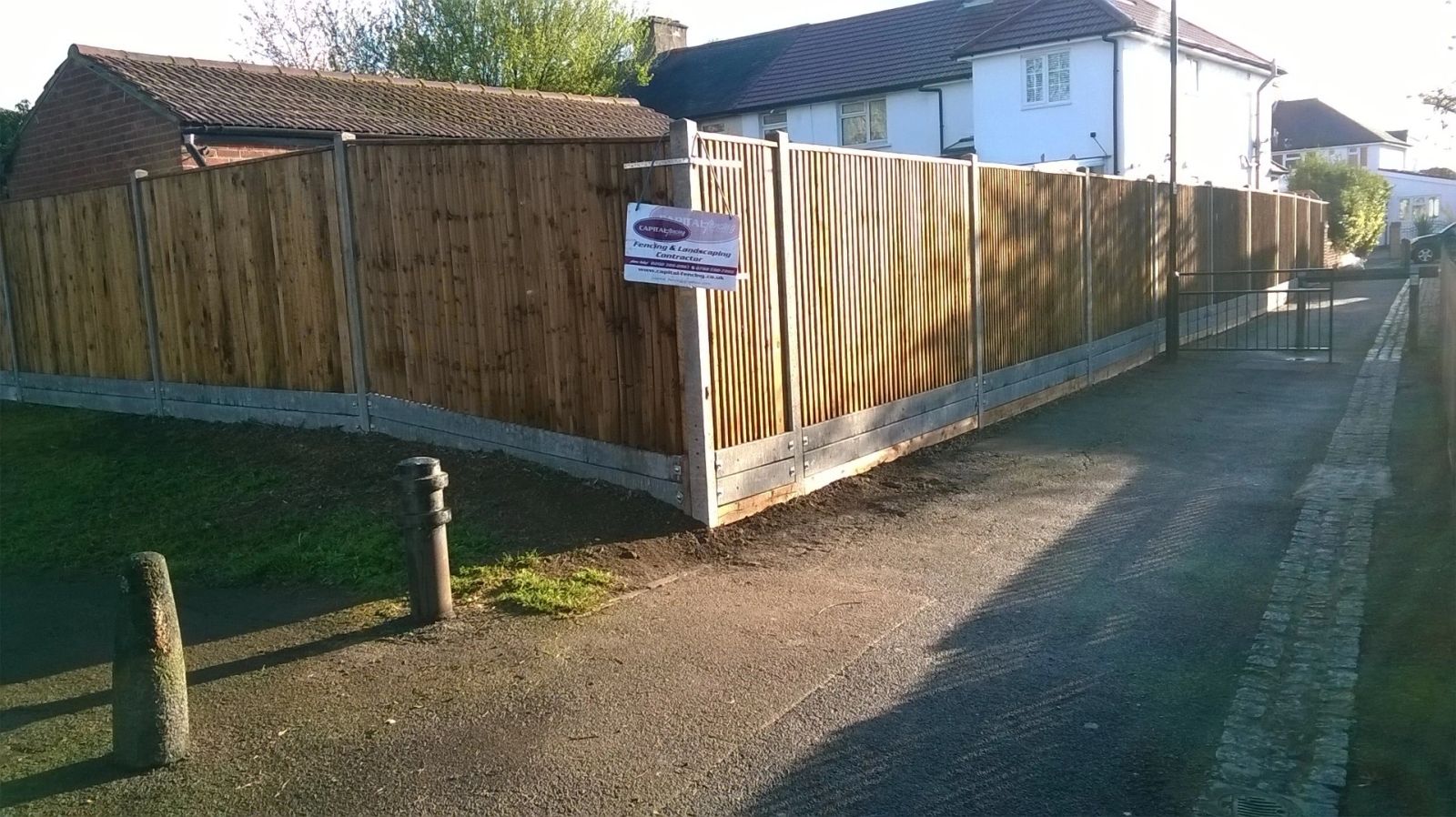
Algae is cosmetic before it is structural, but it is also a reliable indicator that a section of fence stays wet — and staying wet is what ends a fence's life early.
Causes we typically find
Permanent shade
North-facing runs and boundaries under trees never dry fully between showers.
Overhanging planting
Shrubs pressed against the fence hold moisture against the timber all year.
Treatment worn off
Once the water-repellent finish has gone, the surface holds moisture much longer.
Check it yourself
- 1
Check whether the growth is only on the shaded face — that confirms it's environmental, not rot.
- 2
Probe a few boards; soft timber under the algae means the problem has already progressed.
- 3
Note how close planting sits to the fence and whether air can move behind it.
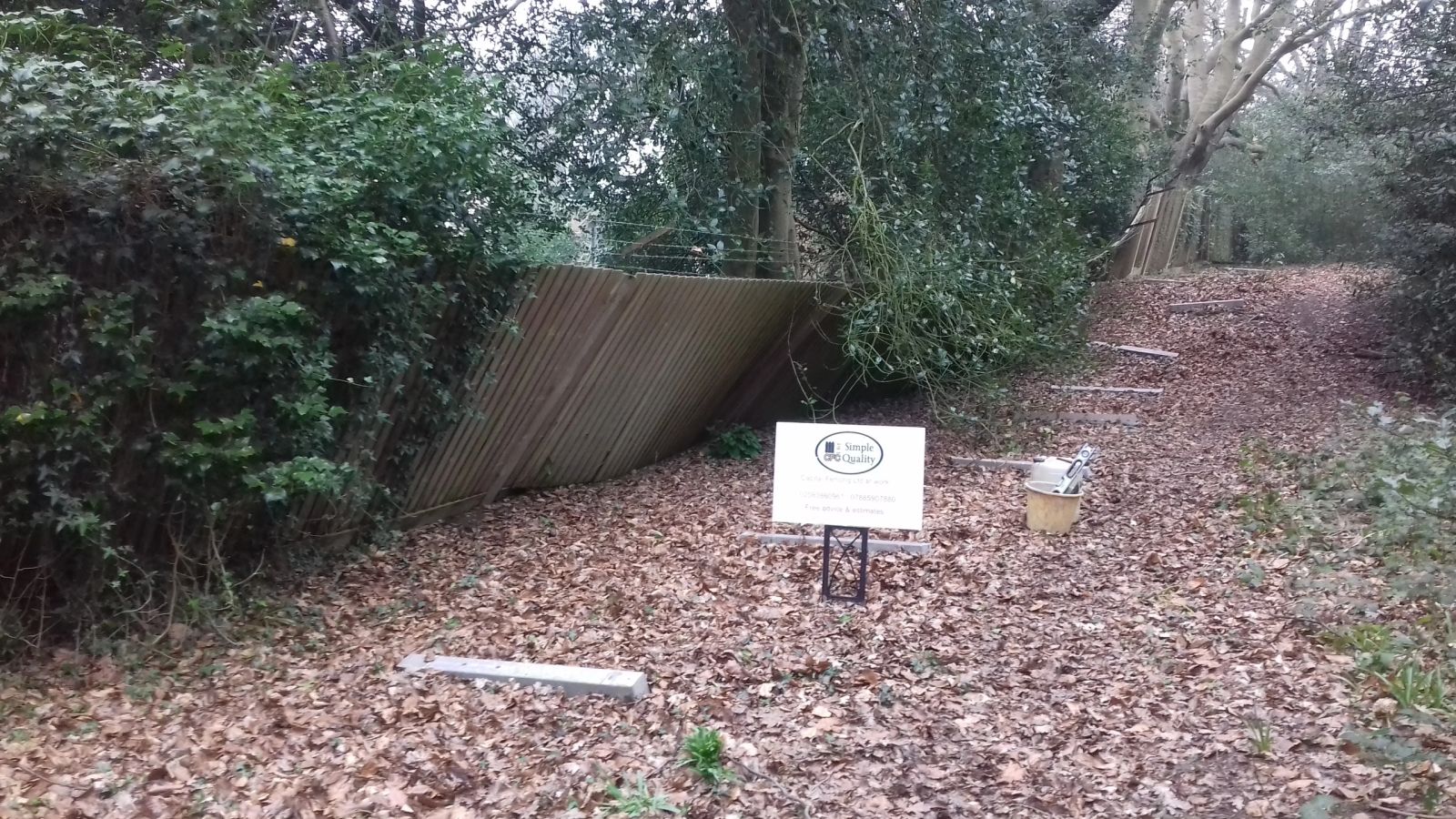
Fix options
Brush and fungicidal wash
Timber is sound
Stiff brush, a garden-safe wash, and a dry spell. Cheap and effective, and it does not damage the surface.
Cut back and re-treat
Planting is holding moisture on the boards
Clear a gap for airflow, let the fence dry, then apply a spirit-based preserver or stain.
Replace affected boards
The algae was hiding rot
Individual feather-edge boards or panels swapped; far cheaper caught early.
Prevention
- Avoid high-pressure washing on softwood — it lifts the grain and strips treatment
- Keep a hand's width of air between planting and the fence
- Re-treat every couple of years, more often on shaded runs
Frequently asked
Is green algae harmful to the fence?
Not directly, but it signals persistent damp, which is.
Can I use bleach?
We'd avoid it near planting and pets; a proprietary garden-safe wash does the job.
Will staining stop it coming back?
It slows it considerably; permanent shade means periodic cleaning regardless.
Do you offer fence cleaning and re-treating?
Yes, as part of our maintenance work.