
Timber moves. Cheap, thin, kiln-fresh boards move a lot, and how they are fixed determines whether that movement is absorbed or turns into a permanent twist.
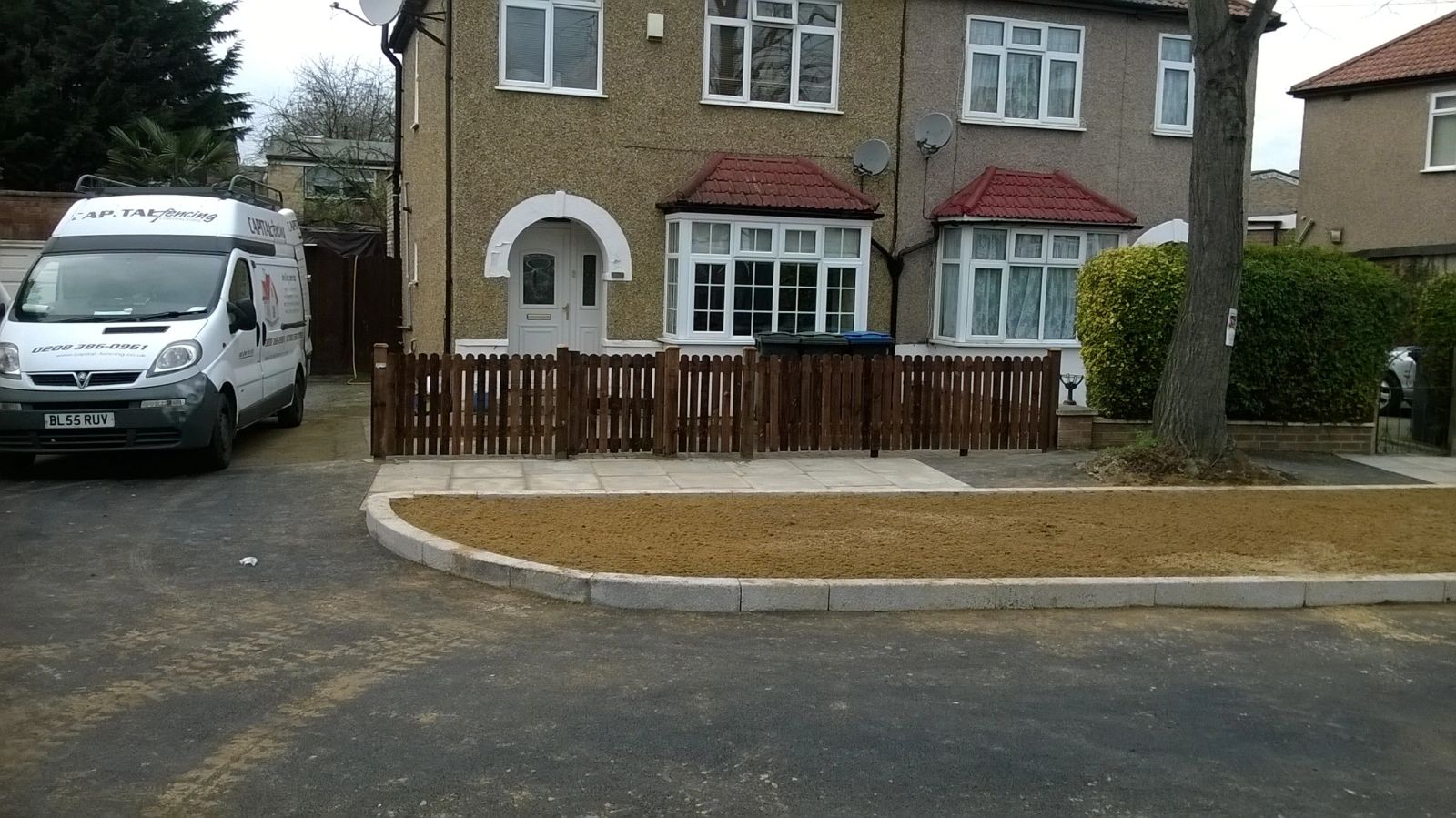
Diagnostic timeline
Work through these steps in order before booking a repair.
- 1
Sight along the fence line: consistent bowing suggests material or exposure, isolated twisting suggests fixings.
- 2
Check panel frames for square by measuring diagonals.
- 3
Push the middle of the panel — significant flex means the bay is too wide or the frame has gone.
Likely causes
Thin, low-grade boards
Budget lap panels use very thin slats that cup as soon as one face dries faster than the other.
One-sided drying
A fence in sun on one side and permanent shade on the other will bow towards the dry face.
Over-tight fixings
Boards pinned hard at both edges cannot move seasonally, so they split or twist instead.
Bay spacing too wide
Long unsupported spans let panels sag and rack out of square.
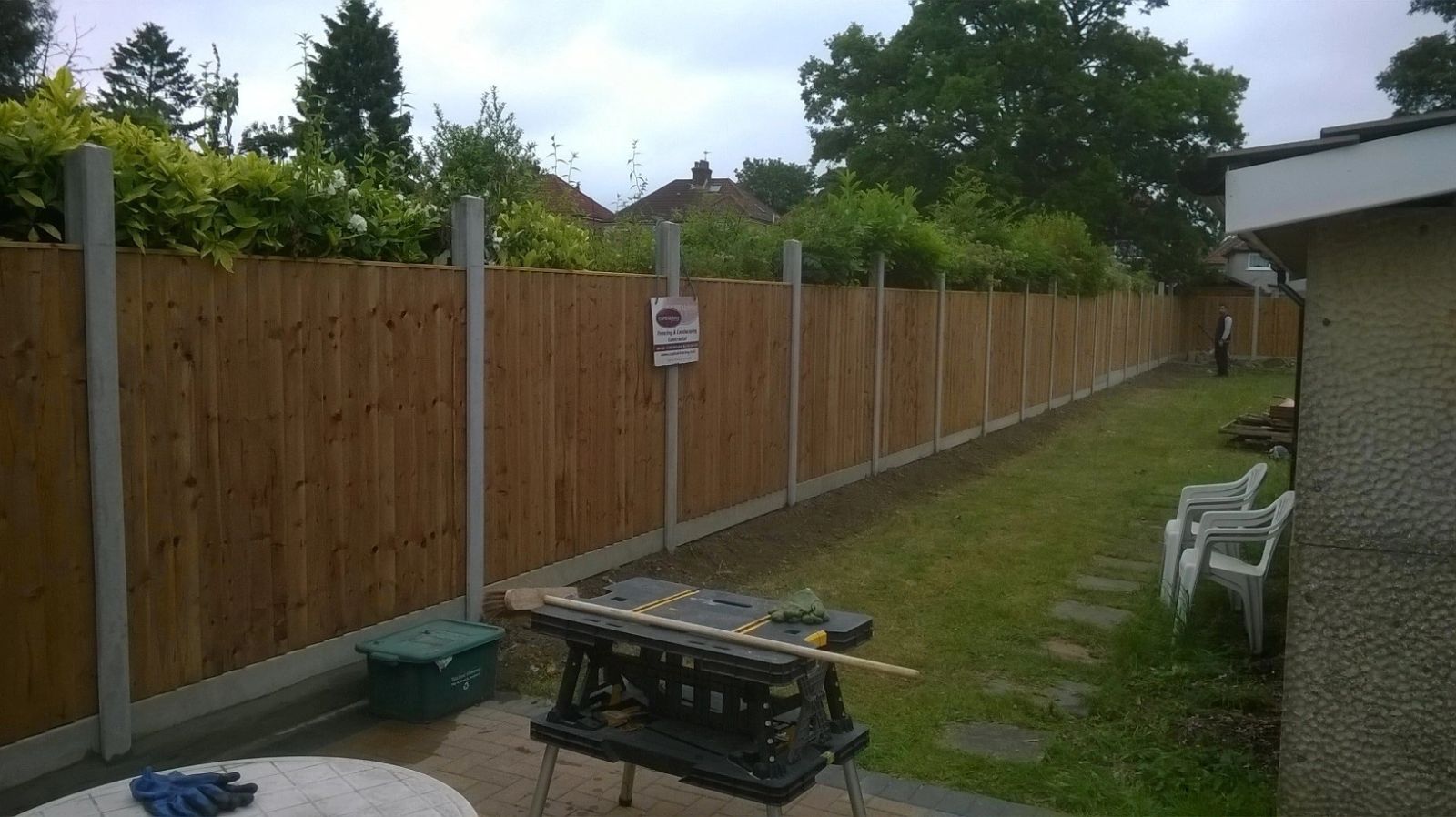
Fix options, full-width
Refix and brace
Frames are soundBoards refixed with correct allowance for movement and the frame squared and braced.
Upgrade to closeboard
Panels keep bowing on the same runFeather-edge boards on arris rails move independently rather than as a fixed sheet.
Add a mid post
Bays are simply too longReduces the span and takes the sag out of the run.
Composite panels
Moisture movement is the whole problemComposite doesn't cup, though it does expand along its length — installation gaps matter.
Get this fixed properly
Free site visit across London and Hertfordshire, a written specification and a fixed price before anything starts.
Prevention
- Buy heavier-section panels rather than the thinnest available
- Let treated timber acclimatise before finishing
- Keep bay spacing to spec, especially on exposed runs
Frequently asked
Can a warped panel be straightened?
Mildly cupped boards sometimes relax when refixed; a twisted frame rarely recovers.
Is warping covered by a guarantee?
Timber movement is usually excluded by manufacturers as a natural characteristic.
Does painting reduce warping?
Sealing both faces evenly helps; sealing only the visible face can make it worse.
Which fencing warps least?
Heavy closeboard and composite. Thin lap panels warp most.