Wind loading and bay spans on taller runs
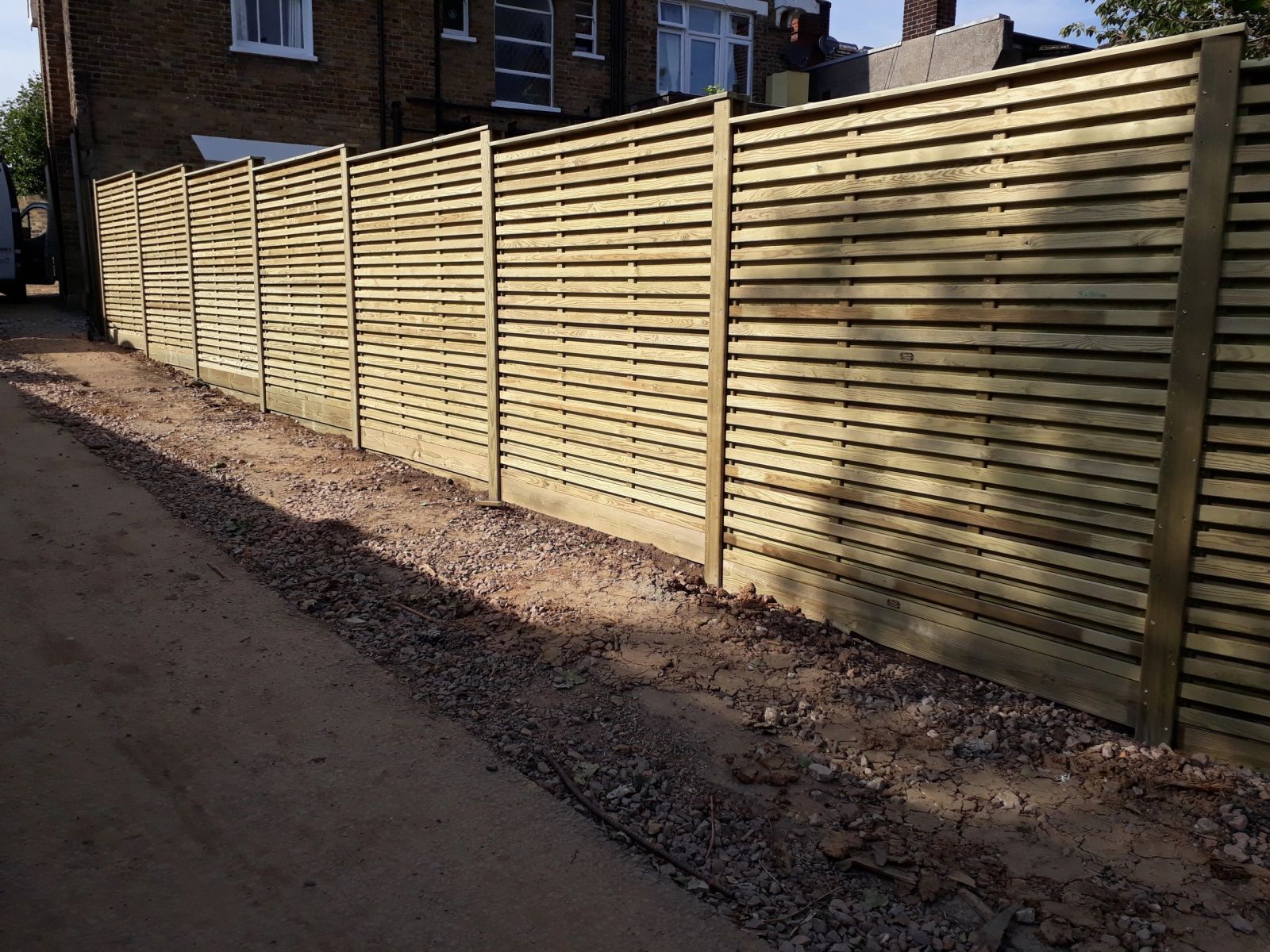
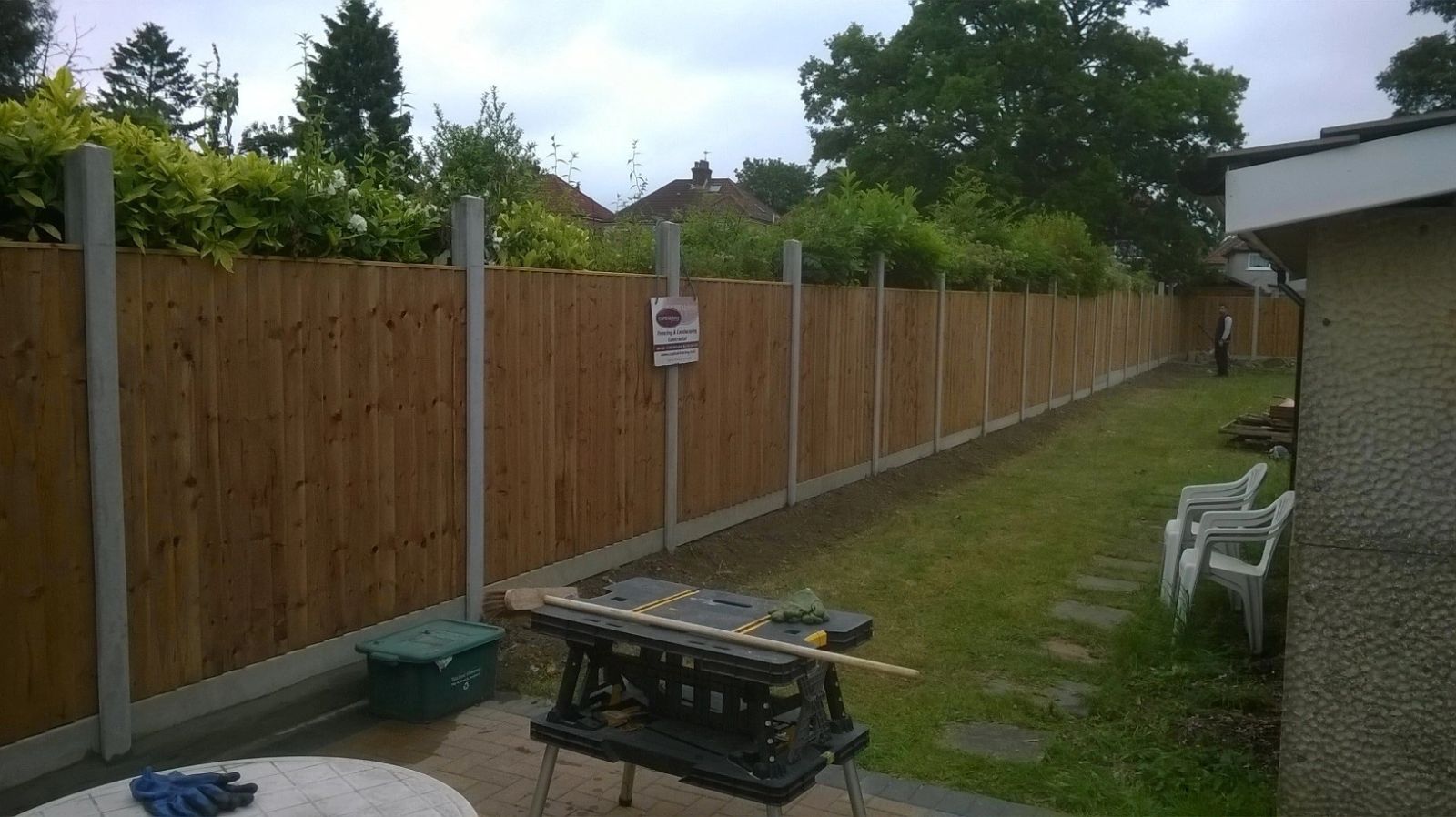
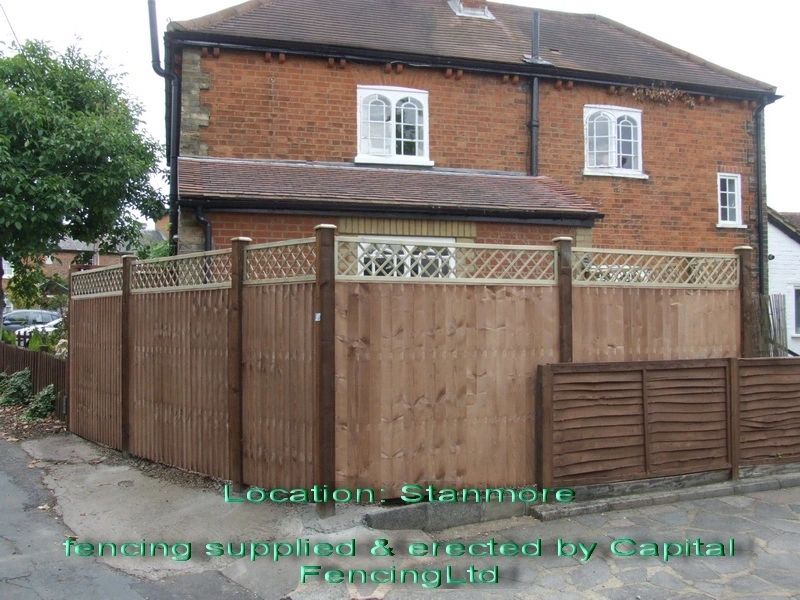
Taller, solid-faced security screens catch more wind than an open panel fence, so bay spans are shortened and post sections are upsized on exposed boundaries rather than kept at a garden-fence default.
On an open plateau or a boundary that runs the full length of a plot with nothing breaking the wind, that adjustment is the difference between a run that stands for years and one that racks at the first proper storm.
Height rules for a noise-reducing boundary
The same permitted development height limits apply to an acoustic fence as any other boundary — a taller rear fence needs checking against the site's specific allowance, and a front boundary facing a busy road has its own lower limit plus a sightline requirement.
Because acoustic performance depends partly on height set from the actual noise source, we check the permitted maximum early, since it can cap what's achievable before any timber is ordered.
How fence height is measured against ground level
Height is measured from the ground level immediately adjacent to the fence, which matters on a sloping or stepped site because the same fence can appear to comply on one side and exceed a limit on the other if ground level either side differs.
Where a fence sits on a raised bank or retaining structure, some planning assessments measure from the lower ground level rather than the top of the bank, so it's worth checking the specific basis being applied before finalising a height that's close to a limit.
Small gaps for garden wildlife
A small gap, roughly 13cm square, cut into the base of a fence panel lets hedgehogs and other small wildlife move between connected gardens without needing to climb or dig, which matters where fencing has fragmented a previously open row of gardens.
This kind of gap doesn't meaningfully weaken a fence's structure or security when it's cut cleanly and positioned away from a post, and can be added to an existing fence as well as specified on a new one.
Where a client has an interest in garden wildlife, it's a low-cost addition worth mentioning at quote stage rather than something usually offered unprompted.
Combining a low concrete plinth wall with fencing above
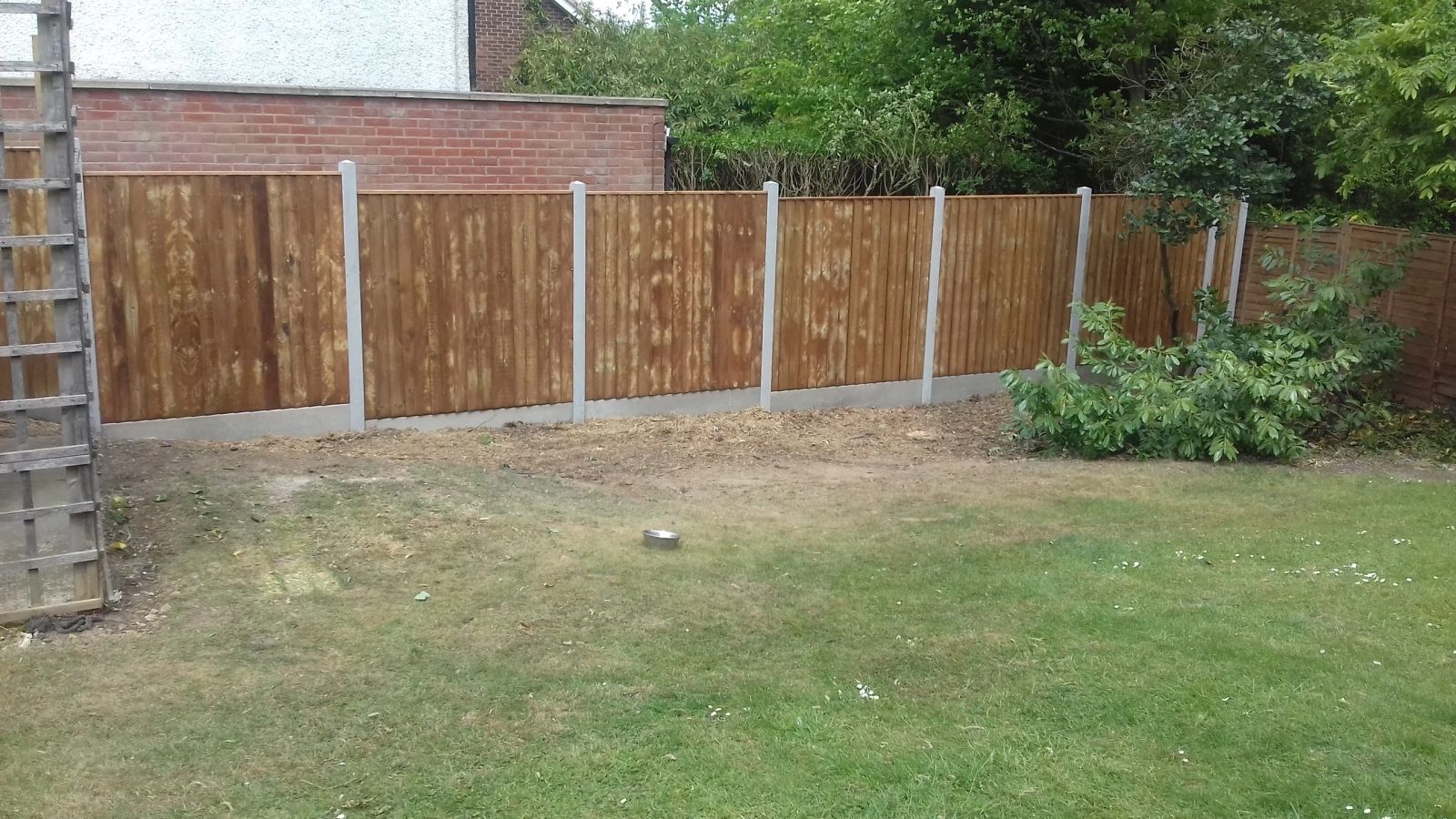
A low block or concrete plinth wall under a fence panel raises the effective height, resists dig-under and impact better than a timber gravel board, and gives a clean, level starting line on sloped or uneven ground.
The plinth needs its own foundation independent of the fence posts above it, since settling of one shouldn't be allowed to drag the other out of line.
Play-safe detailing near a boundary
Where a fence runs alongside a play area, sharp pale tops, low horizontal rails that invite climbing, and gaps that could trap a limb are all avoided in favour of rounded caps and rail spacing that doesn't create a ladder.
This detailing sits alongside, rather than instead of, the security spec — a boundary can still be climb-resistant and impact-rated while removing the specific hazards that matter next to children.
Composite wood-polymer ratios
Wood-plastic composite fencing boards are made from a blend of wood fibre and polymer, and the ratio between the two materially affects the finished product's stiffness, weight and how closely it resembles real timber grain.
A higher wood-fibre content generally gives a more timber-like appearance and feel but can also make the board more absorbent and slightly more prone to swelling at cut edges than a polymer-dominant mix.
Composite boards from different manufacturers aren't interchangeable even when nominally similar in size, since differing ratios change how the board expands with temperature and how it should be fixed and spaced.
Tall fences, shading and neighbour relations
A tall boundary fence can significantly shade a neighbouring garden depending on orientation, and while there's no general legal right to a set amount of sunlight in a garden, an unusually tall or dark structure close to a shared boundary is a common source of neighbour friction.
Slatted, louvred or partially open designs let some light and air through while still giving privacy, which is often a reasonable middle ground where a fully solid fence would cause a shading complaint.
Discussing height and design with an affected neighbour before building, even where there's no legal requirement to, tends to avoid a dispute that a technically-compliant fence wouldn't otherwise resolve.
Drainage consents affecting boundary works
Altering ground levels, hardstanding or drainage patterns near a boundary can affect surface water flow onto a neighbour's land, and in some cases needs consent from the local authority or, for work near a watercourse, from the relevant drainage authority or the Environment Agency.
Diverting water so that it discharges onto next door's garden rather than soaking away on the original plot is a common and avoidable source of neighbour disputes, separate from any formal consent requirement.
Where boundary work is combined with a change in levels or new hard surfacing, it's worth checking whether the combined works trigger a drainage consent even if the fence itself wouldn't on its own.
Surface preparation before re-coating
Re-coating over an existing failed or flaking finish without preparation traps whatever is underneath — old paint fragments, algae, or degraded stain — and the new coat fails at the same points within a season.
A light sand or wire-brush pass to remove loose material, followed by a full dry-out period, gives a fresh coat something sound to key into rather than a film sitting over compromised timber.
Timing matters as much as preparation: coating damp timber traps moisture under the new film and is one of the most common reasons a re-coat fails faster than the original application.
Resealing joints on an acoustic run
Timber movement over successive seasons can open a joint that was tight at installation, and resealing or refitting that joint restores the barrier's continuity rather than leaving a small gap to worsen.
This check is worth doing as part of a periodic maintenance visit rather than only after noise is noticeably getting through, since a small early gap is easier to fix than a run that's shifted significantly.