London & Hertfordshire Free Site Visit
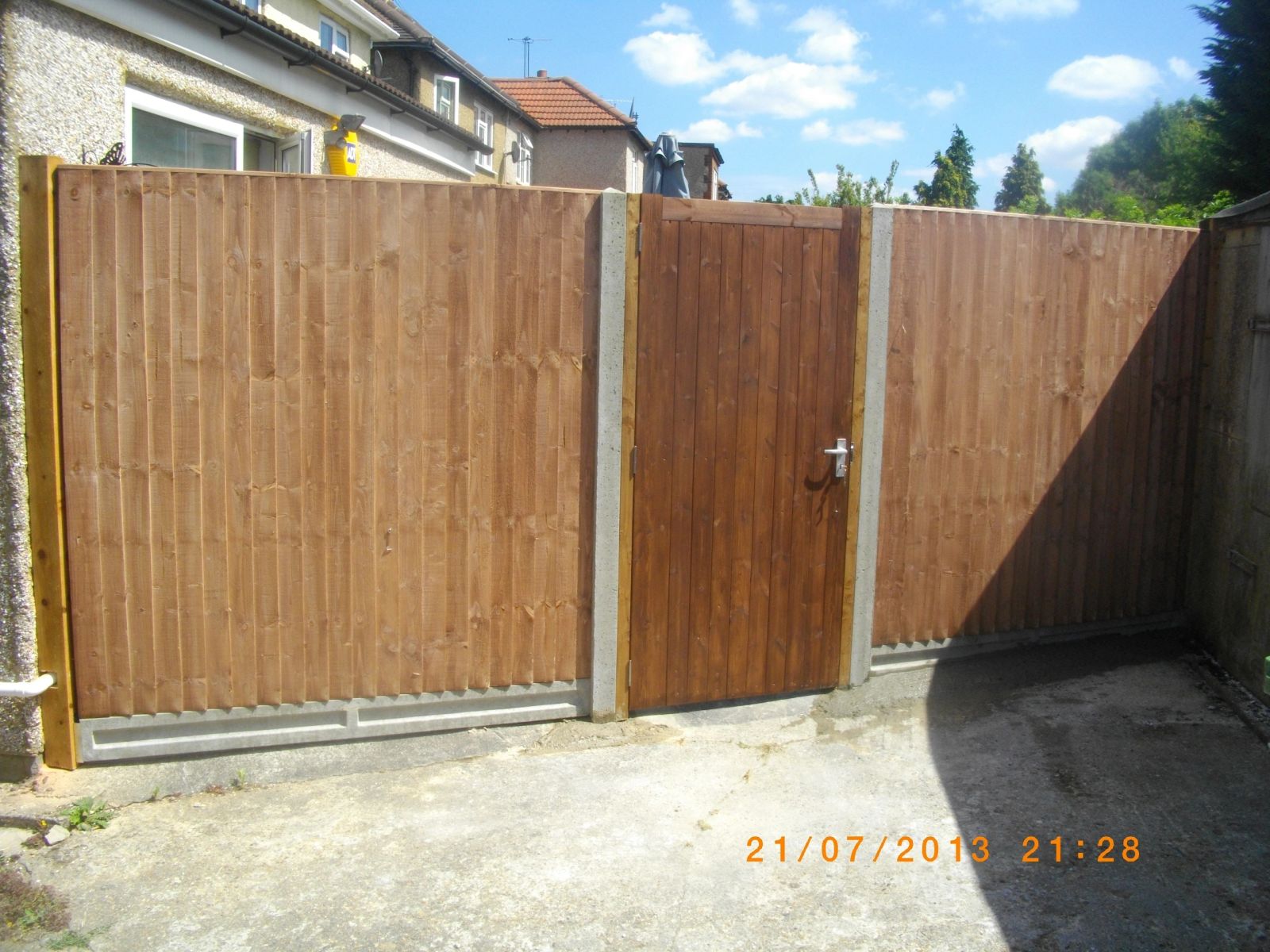
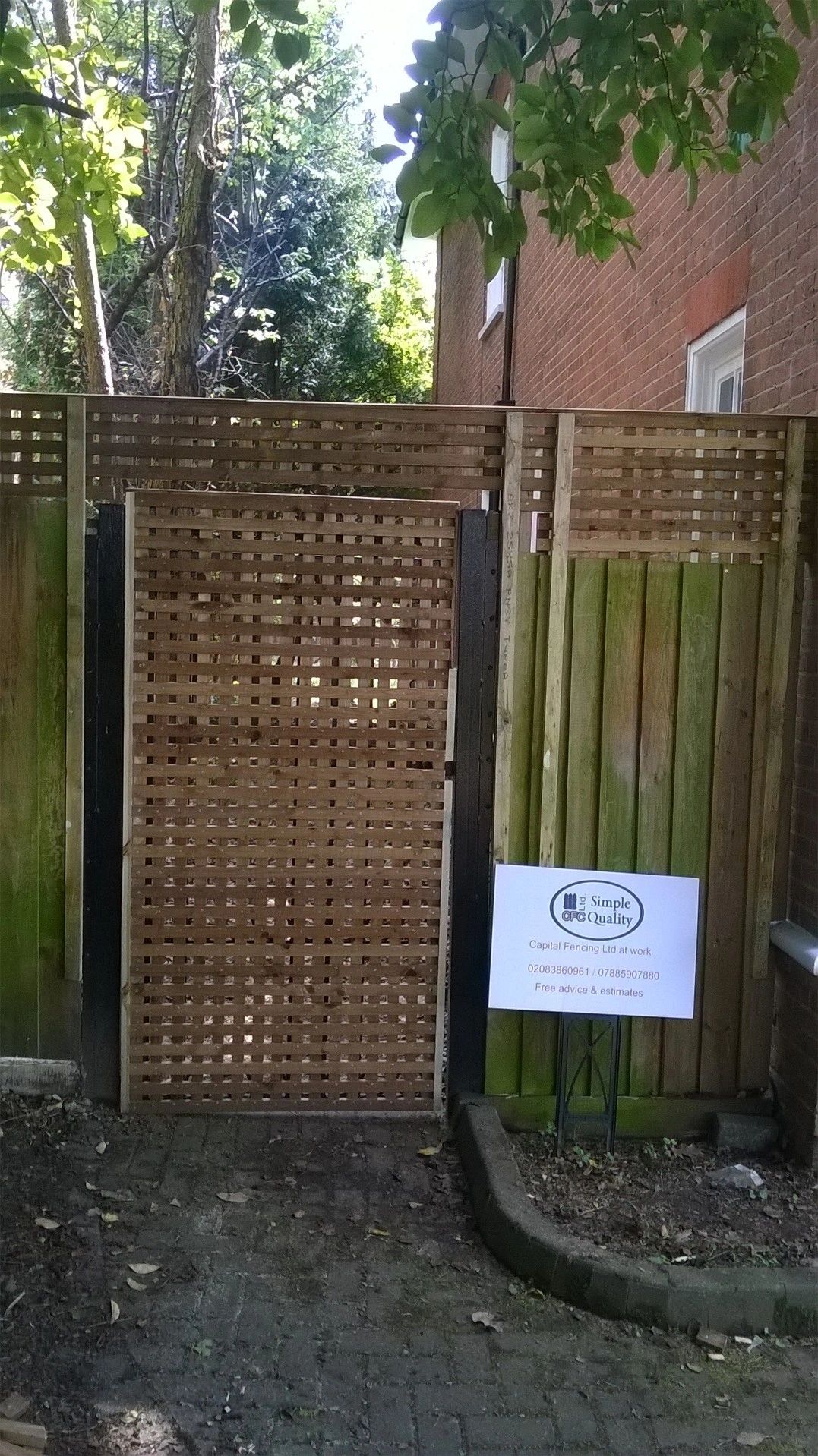
bespoke wooden gate installed by Capital Fencing in Edgware (HA8)
Edgware · HA8

Driveway double gates across Edgware — Barnet

We approach driveway double gates in Edgware from the failure end backwards. Not levelling the closing point — one leaf drags on the drive within a year — that's the single most common thing we're called back to fix, and it's the first thing our spec addresses. Roads such as High Street and Edgwarebury Lane are typical of the local layout. Stonegrove Park is a useful local reference point. Edgware developed rapidly after the Northern line was extended to the area in the 1920s, and much of its housing dates from that period of suburban expansion.

We approach driveway double gates in Edgware from the failure end backwards. Not levelling the closing point — one leaf drags on the drive within a year — that's the single most common thing we're called back to fix, and it's the first thing our spec addresses. Roads such as High Street and Edgwarebury Lane are typical of the local layout. Stonegrove Park is a useful local reference point. Edgware developed rapidly after the Northern line was extended to the area in the 1920s, and much of its housing dates from that period of suburban expansion.

What goes wrong

Common failure modes on driveway double gates

  • not levelling the closing point — one leaf drags on the drive within a year
  • under-sized posts or brickwork — automation loads pull them out of plumb inside a season
Default spec

How we build driveway double gates in Edgware

44mm framed, tongue-and-groove or composite infill, hot-dip galvanised or stainless ironmongery, sized to the actual masonry opening not the drawing. On Edgware jobs we adjust for side-return access on edgware semis is genuinely narrow — long panels often have to come up over the garage.

Property mix locally: 1930s semis built around the Tube extension, plus newer flats near the town centre. Typical gardens: rectangular suburban gardens, mostly flat, often with mature fruit trees. Postcodes we regularly service: HA8.

Why this spec, for homes with off-street parking wanting matched double vehicle gates, manual or automated

  • measured on site off the actual brick piers, not a builder's plan set
  • prepared for future automation even when you're not fitting it yet — cabling ducts under the drive, hinges rated for it
  • matched pedestrian gate carried in the same visit so alignment and finish are identical

Typical driveway double gates briefs in Edgware

  • 4.0m composite-faced double gates prepared for underground automation
  • matched pedestrian gate alongside 3.6m double vehicle gates on a corner-plot driveway

Driveway Double Gates FAQs — Edgware

How do you stop a heavy gate dropping on the closing point?

On driveway double gates jobs in Edgware (HA8), our default answer is: 44mm framed, tongue-and-groove or composite infill, hot-dip galvanised or stainless ironmongery, sized to the actual masonry opening not the drawing. For context: prepared for future automation even when you're not fitting it yet — cabling ducts under the drive, hinges rated for it. Structural spans and post depths calculated, not guessed.

Do you fit into existing brick piers or install new?

Across Edgware we spec around side-return access on edgware semis is genuinely narrow — long panels often have to come up over the garage, so on driveway double gates that usually means iroko hardwood on galvanised ironmongery. The honest trade-off is not levelling the closing point — one leaf drags on the drive within a year — which is exactly what our default spec designs out.

Can wooden driveway gates be automated later?

Barnet coverage means we can survey most HA8 addresses inside a week — homes with off-street parking wanting matched double vehicle gates, manual or automated. The honest trade-off is not levelling the closing point — one leaf drags on the drive within a year — which is exactly what our default spec designs out.

What's the widest span before double gates need a wheel or cantilever?

Practically: 3.0m opening hardwood double gates on ball-race hinges with drop bolt and top slide bolt. That's the Edgware version of this job, not a generic one. We'll walk you through measured on site off the actual brick piers, not a builder's plan set on the site visit before you commit.

Softwood, hardwood or composite for double gates?

On driveway double gates jobs in Edgware (HA8), our default answer is: 44mm framed, tongue-and-groove or composite infill, hot-dip galvanised or stainless ironmongery, sized to the actual masonry opening not the drawing. We'll walk you through measured on site off the actual brick piers, not a builder's plan set on the site visit before you commit.

Recent driveway double gates work
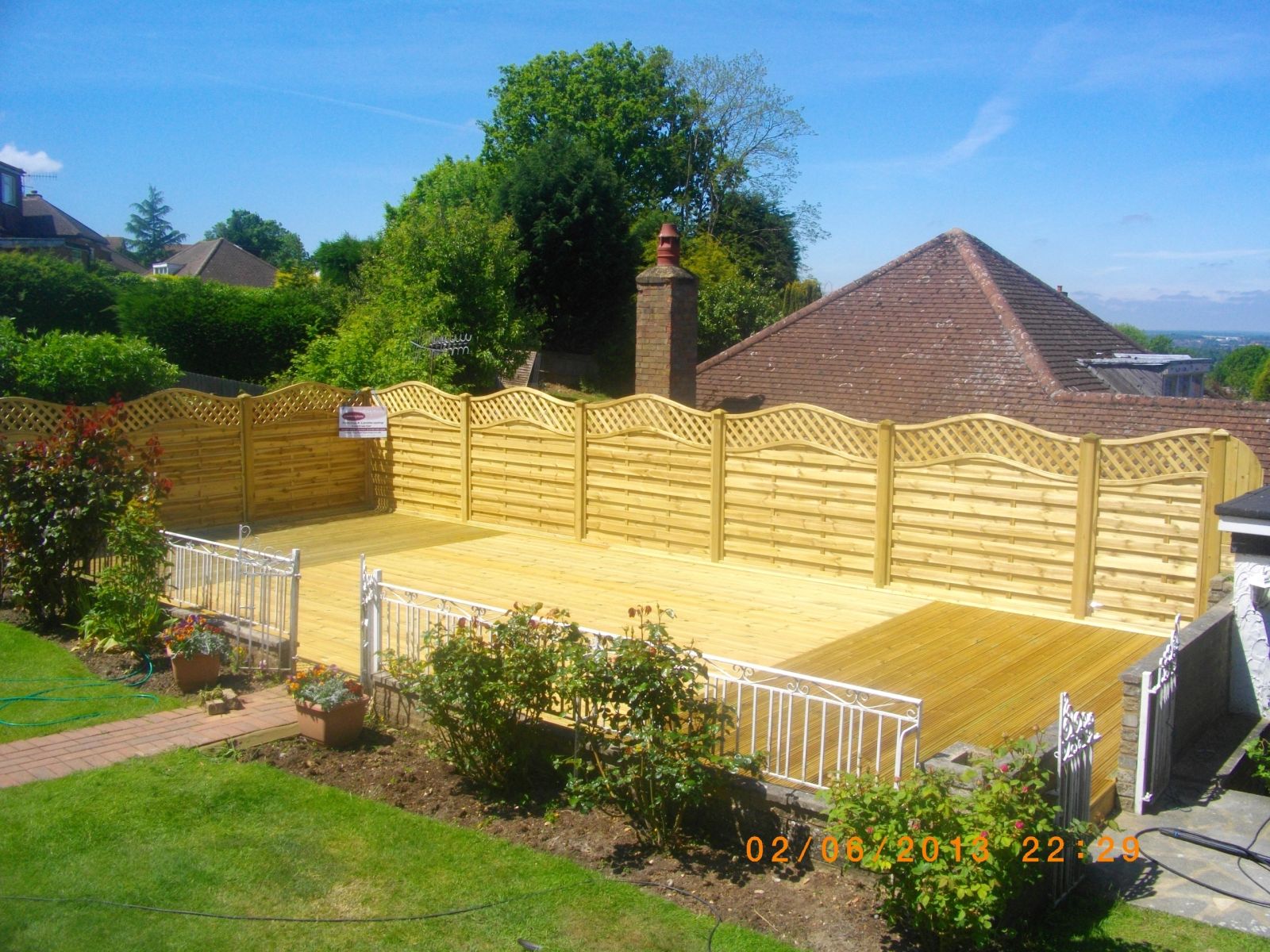
bespoke wooden gate installed by Capital Fencing in Edgware (HA8)double driveway gates installed by Capital Fencing in Edgware (HA8)hardwood side gate installed by Capital Fencing in Edgware (HA8)metal entrance gate installed by Capital Fencing in Edgware (HA8)

What actually matters for driveway double gates around Edgware

Maintenance intervals for a security boundary

A security fence needs the same seasonal checks as any boundary — loose fixings, gate sag and corrosion on steel ironmongery are the things that quietly turn a secure line into a weak one over a couple of years.

Checking hinge and lock hardware regularly matters more here than on a standard fence, because that's the point most attempts actually target.

Salt-laden air and coastal-adjacent exposure

Gardens within a few miles of open coast, or on a plot regularly exposed to salt spray carried on strong onshore winds, see accelerated corrosion of standard fixings and hinges compared with an inland site.

Stainless steel or heavily galvanised fixings are worth the extra cost in these conditions, since standard zinc-plated screws and hinges can show surface rust within a single season.

Timber itself isn't usually damaged by salt exposure directly, but a finish applied over salt residue left on the surface after a storm won't bond as well as one applied to a clean, rinsed surface.

Wheeling barrows over lawn without lasting damage

Repeated barrow runs over the same strip of lawn compact the soil and flatten the grass, and on wet ground a laden barrow can rut the turf enough that it doesn't recover without reseeding.

Laying scaffold boards or trackway matting along the barrow route spreads the load and protects the same strip from repeated single-wheel pressure, which is worth doing on any job running more than a day or two.

Choosing a slightly longer but firmer route — along a path rather than across open lawn — often does less lasting damage than the shortest direct line, even though it takes a little longer per trip.

BS 1722 and palisade fencing specification

BS 1722 covers dimensions, materials and fixing details for various fence types including steel palisade, and specifying to a named part of the standard gives a common reference point between client, contractor and any approving body rather than relying on informal descriptions of height and gauge.

Referencing the standard doesn't remove the need for site-specific judgement on threat level, but it does establish a baseline for pale gauge, post spacing and fixing that a site-specific spec can then be built up from.

Security fencing around a builders' compound

A builders' compound holding plant, materials and fuel needs a higher standard of fencing than the general site hoarding, since compound contents are a specific theft target and are often left unattended overnight or over a weekend.

Anti-climb toppings, a single monitored access gate and lighting are more commonly justified on a compound than on the wider site perimeter, given the concentration of value inside a relatively small footprint.

Repairing a section of a fence built to a non-standard height

Some existing fences were built to a height that doesn't match a standard panel or board size, often because of a specific planning condition or a personal preference at the time of original construction, and matching that height on a repair takes more care than fitting an off-the-shelf panel.

Site-cutting boards or panels to the existing height, and checking whether that height has any planning significance before changing it, keeps a repair consistent with the rest of the run.

Board overlap orientation relative to prevailing weather

Featherboard and closeboard panels are built with each board overlapping the next, and the direction of that overlap affects how well the panel sheds driven rain — the leading edge of each board should face the prevailing wind and rain direction so water runs off rather than being driven behind the board.

This is straightforward to get right at manufacture but is occasionally reversed on a bespoke or site-built run, which shows up over time as faster localised rot on the boards facing the wrong way for the local prevailing weather.

Checking overlap direction against the site's known prevailing wind is a small detail worth confirming before a bespoke run is built rather than assuming a standard orientation will suit every site.

Self-closing pedestrian gates

A self-closing hinge or spring closer on a pedestrian gate stops it being left open by accident, which matters on a boundary where the fence is only as secure as the gate that's routinely used.

On a school, nursery or pool boundary a self-closing, self-latching gate is often a specific requirement rather than an optional extra, and the closer needs enough force to shut fully without slamming.

The typical sequence for installing a fence run

A well-run fencing job generally sets out the full line first, digs and concretes every post before fixing anything else, and only starts hanging panels, rails or boards once every post has had time to cure.

Fixing panels to posts before the concrete has cured risks knocking a post out of true, which is why rushing straight from digging into panel-fitting on the same visit is usually avoided on anything beyond a very small repair.

Working this way also means any post that turns out to be misaligned is caught and corrected before panels are cut to fit it, rather than after, when correcting the post means undoing finished work.

Drop bolts and ground sockets

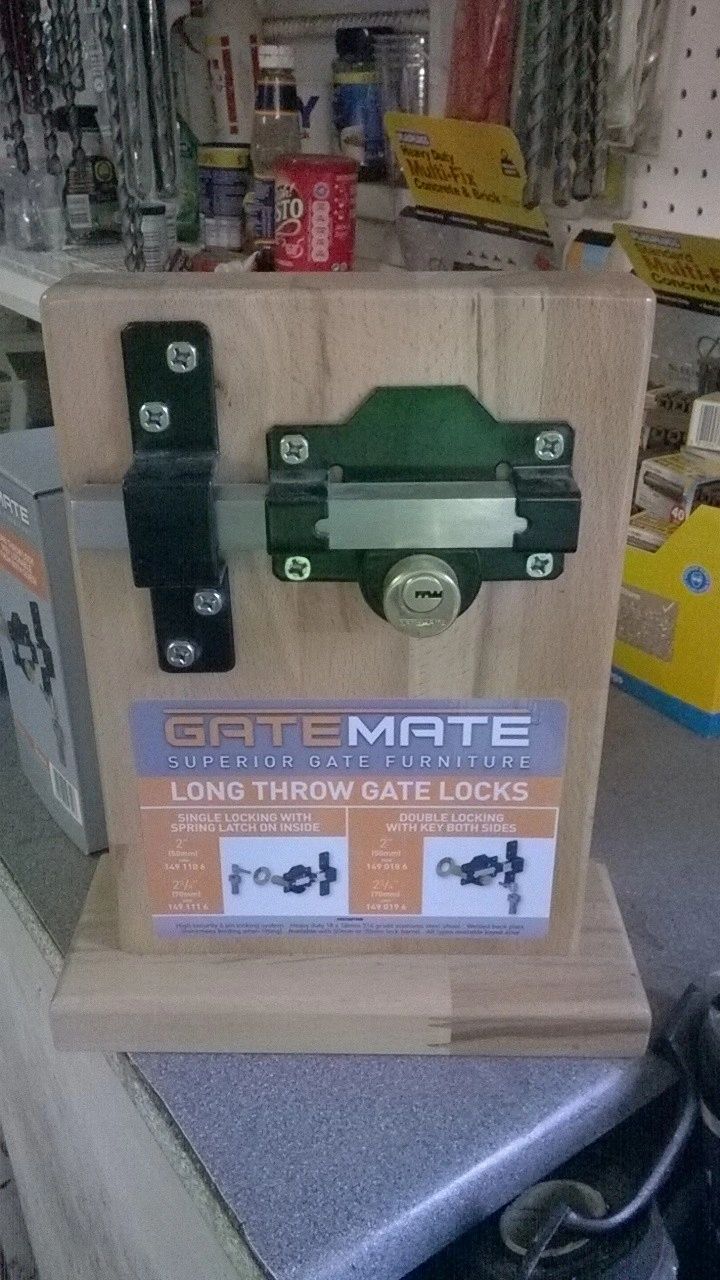
A drop bolt fixed to the bottom rail of a leaf drops into a ground socket to hold that leaf still while the other leaf is used for daily access, and a socket that's silted up or out of alignment is a common reason a drop bolt stops locating properly.

We check the socket depth and drainage as well as the bolt itself, since a blocked socket is often mistaken for a bent or worn bolt.

Diagnosing sag, frame rack or post lean

A gate that no longer closes properly can be dropping at the hinge corner, racking as a whole rectangle out of square, or simply following a hinge post that's leaning in the ground — each has a different fix and they're easy to mix up from the ground.

We check the post for plumb first, then check the frame diagonals against each other, and only then look at the hinges themselves, since treating a leaning post as a hinge fault wastes a repair visit.

Integrating new security fencing with existing period railings

Where a boundary already has decorative cast or wrought iron railings, a security upgrade sometimes adds a discreet inner mesh or bar liner behind the original railings rather than replacing them outright, preserving the appearance while closing the wider gaps a decorative pattern leaves.

This approach is common on a listed or conservation-area boundary where replacing the original ironwork outright would need consent that a sympathetic addition behind it may not.

Gate hardware for a deck-level opening

A gate set into a deck balustrade, for example at the top of external steps or beside a pool, benefits from a self-closing hinge and childproof latch in the same way a pool or driveway gate would, particularly where there's a fall risk beyond it.

Hardware exposed to full weather on an open deck needs the same corrosion-resistant fixings as an exterior fence gate, since a deck gate often sees more direct rain and UV exposure than a gate tucked against a house wall.

The gate frame needs bracing consistent with the balustrade posts either side of it, since a lightweight infill gate hung between two structural posts is only as safe as its own resistance to being pushed or leant on.

Gravity latch weight and pivot balance

A gravity latch relies on its own weight to drop the bar into the keep as the gate closes, so the pivot point and the latch's weight distribution both need to be correct for it to fall reliably rather than sticking mid-drop.

A latch that's been repainted heavily can gain enough extra weight or friction at the pivot to stop working properly, which is worth checking before assuming the mechanism itself has failed.

Keeping weep holes and drainage gaps clear after fixing

Some fixings and bracket systems include small drainage gaps or weep holes designed to let water escape from behind a post-to-wall connection, and these can be inadvertently sealed over with excess sealant or packed with debris during fitting.

Checking that these gaps remain open once a fixing is complete is a quick final step that's easy to skip once the main structural work feels finished.

A blocked weep hole doesn't cause an obvious immediate problem, but it lets moisture accumulate behind the fixing point where it isn't visible, quietly encouraging rot or corrosion out of sight.

Exposed plots and wind funnelling between buildings

Wind doesn't just hit a fence head-on — gaps between buildings, especially in newer estate layouts with narrow side passages, can funnel and accelerate wind locally well beyond the general forecast for the area.

A fence positioned at the end of such a gap can see significantly higher loading than an identical run a few metres away in the lee of a building.

Recognising these funnelling positions at quote stage, and specifying heavier posts or a part-open panel design there, is more reliable than treating an entire plot as uniformly exposed or sheltered.

Protecting known cable and pipe runs during digging

Where a service run is known — marked by the utility company, visible from a meter or duct cover, or noted on a site plan — a physical marker or hand-dug trial pit at that point before general digging starts confirms its exact depth and route.

Once a service is located, leaving a visible marker such as a cane or spray line on the surface stops it being forgotten by whoever digs the next hole along the run, particularly on a multi-day job with different people digging on different days.

Ducted services are generally easier to work around than direct-buried cables since the duct itself gives some protection, but the duct can still be damaged by an auger or breaker if its depth isn't confirmed first.

Defensive planting alongside a security fence

Dense, thorny planting such as hawthorn or berberis along the inside or outside of a lower fence adds a deterrent layer without extra height, and is sometimes used where planning limits the fence itself.

Planting needs a maintained gap from the fence line so roots don't undermine posts and growth doesn't hide someone approaching the boundary — the deterrent only works if it's kept low enough to see over and dense enough not to push through.

Incising for treatment penetration

Incising is the process of pressing a pattern of small slits into a timber's surface before pressure treatment, breaking through the outer layer so preservative can reach further into the wood than it otherwise would.

It's most relevant on species like spruce and whitewood, which have a dense, resistant heartwood-adjacent layer that untreated slits would leave largely unprotected, whereas naturally permeable species such as pine sapwood rarely need it.

The trade-off is a slightly roughened surface texture with visible slit marks, which is a fair exchange for genuine depth of penetration rather than a treatment that sits mostly on the surface.

Handling older timber treated with preservatives no longer in use

Timber treated with older preservative formulations that have since been withdrawn or restricted can still be present in fences installed some years ago, and cutting or sanding that timber during a repair can release different residues than modern treated timber would.

Where a fence is old enough that its original treatment is uncertain, working with good ventilation, gloves and dust control, and disposing of offcuts as general waste rather than burning them, is the sensible default.

Post top crown-cutting for water shedding

A crown cut, a shallow diagonal saw cut across the top of a fence post, sheds rainwater to one side rather than letting it pool flat on the post's exposed end grain.

It's a lower-cost alternative to fitting a separate post cap and can be combined with an end-grain preservative treatment applied to the freshly cut surface for extra protection.

A flat-topped post left uncapped and uncut is the most exposed detail on an otherwise well-treated post, since the end grain there absorbs water directly with nothing to divert it.

Post anchor sockets versus set-in posts

A bolt-down or drive-in post anchor holds a timber post entirely above ground level, isolating the post's end grain from the direct soil and moisture contact it would face if simply set into a concreted hole.

Because the post itself never touches the ground, anchor-mounted posts largely avoid the ground-line rot that's the single most common failure point for concreted posts, though the anchor and its fixings become the new focus for corrosion.

Anchors do transfer more concentrated leverage into a smaller fixing area at the base than a post set deep in concrete, so they generally need a correspondingly larger or deeper concrete footing beneath them for the same wind load.

On driveway double gates in Edgware you get the same crew from first site visit to hand-over. That's the whole model — small team, engineered-to-load spec, written quote before we start. Roads such as Edgwarebury Lane and Whitchurch Lane are typical of the local layout. Edgware bus station is a useful local reference point. Canons Park, on the town's edge, was once part of the grounds of Canons House and retains covenants affecting some streets.

Get In Touch

Get My Free Quote — 24h Response

No callout fee · Free site visit · Friendly local team covering London & Hertfordshire.

Call us
07885907880
or 02036484746
Email
capital_fencing@yahoo.com
WhatsApp
Message us anytime
Area
London & Hertfordshire
Payment
Card payments accepted

Pay by debit or credit card, bank transfer or cash once the work and price are agreed. No deposit taken online.

Request a Free Quote

We'll get back to you within 24 hours.

Free Site Visit No Callout Fee
Call WhatsAppQuote