London & Hertfordshire Free Site Visit
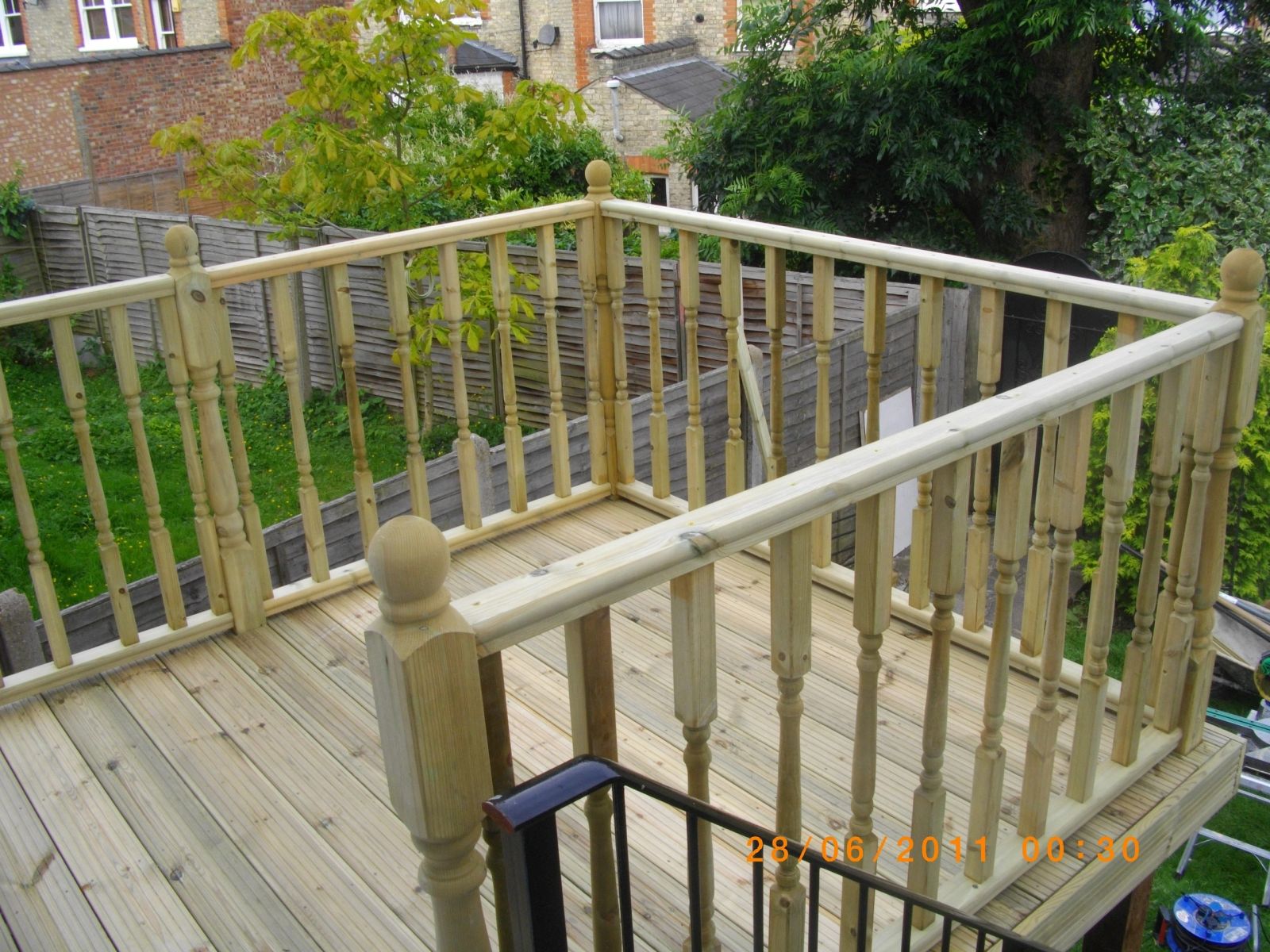
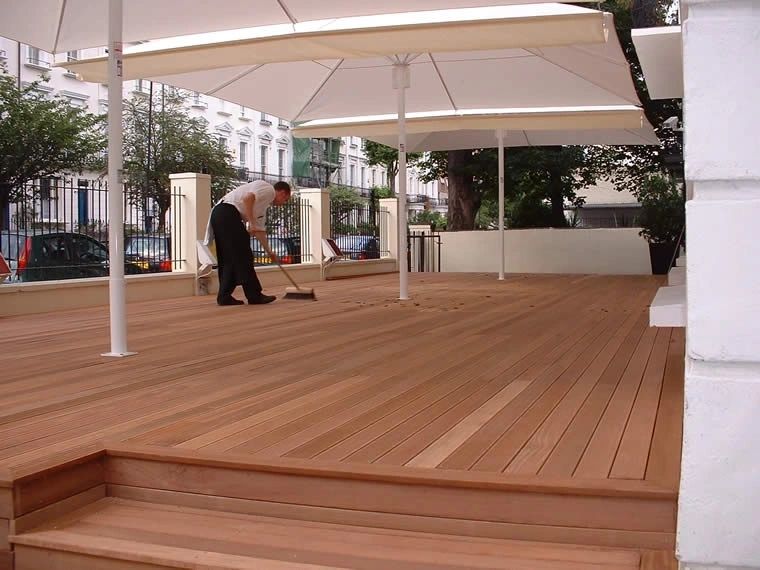
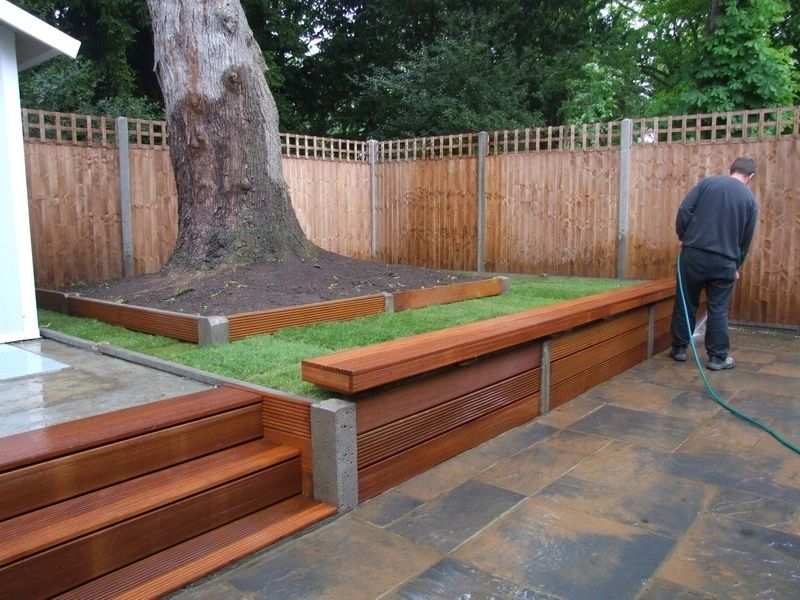
softwood garden decking installed by Capital Fencing in Cheshunt (EN7)
Cheshunt · EN7 / EN8

Hot Tub Decking in Cheshunt — Built for load ratings, access panels and long-term finish

Capital Fencing installs hot-tub decking across Cheshunt and out toward waltham cross and enfield. What separates a hot-tub decking job from a standard boundary is the detail: raised composite deck sized to carry a 6-person hot tub filled with water plus occupants. That's the work, not the marketing. Roads such as Crossbrook Street and Flamstead End Road are typical of the local layout. Lee Valley Regional Park is a useful local reference point. Goffs Oak, on higher ground to the west, has larger detached plots and a different topography from the valley floor.

Capital Fencing installs hot-tub decking across Cheshunt and out toward waltham cross and enfield. What separates a hot-tub decking job from a standard boundary is the detail: raised composite deck sized to carry a 6-person hot tub filled with water plus occupants. That's the work, not the marketing. Roads such as Crossbrook Street and Flamstead End Road are typical of the local layout. Lee Valley Regional Park is a useful local reference point. Goffs Oak, on higher ground to the west, has larger detached plots and a different topography from the valley floor.

Default spec

How we build hot-tub decking in Cheshunt

150×47mm C24 joists at 300mm centres over doubled bearers under the tub footprint; hot-tub area calculated to 400kg/m² loaded. On Cheshunt jobs we adjust for ground water near the lee valley means post bases need extra care to prevent rot.

Property mix locally: mid-century semis and bungalows, plus newer riverside developments toward Goffs Oak. Typical gardens: long flat gardens — many back onto the Lee Valley with high-water-table conditions. Postcodes we regularly service: EN7, EN8.

Why this spec, for homeowners installing a hot tub who need the deck sized to carry the loaded weight

  • joist spacing and bearer doubling sized to the loaded tub weight, not a generic domestic spec
  • grooved composite boards keep grip when wet — the whole point of a hot-tub deck surface
  • removable board sections over the tub base give access to the pump and filter without a rebuild

Where hot-tub decking isn't the right answer

  • very large commercial-spec spas that need a poured slab, not a timber deck
  • properties with no access for delivery of a filled tub after the deck is complete

Typical hot-tub decking briefs in Cheshunt

  • raised composite deck sized to carry a 6-person hot tub filled with water plus occupants
  • combined hot-tub deck and outdoor-kitchen platform on a single load-rated frame

Hot Tub Decking FAQs — Cheshunt

How high can a hot-tub deck be built before it needs handrails?

On hot-tub decking jobs in Cheshunt (EN7), our default answer is: 150×47mm C24 joists at 300mm centres over doubled bearers under the tub footprint; hot-tub area calculated to 400kg/m² loaded. The honest trade-off is using domestic 400mm joist spacing under a filled tub — the deck sags within a year — which is exactly what our default spec designs out.

What board grooving do you recommend for grip?

Across Cheshunt we spec around ground water near the lee valley means post bases need extra care to prevent rot, so on hot-tub decking that usually means Trex or Q-Deck composite for a wet, chlorinated environment. The honest trade-off is using domestic 400mm joist spacing under a filled tub — the deck sags within a year — which is exactly what our default spec designs out.

How do you allow access to the pump under the deck?

Broxbourne Borough coverage means we can survey most EN7 addresses inside a week — homeowners installing a hot tub who need the deck sized to carry the loaded weight. For context: grooved composite boards keep grip when wet — the whole point of a hot-tub deck surface. Hardwood and composite specified to genuine service-life numbers.

Is composite slippery around a wet tub?

Practically: raised composite deck sized to carry a 6-person hot tub filled with water plus occupants. That's the Cheshunt version of this job, not a generic one. For context: grooved composite boards keep grip when wet — the whole point of a hot-tub deck surface. Hardwood and composite specified to genuine service-life numbers.

Can I add a hot tub to an existing deck?

On hot-tub decking jobs in Cheshunt (EN7), our default answer is: 150×47mm C24 joists at 300mm centres over doubled bearers under the tub footprint; hot-tub area calculated to 400kg/m² loaded. For context: grooved composite boards keep grip when wet — the whole point of a hot-tub deck surface. Hardwood and composite specified to genuine service-life numbers.

Recent hot tub decking work
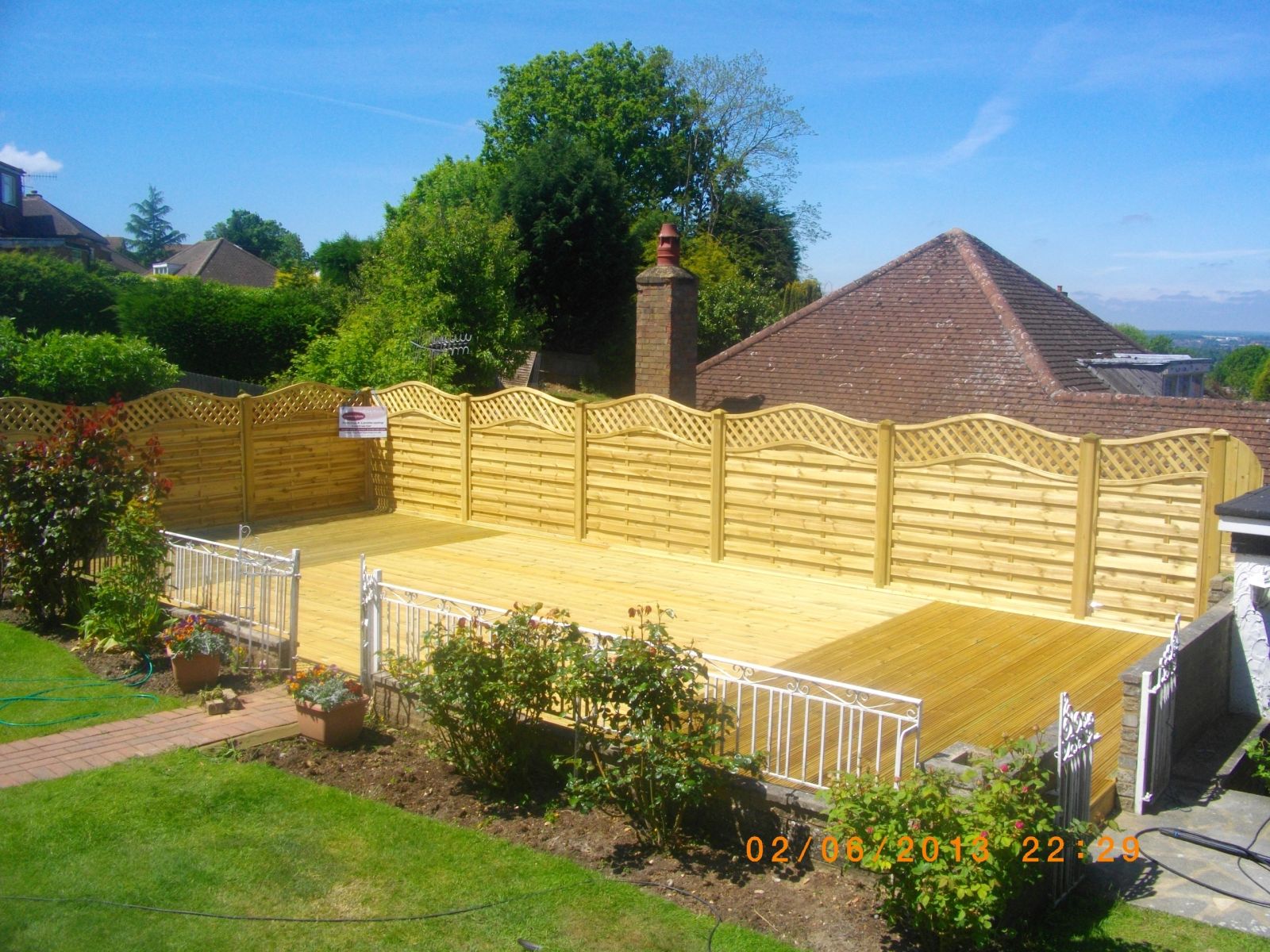
softwood garden decking installed by Capital Fencing in Cheshunt (EN7)hardwood deck install installed by Capital Fencing in Cheshunt (EN7)composite decking installed by Capital Fencing in Cheshunt (EN7)raised garden deck installed by Capital Fencing in Cheshunt (EN7)

What actually matters for hot tub decking around Cheshunt

Tree roots as a cause of fence failure

Roots growing under or against a post base can lift or crack a footing over several years, and a repair in that position sometimes needs the post offset slightly rather than reset in exactly the same spot.

Where a protected tree is involved, any groundwork near it is checked against that protection before a repair goes ahead.

Pedestrian gate self-closing devices

A hydraulic or spring-loaded self-closing hinge brings a pedestrian gate back to a closed and latched position automatically, which is useful where a gate needs to stay shut for security or to keep a garden secure for children or pets.

These devices need occasional tension adjustment as they wear, and a gate that no longer closes fully is often a closer needing adjustment rather than a hinge fault.

Vehicle and impact loading on perimeter fencing

A boundary next to a car park, loading bay or farm track needs posts and panels sized for accidental impact loading, not just wind and climbing loads, because a reversing vehicle applies a very different force to the same run.

Where impact is a realistic risk, a kerb, bollard or heavier-gauge post is used to take the hit rather than relying on the fence panel itself to absorb it.

Waste carrier duty of care for site waste

Anyone removing fencing, decking or building waste from a client's property in the course of business needs to be a registered waste carrier with the Environment Agency, and should be able to provide a waste transfer note showing where the material was taken.

Treated timber, in particular, is classed differently to plain untreated offcuts and generally can't simply go on a bonfire or into general household waste, since some older preservatives fall under hazardous waste rules.

Asking a contractor for their waste carrier registration number and a transfer note isn't excessive caution — the householder can be liable if waste is later found fly-tipped and traced back to the job.

Waste carrier duty of care for old fencing

Under the Environmental Protection Act 1990, anyone arranging removal of construction waste such as old fence panels and posts has a 'duty of care' to ensure it's handled by a registered waste carrier.

Asking to see a waste carrier's registration number, and requesting a waste transfer note for larger quantities, is a reasonable and legitimate request rather than an unusual one.

Householders can be held responsible if waste from their property is later found fly-tipped, even where they paid someone else to take it away, which is why checking credentials matters.

Diagnosing squeaks and creaks in gate hardware

A squeak or creak from a gate is almost always dry friction at a hinge pin, pivot or roller rather than a structural fault, and it's worth locating the exact source by working the gate slowly through its swing rather than assuming which hinge is responsible.

Cleaning out old, dirt-laden grease before applying fresh lubricant gives a longer-lasting fix than simply oiling over grit that's already worked into the bearing surface.

Rear alley gating orders

A council-issued gating order allows residents to install a locked gate across a shared rear alley or ginnel that's become a route for anti-social behaviour, converting what was a public right of way into a controlled access point.

Gates fitted under a gating order usually need to match a specification set by the council, including emergency-service access provision, rather than being chosen freely by residents.

Dust and noise control in a tight garden

Cutting timber, breaking out old concrete bases or using a petrol auger all generate noise and dust that carries further in a small enclosed garden between close-set houses than on an open plot.

Local authorities can restrict noisy work hours under the Control of Pollution Act, and even where no formal restriction applies, starting before a reasonable hour or working into the evening is one of the fastest ways to draw a neighbour complaint.

Sheeting off concrete-cutting dust and keeping cut ends away from a neighbour's washing line or open windows is a small step that avoids most of the friction on a shared boundary job.

Skip permits on a public highway

A skip placed on a public road or pavement, rather than entirely on private land such as a driveway, generally needs a permit from the local council's highways department beforehand.

Permits usually specify how the skip must be lit and marked, particularly overnight, and there are often restrictions near junctions or on narrower streets.

Placing a skip on the highway without the required permit can result in a fine, so it's worth checking with the skip hire company or council directly rather than assuming it's not needed.

Fire escape routes and non-lockable egress

A secure gate on a fire escape route or final exit path must allow people to get out without a key, even if it stays locked against entry from outside — a simple push-bar or thumb-turn release satisfies this on the inside face.

This is checked against the building's fire strategy before a lockable gate is fitted on any route marked as an escape path, because a fully keyed gate on both faces is a genuine life-safety fault.

Marker tape and underground cable protection during fencing works

Even where a cable route has been avoided by shifting post positions, a warning marker tape laid above the cable at a shallower depth than the cable itself gives a visual and physical warning to anyone digging near the line in future.

This is a low-cost addition worth doing whenever a post line runs close to a known service, since a fence contractor working carefully today doesn't guarantee the same care from whoever digs near that boundary years later.

Material delivery constraints on restricted-access sites

A property reached only by a narrow alley, a flight of steps, or a shared passage without vehicle access changes how gate materials are delivered and handled, since a full-size gate leaf, a bag of postmix or a length of steel box section may need carrying in by hand over some distance.

This constraint is worth identifying before materials are ordered, since it can affect what size or weight of gate is practical to specify for that particular access route.

Deadlocks fitted to timber gate doors

A deadlock fitted to a solid timber gate door needs a keep let into a post or frame that's substantial enough to resist forcing, since a deadlock is only as strong as the timber and keep it engages with.

Outdoor use also means the lock case and keep need weather protection or a corrosion-resistant finish that an equivalent internal door lock wouldn't require.

Aligning hinges before final gate fixing

Hinges fixed slightly out of vertical alignment with each other make a gate bind or swing shut under its own weight rather than staying wherever it's left, even if each hinge individually looks correctly fitted.

Propping the gate at the intended finished height and checking the gap is even top and bottom before final fixing catches most alignment problems while they're still easy to adjust.

Loosely fitting the top hinge first, checking swing and clearance, and only then fully fixing both hinges is a more forgiving sequence than fully fixing both at once and finding the gate doesn't swing cleanly.

Hardwood options for gates

Gates take more racking stress than a fixed fence panel, opening and closing on a single edge, which is why hardwoods such as oak or iroko are often specified for gates even where the adjoining fence is softwood.

Oak's natural durability means it can be left untreated and will weather to silver-grey, but it also moves seasonally and can stain surrounding masonry with tannin run-off in wet weather, which is worth flagging before it's fitted next to a pale render or paving.

Hardwood gate frames are usually built with mortice-and-tenon joints rather than the simple nailed or bracketed joints acceptable on a softwood panel, since the joint has to resist years of racking without loosening.

Repairing fence sections undermined by fox or badger digging

A gap dug beneath a gravel board or the base of a panel is usually a fox rather than a badger unless it's part of a larger, more established sett system, and the repair approach differs depending on which is causing it.

Fox damage can usually be repaired by reinforcing the base with a buried mesh skirt or a deeper gravel board, but any active badger sett close to the boundary is legally protected and needs specialist advice before any digging near it as part of the repair.

Preventing warp in a gate leaf during storage before fitting

A gate leaf left leaning against a wall or stacked flat on damp ground before fitting can pick up an uneven moisture gradient across its faces, encouraging warp before it's even hung.

Storing a gate flat, supported evenly and off the ground, with both faces exposed to similar conditions, reduces the risk of a leaf arriving on site already slightly twisted.

Fixing a fence or gate to a neighbour's wall

Attaching a new fence panel, gate post or trellis to a wall that belongs solely to a neighbour is a trespass unless they've agreed to it, even where the fixing itself is small and reversible like a single bracket.

Where a wall is genuinely shared or in unclear ownership, written agreement before drilling avoids disputes later, particularly since removing a fixing can leave visible damage the wall owner didn't consent to.

The safer default on an unclear boundary is a free-standing post set just inside the client's own land, rather than relying on an existing structure whose ownership hasn't been confirmed.

Sourcing reclaimed or discontinued timber to match an existing run

Older properties sometimes have a fence built from timber sections, profiles or panel sizes no longer in standard production, which makes an exact match difficult without sourcing reclaimed stock or having a bespoke run cut.

Reclaimed timber needs the same checks as new stock — treatment condition, rot, and structural soundness — before reuse, since visually matching timber that's structurally compromised isn't a genuine repair.

Where matching isn't practical, agreeing a deliberate, tidy transition point with the client (a change of panel style at a natural break, like a corner post) usually looks better than trying and failing to blend two slightly different materials seamlessly.

Sound versus security trade-offs in fence design

A solid acoustic-style fence blocks noise well but also blocks the sightline that lets you see who's approaching the boundary, whereas an open mesh or railing gives good visibility but no noise reduction at all.

Where both matter, a part-solid, part-open design — solid to head height with an open topping, for instance — is a workable compromise rather than defaulting fully to one or the other.

Off-street parking and dropped kerbs

Converting a front garden to off-street parking usually requires a dropped kerb permit from the highway authority, and a boundary fence or gate across that new access has to be positioned clear of the visibility splay the dropped kerb creates.

Where a low front boundary already exists specifically to preserve sightlines onto the new parking, replacing it with a taller or solid fence can undo the safety benefit the dropped kerb approval was granted on.

It's worth checking whether the dropped kerb approval included any conditions on boundary treatment before ordering a new front fence or gate.

Using a scaffold tower or podium for repairs on a tall or high-level run

A repair above roughly head height, such as capping or bracing on a tall acoustic fence or a boundary on sloping ground, needs a proper working platform rather than a stepladder, both for safety and to allow two hands free for fixing.

On a tall run this can mean the access equipment takes longer to set up and move along the fence than the repair itself, which is worth factoring into how a job like this is planned and priced.

On hot-tub decking in Cheshunt you get the same crew from first site visit to hand-over. That's the whole model — small team, specification-led spec, written quote before we start. Roads such as Windmill Lane and College Road are typical of the local layout. Cheshunt station is a useful local reference point. The old nursery and glasshouse land east of the A10 has been redeveloped for housing in phases, so plot sizes vary street by street.

Get In Touch

Get My Free Quote — 24h Response

No callout fee · Free site visit · Friendly local team covering London & Hertfordshire.

Call us
07885907880
or 02036484746
Email
capital_fencing@yahoo.com
WhatsApp
Message us anytime
Area
London & Hertfordshire
Payment
Card payments accepted

Pay by debit or credit card, bank transfer or cash once the work and price are agreed. No deposit taken online.

Request a Free Quote

We'll get back to you within 24 hours.

Free Site Visit No Callout Fee
Call WhatsAppQuote