London & Hertfordshire Free Site Visit
bespoke wooden gate installed by Capital Fencing in Bushey (WD23)
Bushey · WD23

Pedestrian Side Gates in Bushey (WD23)

If you're weighing pedestrian side gates for a property in Bushey, the first thing that matters is how the finish sits next to the neighbour's existing boundary — not the material choice. Once that's settled, closeboard-matched softwood for behind-the-house lines is where most of our pedestrian side gates work in WD23 lands, with painted picket for front-boundary matching as a considered alternative. Roads such as Falconer Road and Sparrows Herne are typical of the local layout. Bushey Hall is a useful local reference point. The area sits close to the M1, and gardens on the highest ground have views toward the motorway corridor.

If you're weighing pedestrian side gates for a property in Bushey, the first thing that matters is how the finish sits next to the neighbour's existing boundary — not the material choice. Once that's settled, closeboard-matched softwood for behind-the-house lines is where most of our pedestrian side gates work in WD23 lands, with painted picket for front-boundary matching as a considered alternative. Roads such as Falconer Road and Sparrows Herne are typical of the local layout. Bushey Hall is a useful local reference point. The area sits close to the M1, and gardens on the highest ground have views toward the motorway corridor.

Typical pedestrian side gates briefs in Bushey

  • single 900mm pedestrian gate cut into an existing closeboard run
  • hardwood pedestrian gate through a brick garden wall opening
Default spec

How we build pedestrian side gates in Bushey

single leaf on ball-race hinges, thumb-latch and dead-locking hardware, closing stop and drop-bolt where security is a priority. On Bushey jobs we adjust for bushey heath conservation area limits front boundary heights and prohibits certain panel styles.

Property mix locally: large detached and semi-detached homes around Bushey Heath, with older cottages in Bushey Village. Typical gardens: deep, mature gardens — many sloping with mature trees and substantial existing planting. Postcodes we regularly service: WD23.

Why this spec, for single-leaf pedestrian gates matched into existing fencing runs

  • carried in as a like-for-like match to what's already there — no visible new post
  • hinge and latch geometry sized for daily use rather than as a one-off decorative piece
  • installed with the closing stop and latch in one visit so nothing has to be revisited
What goes wrong

Common failure modes on pedestrian side gates

  • hinging off the last post of an old fence run — the post moves and the gate stops closing within weeks
  • specifying a decorative latch not rated for daily use — hardware fatigue inside a year

Pedestrian Side Gates FAQs — Bushey

Softwood or hardwood for a matched pedestrian gate?

On pedestrian side gates jobs in Bushey (WD23), our default answer is: single leaf on ball-race hinges, thumb-latch and dead-locking hardware, closing stop and drop-bolt where security is a priority. We'll walk you through carried in as a like-for-like match to what's already there — no visible new post on the site visit before you commit.

Can you match a new pedestrian gate into my existing fence?

Across Bushey we spec around bushey heath conservation area limits front boundary heights and prohibits certain panel styles, so on pedestrian side gates that usually means closeboard-matched softwood for behind-the-house lines. For context: hinge and latch geometry sized for daily use rather than as a one-off decorative piece. Measured, quoted and installed by the same small crew.

How do I keep the gate closed without a spring hinge?

Hertsmere Borough coverage means we can survey most WD23 addresses inside a week — single-leaf pedestrian gates matched into existing fencing runs. We'll walk you through carried in as a like-for-like match to what's already there — no visible new post on the site visit before you commit.

Do you fit the latch and any hardware on the same visit?

Practically: single 900mm pedestrian gate cut into an existing closeboard run. That's the Bushey version of this job, not a generic one. For context: hinge and latch geometry sized for daily use rather than as a one-off decorative piece. Measured, quoted and installed by the same small crew.

Can a pedestrian gate go through a brick wall opening?

On pedestrian side gates jobs in Bushey (WD23), our default answer is: single leaf on ball-race hinges, thumb-latch and dead-locking hardware, closing stop and drop-bolt where security is a priority. We'll walk you through carried in as a like-for-like match to what's already there — no visible new post on the site visit before you commit.

Recent pedestrian side gates work
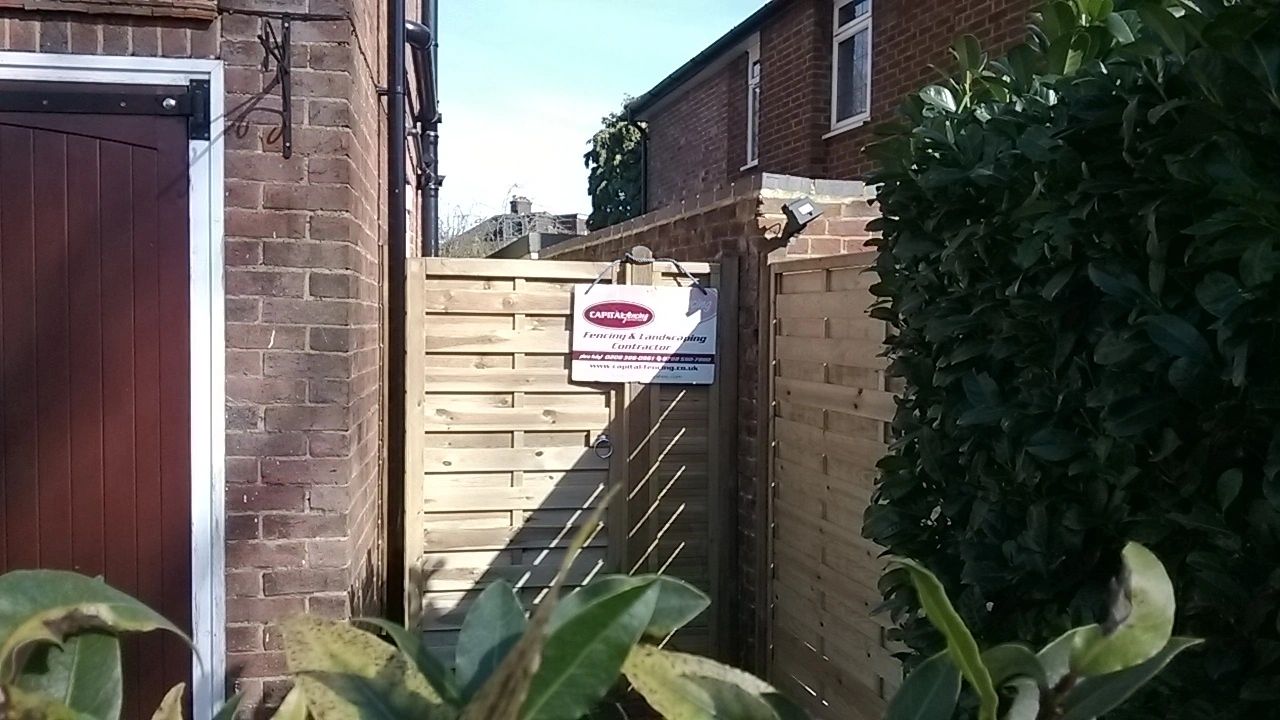
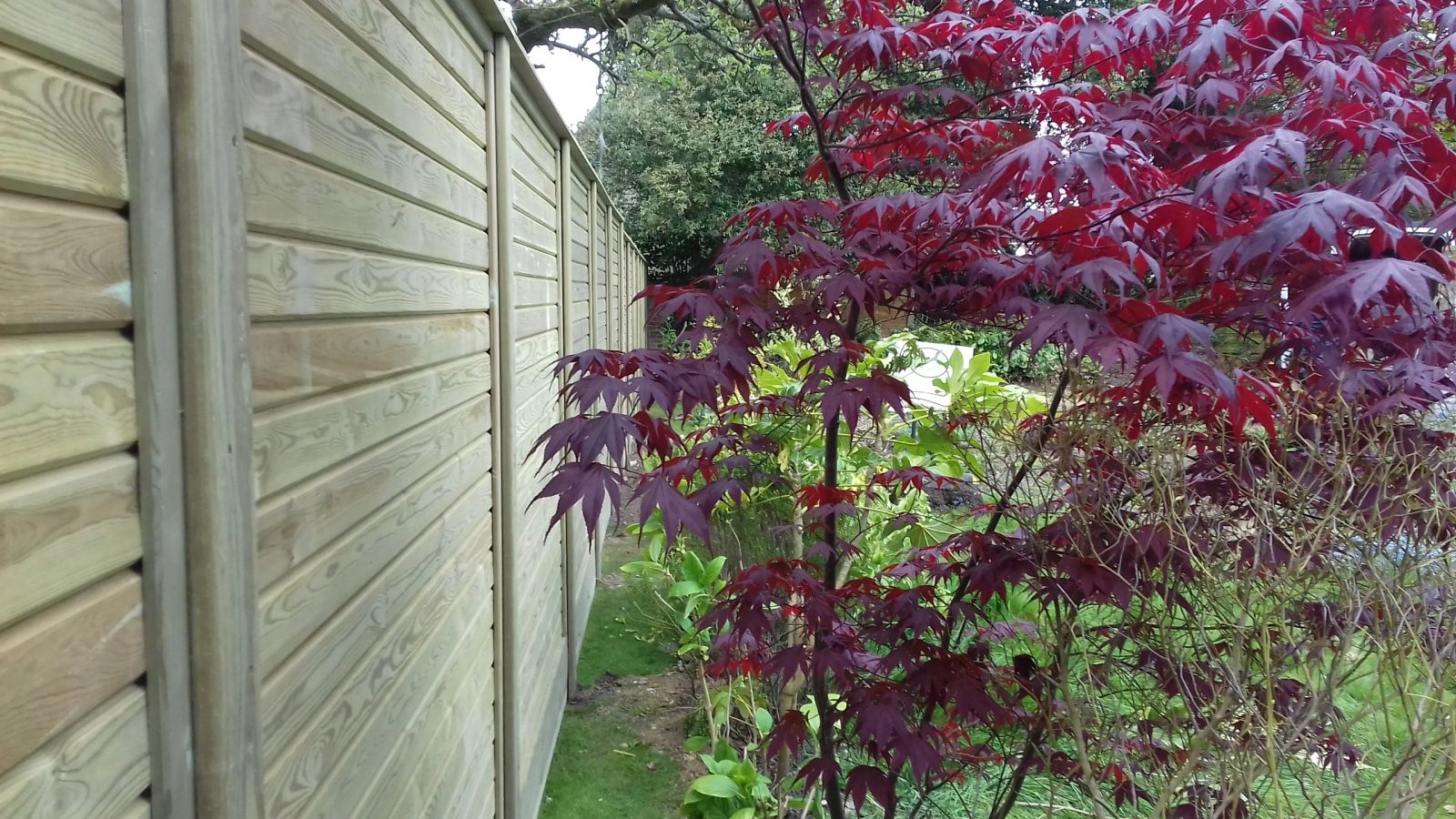
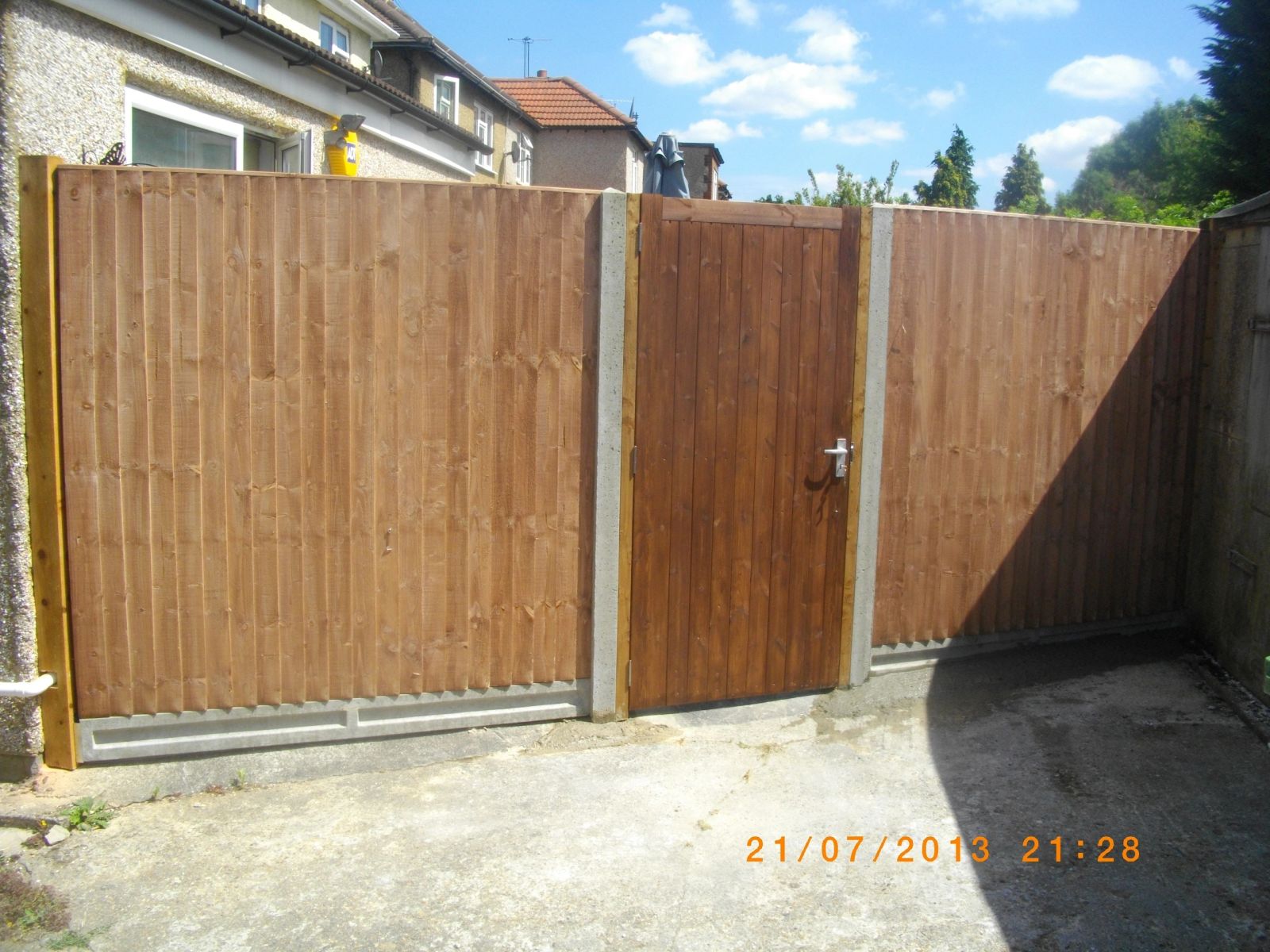
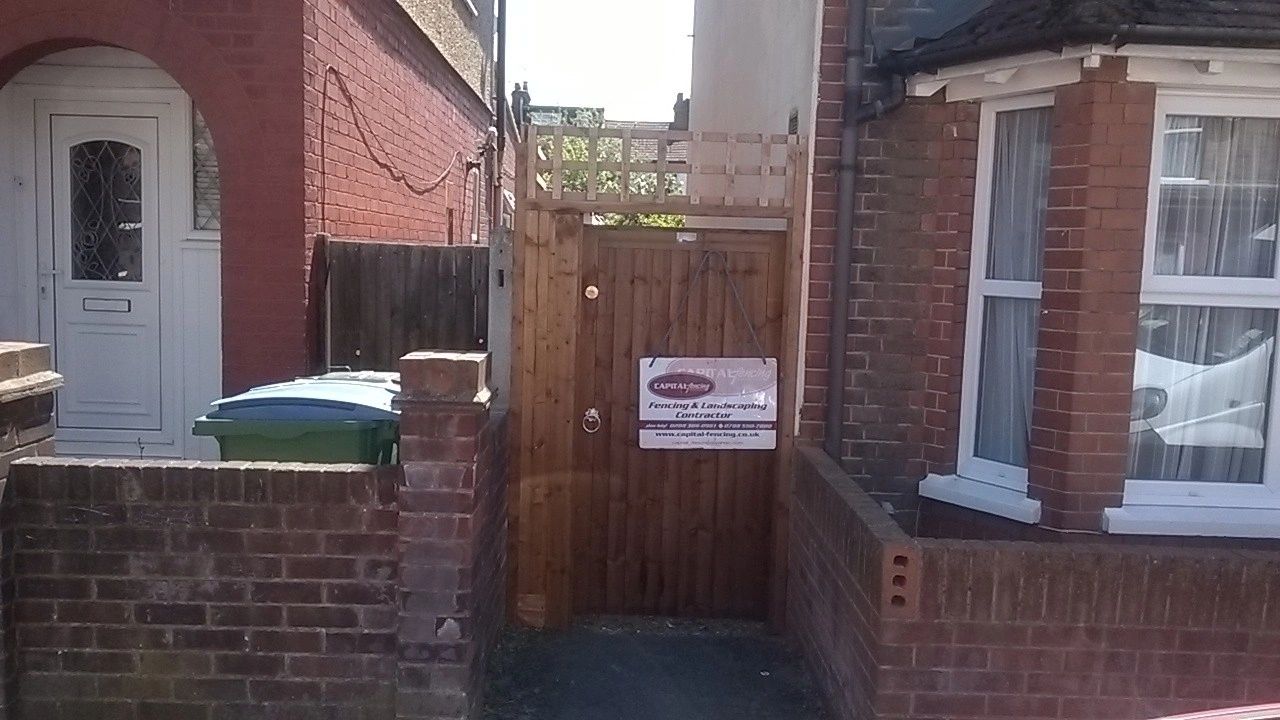
bespoke wooden gate installed by Capital Fencing in Bushey (WD23)double driveway gates installed by Capital Fencing in Bushey (WD23)hardwood side gate installed by Capital Fencing in Bushey (WD23)metal entrance gate installed by Capital Fencing in Bushey (WD23)

Pedestrian Side Gates in Bushey: the practical detail

Key-alike cylinders across multiple gates

A key-alike cylinder set lets several gates on one property, such as a side gate and a bin store gate, be opened with a single key rather than a separate key for each, which is a common request on properties with multiple access points.

Specifying key-alike hardware needs to happen at the point of ordering the cylinders, since matching an existing single cylinder to a new one after installation isn't generally possible without replacing both.

Trellis toppers failing under wind load separately from the fence

A trellis topper adds height and surface area above a solid panel, which increases the wind load the whole assembly has to resist even though the panel below might be perfectly sound, and toppers are a common point of failure in gusty conditions.

Where a topper has failed repeatedly on an exposed boundary, a lower-solidity design or additional bracing to the topper's own fixings is worth considering rather than replacing the same topper style each time it fails.

Laminated engineered timber posts

Laminated posts are built up from several thinner timber sections glued face to face under pressure, which can even out natural defects like knots across the section and produce a straighter, more dimensionally stable post than a single sawn piece of the same size.

Because the lamination process distributes any given defect across a smaller proportion of the overall section, a laminated post is generally less likely to fail suddenly at a single knot or grain irregularity than solid sawn timber.

The adhesive bond line itself becomes a potential weak point if it's exposed to sustained moisture without an appropriate exterior-rated glue, so laminated posts intended for outdoor use need adhesives specifically rated for damp exposure rather than interior-grade bonding.

Ivy growth as a structural load

Established ivy doesn't just sit on a fence for appearance — its woody stems and aerial roots add real dead weight, and a mature growth can add the equivalent of several boards' worth of load to a panel over years of unchecked growth.

Ivy also holds moisture directly against the timber or brickwork it covers, which accelerates rot or mortar erosion underneath even though the visible growth looks healthy.

Removing mature ivy from a fence intended to stay in place needs care, since cutting the base and letting it die back gradually avoids suddenly exposing timber that has been softened by long-term dampness underneath.

Post-mix curing times

Fast-setting post-mix concrete typically reaches a workable set within 10-30 minutes, holding a post upright without props, but its full design strength isn't reached for several days afterwards, and lateral loads applied too soon can shift the post before it's cured.

Standard site-mixed concrete cures more slowly than fast-setting post-mix but generally achieves a denser, less porous final material, which some contractors prefer for structural gate posts subject to repeated racking loads.

Cold weather slows the curing chemistry considerably in both cases, and concrete placed close to freezing can be seriously weakened if it freezes before curing, which is why exposed posts set in winter often need extra time before load is applied.

Higher wear on gates serving a shared driveway

A gate serving a driveway shared by more than one household sees substantially more open-close cycles than a private garden gate, which accelerates hinge and latch wear well ahead of the general maintenance interval expected for a single-household gate.

Specifying heavier-duty hinges and a latch mechanism rated for frequent use, rather than standard domestic hardware, is worth the modest extra cost on a shared-access gate given how much more it's actually used.

It's also worth agreeing maintenance responsibility for a shared gate in writing between households, since a gate serving multiple parties doesn't have the same single clear owner a private gate does.

Signage requirements for an electrified deterrent topping

An electrified topping wire fitted above a security fence needs clear warning signage at regular intervals along the run, since an unmarked live topping exposes the site owner to liability that proper signage largely removes.

The pulse unit driving the topping is a low-current, high-voltage design intended to deter rather than injure, and it's kept separate from any perimeter earthing used for other electrical services on site.

Japanese knotweed and invasive plants on a boundary

Japanese knotweed and other invasive non-native plants listed under the Wildlife and Countryside Act don't have to be removed by law, but it's an offence to allow them to spread into the wild or onto neighbouring land, and their green waste can't simply go into a normal garden waste bin.

Knotweed growing along or across a boundary is a common source of dispute and even litigation between neighbours, since an untreated infestation on one side can spread roots several metres and undermine fence posts or hard surfaces.

Any excavation near known knotweed needs specialist handling and disposal at a licensed site, since disturbing the rhizome without proper containment is one of the most effective ways to spread it further.

Fencing around front-garden parking

Converting part of a front garden to off-street parking usually needs a dropped kerb from the highway authority, and any remaining boundary fencing needs to respect the same visibility and access rules as the parking itself.

A low wall or open railing at the front, rather than a solid fence, is common on parking conversions so the parked vehicle doesn't look boxed in and sightlines for reversing onto the road stay clear.

Permeable paving is often a planning condition on larger front-garden parking areas to manage surface water run-off, which can indirectly affect where a boundary fence's own drainage needs to go.

Making a storm-damaged fence temporarily safe before full repair

Where a fence has failed suddenly — a fallen tree, a collapsed panel — and a full repair can't happen immediately, propping the affected section and taping off the area reduces the immediate risk to people or pets before proper repair work starts.

A temporary make-safe isn't a substitute for the repair itself, and a client should understand it's a stop-gap measure rather than something that resolves the underlying failure.

Letting-agent instructions and access arrangements

Work instructed through a letting agent rather than directly by the owner usually needs a written authorisation confirming who can approve variations to the quote, since the agent isn't always the person paying the invoice.

Key access for an occupied rental needs proper notice to the tenant under the tenancy agreement, typically at least 24 hours, and arranging a lockbox or agent-held key avoids a wasted visit if the tenant isn't home.

Where a fence sits between a let property and an owner-occupied neighbour, it's worth the agent confirming which side is instructing and paying before quoting, to avoid a dispute over cost once the job is done.

Drop bolt materials and corrosion resistance

A drop bolt is typically dropped into a socket set in the ground or a hard surface to secure the closed leaf of a double gate, and that socket is one of the most exposed fittings on a gate to standing water and debris.

Galvanised or stainless drop bolts resist the corrosion that a plain steel bolt develops from sitting in a damp, dirt-filled socket, which can otherwise seize the bolt in place within a season or two.

Regularly clearing debris from the ground socket does more for a drop bolt's long-term function than the bolt's material alone, since even a corrosion-resistant bolt can jam against compacted grit and soil.

Ground clearance over gravel or block paving

A gate hung with tight clearance over a lawn can start dragging once the surface underneath is changed to gravel or block paving, since both typically sit slightly higher than turf and compact unevenly over time.

We check finished ground level, not just the level at the time of the original hang, before setting clearance on a repair or re-hang.

Choosing a skip or a grab lorry for waste removal

A skip left on site suits a job generating waste steadily over several days and where there's a legal spot to place it, such as a driveway, but it needs a permit if it sits on the public highway.

A grab lorry collects loose spoil, rubble and old fencing directly without a skip being dropped and left, which suits a single big clearance visit and avoids occupying space on a narrow driveway or street for the whole job.

For a small domestic run, van-and-tip removal on the last day is often simpler than either option, and the right choice generally comes down to waste volume and how long the site can accommodate a static skip.

Retaining structures below a fence line

Where a retaining wall or sleeper structure holds back a level change directly under a fence, the fence and the retaining structure are doing two different jobs and shouldn't be treated as one build.

A timber fence post bolted into the top of a retaining wall relies entirely on that wall's own stability, so any doubt about the wall's condition needs resolving before new fencing is fixed to it.

Water draining from the raised bed above a retaining structure often exits at its base, which is worth accounting for when choosing post fixings and base materials at that point in the run.

Lifetime comparison of hedging and fencing as a boundary

A well-established hedge can outlast several generations of timber fencing with no post replacement or re-treatment cycle, but it needs regular cutting to stay within bounds and takes several years to reach an effective screening height from new planting.

A fence gives an immediate, defined boundary and predictable height but carries an ongoing maintenance and eventual replacement cost that a mature hedge doesn't.

Many gardens end up with a mixed solution — a fence for the immediate boundary definition with hedging planted alongside it to soften the appearance and eventually take over some of the screening role.

Corner plots and unusual exposure

A corner plot often loses the shelter of a neighbouring garden on one side, leaving a boundary that faces open street or open ground the way an interior garden fence never does.

That side of the plot is worth treating like a rural exposed boundary for post spacing and panel choice even though the rest of the garden is a normal suburban size.

It is also usually the run most visible to passers-by, so the practical answer is often a slightly heavier specification rather than a cheaper standard one to avoid repeat failures on the most conspicuous boundary.

Threshold and step detailing under a gate

Where a gate crosses a change in ground level, a threshold detail — a shaped cill, a small step, or a sloped paving strip — needs designing in so the gate can swing freely without a permanent gap left underneath for drafts, debris or small pets to pass through.

Retrofitting a threshold detail to an existing gate is more limited than designing it in from the start, since the gate's swing arc is already fixed by its hinges.

What an Article 4 direction actually does

An Article 4 direction is a mechanism councils use to withdraw specific permitted development rights across a defined area, often to protect the character of a conservation area or estate.

Where one applies to boundary treatments, works that would normally need no permission at all — like replacing a fence panel-for-panel — can require a planning application.

Article 4 directions are published by the local authority and searchable against individual addresses, so checking before ordering materials avoids an unwelcome retrospective planning conversation.

Planning enforcement notices on unauthorised boundaries

Councils have enforcement powers to require unauthorised boundary structures to be altered or removed, usually triggered by a neighbour's complaint or a routine site visit for unrelated work.

There are time limits on enforcement action for most breaches, though these vary by the type of breach and don't apply to work within a conservation area or affecting a listed building in the same way.

Responding promptly and cooperatively to any enforcement contact from a council generally leads to a better outcome than ignoring it.

Post depth rules of thumb by height

A common trade rule of thumb is burying roughly a third of the total post length below ground, so a 2.4m fence post typically needs around 600-750mm set depth in reasonable ground.

That ratio needs adjusting upward on wind-exposed sites, in poor bearing ground, or on taller runs above around 1.8m, where the extra leverage on the post multiplies the load on the buried section.

On very firm chalk or dense gravel, slightly shallower depths can be adequate, but as a rule it's easier to justify going deeper than to explain a leaning post two winters later.

Dealing with a manhole cover sitting on the boundary line

A manhole or inspection chamber cover on or near the fence line has to stay accessible, since utility companies and drainage authorities retain a right to lift covers for maintenance regardless of what's built nearby.

The practical fix is usually to offset the nearest post to one side and let a shortened panel or gravel board span across above the cover, rather than boxing it in or fencing directly over it.

Where the chamber serves a shared drain, it's worth confirming with a neighbour or the water company which covers must stay clear before finalising post positions, since covering one by mistake can mean taking the fence apart again later.

Pedestrian Side Gates across WD23 is a regular run for us. We'll quote honestly, tell you if pedestrian side gates isn't the right answer for your site, and book the job in within a week or two of a signed quote. measured, quoted and installed by the same small crew. Roads such as Park Avenue and Bushey Hall Road are typical of the local layout. Bushey station is a useful local reference point. Bushey Hall and the surrounding parkland reflect the area's history as a country estate before suburban development.

Get In Touch

Get My Free Quote — 24h Response

No callout fee · Free site visit · Friendly local team covering London & Hertfordshire.

Call us
07885907880
or 02036484746
Email
capital_fencing@yahoo.com
WhatsApp
Message us anytime
Area
London & Hertfordshire
Payment
Card payments accepted

Pay by debit or credit card, bank transfer or cash once the work and price are agreed. No deposit taken online.

Request a Free Quote

We'll get back to you within 24 hours.

Free Site Visit No Callout Fee
Call WhatsAppQuote