London & Hertfordshire Free Site Visit
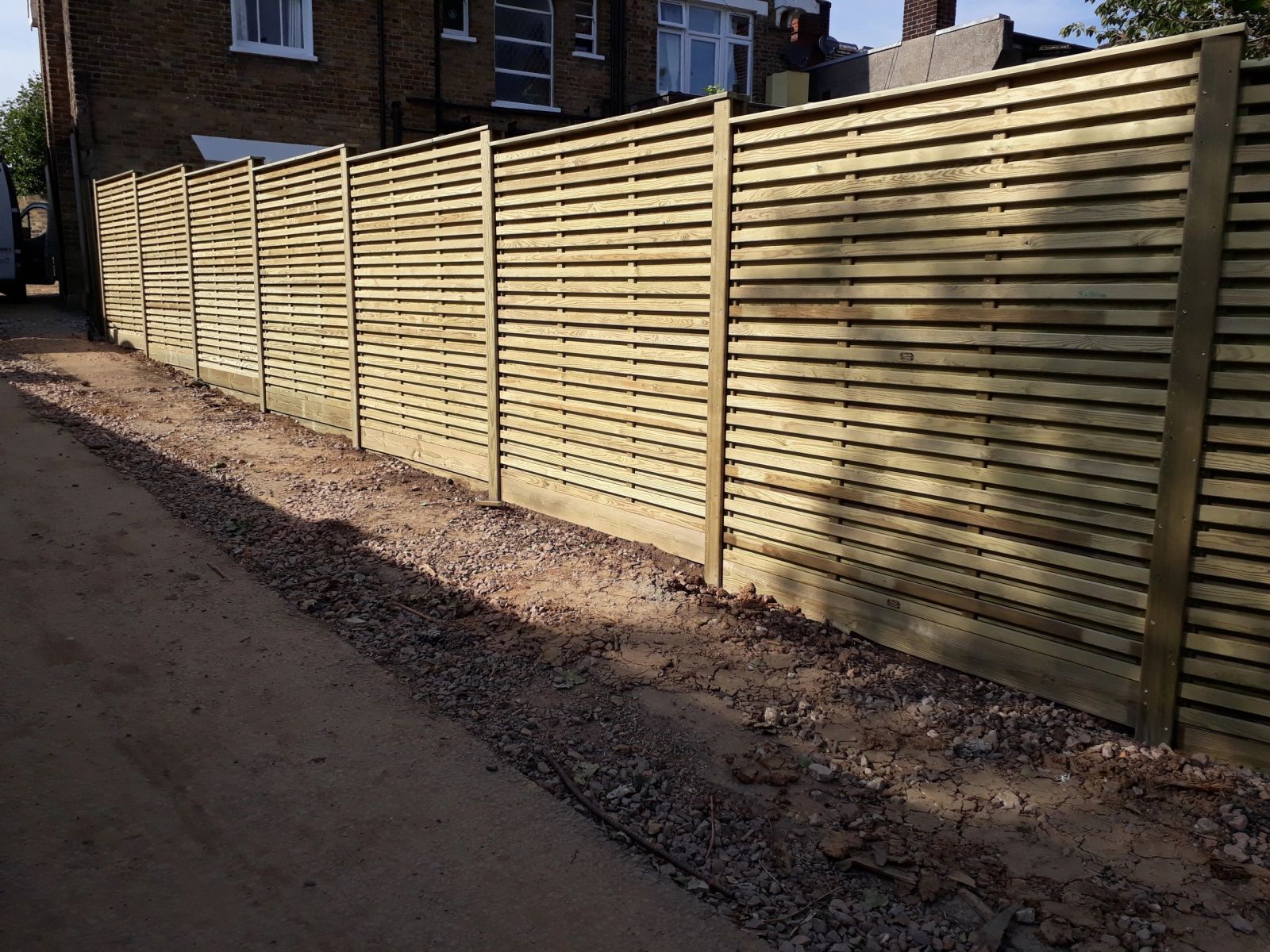
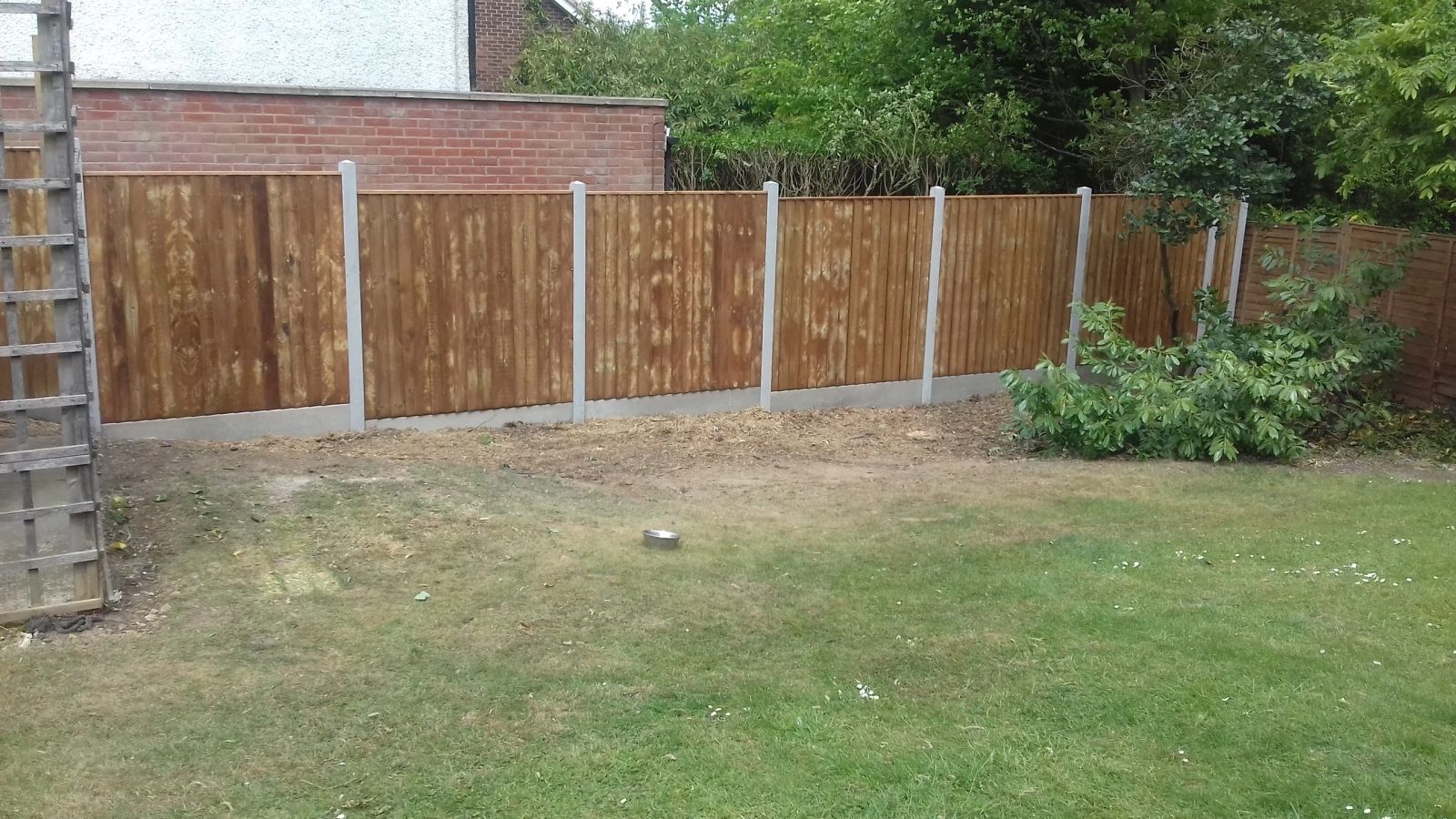
closeboard fence run installed by Capital Fencing in Hitchin (SG4)
Hitchin · SG4 / SG5

School & Nursery Fencing, Hitchin: safeguarding-first spec for market-town centre with Tudor and Georgian buildings

If you're weighing school and nursery fencing for a property in Hitchin, the first thing that matters is climbable geometry and finger-trap points at gate hinges — not the material choice. Once that's settled, bow-top 1.2m for EYFS boundaries is where most of our school and nursery fencing work in SG4 lands, with 358 prison-mesh 1.8m for perimeter and MUGA as a considered alternative. Roads such as Grays Lane and Highbury Road are typical of the local layout. Windmill Hill is a useful local reference point. Walsworth and Westmill estates on the outskirts are mostly 1960s semis with predictable plot sizes.

If you're weighing school and nursery fencing for a property in Hitchin, the first thing that matters is climbable geometry and finger-trap points at gate hinges — not the material choice. Once that's settled, bow-top 1.2m for EYFS boundaries is where most of our school and nursery fencing work in SG4 lands, with 358 prison-mesh 1.8m for perimeter and MUGA as a considered alternative. Roads such as Grays Lane and Highbury Road are typical of the local layout. Windmill Hill is a useful local reference point. Walsworth and Westmill estates on the outskirts are mostly 1960s semis with predictable plot sizes.

Default spec

How we build school and nursery fencing in Hitchin

1.2m or 1.8m bow-top or 358 weld-mesh, hot-dip galvanised then RAL powder-coated posts, self-closing gates with anti-finger-trap hinges. On Hitchin jobs we adjust for hitchin's conservation areas mean the planning team checks anything visible from the street.

Property mix locally: market-town centre with Tudor and Georgian buildings, Victorian terraces on the Walsworth side, and 1930s semis to the west. Typical gardens: varied — small courtyards in the centre, deep rear gardens in Walsworth, sloping plots toward Walsworth Common. Postcodes we regularly service: SG4, SG5.

we install to BS 1722-14 for bow-top and BS 1722-10 for weld-mesh, provide safeguarding-relevant sign-off notes, and can attend outside term time only.

Why this spec, for primary schools, nurseries and early-years settings

  • no horizontal rails at climbable heights — safeguarding-first geometry
  • hot-dip galvanised then powder-coated finishes carry a 25-year service life
  • welded rather than bolted joints so nothing works loose over a school year

Where school and nursery fencing isn't the right answer

  • conservation-area primary schools where planning restricts galvanised finish visible from the street
  • domestic-scale nurseries in a converted house where a timber boundary already meets Ofsted line-of-sight rules

Typical school and nursery fencing briefs in Hitchin

  • 1.8m weld-mesh on galvanised posts around a primary school MUGA
  • bow-top mesh replacing tired timber around a nursery outdoor area

School & Nursery Fencing FAQs — Hitchin

Can the job be scheduled inside a half-term break?

On school and nursery fencing jobs in Hitchin (SG4), our default answer is: 1.2m or 1.8m bow-top or 358 weld-mesh, hot-dip galvanised then RAL powder-coated posts, self-closing gates with anti-finger-trap hinges. We install to BS 1722-14 for bow-top and BS 1722-10 for weld-mesh, provide safeguarding-relevant sign-off notes, and can attend outside term time only.

Are your fitters DBS-checked?

Across Hitchin we spec around hitchin's conservation areas mean the planning team checks anything visible from the street, so on school and nursery fencing that usually means bow-top 1.2m for EYFS boundaries. The honest trade-off is specifying decorative railings with climbable finials near a play area — trips a safeguarding audit every time — which is exactly what our default spec designs out.

Do you supply RAMS and public-liability certificate ahead of works?

North Hertfordshire District coverage means we can survey most SG4 addresses inside a week — primary schools, nurseries and early-years settings needing safeguarding-compliant boundaries. The honest trade-off is specifying decorative railings with climbable finials near a play area — trips a safeguarding audit every time — which is exactly what our default spec designs out.

Do you install to BS 1722 for school fencing?

Practically: bow-top mesh replacing tired timber around a nursery outdoor area. That's the Hitchin version of this job, not a generic one. For context: hot-dip galvanised then powder-coated finishes carry a 25-year service life. Installed to BS 1722 standards, with fitter details available on request.

What height should nursery outdoor fencing be?

On school and nursery fencing jobs in Hitchin (SG4), our default answer is: 1.2m or 1.8m bow-top or 358 weld-mesh, hot-dip galvanised then RAL powder-coated posts, self-closing gates with anti-finger-trap hinges. For context: hot-dip galvanised then powder-coated finishes carry a 25-year service life. Installed to BS 1722 standards, with fitter details available on request.

Recent school & nursery fencing work
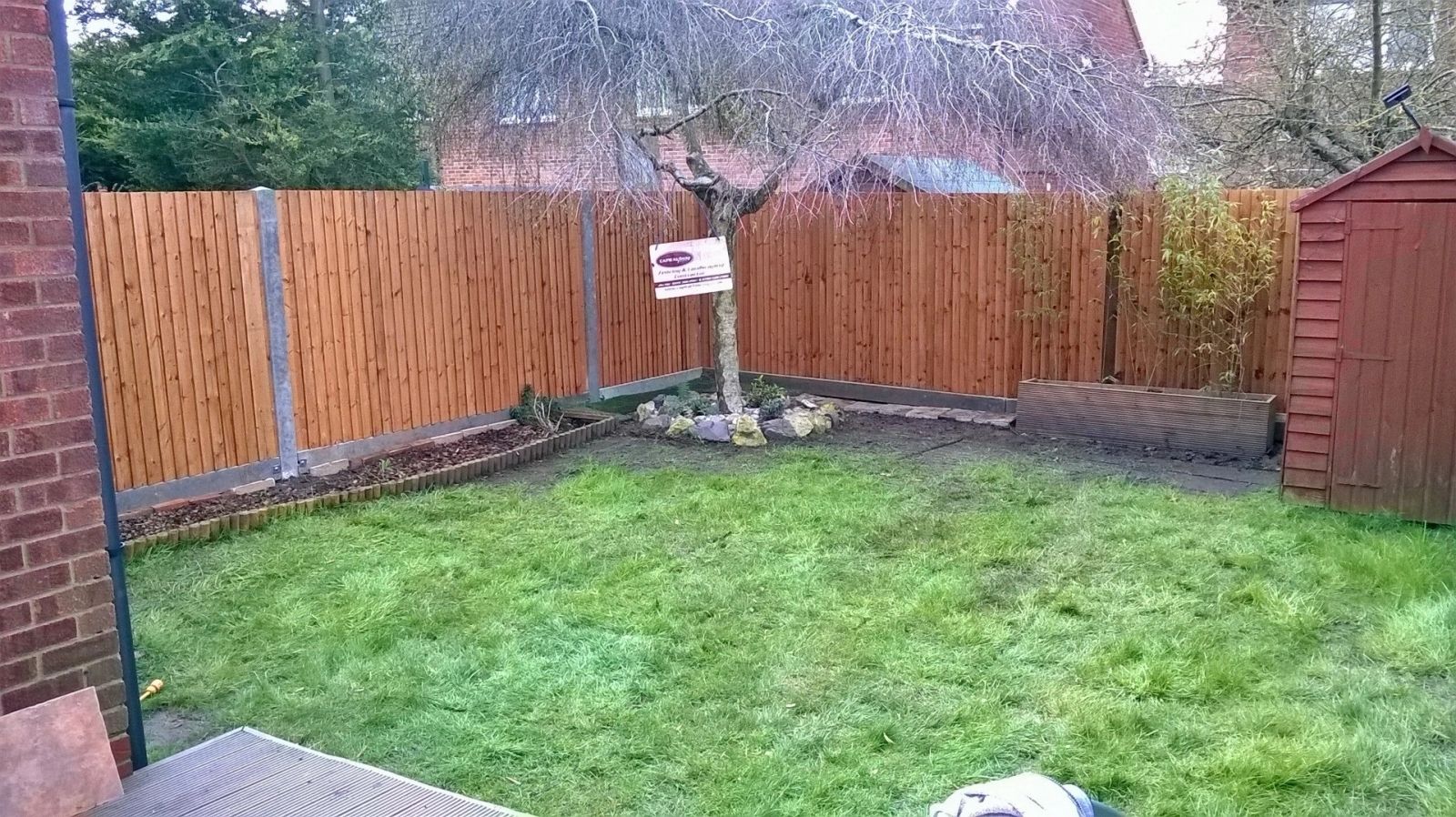
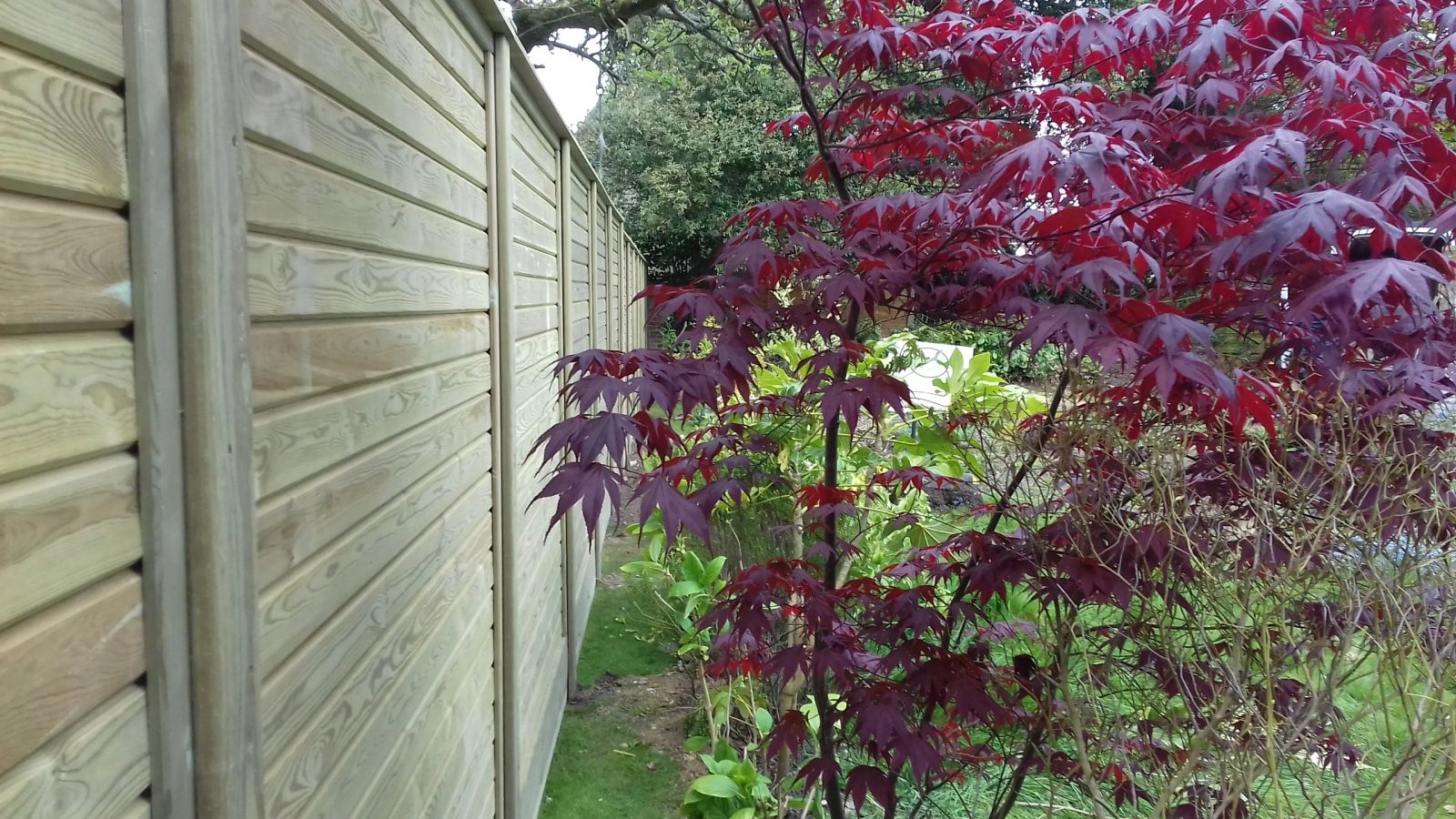
closeboard fence run installed by Capital Fencing in Hitchin (SG4)panel fence install installed by Capital Fencing in Hitchin (SG4)trellis-topped fence installed by Capital Fencing in Hitchin (SG4)bespoke decorative fence installed by Capital Fencing in Hitchin (SG4)

Before you book school & nursery fencing in Hitchin

Matching a new gate to the existing boundary

A replacement gate is sized and detailed to match the piers or posts either side of the opening rather than fitted as a stock size, since a gate that doesn't sit flush against its opening looks obviously replaced even when well built.

Where the surrounding fence has a specific profile or capping detail, the gate frame is matched to it.

Drainage as a repeat cause of failure

Where a post has failed at the base, poor drainage around that specific spot is often the underlying reason rather than simple age — a low point that collects rainwater rots a post from the ground up years before the timber above shows any sign of it.

A repair that resets the post without addressing the drainage at that point risks the same failure recurring within a few seasons.

Painted versus stained finish maintenance

A painted gate hides the timber grain and needs a full film to stay intact, so any crack or chip in that film lets water in behind the coating and can accelerate local rot if left unaddressed.

A stained or oiled finish penetrates the timber rather than sitting as a film, so it wears more evenly and is easier to top up in patches without a full strip-back.

Bin and bike access considerations

A gate used regularly to move bins or bikes through needs enough clear width and a low enough threshold that wheels don't catch, which is a different design priority to a gate that's mostly left closed.

Where this is the main use of a side gate, we factor it into leaf width and threshold detail at repair or replacement time rather than defaulting to a standard pedestrian gate size.

Galvanised versus stainless fixings

Hot-dip galvanised fixings are the standard for most timber fence repairs and resist corrosion well in normal ground and weather conditions at a lower cost than stainless.

Stainless fixings are worth specifying near the coast or where treated timber with a high copper content accelerates corrosion of standard galvanised fittings, since that combination corrodes noticeably faster than inland, untreated timber.

Conservation area consent for boundary works

Conservation area status doesn't ban fence or wall replacement outright, but it does mean the council can ask for materials and detailing that match the street's traditional character, and demolition of an existing wall over a certain height can itself need consent.

Removing or lowering a historic brick boundary wall is the case most likely to need permission, since unlike a simple fence swap it counts as demolition of a structure that contributes to the area's appearance.

The safest route on any period property is a short pre-application check with the conservation officer, since 'like for like' replacement is treated differently to a change of material or height.

Surface-water run-off across a boundary

Where one garden sits higher than its neighbour, or has a hard surface that sheds rain quickly, surface water often crosses the boundary line rather than staying on the plot it fell on.

A solid close-boarded fence with gravel boards set into the ground can act as an unintended dam, backing water up against the base and accelerating rot in the boards nearest the high side.

A small gap under the boards, or a French drain running parallel to the fence line, lets water pass through without saturating the timber, and is worth raising with a client before installation rather than after a wet winter.

Key-alike locking across multiple gates

Where a property has several gates, key-alike cylinders let one key operate all of them instead of carrying a separate key for each, which is a straightforward upgrade at the point locks are being replaced anyway.

This needs cylinders sourced as a matched set from the outset rather than retrofitted individually afterwards.

Fencing compared with a boundary wall

A masonry boundary wall generally costs more and takes longer to build than an equivalent length of timber fencing, but needs far less routine maintenance over its lifetime and can outlast several generations of fence replacement.

Walls also carry their own structural considerations — foundation depth, movement joints on longer runs, and retaining requirements on a sloping plot — that a fence largely avoids.

Mixing the two, a low wall topped with railings or a timber panel, is a common way to get some of a wall's permanence and kerb appeal without the full cost of a wall along an entire boundary.

Slotted versus morticed concrete posts

Slotted concrete posts have a continuous groove cast into two or four faces so panels slide down into the slot from above, which makes them fast to erect but means every panel in a run has to come out to replace one in the middle.

Morticed concrete posts have discrete rectangular pockets for arris rail ends instead, matching closeboard or panel construction where individual boards or panels can be replaced without disturbing the rest of the run.

The choice is largely dictated by the fencing system being used — panel fencing wants slotted posts, boarded fencing wants morticed — rather than being a free preference at quote stage.

Stainless fixings near a road

Fixings on a gate close to a public road pick up more airborne grit, salt spray in winter and general moisture than one set back in a garden, which accelerates corrosion on standard galvanised screws and bolts.

Stainless steel fixings cost more but resist this environment noticeably better, and are worth specifying on any roadside gate repair.

Timber strength grading classes

Structural timber is graded into strength classes such as C16 or C24 based on visual inspection of defects like knots and slope of grain, or by machine stress grading that measures stiffness directly.

C24 timber has been graded to a higher strength and stiffness threshold than C16, and is specified where a structural calculation demands it, such as a longer unsupported gate post span, rather than chosen purely by appearance.

Fencing timber is rarely strength-graded in the same formal way as construction timber, which is one reason gate posts subject to real structural calculation sometimes specify a graded section rather than standard fencing stock.

Protecting known cable and pipe runs during digging

Where a service run is known — marked by the utility company, visible from a meter or duct cover, or noted on a site plan — a physical marker or hand-dug trial pit at that point before general digging starts confirms its exact depth and route.

Once a service is located, leaving a visible marker such as a cane or spray line on the surface stops it being forgotten by whoever digs the next hole along the run, particularly on a multi-day job with different people digging on different days.

Ducted services are generally easier to work around than direct-buried cables since the duct itself gives some protection, but the duct can still be damaged by an auger or breaker if its depth isn't confirmed first.

Supplementing a hedge line boundary with security fencing

A mature hedge gives limited security on its own because gaps at the base and thin patches higher up both offer a way through, so a low stock fence or mesh run installed within or just behind the hedge line closes those gaps without removing the hedge's screening value.

The supporting fence is set back enough from the hedge to allow future trimming access, since a fence built hard against the hedge line makes routine maintenance of the hedge itself far harder.

Fencing next to a railway line

Gardens backing directly onto an operational railway usually have a boundary that belongs to the railway infrastructure owner rather than the homeowner, and any work near that boundary needs their agreement rather than being treated as a standard garden fence job.

Vibration from passing trains is a genuine consideration for post stability on ground close to the tracks, and residents commonly want additional sound-deadening in the fence specification for the same reason.

Access for maintaining a railway-side boundary is often restricted to the rail side only, which changes which side of the fence a repair crew can realistically work from.

Movement joints in timber cladding

Timber cladding boards fixed edge to edge without any allowance for seasonal expansion can buckle or split as the boards swell in wet weather and have nowhere to expand into.

A small gap left between board ends, or a slightly loose fixing pattern that allows a board to expand slightly within its fixing slots, accommodates this movement without transferring stress into the board itself.

The required gap varies by species and board width, since wider boards and more moisture-reactive species move more in absolute terms than narrow boards of a stable species for the same change in humidity.

Allotments and community gardens

Allotment sites are typically let by the local authority or an allotment association under a tenancy agreement that sets rules on plot boundary fencing, often restricting height and material to keep sightlines open across the site.

Individual plot fencing usually needs to stop short of shared paths and communal water points, and materials have to be carried in by hand or barrow since most allotment sites don't allow vehicle access beyond a car park at the entrance.

Community garden boundaries also often need a design that keeps the plot secure from casual access out of hours while remaining welcoming during open sessions, which is a different brief from a private garden fence.

Controlling dust and debris close to a neighbour

Angle grinding a metal fixing or breaking out an old concrete footing throws dust and fine debris further than expected, which matters on a repair close to a neighbour's washing line, patio furniture or parked car.

Sheeting off the immediate work area and clearing debris before leaving site each day is worth doing even on a short repair, since a small job that leaves a mess behind causes disproportionate friction with a neighbour compared with the size of the work itself.

Stumps in the fence line

An old hedge or tree stump sitting directly on the new fence line needs grinding or digging out before a post can go in, since a post set against or on top of decaying root wood will eventually settle as that timber breaks down.

Stump grinding leaves a mix of wood chip and soil that compacts poorly, so backfilling a post hole in that material generally needs a wider excavation and imported hardcore rather than reusing the arisings.

Where a stump is close to but not on the line, it's often quicker to shift the post position slightly than to fully remove a large root system.

Fencing a boundary alongside a watercourse

A boundary running alongside a stream, ditch or river usually needs consent from the relevant authority before fencing work close to the watercourse, since works within a defined distance of the bank can affect flood flow or maintenance access.

Posts are kept clear of the bank edge itself where erosion risk is present, and a fence design that could trap floating debris during high flow is generally avoided in favour of an open rail or wire design on that specific stretch.

Gate swing clearance where a dropped kerb serves vehicle access

A security gate installed behind a dropped kerb needs enough setback from the highway boundary that an opening gate leaf never swings into the public footway or carriageway, which local authorities generally require as a condition of the dropped kerb itself.

A sliding gate avoids this swing clearance problem entirely and is often the preferred choice where the plot is shallow, though it needs a clear running track free of obstruction along its full travel length.

Rights of access to maintain a boundary

Some older deeds include an explicit right for a neighbour to enter adjoining land to maintain their side of a boundary structure, but this isn't automatic everywhere and shouldn't be assumed.

Where no such right exists in the paperwork, entering a neighbour's garden to repair or replace a fence normally needs their permission, arranged directly rather than taken for granted.

The Access to Neighbouring Land Act 1992 provides a separate, more formal route for essential works where agreement can't be reached, though it's aimed at more serious situations than routine fence replacement.

On school and nursery fencing in Hitchin you get the same crew from first site visit to hand-over. That's the whole model — small team, safeguarding-first spec, written quote before we start. Roads such as Westmill Lane and Highbury Road are typical of the local layout. Hitchin Market Square is a useful local reference point. Walsworth and Westmill estates on the outskirts are mostly 1960s semis with predictable plot sizes.

Get In Touch

Get My Free Quote — 24h Response

No callout fee · Free site visit · Friendly local team covering London & Hertfordshire.

Call us
07885907880
or 02036484746
Email
capital_fencing@yahoo.com
WhatsApp
Message us anytime
Area
London & Hertfordshire
Payment
Card payments accepted

Pay by debit or credit card, bank transfer or cash once the work and price are agreed. No deposit taken online.

Request a Free Quote

We'll get back to you within 24 hours.

Free Site Visit No Callout Fee
Call WhatsAppQuote