London & Hertfordshire Free Site Visit
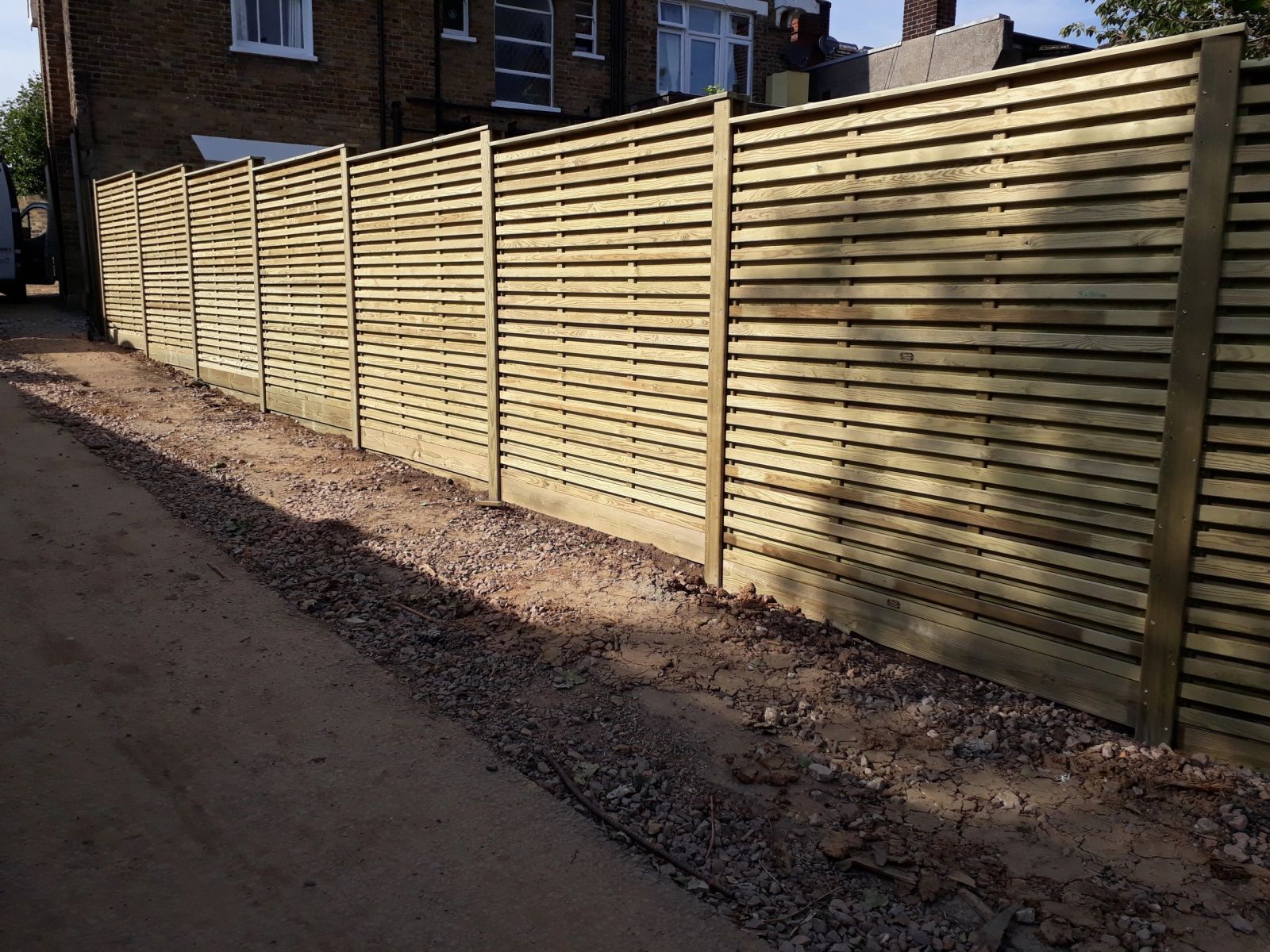
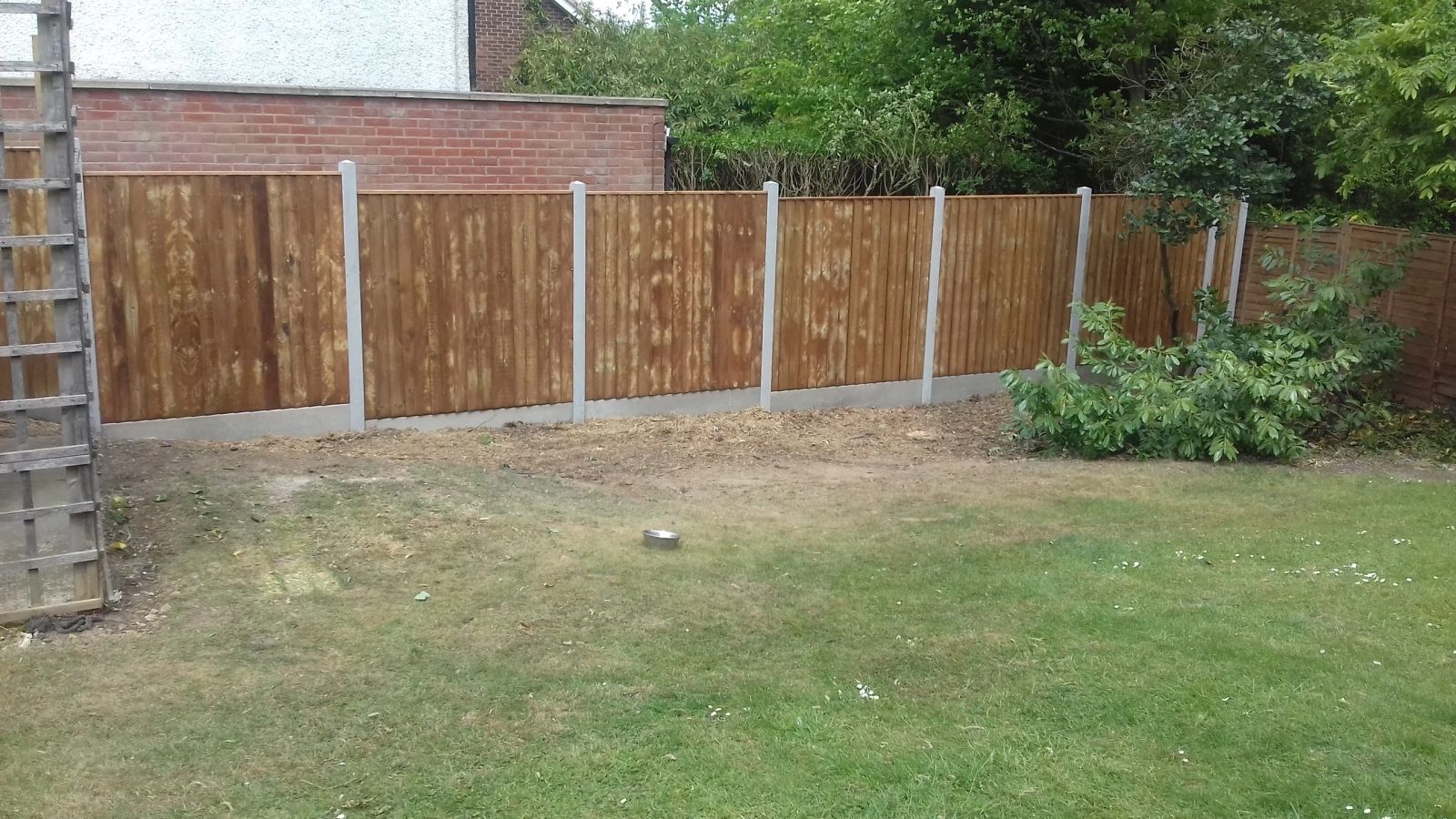
closeboard fence run installed by Capital Fencing in Hitchin (SG4)
Hitchin · SG4 / SG5

Landlord Fencing in Hitchin — Built for tenancy turnaround windows and inventory sign-off

We approach landlord-grade fencing in Hitchin from the failure end backwards. Cheapest lap panels racking in wind because posts were shallow — we always concrete to 600mm minimum on landlord work — that's the single most common thing we're called back to fix, and it's the first thing our spec addresses. Roads such as Bancroft and Grays Lane are typical of the local layout. Priory Park is a useful local reference point. The town sits in a chalk valley with the River Hiz running through the centre, so the streets nearest the water lie lower than Windmill Hill behind them.

We approach landlord-grade fencing in Hitchin from the failure end backwards. Cheapest lap panels racking in wind because posts were shallow — we always concrete to 600mm minimum on landlord work — that's the single most common thing we're called back to fix, and it's the first thing our spec addresses. Roads such as Bancroft and Grays Lane are typical of the local layout. Priory Park is a useful local reference point. The town sits in a chalk valley with the River Hiz running through the centre, so the streets nearest the water lie lower than Windmill Hill behind them.

Typical landlord-grade fencing briefs in Hitchin

  • cheapest defensible spec that will still stand up to the next storm and inventory
  • matched fencing across three or four adjacent rental plots owned by one landlord

Why this spec, for buy-to-let owners and letting agents

  • individual boards or single panels can be swapped without touching the whole run
  • concrete posts and gravel boards keep the ground contact off the timber — that's where landlord fences usually fail
  • one crew, one price sheet across multiple properties — inventory-friendly for portfolio owners
Default spec

How we build landlord-grade fencing in Hitchin

6ft closeboard on concrete posts with gravel boards, mid-rail capped, softwood side gate with padlock hasp. On Hitchin jobs we adjust for hitchin's conservation areas mean the planning team checks anything visible from the street.

Property mix locally: market-town centre with Tudor and Georgian buildings, Victorian terraces on the Walsworth side, and 1930s semis to the west. Typical gardens: varied — small courtyards in the centre, deep rear gardens in Walsworth, sloping plots toward Walsworth Common. Postcodes we regularly service: SG4, SG5.

we bill via one purchase order across a portfolio, provide before/after photos for the inventory clerk, and can be on and off site inside a tenancy void.

Where landlord-grade fencing isn't the right answer

  • listed buildings and conservation frontages where painted picket or estate railings are the only compliant option
  • commercial forecourts needing bar-and-rail or palisade rather than domestic-grade timber

Landlord Fencing FAQs — Hitchin

Do you handle the removal and skip for the old fence?

On landlord-grade fencing jobs in Hitchin (SG4), our default answer is: 6ft closeboard on concrete posts with gravel boards, mid-rail capped, softwood side gate with padlock hasp. The honest trade-off is cheapest lap panels racking in wind because posts were shallow — we always concrete to 600mm minimum on landlord work — which is exactly what our default spec designs out.

Can you match existing fencing across neighbouring rental plots?

Across Hitchin we spec around hitchin's conservation areas mean the planning team checks anything visible from the street, so on landlord-grade fencing that usually means pressure-treated closeboard on concrete posts. We bill via one purchase order across a portfolio, provide before/after photos for the inventory clerk, and can be on and off site inside a tenancy void.

Can you turn a rental boundary around between tenancies?

North Hertfordshire District coverage means we can survey most SG4 addresses inside a week — buy-to-let owners and letting agents needing durable boundaries between tenancies. For context: concrete posts and gravel boards keep the ground contact off the timber — that's where landlord fences usually fail. One crew, one price sheet, before-and-after photos as standard.

What's the cheapest defensible spec you'd stand behind for a rental?

Practically: boundary run replaced between two tenancies inside a single working week. That's the Hitchin version of this job, not a generic one. The honest trade-off is cheapest lap panels racking in wind because posts were shallow — we always concrete to 600mm minimum on landlord work — which is exactly what our default spec designs out.

Can before-and-after photos be provided for the inventory?

On landlord-grade fencing jobs in Hitchin (SG4), our default answer is: 6ft closeboard on concrete posts with gravel boards, mid-rail capped, softwood side gate with padlock hasp. We bill via one purchase order across a portfolio, provide before/after photos for the inventory clerk, and can be on and off site inside a tenancy void.

Recent landlord fencing work
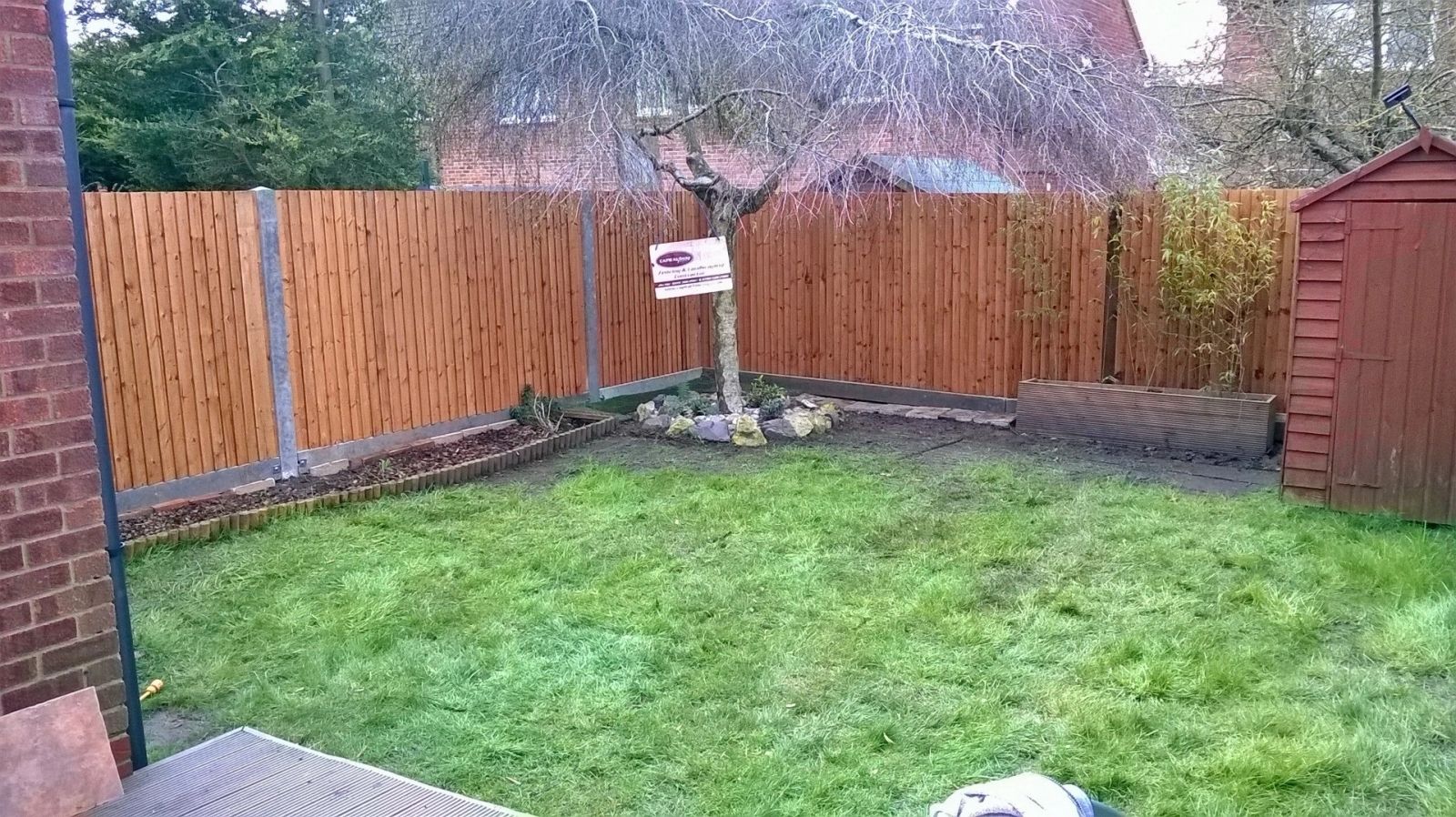
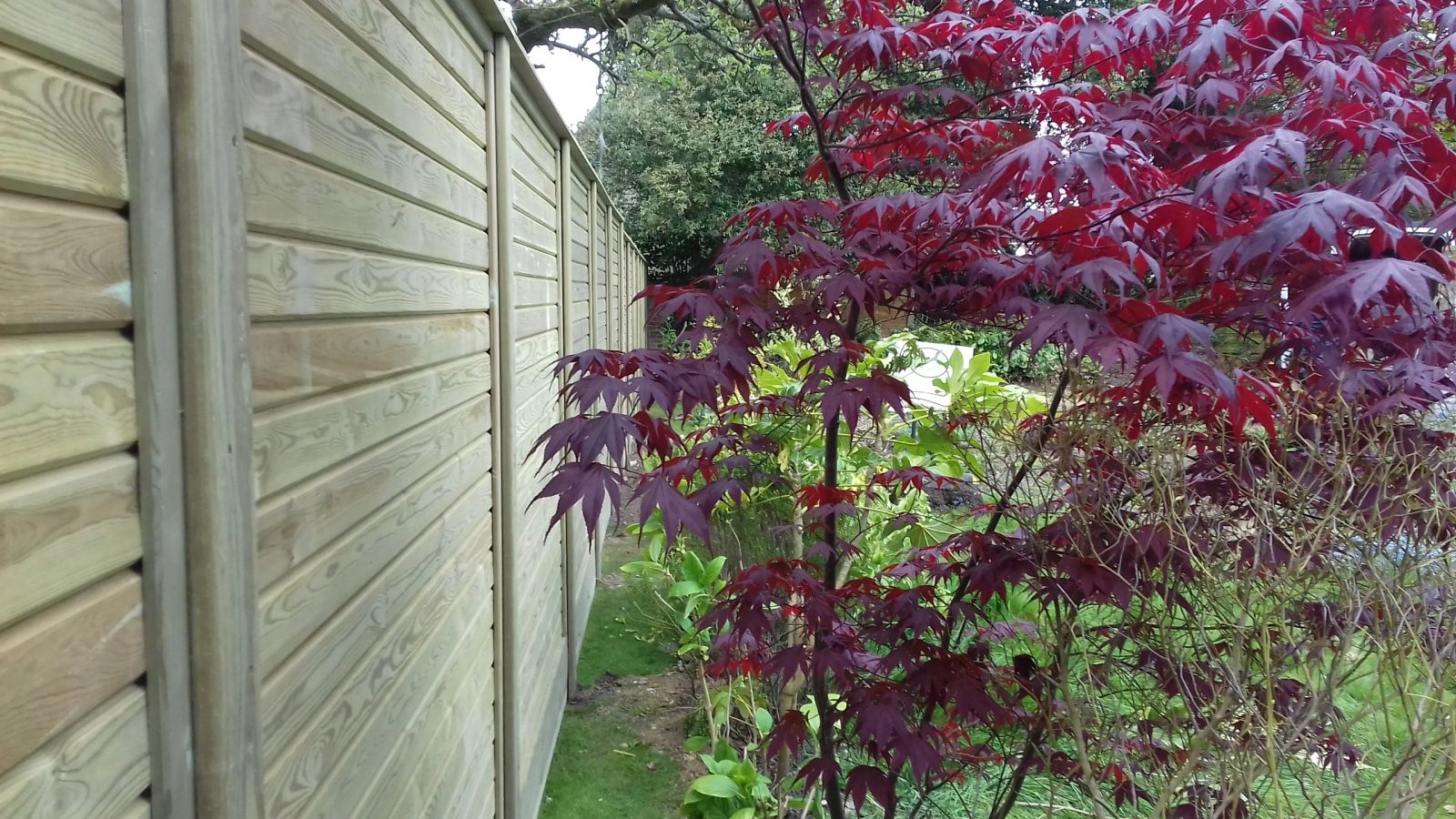
closeboard fence run installed by Capital Fencing in Hitchin (SG4)panel fence install installed by Capital Fencing in Hitchin (SG4)trellis-topped fence installed by Capital Fencing in Hitchin (SG4)bespoke decorative fence installed by Capital Fencing in Hitchin (SG4)

Site notes: landlord fencing in SG4

Applying to modify or discharge an old covenant

Where an old restrictive covenant genuinely no longer serves a useful purpose, it's possible to apply to the Upper Tribunal (Lands Chamber) to have it modified or discharged, though this is a formal legal process rather than a quick fix.

This route is generally used where a covenant is preventing otherwise sensible work and informal agreement with whoever benefits from it can't be reached.

Given the legal complexity involved, this is very much a solicitor-led process rather than something to attempt without professional advice.

Diagnosing an uneven gap between gate and post

A gap that's wider at the top than the bottom, or vice versa, between a gate and its latch post usually indicates the gate has racked out of square rather than simply dropped evenly, which is a frame issue rather than a hinge-height issue.

Measuring the gap at both top and bottom before starting a repair helps distinguish a racking fault from a straightforward drop, since the two need different corrections.

Fixings into a party wall during a fence repair

Where a timber fence butts up against a party wall shared between two properties, repair work touching the wall itself — drilling new fixings, removing old brackets — can fall under party wall considerations separate from the fence repair.

In practice this mostly matters for anything beyond reusing existing fixing points; a straightforward like-for-like refit into the same holes rarely raises an issue, but a new fixing pattern into the wall is worth flagging to the client first.

Protecting known cable and pipe runs during digging

Where a service run is known — marked by the utility company, visible from a meter or duct cover, or noted on a site plan — a physical marker or hand-dug trial pit at that point before general digging starts confirms its exact depth and route.

Once a service is located, leaving a visible marker such as a cane or spray line on the surface stops it being forgotten by whoever digs the next hole along the run, particularly on a multi-day job with different people digging on different days.

Ducted services are generally easier to work around than direct-buried cables since the duct itself gives some protection, but the duct can still be damaged by an auger or breaker if its depth isn't confirmed first.

Choosing a self-closing mechanism for pool or drive gates

A spring-loaded hinge, hydraulic closer, or gravity-hinge design (where the hinge itself is angled so the gate swings closed under its own weight) each achieve self-closing in a different way, with different maintenance needs and different feel in use.

Gravity hinges are mechanically simple and low-maintenance but rely on the gate post and hinge post staying accurately set, since any settling changes the closing behaviour.

Hydraulic or spring closers give a more consistent, adjustable close but are an additional mechanical component that itself needs occasional servicing or replacement over the gate's life.

Keeps and hasps for padlocking

A keep holds a sliding or dropping latch bar, while a hasp is the separate hinged plate that a padlock passes through — the two are often confused but serve different jobs and aren't interchangeable on most gate designs.

Hasp screws are a common weak point since they're fitted from the accessible face; through-bolting a hasp gives more resistance to forcing than screws alone.

Checking cumulative ground level change along a long boundary

A gentle, barely perceptible slope checked only between adjacent posts can still add up to a substantial total fall over a long boundary, which is easy to miss without measuring from a single fixed datum along the whole run.

Taking level readings from one datum point at both ends and at intervals along the run, rather than only comparing each post to its immediate neighbour, reveals the true overall fall before panel and post heights are finalised.

This matters most for ordering materials in advance, since a run that turns out to need more steps or a longer rake than first estimated can mean extra cut panels or capping that weren't in the original take-off.

Rights of access to maintain a boundary

Some older deeds include an explicit right for a neighbour to enter adjoining land to maintain their side of a boundary structure, but this isn't automatic everywhere and shouldn't be assumed.

Where no such right exists in the paperwork, entering a neighbour's garden to repair or replace a fence normally needs their permission, arranged directly rather than taken for granted.

The Access to Neighbouring Land Act 1992 provides a separate, more formal route for essential works where agreement can't be reached, though it's aimed at more serious situations than routine fence replacement.

Keeping fence design clear of utility meter access points

Gas, electric and water meter boxes set into or near a boundary wall or fence line need to remain accessible for reading and emergency isolation, so a new fence or gate design shouldn't block or panel over an existing meter box without providing an equivalent access route.

This is occasionally missed on a full boundary replacement where the new design closes up an old gap that happened to give meter access, leading to a return visit to cut an access panel back in.

Checking for meter boxes and stopcock covers along the boundary line during survey avoids this rework.

Concreting a hanging post deeper than the run

Because the hanging post carries more leverage than a standard line post, it's often set deeper into the ground and into a larger concrete base than the rest of the boundary, even where the fence posts either side are set to a standard depth.

Skipping this extra depth on the hanging post specifically is a common reason a gate post leans within a few years while the rest of the run stays sound.

Historic planning conditions overriding permitted development

Some properties, particularly newer housing developments, have a specific planning condition attached to their original permission that restricts boundary treatments beyond the normal permitted development rules.

These conditions remain in force indefinitely unless formally varied or removed, regardless of how long ago the development was built.

Checking the property's planning history on the council's online planning register is a quick way to spot this kind of condition before assuming standard permitted development rights apply.

Restrictive covenants on newer estates

Many post-war and modern estates carry restrictive covenants in the original transfer deeds that go beyond planning law, commonly limiting fence height, requiring a specific style, or banning solid boundary treatments on front gardens entirely to preserve open-plan sightlines.

These covenants are a private legal matter between landowner and the estate's management company or original developer, so full planning permission being unnecessary doesn't mean the fence is automatically allowed.

Breach of covenant is usually enforced by a neighbour, resident's association or management company rather than the council, and can result in a requirement to remove the work at the owner's cost, so checking the title register for covenants before ordering is worthwhile on any estate build.

Decking joist spans by board thickness

Joist spacing for a deck is set by the thickness and species of the board being laid over it, not by a single universal figure — a standard 28mm softwood board typically wants joists no more than about 400-450mm apart, while thinner composite boards often need closer spacing again.

Manufacturers publish specific span tables for their composite products because the flex characteristics differ from timber, and installing outside those tables is one of the most common causes of a bouncy or springy deck.

Diagonal laying patterns also reduce the safe span compared with a straight run, since the board is effectively supported at a shorter distance along its length.

Fencing shared or communal garden spaces

Communal gardens shared by several properties usually need any new fencing agreed by the group or managing body rather than one resident acting unilaterally, since a partition can change how the whole space is used.

Where a communal garden includes mature planting or trees under a collective management plan, new fence lines need checking against that plan rather than just against the ground itself.

Access routes for maintenance vehicles or refuse collection through a communal garden also need to stay clear when planning new subdivisions with fencing.

TPO and conservation-area tree rules

A Tree Preservation Order protects a specific tree, group or woodland, and covers root damage as well as felling or pruning, so unauthorised digging within its root zone is a legal matter, not just good practice.

Trees within a conservation area that aren't individually protected by a TPO still usually require six weeks' written notice to the council before any work, giving the authority a chance to consider a TPO if it judges the tree merits protection.

Checking the council's TPO register and conservation area boundary before excavation is a five-minute task that avoids a potentially serious enforcement issue later.

Run-off from a neighbour's hardstanding

A neighbouring driveway, patio or other hard surface that slopes toward a shared boundary sends its rainfall run-off directly onto the adjoining plot rather than allowing it to soak away locally, and that concentrated flow is often worse than ordinary rainfall on open ground.

A fence sitting in the path of that run-off can see its base saturated far more often than the rest of the same run, shortening the life of posts and gravel boards at that point specifically.

Where this is a known issue, a shallow channel or permeable strip along the fence line intercepts the flow before it reaches the timber, rather than leaving the fence itself to act as the only barrier.

Picket profiles and spacing

Picket fencing is defined as much by the top profile of each paling — pointed, rounded, flat or 'gothic' — as by the gap between them, and both are usually specified rather than left to whatever the yard has in stock.

A tighter spacing, close to the paling's own width, gives a more solid boundary marker and better contains small pets; a wider spacing is more open and traditionally cottage-garden in character but does less to define a boundary.

Picket is a low-privacy, low-height fence by design, generally under a metre, and isn't a substitute for a taller closeboard or panel run where genuine screening is the aim.

Conservation area material rules

Inside a conservation area, the council can restrict fence height, colour and material even within otherwise-permitted development limits, usually through an Article 4 direction that removes some of the usual PD rights.

The common ask is close-boarded or picket timber in a natural or traditionally painted finish rather than modern composite or bright stains, particularly on frontages visible from the street.

For a listed building itself, or land within its curtilage, listed building consent can apply even to a garden fence, so it's worth a call to the conservation officer before committing to a spec.

Repair-versus-replace where the original fence style is discontinued

Where a damaged section uses a panel style, board profile or post section that's no longer manufactured, a close match might be achievable for a small repair, but a larger area of damage can tip the balance toward replacing the whole run in a current style rather than chasing an increasingly poor match.

This is a judgement client conversation as much as a technical one, since some clients prioritise keeping the existing look even with a visible join, while others would rather have a uniform new run.

Mixing old and new timber colour on a repair

Freshly treated timber is noticeably lighter or greener than an older run that's already weathered, and that colour difference is temporary rather than a defect, evening out over the first year or two of UV exposure and weathering.

Where colour match matters immediately, a treatment or stain closer to the weathered tone can be applied to the new timber, though it won't be an exact match on day one.

Maintaining ground sockets for gate drop bolts

A drop bolt socket set into the ground or a hardstanding surface collects grit, leaves and standing water over time, and a socket that isn't kept clear will stop the bolt seating fully, leaving a gate leaf that looks locked but isn't actually secured at that point.

Clearing and lightly lubricating the socket as part of routine maintenance is a small task that prevents a far more disruptive failure where a socket has to be dug out and reset after becoming completely blocked.

Hinge pin wear and greasing

A band-and-gudgeon or heavy tee hinge relies on a pin bearing surface that wears over years of use, and a worn pin lets the gate drop slightly at that hinge even when the fixings into the post are still sound.

Greasing the pin periodically slows this wear considerably, and on an older gate that's started to drop, checking pin wear before assuming a post or fixing fault saves an unnecessary repair.

Whether the brief is boundary run replaced between two tenancies inside a single working week or matched fencing across three or four adjacent rental plots owned by one landlord, we quote it from a site visit, not a photo. Hitchin is inside our core working patch and most jobs are booked in inside a fortnight. Roads such as Bedford Road and Tilehouse Street are typical of the local layout. Butts Close is a useful local reference point. The town sits in a chalk valley with the River Hiz running through the centre, so the streets nearest the water lie lower than Windmill Hill behind them.

Get In Touch

Get My Free Quote — 24h Response

No callout fee · Free site visit · Friendly local team covering London & Hertfordshire.

Call us
07885907880
or 02036484746
Email
capital_fencing@yahoo.com
WhatsApp
Message us anytime
Area
London & Hertfordshire
Payment
Card payments accepted

Pay by debit or credit card, bank transfer or cash once the work and price are agreed. No deposit taken online.

Request a Free Quote

We'll get back to you within 24 hours.

Free Site Visit No Callout Fee
Call WhatsAppQuote