London & Hertfordshire Free Site Visit
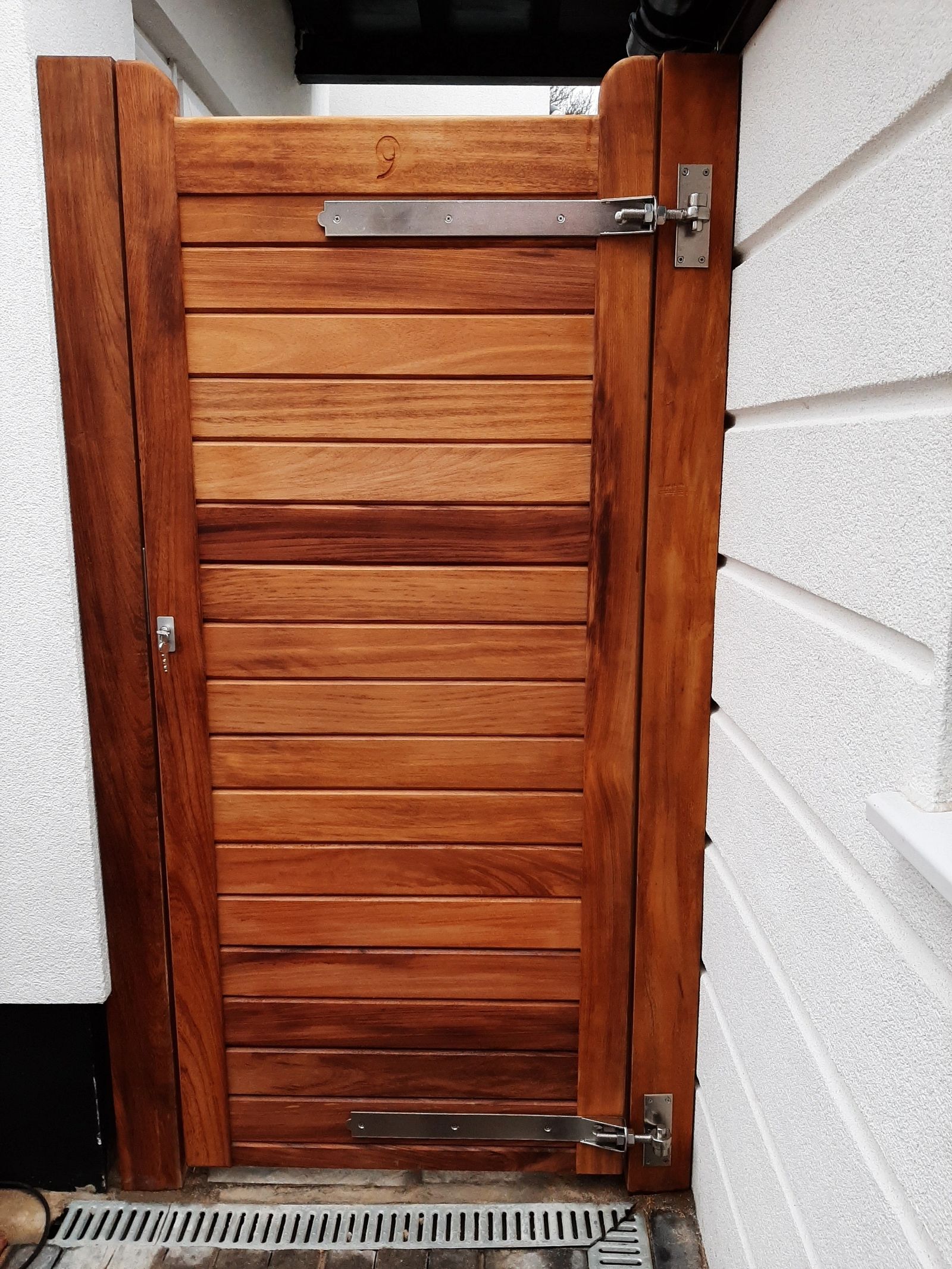
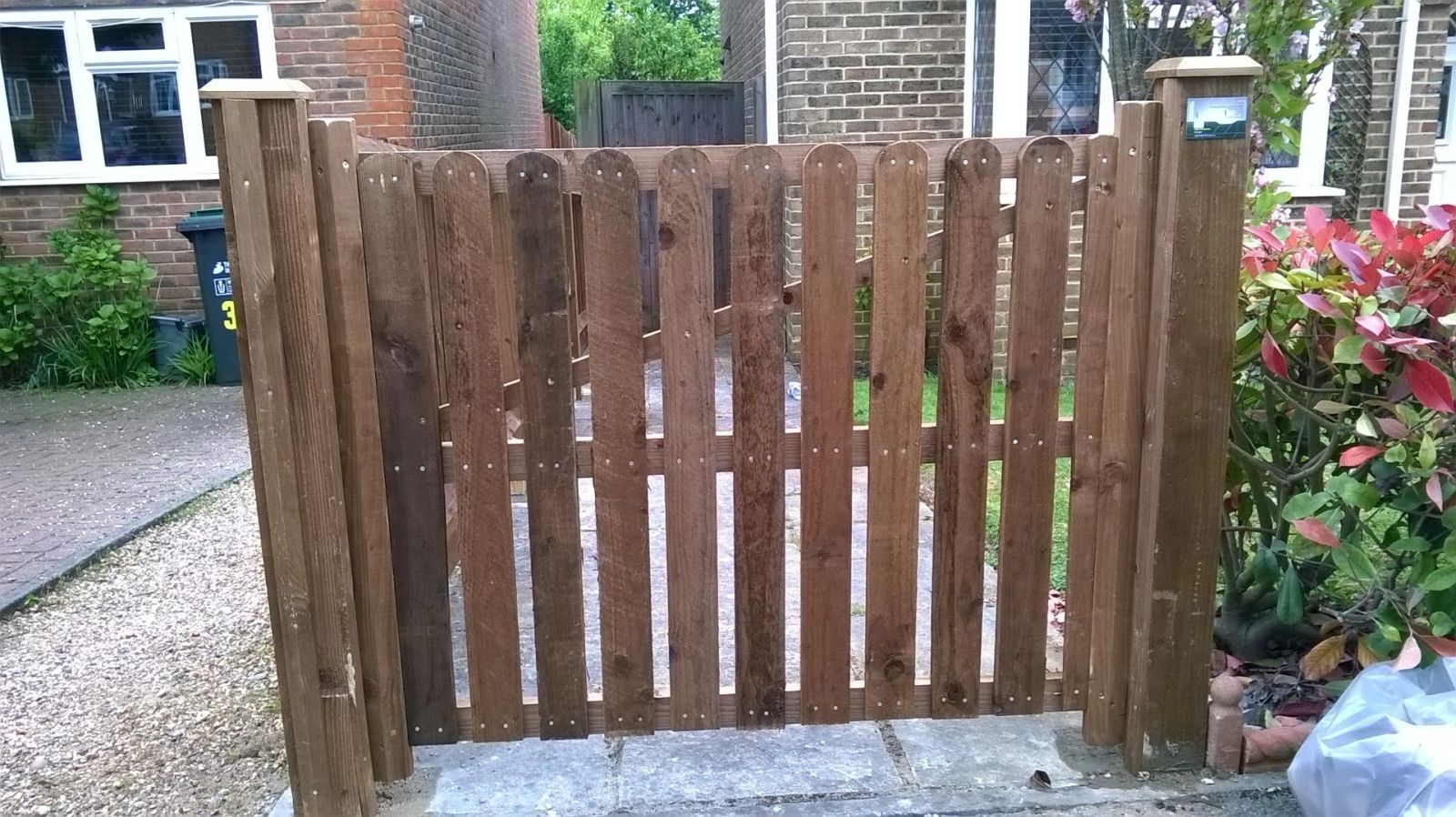
bespoke wooden gate installed by Capital Fencing in Haringey (N4)
Haringey · N4 / N8 / N15 / N17 / N22

Security & Access Gates in Haringey — Built for how the structure performs under real use, not a showroom drawing

Security access gates in Haringey is one of our regular briefs — residential and small-commercial clients wanting secure access — anti-lift hinges, deadlocking, prep for entry systems. On victorian terraces (harringay ladder with long thin Victorian rear gardens with London clay and mature street trees, the failure mode we see most often is the one we design out first. Roads such as Wightman Road and Green Lanes are typical of the local layout. Finsbury Park (north edge) is a useful local reference point. The Ladder streets have long, narrow rear gardens with alley access at the ends of some blocks, while the wider Edwardian roads around Alexandra Park Road have side returns wide enough for a gate.

Security access gates in Haringey is one of our regular briefs — residential and small-commercial clients wanting secure access — anti-lift hinges, deadlocking, prep for entry systems. On victorian terraces (harringay ladder with long thin Victorian rear gardens with London clay and mature street trees, the failure mode we see most often is the one we design out first. Roads such as Wightman Road and Green Lanes are typical of the local layout. Finsbury Park (north edge) is a useful local reference point. The Ladder streets have long, narrow rear gardens with alley access at the ends of some blocks, while the wider Edwardian roads around Alexandra Park Road have side returns wide enough for a gate.

Typical security access gates briefs in Haringey

  • matched pedestrian and vehicle gates cabled for GSM intercom and keypad entry
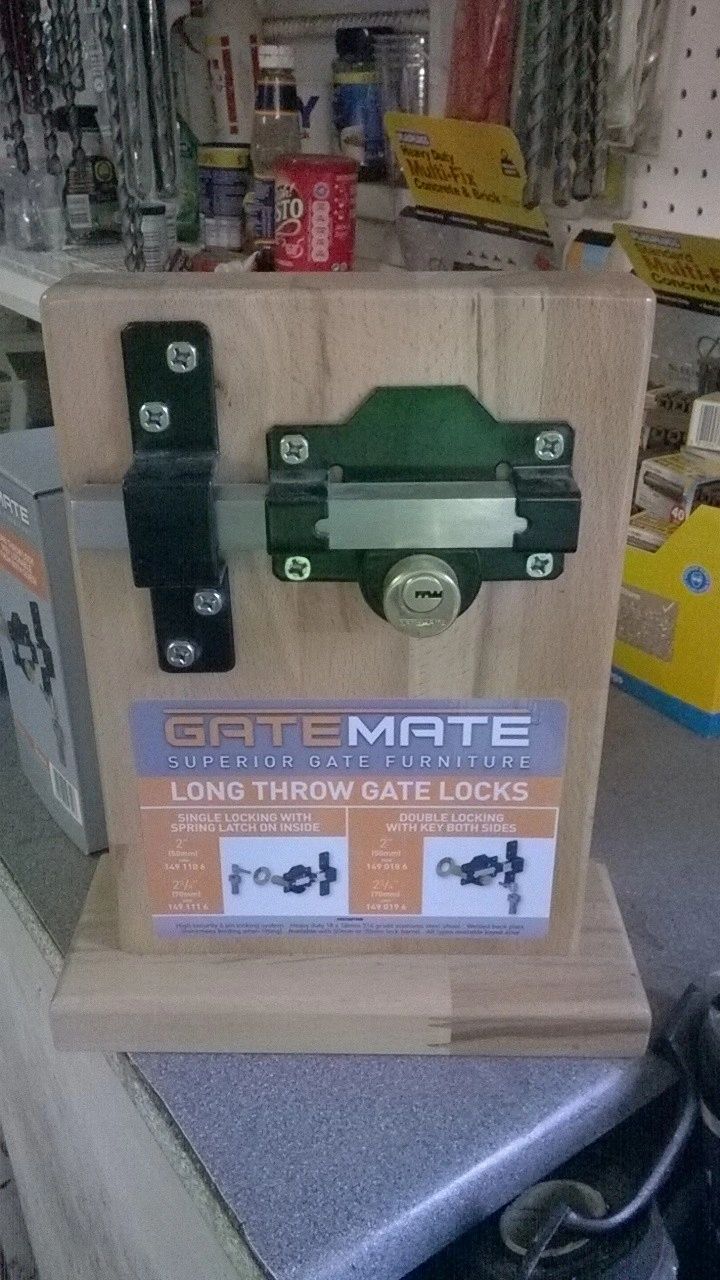
  • hardwood driveway gates with anti-lift hinges, key-lockable drop bolt and prep for intercom cabling

Why this spec, for residential and small-commercial clients wanting secure access — anti-lift hinges, deadlocking, prep for entry systems

  • anti-lift hinge geometry as standard — a swing gate should not lift off the pins
  • prep work done for automation and access control even when it's phased for later
  • we co-ordinate with the intercom, mag-lock or GSM installer so cabling routes are right first time
Default spec

How we build security access gates in Haringey

steel or hardwood framed, anti-lift ball-race hinges, deadlocking hardware, cabling duct pre-run to the intercom position. On Haringey jobs we adjust for ladder-street back-to-back gardens mean every fence run has two owners and three neighbours to keep informed.

Property mix locally: Victorian terraces (Harringay Ladder, Crouch End), 1930s semis in Muswell Hill, and post-war estates around Tottenham. Typical gardens: long thin Victorian rear gardens with London clay and mature street trees. Postcodes we regularly service: N4, N8, N15, N17, N22.

Where security access gates isn't the right answer

  • high-risk commercial sites needing a rated pass-security gate — beyond a domestic joinery scope
  • listed frontages where visible ironmongery isn't allowed to change

Security & Access Gates FAQs — Haringey

Can you fit anti-lift hinges on a wooden gate?

On security access gates jobs in Haringey (N4), our default answer is: steel or hardwood framed, anti-lift ball-race hinges, deadlocking hardware, cabling duct pre-run to the intercom position. For context: prep work done for automation and access control even when it's phased for later. Structural spans and post depths calculated, not guessed.

Are hardwood gates as secure as steel?

Across Haringey we spec around ladder-street back-to-back gardens mean every fence run has two owners and three neighbours to keep informed, so on security access gates that usually means hardwood on galvanised anti-lift hinges. For context: prep work done for automation and access control even when it's phased for later. Structural spans and post depths calculated, not guessed.

Do you prep for future automation without installing it now?

Haringey coverage means we can survey most N4 addresses inside a week — residential and small-commercial clients wanting secure access — anti-lift hinges, deadlocking, prep for entry systems. We'll walk you through anti-lift hinge geometry as standard — a swing gate should not lift off the pins on the site visit before you commit.

What lock hardware do you use as standard?

Practically: hardwood driveway gates with anti-lift hinges, key-lockable drop bolt and prep for intercom cabling. That's the Haringey version of this job, not a generic one. The honest trade-off is domestic hinges on a security gate — trivially lifted off — which is exactly what our default spec designs out.

How do you handle escape release on a mag-locked gate?

On security access gates jobs in Haringey (N4), our default answer is: steel or hardwood framed, anti-lift ball-race hinges, deadlocking hardware, cabling duct pre-run to the intercom position. For context: prep work done for automation and access control even when it's phased for later. Structural spans and post depths calculated, not guessed.

Recent security & access gates work
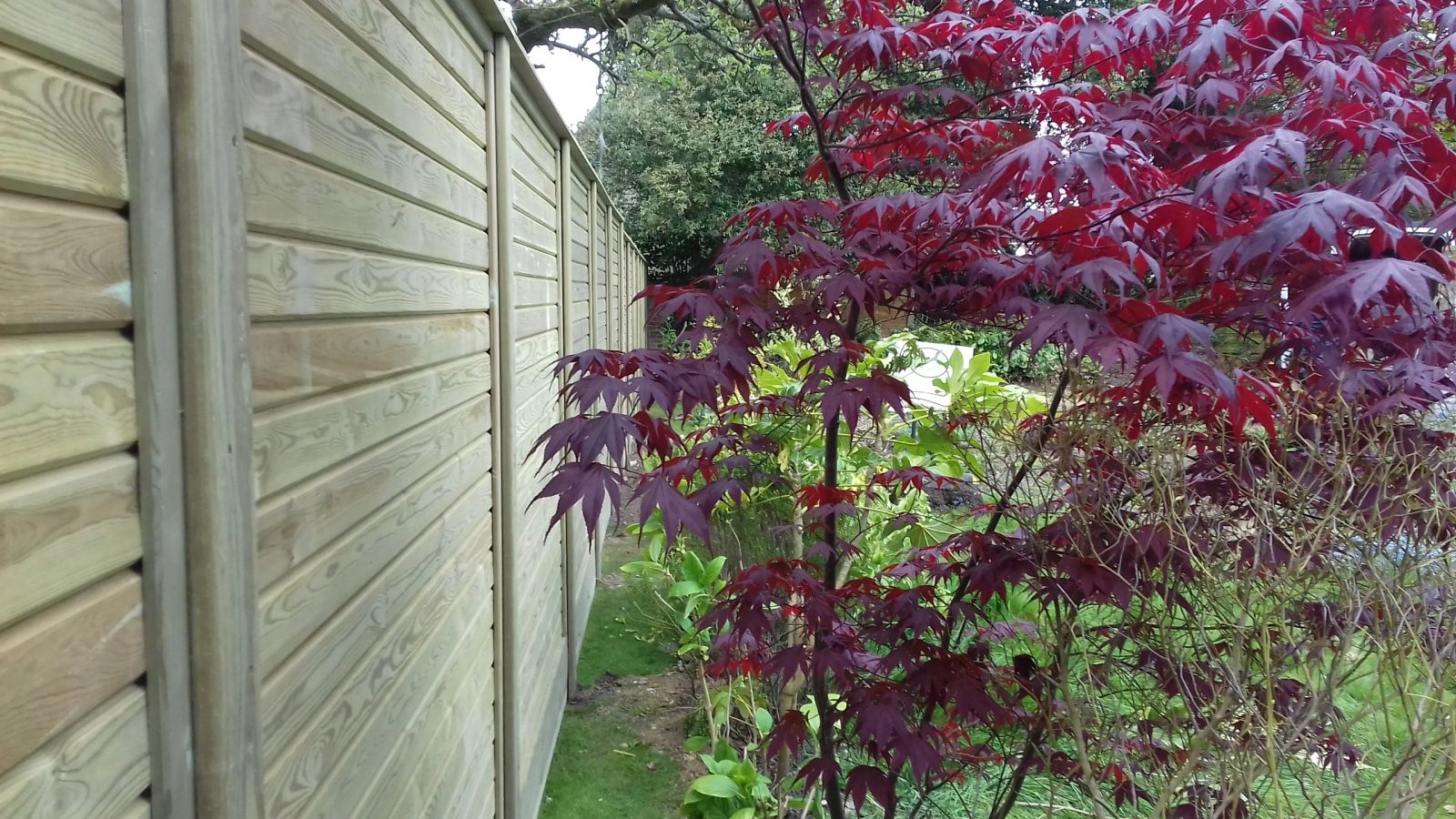
bespoke wooden gate installed by Capital Fencing in Haringey (N4)double driveway gates installed by Capital Fencing in Haringey (N4)hardwood side gate installed by Capital Fencing in Haringey (N4)metal entrance gate installed by Capital Fencing in Haringey (N4)

Before you book security & access gates in Haringey

Getting materials to a repair with no rear vehicle access

Where a repair is at the far end of a long rear garden with no gate wide enough for a vehicle, concrete, timber and tools all have to be carried in by hand, which changes how a job is planned even if the repair itself is small.

Bagged quick-set concrete carried in and mixed on site is often more practical in this situation than trying to barrow ready-mix any distance, simply because of the volume that needs to be moved by hand.

Estate gates hung from masonry piers

An estate-style gate is often hung from brick or stone piers rather than timber posts, which changes the repair approach entirely since a loose hinge fixing means re-drilling or resin-fixing into masonry rather than replacing a post.

Pier movement itself, from ground settlement or frost heave, can throw two gates out of alignment with each other even when both gates and their hinges are otherwise sound.

Ironmongery corrosion and galvanising

Hinges, latches and bolts left in an ungalvanised or poorly coated finish corrode faster than the timber they're fixed to, particularly on a gate exposed to rain and wind on all sides, and a corroded hinge pin can seize or shear well before the frame itself fails.

Specifying hot-dip galvanised or stainless ironmongery at repair time is usually a small extra cost against a considerably longer service life.

Five-bar field gate hardware and repair

A five-bar field gate is built for spanning wide openings rather than security, with widely spaced horizontal bars and a diagonal brace, and its hardware is typically heavier gauge than a garden gate's to cope with livestock or vehicle contact.

Hanging and heel posts on this type carry more load per fixing than domestic posts, so repairs often focus on the post fixing itself rather than the gate frame.

Using a post level clamp for solo plumb-checking

A post level that clips onto two adjacent faces of a post at once lets one person check plumb in both directions simultaneously without needing a second pair of hands to hold a separate level against each face.

This is particularly useful when bracing a post alone, since the clamp stays attached and visible while adjustments are made, rather than needing to remove and reposition a standard spirit level after every small correction.

It's worth checking the clamp itself is seated flat against the post with no debris or splinters holding it proud, since a level that isn't sitting flush will give a false reading regardless of how carefully the post is actually adjusted.

Brown versus green treatment pigments

The green or brown tint in pressure-treated softwood comes from a pigment or dye added to the preservative solution during treatment, largely as a visual indicator that the timber has been through the process rather than for any protective purpose.

Green pigments were historically more common but have become less fashionable, with brown or 'tanalised brown' now the more usual finish for fencing timber sold in the UK.

Because the colour is only pigment-deep in places, freshly cut ends and any surface planing during fitting will expose the paler, untreated-looking wood beneath, which is another reason to treat cut ends separately.

Gates binding in winter

A gate that closes freely in summer but binds against its frame or post in winter is very often timber swelling from increased moisture rather than a hinge or frame fault, and easing the latch edge slightly is usually enough to fix it.

We check moisture-related binding before altering hinge position, since a hinge adjustment made to fix a seasonal swelling issue often needs reversing again in summer.

Gravel boards and dig-under prevention

A gravel board closes the gap between ground and fence face that would otherwise let someone lift the bottom of a panel or dig a shallow scrape underneath on soft ground.

On a security-rated run, a concrete gravel board set into the ground line resists both rot and digging better than a timber board sitting on the surface, and it's the standard choice where dig-under is a realistic risk.

Historic planning conditions overriding permitted development

Some properties, particularly newer housing developments, have a specific planning condition attached to their original permission that restricts boundary treatments beyond the normal permitted development rules.

These conditions remain in force indefinitely unless formally varied or removed, regardless of how long ago the development was built.

Checking the property's planning history on the council's online planning register is a quick way to spot this kind of condition before assuming standard permitted development rights apply.

Dealing with a feather-edge board that has cupped

A board cups when one face dries and shrinks faster than the other, usually where the weathered outer face has taken more sun and rain cycling than the sheltered inner face, and it's most common on wide boards cut from flatter-sawn stock.

A cupped board rarely flattens back out once set, so repair is a straight swap rather than an attempt to refix it flatter, and choosing narrower or more vertically grained replacement stock reduces the chance of the same board cupping again.

A practical corrosion inspection schedule for steel fencing

A basic inspection walk checks ground-line rust on posts, coating breakdown at cut edges and weld points, and any bare metal exposed by a scrape or impact, since these are the points corrosion establishes itself first rather than spreading evenly across a whole panel.

Catching surface rust early with a localised repair coating is far cheaper than replacing a section once corrosion has perforated the steel, and an annual check is usually enough to catch problems at that early stage on a well-galvanised run.

Working off a ladder without scaffold on fencing jobs

Most domestic fencing and gate work is low enough to manage from stepladders rather than needing scaffold, but a ladder still needs a firm, level footing and, on soft ground, a board or plate under the feet to stop it sinking unevenly.

Working at the top of a tall gate post or over a wall with a ladder means keeping three points of contact and avoiding overreaching sideways, which is usually the point a ladder starts to slide rather than tip.

Where capping or a top rail needs fixing along an entire run at height, moving the ladder in short, frequent steps is safer and generally faster than overreaching from a single position to save moving it.

Board overlap orientation relative to prevailing weather

Featherboard and closeboard panels are built with each board overlapping the next, and the direction of that overlap affects how well the panel sheds driven rain — the leading edge of each board should face the prevailing wind and rain direction so water runs off rather than being driven behind the board.

This is straightforward to get right at manufacture but is occasionally reversed on a bespoke or site-built run, which shows up over time as faster localised rot on the boards facing the wrong way for the local prevailing weather.

Checking overlap direction against the site's known prevailing wind is a small detail worth confirming before a bespoke run is built rather than assuming a standard orientation will suit every site.

Picket fence styles and spacing

Picket fencing trades privacy for a lower, more open boundary, which suits front gardens where sightlines to the street and a welcoming appearance matter more than screening.

Picket spacing is a genuine design choice — narrower gaps look more traditional and offer a bit more containment for small pets, while wider spacing uses less timber and lets more light and air through a planted border behind it.

Because picket fencing is low, it rarely needs the same post depth as a taller closeboard run, though corner and gate posts still need proper concrete footings regardless of the fence's height.

Painted versus stained finish maintenance

A painted gate hides the timber grain and needs a full film to stay intact, so any crack or chip in that film lets water in behind the coating and can accelerate local rot if left unaddressed.

A stained or oiled finish penetrates the timber rather than sitting as a film, so it wears more evenly and is easier to top up in patches without a full strip-back.

Setting the centre gap on double gates

The gap at the centre where two gate leaves meet needs to be tight enough to look intentional and resist being forced apart, but not so tight that seasonal swelling causes the two leaves to bind against each other in wet weather.

A drop bolt or cane bolt on one leaf, engaged before the other leaf is latched, helps keep this centre gap consistent over repeated use rather than relying on the latch alone.

Gust funnelling between semi-detached gaps

The narrow gap between two semi-detached or terraced houses can accelerate wind passing through it, in the same way air speeds up through a nozzle, so a fence sitting at the mouth of that gap sees higher gusts than the open garden either side.

This is easy to miss on a site visit if the wind isn't blowing that day, but it shows up over a few winters as one particular bay of panelling failing repeatedly while the rest of the run stays sound.

Reinforcing just that section with a heavier post or a part-slatted panel is usually enough, rather than upgrading the whole run.

Retrospective planning applications for boundary work

Where boundary work turns out to have needed planning permission that wasn't obtained, it's possible to apply retrospectively, though this carries the real risk of the council refusing and requiring the structure to be altered or removed.

A retrospective application doesn't guarantee approval just because the work is already complete, and the council assesses it on the same planning merits as if it hadn't been built yet.

Checking whether permission is needed before work starts is considerably less stressful and less costly than applying retrospectively after the event.

What happens after storm damage to a fence

A fence panel blown over in a storm is usually a buildings insurance matter rather than a workmanship warranty claim, since even a correctly installed fence can fail under genuinely severe wind loading.

Photographing the damage before clearing debris, and checking whether posts have snapped versus panels simply blowing out of their slots, both help establish whether a straightforward panel swap or a full rebuild with new posts is needed.

Where storm damage recurs on the same run, it's usually a sign the original specification wasn't suited to how exposed that particular boundary is, which is worth addressing at the rebuild stage rather than repeating the same spec.

Cantilever sliding gate basics

A cantilever sliding gate has no ground track and instead balances on internal rollers running along a buried or surface-mounted beam, avoiding the debris problems of a ground-track design but needing a longer counterbalanced section behind the opening.

This type is more common on wider commercial or rural openings than standard domestic driveways because of the extra length needed either side of the gap.

Chalk ground in south Hertfordshire

South Hertfordshire sits over Chiltern chalk in places, ground that's generally stable and free-draining but can be extremely hard and slow to auger once you're through a thin topsoil layer.

Chalk doesn't shrink and swell the way clay does, so posts set in it are less prone to seasonal loosening, though a shattered or fractured chalk band can still leave voids that need packing rather than assuming solid bearing.

Where chalk is close to the surface, hand tools or a breaker attachment are sometimes quicker than persisting with a standard auger.

Painting and re-treating repaired sections

New timber fitted into a repair should be treated before it's fixed as well as after, since end grain and cut edges exposed during fitting are the points most likely to take on moisture if left untreated.

Matching the existing stain or paint colour on a repaired section is easier once the new timber has had at least one season to weather, rather than trying to match it immediately.

Residential and small-commercial clients wanting secure access — anti-lift hinges, deadlocking, prep for entry systems — that's who this page is for. In Haringey and out to Haringey, we run the security access gates spec that survives ladder-street back-to-back gardens mean every fence run has two owners and three neighbours to keep informed. Roads such as Falkland Road and Alexandra Park Road are typical of the local layout. Bruce Castle Park is a useful local reference point. Turnpike Lane and Wood Green form the borough's main retail centres.

Get In Touch

Get My Free Quote — 24h Response

No callout fee · Free site visit · Friendly local team covering London & Hertfordshire.

Call us
07885907880
or 02036484746
Email
capital_fencing@yahoo.com
WhatsApp
Message us anytime
Area
London & Hertfordshire
Payment
Card payments accepted

Pay by debit or credit card, bank transfer or cash once the work and price are agreed. No deposit taken online.

Request a Free Quote

We'll get back to you within 24 hours.

Free Site Visit No Callout Fee
Call WhatsAppQuote