London & Hertfordshire Free Site Visit
bespoke wooden gate installed by Capital Fencing in Waltham Forest (E4)
Waltham Forest · E4 / E10 / E11 / E17

Security & Access Gates, Waltham Forest: engineered-to-load spec for Victorian terraces across Walthamstow and Leyton

If you're weighing security access gates for a property in Waltham Forest, the first thing that matters is how the structure performs under real use, not a showroom drawing — not the material choice. Once that's settled, hardwood on galvanised anti-lift hinges is where most of our security access gates work in E4 lands, with steel frames with composite or timber infill as a considered alternative. Roads such as Forest Road and Hoe Street are typical of the local layout. Lloyd Park is a useful local reference point. Walthamstow Village is a conservation area with tighter controls on visible front boundaries than the terraces around Hoe Street.

If you're weighing security access gates for a property in Waltham Forest, the first thing that matters is how the structure performs under real use, not a showroom drawing — not the material choice. Once that's settled, hardwood on galvanised anti-lift hinges is where most of our security access gates work in E4 lands, with steel frames with composite or timber infill as a considered alternative. Roads such as Forest Road and Hoe Street are typical of the local layout. Lloyd Park is a useful local reference point. Walthamstow Village is a conservation area with tighter controls on visible front boundaries than the terraces around Hoe Street.

Why this spec, for residential and small-commercial clients wanting secure access — anti-lift hinges, deadlocking, prep for entry systems

  • anti-lift hinge geometry as standard — a swing gate should not lift off the pins
  • prep work done for automation and access control even when it's phased for later
  • we co-ordinate with the intercom, mag-lock or GSM installer so cabling routes are right first time

Typical security access gates briefs in Waltham Forest

  • hardwood driveway gates with anti-lift hinges, key-lockable drop bolt and prep for intercom cabling
  • matched pedestrian and vehicle gates cabled for GSM intercom and keypad entry
Default spec

How we build security access gates in Waltham Forest

steel or hardwood framed, anti-lift ball-race hinges, deadlocking hardware, cabling duct pre-run to the intercom position. On Waltham Forest jobs we adjust for wind funnelled off the lea valley regularly takes out weak panel fences on the eastern boundaries.

Property mix locally: Victorian terraces across Walthamstow and Leyton, 1930s semis in Chingford, and post-war estates around Leyton. Typical gardens: mid-length rear gardens, several sloping toward the Lea Valley with heavy clay. Postcodes we regularly service: E4, E10, E11, E17.

What goes wrong

Common failure modes on security access gates

  • domestic hinges on a security gate — trivially lifted off
  • no separate escape release on a mag-locked pedestrian gate — building-control issue on an occupied premises

Security & Access Gates FAQs — Waltham Forest

What lock hardware do you use as standard?

On security access gates jobs in Waltham Forest (E4), our default answer is: steel or hardwood framed, anti-lift ball-race hinges, deadlocking hardware, cabling duct pre-run to the intercom position. The honest trade-off is domestic hinges on a security gate — trivially lifted off — which is exactly what our default spec designs out.

How do you handle escape release on a mag-locked gate?

Across Waltham Forest we spec around wind funnelled off the lea valley regularly takes out weak panel fences on the eastern boundaries, so on security access gates that usually means hardwood on galvanised anti-lift hinges. We'll walk you through anti-lift hinge geometry as standard — a swing gate should not lift off the pins on the site visit before you commit.

Do you prep for future automation without installing it now?

Waltham Forest coverage means we can survey most E4 addresses inside a week — residential and small-commercial clients wanting secure access — anti-lift hinges, deadlocking, prep for entry systems. We'll walk you through anti-lift hinge geometry as standard — a swing gate should not lift off the pins on the site visit before you commit.

Are hardwood gates as secure as steel?

Practically: hardwood driveway gates with anti-lift hinges, key-lockable drop bolt and prep for intercom cabling. That's the Waltham Forest version of this job, not a generic one. For context: prep work done for automation and access control even when it's phased for later. Structural spans and post depths calculated, not guessed.

Can you fit anti-lift hinges on a wooden gate?

On security access gates jobs in Waltham Forest (E4), our default answer is: steel or hardwood framed, anti-lift ball-race hinges, deadlocking hardware, cabling duct pre-run to the intercom position. The honest trade-off is domestic hinges on a security gate — trivially lifted off — which is exactly what our default spec designs out.

Recent security & access gates work
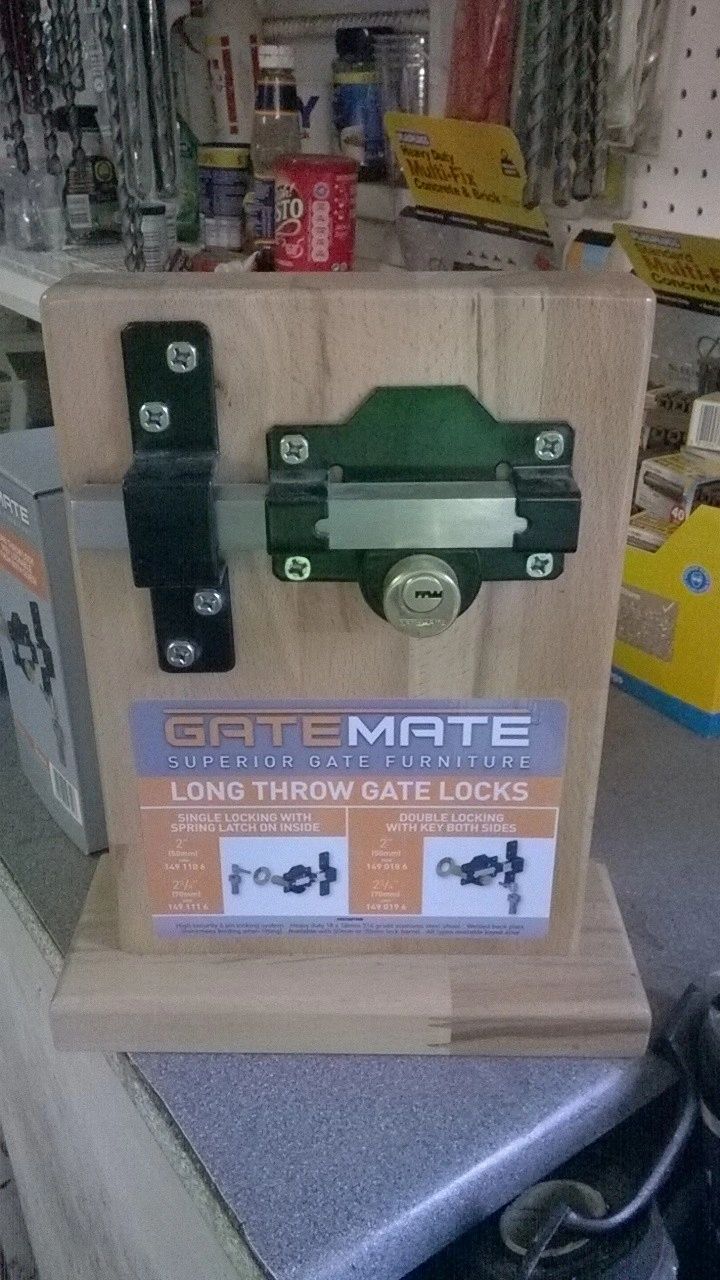
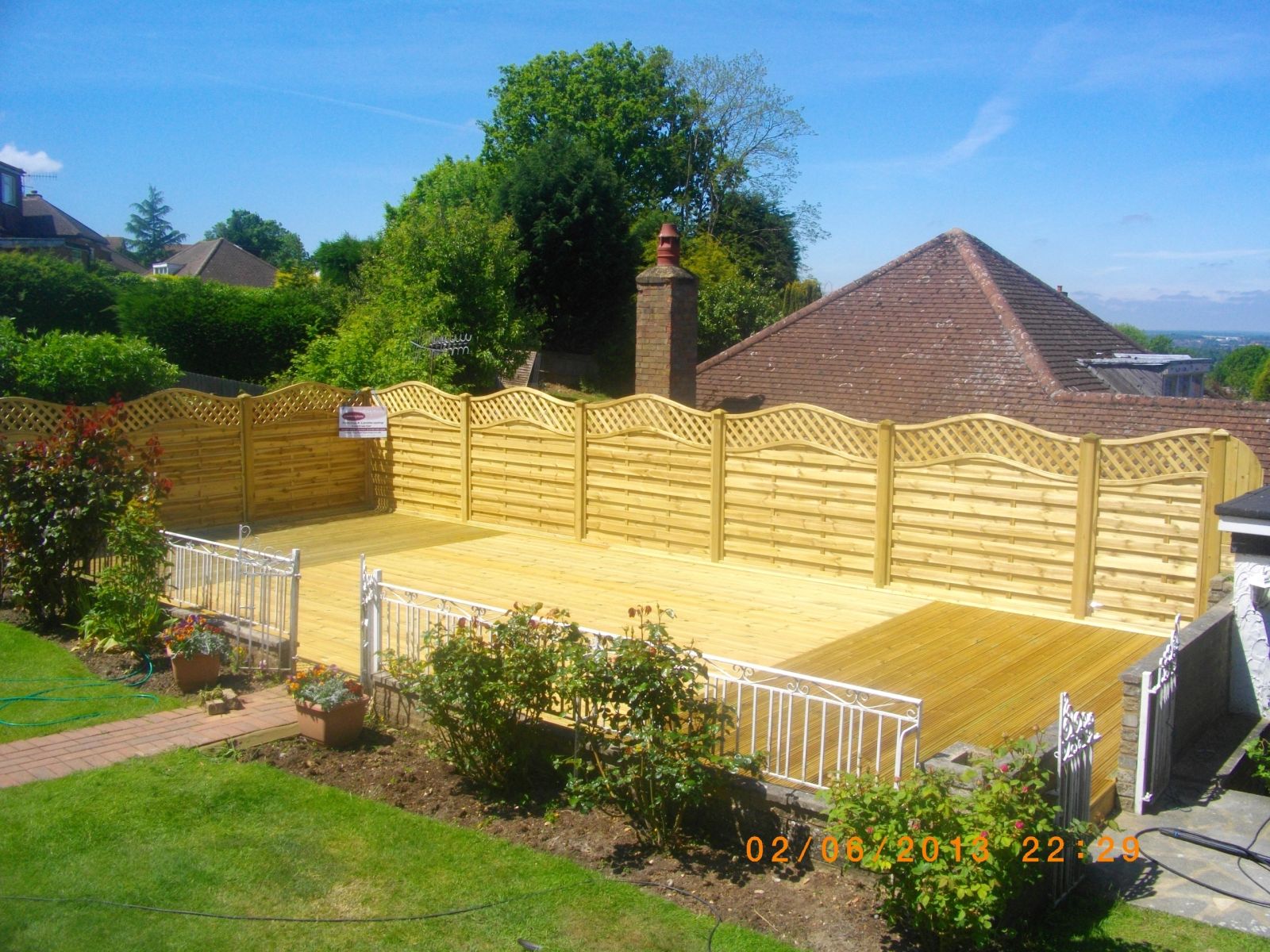
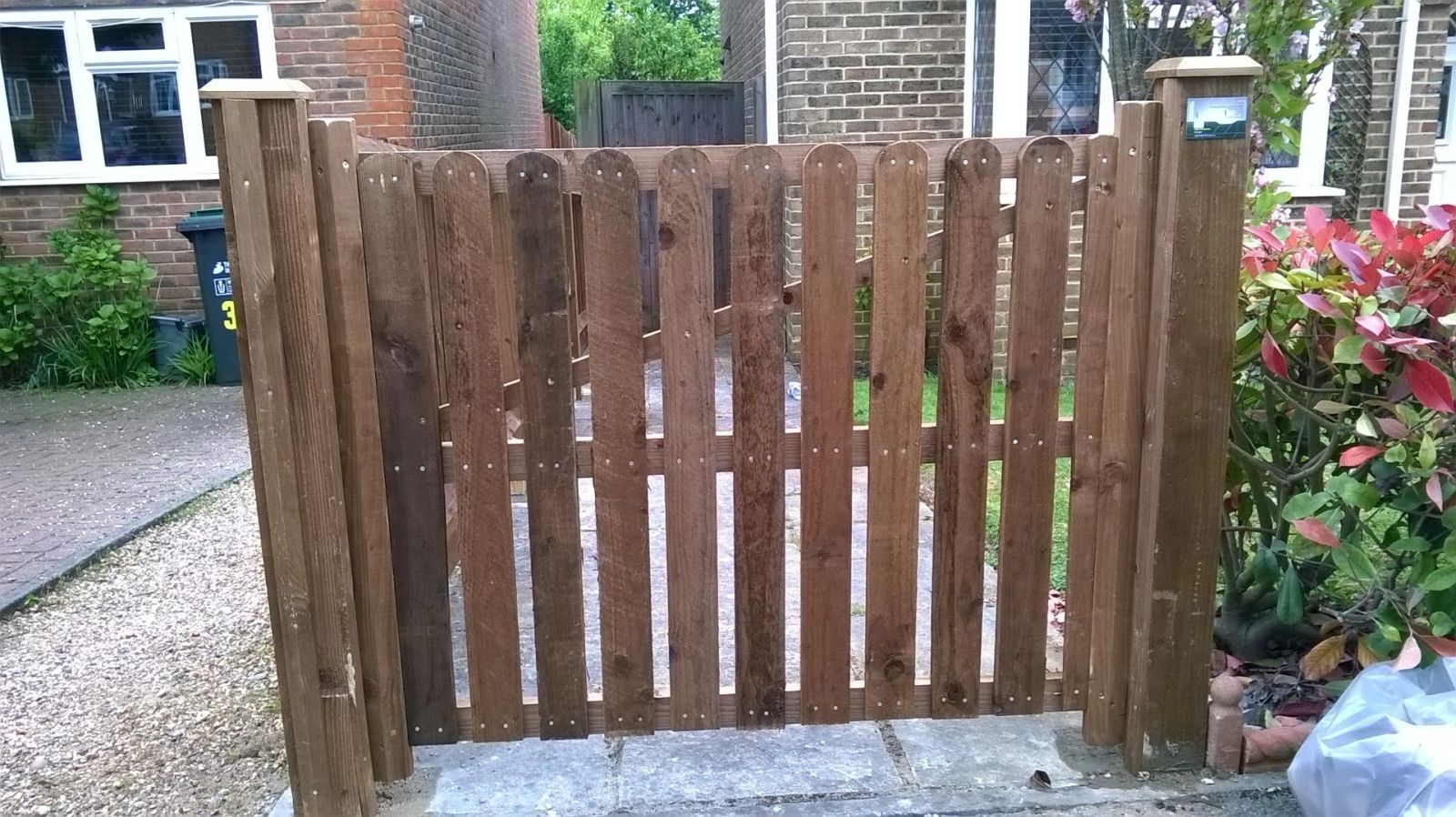
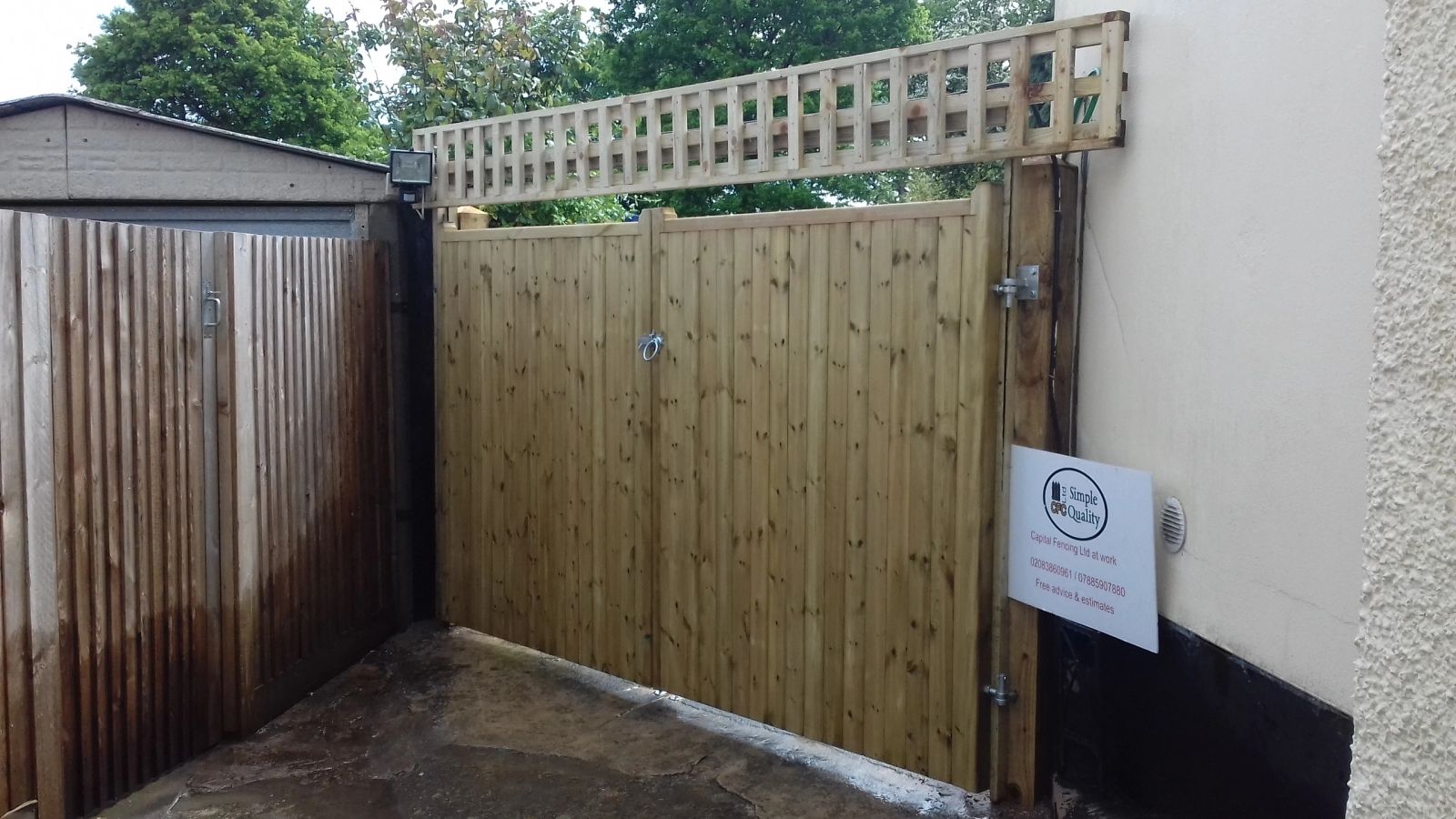
bespoke wooden gate installed by Capital Fencing in Waltham Forest (E4)double driveway gates installed by Capital Fencing in Waltham Forest (E4)hardwood side gate installed by Capital Fencing in Waltham Forest (E4)metal entrance gate installed by Capital Fencing in Waltham Forest (E4)

How we approach security & access gates on Waltham Forest properties

Self-closing spring hinges and tension setting

A self-closing spring hinge pulls a gate shut automatically after use, which matters where a gate must not be left open — around a pool, a road-facing boundary or a play area — but the spring tension needs setting so the gate closes fully without slamming.

Tension that's too light leaves the gate ajar in a headwind; tension that's too strong accelerates wear on the latch and keep from repeated hard closing.

Alley gates on shared rear access

An alley gate closes off a shared rear passage between terraced properties and is typically installed and maintained under an agreement between several households or with local authority involvement, rather than by a single owner.

Repairs on these gates often need to account for multiple keyholders and heavier-than-domestic use, since several households pass through the same gate daily.

Aluminium extrusion profiles

Aluminium fencing and gate components are typically formed by extrusion, forcing heated aluminium billet through a shaped die to produce a continuous profile with a consistent cross-section, which allows complex hollow or ribbed shapes not practical in sawn timber or rolled steel.

Extruded profiles are usually finished with an anodised or powder-coated surface, since bare aluminium forms a natural oxide layer that resists corrosion well but can look dull and inconsistent if left unfinished.

Aluminium's lower strength relative to steel for a given section size means extruded profiles are often designed with internal ribbing or a boxed cross-section to achieve adequate rigidity without excessive material thickness.

Concrete cure time before a post can be loaded

A post set in fast-setting postcrete can usually take light loading within an hour or two, but a full concrete footing needs several days of cure before it should be relied on for the lateral loading a security fence or gate applies.

Fitting a heavy gate leaf to a post before its footing has properly cured can rock the post out of plumb before the concrete has reached working strength, which is a common avoidable cause of an early lean on a new installation.

Water ingress through a missing or damaged post cap

A post cap sheds rainwater off the exposed end grain at the top of a post, and once it's gone missing or cracked, that end grain absorbs water directly and rots from the top down rather than only from ground contact.

Refitting a cap is a cheap and quick repair on its own, but where a post has already been exposed for some time, it's worth checking how far rot has travelled down the post before assuming a new cap alone has solved the problem.

Decking substructures on clay

Timber decking built directly on shallow clay can move as the ground shrinks and swells seasonally, which shows up as a joist that's level in summer and slightly proud or dipped in winter.

Deeper post supports, or a raised deck design that isn't reliant on ground-bearing pads sitting in the active clay zone, avoid most of that seasonal movement.

Ventilation underneath the deck matters just as much as the foundation — a low, boxed-in deck with poor airflow traps moisture against the joists regardless of how well the posts are set.

Working hours restrictions set by councils

Most councils set standard permitted working hours for construction noise, commonly something like 8am to 6pm on weekdays and a shorter window on Saturdays, with no noisy work at all on Sundays and bank holidays, though the exact hours vary by borough.

These restrictions apply regardless of whether formal planning permission was needed for the work itself, and are usually enforced under separate environmental health powers rather than the planning system.

On a site with a specific planning condition attached, hours can be tighter still, so it's worth checking any condition notice as well as the general council policy before committing to a start time.

Locks: nightlatch, deadlock, padlock hasps

A nightlatch-style mechanism, a mortice deadlock built into the gate frame, or a simple padlock-and-hasp arrangement each offer a different balance of convenience and resistance to forcing on an outdoor gate.

A mortice lock recessed into a timber frame is more weather-protected than a surface-mounted hasp, but needs a soundly built frame section to sit in.

Water company build-over positions

Public sewers can run beneath private gardens, and water companies generally require notice, and sometimes formal approval, before any structure — including some fence post foundations — is built close to or over them.

The exact rules and required clearance distances vary by water company, but ignoring a known public sewer line when positioning posts risks a dispute or requirement to remove work later.

A free sewer map is normally available from the relevant water company, which is worth requesting before finalising post positions on any plot with an older or shared drainage system.

School and nursery boundary needs

Boundaries around schools, nurseries and other settings used by children are usually specified with child safety in mind first — no horizontal rails that could be used to climb, gaps too narrow to trap a small limb, and self-closing gates with child-safe latches on any pedestrian access.

Height matters both for containment and sightlines: too high and staff lose visibility into a play area from a building; too low and it's not a meaningful boundary at all.

Any work on an occupied site with children present also has practical scheduling implications — most of this work happens outside term time or during holiday closures to avoid disruption.

Razor mesh panel systems for high-security compounds

A razor mesh panel embeds short, sharp folded barbs directly into the mesh weave itself rather than adding a separate topping coil, giving an anti-cut and anti-climb barrier across the whole panel height rather than only at the top.

These panels carry a higher injury risk than a standard mesh and are typically reserved for high-value compounds such as a fuel depot or a substation, kept well away from any pedestrian route.

Secure by Design principles for boundaries

Secure by Design is a police-backed set of principles covering layout, lighting, sightlines and boundary treatment that developments are assessed against, and fencing specification is one part of meeting it.

Applying the principles generally means avoiding blind corners, keeping sightlines open where surveillance matters, and using proportionate rather than maximum height and solidity on each boundary.

Cutting and resealing treated timber ends on site

Any cut made to pressure-treated timber on site exposes an untreated core at that face, since preservative penetration doesn't reach the centre of most sections, and that cut end is then the most vulnerable point on the whole piece.

Brushing a compatible end-grain preservative onto every site cut before the piece is fixed restores a working level of protection at minimal extra time, and is worth building into the cutting process rather than treated as optional.

Post tops cut to length on site are a common place this gets missed, since the cut is often made last, after the post is already concreted in, when it's easy to move on to the next post without going back to treat the cut.

Decking joist spacing and spans

Joist spacing under a deck is set by the board being used and the load expected, not fixed universally — timber boards typically need joists at closer centres than the equivalent composite board, because composite is generally less stiff across a span.

Manufacturers publish maximum joist spacing for their composite boards, and it's shorter still where boards run diagonally rather than square to the joists, since a diagonal run effectively increases the unsupported span between fixings.

Undersized joist spacing shows up as bounce or long-term sag between joists well before it becomes a safety issue, so it's worth checking spacing against the actual board spec rather than a generic rule of thumb.

Sheltered courtyard microclimates and reduced wear

A small enclosed courtyard garden surrounded by walls or buildings on most sides creates a sheltered microclimate with reduced wind and often reduced direct rain exposure, which can extend the practical life of a timber finish well beyond the general guideline interval.

The trade-off is often reduced airflow and higher humidity in the enclosed space, which can favour algae or mould growth even though the timber itself isn't taking direct weather.

Recommending a maintenance interval based on general exposure alone can be too cautious for a sheltered courtyard or too relaxed for a damp, poorly-ventilated one, so it's worth judging each enclosed garden on its own conditions.

Boundary treatments for flats and maisonettes

Shared amenity gardens attached to flats or maisonettes usually have boundary decisions made collectively through a management company or freeholder rather than by an individual leaseholder, which changes who needs to sign off a fence or gate change.

Lease terms sometimes specify who's responsible for maintaining which boundary, and altering a shared boundary without checking the lease is a common source of dispute between leaseholders.

Where several flats share a single rear garden, dividing it with new fencing usually needs agreement from all affected leaseholders, not just the person requesting the work.

Upgrading security at a farm gateway

A farm gateway is a common target for rural theft of machinery, fuel and livestock, and a five-bar field gate on its own offers little more than a visual boundary marker, so a security upgrade typically adds a padlockable hasp, a stronger hinge set and sometimes a second inner gate as a layered deterrent.

Positioning a gate slightly back from the road with a locked field gate behind an open highway gate can slow a vehicle-based theft attempt without obstructing the farmer's own daily access.

Community Infrastructure Levy and larger boundary projects

The Community Infrastructure Levy is a charge some councils apply to larger new development, and while it rarely touches ordinary domestic fencing, larger boundary projects tied to bigger planning permissions can occasionally interact with it.

This is a specialist area mainly relevant to substantial developments rather than a single garden fence, but worth being aware of if boundary work forms part of a larger planning permission.

Anyone unsure whether a larger project's boundary elements might be affected should check with the council's planning or CIL team directly.

Landlord void period turnarounds

A rented property between tenancies is often the only window a landlord has to get fencing repaired without disrupting an occupied garden, and void periods are typically measured in days rather than weeks.

Fast turnaround work in a void needs the survey, quote and material order compressed into that period, which means a landlord instructing work should flag the void dates as early as possible rather than after keys have already changed hands.

It's also the point at which deferred repairs flagged in a previous check-out report tend to get actioned, so it's worth reviewing that report against the fence line before starting rather than duplicating what's already been noted.

Guide roller side play on sliding gates

A guide roller keeps the top of a sliding gate steady as it travels, controlling side-to-side play rather than carrying the gate's weight, and excess play here shows up as the gate rocking or leaning as it moves rather than dragging.

Adjusting or replacing a worn guide roller is usually a smaller job than addressing the main track or bottom rollers, but it's often overlooked because the fault looks similar from a distance.

Drainage consents affecting boundary works

Altering ground levels, hardstanding or drainage patterns near a boundary can affect surface water flow onto a neighbour's land, and in some cases needs consent from the local authority or, for work near a watercourse, from the relevant drainage authority or the Environment Agency.

Diverting water so that it discharges onto next door's garden rather than soaking away on the original plot is a common and avoidable source of neighbour disputes, separate from any formal consent requirement.

Where boundary work is combined with a change in levels or new hard surfacing, it's worth checking whether the combined works trigger a drainage consent even if the fence itself wouldn't on its own.

Party wall notices and communication

The Party Wall etc. Act 1996 covers work to a shared wall or excavation near a neighbour's foundations, and while an ordinary timber fence on a boundary line usually falls outside it, a new masonry boundary wall built astride the line, or deep post holes close to a neighbour's foundations, can bring it into play.

Where the Act applies, formal written notice is required before work starts, giving the neighbour a defined period to consent or dissent, and proceeding without notice risks an injunction even on otherwise straightforward work.

Even where the Act doesn't strictly apply, a simple letter or conversation confirming line, height and access before work starts avoids most of the disputes that end up needing formal resolution.

Security & Access Gates across E4, E10, E11, E17 is a regular run for us. We'll quote honestly, tell you if security access gates isn't the right answer for your site, and book the job in within a week or two of a signed quote. structural spans and post depths calculated, not guessed. Roads such as Church Lane and Wood Street are typical of the local layout. Walthamstow Wetlands is a useful local reference point. The River Lea and the Walthamstow reservoirs form the western boundary, and land close to the marshes is low-lying.

Get In Touch

Get My Free Quote — 24h Response

No callout fee · Free site visit · Friendly local team covering London & Hertfordshire.

Call us
07885907880
or 02036484746
Email
capital_fencing@yahoo.com
WhatsApp
Message us anytime
Area
London & Hertfordshire
Payment
Card payments accepted

Pay by debit or credit card, bank transfer or cash once the work and price are agreed. No deposit taken online.

Request a Free Quote

We'll get back to you within 24 hours.

Free Site Visit No Callout Fee
Call WhatsAppQuote