London & Hertfordshire Free Site Visit
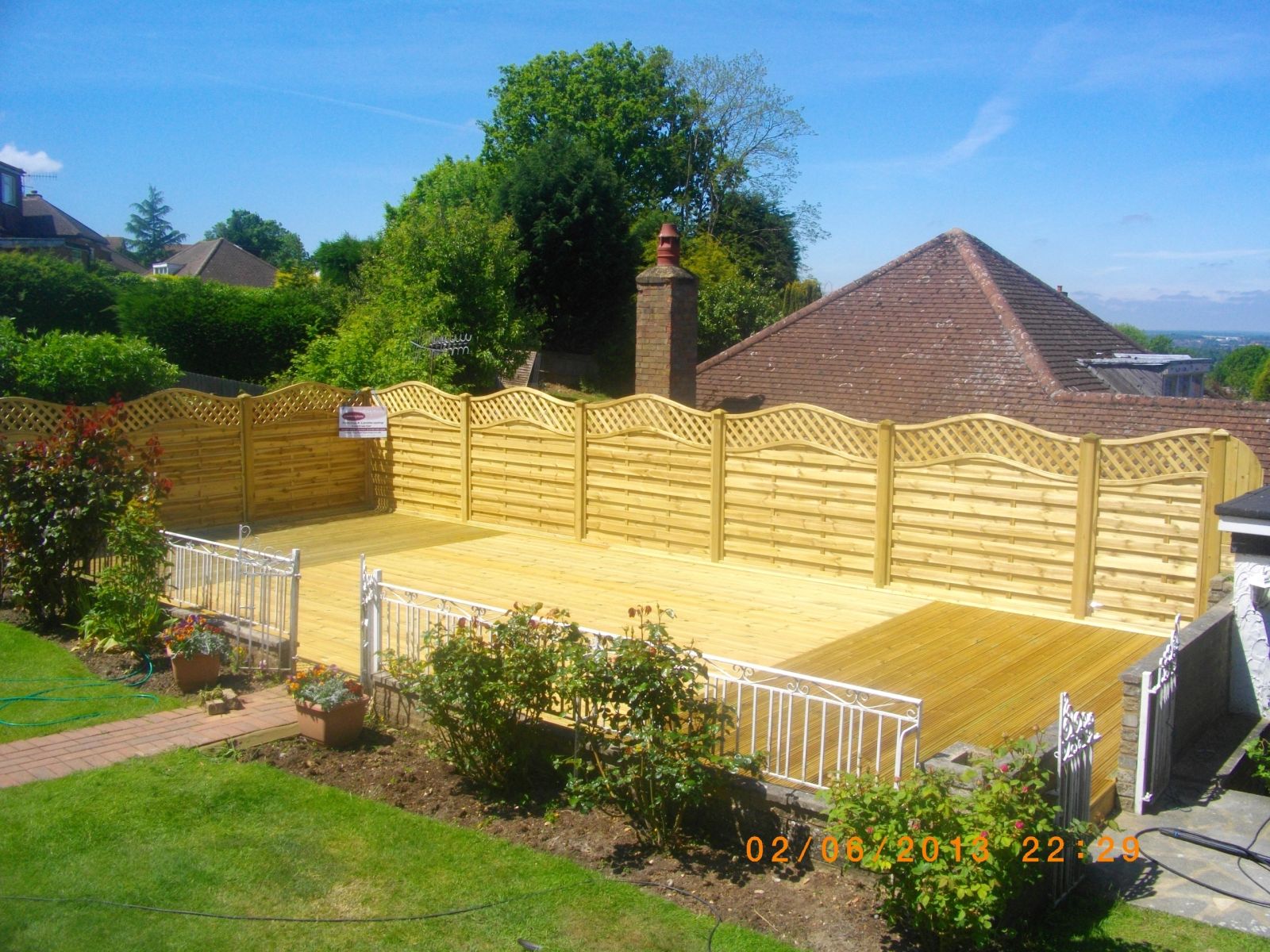
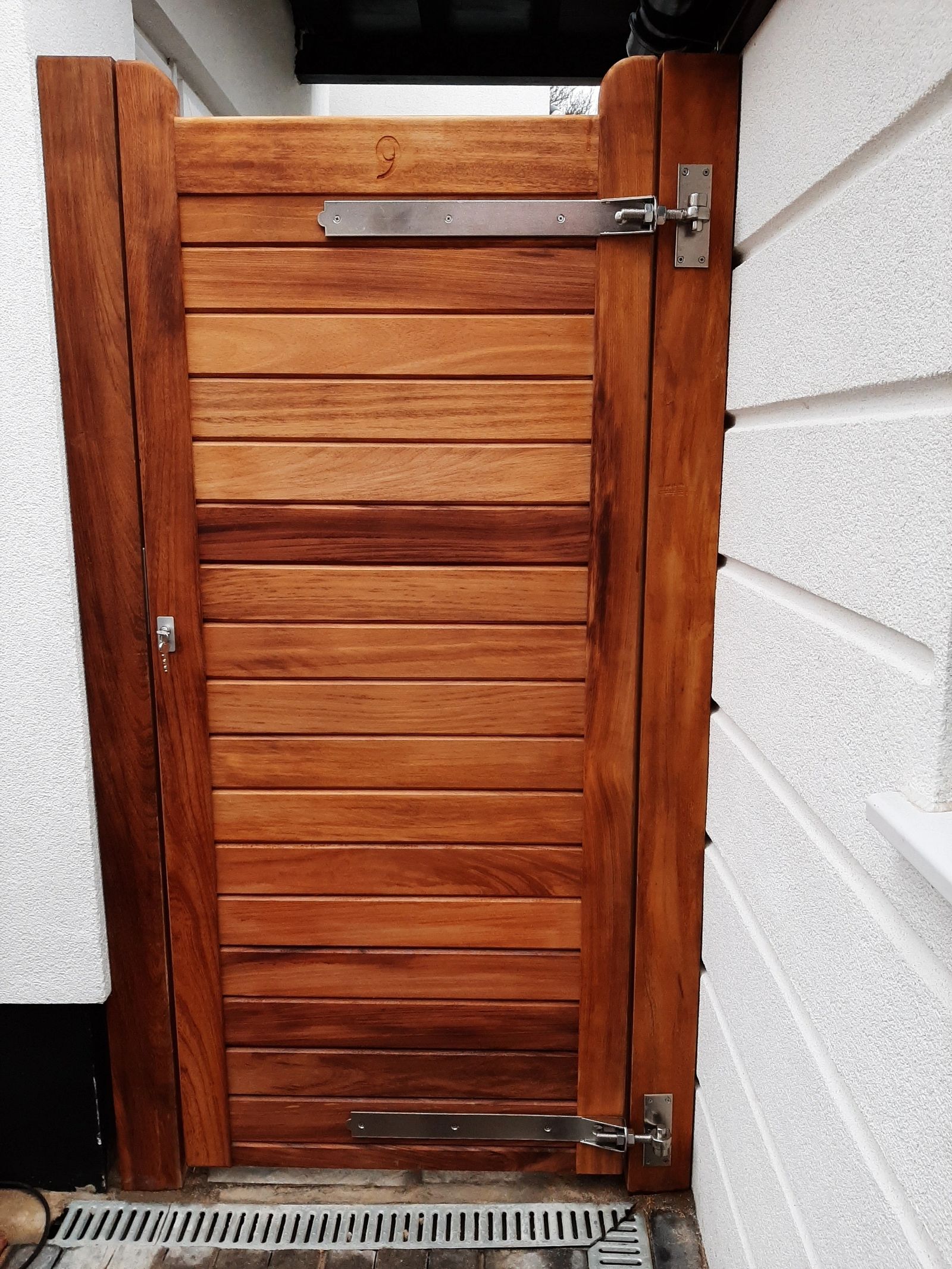
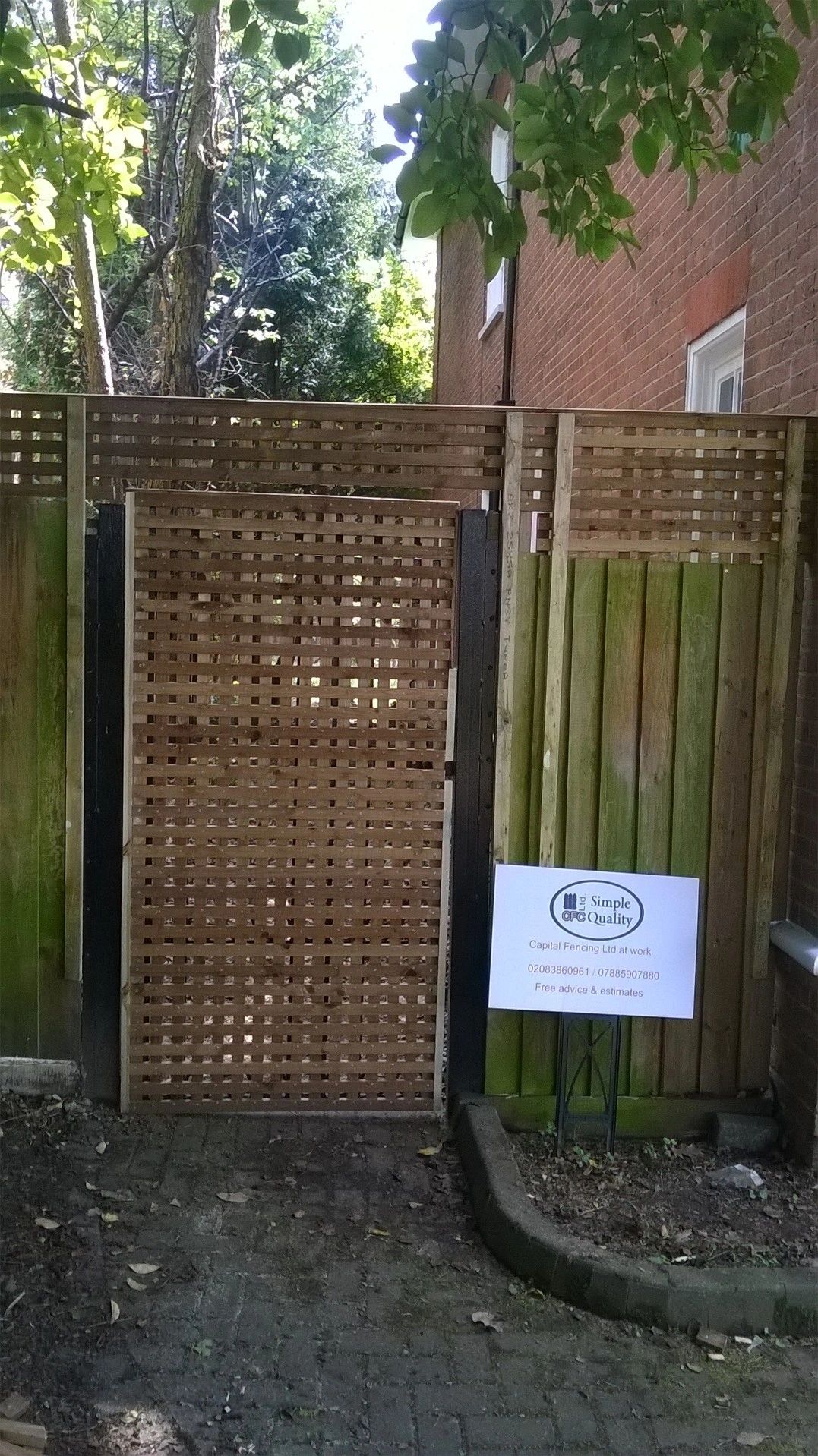
bespoke wooden gate installed by Capital Fencing in Potters Bar (EN6)
Potters Bar · EN6

Side return gate across Potters Bar — Hertsmere Borough

If you're weighing side-return gates for a property in Potters Bar, the first thing that matters is how the finish sits next to the neighbour's existing boundary — not the material choice. Once that's settled, iroko hardwood on galvanised ironmongery for 15+ year service is where most of our side-return gates work in EN6 lands, with planed softwood tongue-and-groove for a matched budget option as a considered alternative. Roads such as Mimms Hall Road and Mutton Lane are typical of the local layout. Potters Bar station is a useful local reference point. The lower ground west of Mimms Hall Road lies near Mimmshall Brook, while the streets rising from Darkes Lane toward Oakmere Park sit higher and drain better.

If you're weighing side-return gates for a property in Potters Bar, the first thing that matters is how the finish sits next to the neighbour's existing boundary — not the material choice. Once that's settled, iroko hardwood on galvanised ironmongery for 15+ year service is where most of our side-return gates work in EN6 lands, with planed softwood tongue-and-groove for a matched budget option as a considered alternative. Roads such as Mimms Hall Road and Mutton Lane are typical of the local layout. Potters Bar station is a useful local reference point. The lower ground west of Mimms Hall Road lies near Mimmshall Brook, while the streets rising from Darkes Lane toward Oakmere Park sit higher and drain better.

Typical side-return gates briefs in Potters Bar

  • hardwood side gate between a rendered wall and a brick pier, 780mm opening, drop-bolt into a concrete slab socket
  • matched pedestrian and bin-store gate serving a shared side alley between two flats
Default spec

How we build side-return gates in Potters Bar

44mm framed hardwood or planed softwood, tongue-and-groove infill, adjustable ball-race hinges, closing stop and drop-bolt. On Potters Bar jobs we adjust for many gardens border the green belt — the brief usually needs sturdy stock-proof boundary work.

Property mix locally: 1930s semis, post-war detached homes around Cranborne Road, and infill developments near Little Heath. Typical gardens: generous rear gardens — often deep enough for decking plus a separate utility area. Postcodes we regularly service: EN6.

Why this spec, for London terraces and semis with a narrow alley between the house and the neighbouring wall

  • framed builds don't drop the way board-and-batten side gates do in year two
  • adjustable hinges handle the seasonal timber movement every London side gate experiences
  • made to the exact opening — no packing pieces, no gaps for burglars or foxes
What goes wrong

Common failure modes on side-return gates

  • fitting a full-weight hardwood gate on domestic pin hinges — drops within six months
  • not shooting a drop-bolt into a concrete socket — kicked or pried open too easily

Side Return Gates FAQs — Potters Bar

Do you handle the wall fixing on both sides?

On side-return gates jobs in Potters Bar (EN6), our default answer is: 44mm framed hardwood or planed softwood, tongue-and-groove infill, adjustable ball-race hinges, closing stop and drop-bolt. For context: adjustable hinges handle the seasonal timber movement every London side gate experiences. Measured, quoted and installed by the same small crew.

Is a drop-bolt necessary as well as a lock?

Across Potters Bar we spec around many gardens border the green belt — the brief usually needs sturdy stock-proof boundary work, so on side-return gates that usually means iroko hardwood on galvanised ironmongery for 15+ year service. The honest trade-off is fitting a full-weight hardwood gate on domestic pin hinges — drops within six months — which is exactly what our default spec designs out.

How do you stop a side gate dropping over time?

Hertsmere Borough coverage means we can survey most EN6 addresses inside a week — London terraces and semis with a narrow alley between the house and the neighbouring wall. We'll walk you through framed builds don't drop the way board-and-batten side gates do in year two on the site visit before you commit.

Can you match the gate to my existing side-return fencing?

Practically: hardwood side gate between a rendered wall and a brick pier, 780mm opening, drop-bolt into a concrete slab socket. That's the Potters Bar version of this job, not a generic one. For context: adjustable hinges handle the seasonal timber movement every London side gate experiences. Measured, quoted and installed by the same small crew.

How wide can a single side gate span before it needs a wheel?

On side-return gates jobs in Potters Bar (EN6), our default answer is: 44mm framed hardwood or planed softwood, tongue-and-groove infill, adjustable ball-race hinges, closing stop and drop-bolt. For context: adjustable hinges handle the seasonal timber movement every London side gate experiences. Measured, quoted and installed by the same small crew.

Recent side return gates work
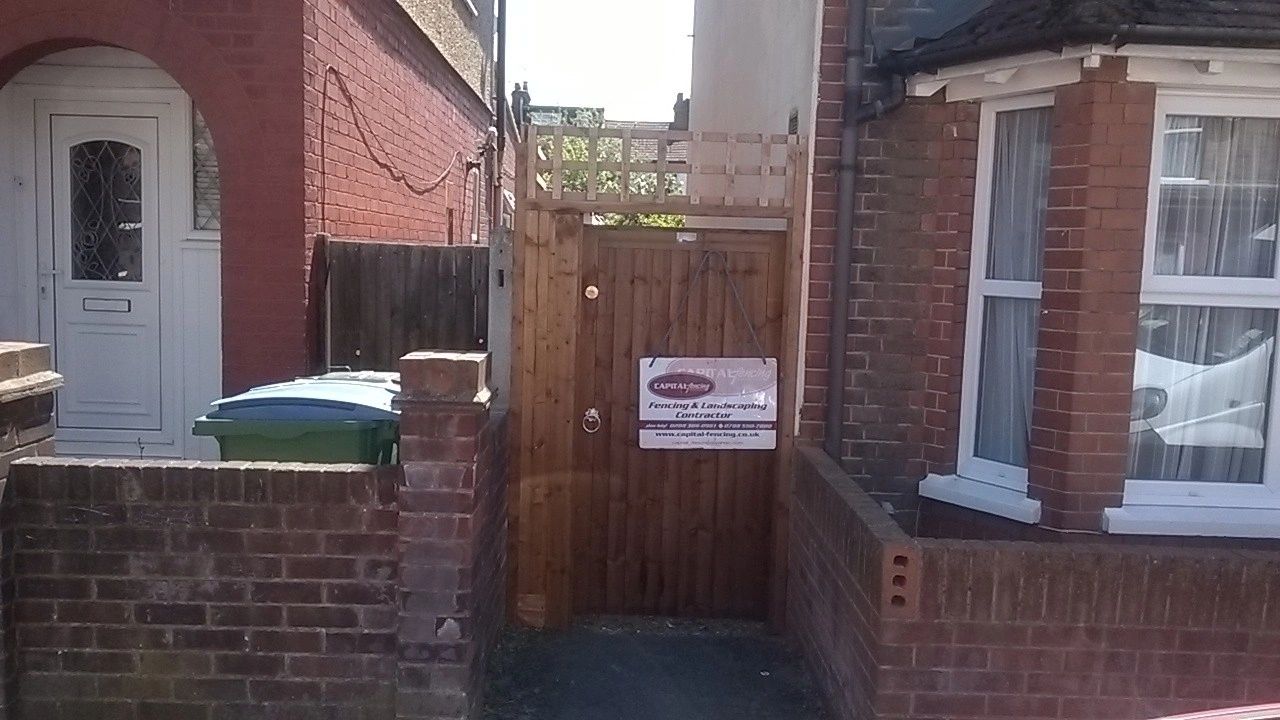
bespoke wooden gate installed by Capital Fencing in Potters Bar (EN6)double driveway gates installed by Capital Fencing in Potters Bar (EN6)hardwood side gate installed by Capital Fencing in Potters Bar (EN6)metal entrance gate installed by Capital Fencing in Potters Bar (EN6)

How we approach side return gates on Potters Bar properties

Bolt-down versus concreted base plates

A bolt-down base plate suits hardstanding such as a concrete yard or car park, using resin or expansion anchors rather than digging a footing, which keeps the surface intact and the fence removable if the layout changes.

A concreted post gives a stiffer, more permanent fixing on soil or made-up ground, but it isn't an option where the surface can't be broken — the choice is driven by the ground, not by preference.

Height and visibility rules for gates

A driveway or front gate is subject to the same permitted development height limits as a boundary fence, and a gate near a junction or a shared driveway has additional visibility requirements to keep sightlines clear for road users.

We check these before recommending a taller or more solid replacement gate, not just when repairing an existing one.

Treatment standards and use classes for timber

British and European standards define timber 'use classes' according to exposure — Use Class 4 covers timber in ground contact, such as fence posts, and requires a deeper level of preservative treatment than Use Class 3 cladding or rails that are exposed to weather but not buried.

Specifying Use Class 3 timber for a post that goes into the ground is one of the most common causes of early rot failure, since the treatment simply isn't rated for sustained soil contact and moisture.

A reputable timber merchant should be able to confirm the use class and treatment certificate for structural components, and it's worth asking for it explicitly rather than assuming 'tanalised' automatically means suitable for ground contact.

Concreted posts against bolted baseplates for a semi-permanent compound

A concreted post gives a stronger, more permanent fixing appropriate to a fence expected to stay in place indefinitely, but it's disruptive and costly to remove if the boundary line needs to move later, such as when a leased yard's layout changes.

A bolted baseplate fixed to an existing hardstanding trades some ultimate strength for the ability to relocate or remove the fence relatively cleanly, which suits a semi-permanent compound on a leased site better than a fully concreted installation.

Framed, ledged and braced gate frames

A framed, ledged and braced gate combines a proper mortice-and-tenon perimeter frame with ledges and a diagonal brace behind the boarding, giving more racking resistance than a simple ledged-and-braced gate that has no frame at all.

This construction costs more to build than a basic ledged gate but holds its shape for longer, which matters on a wider or more exposed opening.

Incising for treatment penetration

Incising is the process of pressing a pattern of small slits into a timber's surface before pressure treatment, breaking through the outer layer so preservative can reach further into the wood than it otherwise would.

It's most relevant on species like spruce and whitewood, which have a dense, resistant heartwood-adjacent layer that untreated slits would leave largely unprotected, whereas naturally permeable species such as pine sapwood rarely need it.

The trade-off is a slightly roughened surface texture with visible slit marks, which is a fair exchange for genuine depth of penetration rather than a treatment that sits mostly on the surface.

How ground type affects a repair

Clay ground that's shifted with the seasons is a common underlying cause of a post working loose even where storm damage gets the blame, so a repair on clay sometimes needs a deeper reset than the original installation used.

Where ground has settled unevenly across a run, we check whether that settlement is still ongoing before repairing, since fixing into ground that's still moving risks the same failure recurring.

Historic planning conditions overriding permitted development

Some properties, particularly newer housing developments, have a specific planning condition attached to their original permission that restricts boundary treatments beyond the normal permitted development rules.

These conditions remain in force indefinitely unless formally varied or removed, regardless of how long ago the development was built.

Checking the property's planning history on the council's online planning register is a quick way to spot this kind of condition before assuming standard permitted development rights apply.

How we measure and quote a job

A proper quote starts with a site visit rather than a phone estimate — measuring the actual run length, checking ground conditions with a probe or short trial dig, and confirming access before any numbers go on paper.

That's the only reliable way to catch the things that change a price: buried obstructions, a slope that needs stepping, a shared boundary that needs the neighbour's agreement, or a gate opening that's slightly out of square.

A written quote following that visit should specify post spacing, post and panel material, base type and any extras like gravel boards or capping, so there's nothing to renegotiate once the job starts.

Ground frost and concrete curing

Concrete poured in freezing conditions can be damaged before it's cured, since ice forming within the mix disrupts the setting process and weakens the finished footing.

Where a repair has to go ahead in cold weather, frost-resistant mixes or protective covering over a fresh footing help the concrete cure properly rather than risking a footing that fails within its first year.

Recording an informal boundary agreement properly

Where neighbours agree a boundary line that differs slightly from, or clarifies, what the deeds show, that agreement carries far more weight if it's put in writing and signed by both parties rather than left as a verbal understanding.

A formal boundary agreement can, in some cases, be registered with HM Land Registry against both titles, which protects the arrangement for future owners of either property.

Even a simple written note with an agreed sketch, dated and signed by both neighbours, is worth far more later than relying on memory of a conversation years afterwards.

Temporary hoarding during other building work

Where fencing or gate work runs alongside a wider building project — an extension, a loft conversion with scaffolding, or a full renovation — a temporary hoarding or site fence often needs to go up before the permanent boundary work can start.

Temporary fencing adjoining a public footpath or road has its own public safety considerations, including visibility for pedestrians and vehicles passing the site.

Sequencing matters here — installing the final boundary fence before other trades have finished moving materials through that access point often means damage that has to be repaired before the job can be signed off.

Realistic maintenance intervals

Pressure-treated softwood fencing generally wants a re-application of preservative or stain every two to three years to keep the surface protected, more often on a south-facing run that gets constant UV exposure.

Gate hinges and latches are worth checking annually for movement or corrosion, since a small adjustment caught early avoids the gate racking out of square and needing a rebuild.

Decking boards benefit from a yearly clean to clear leaf litter and algae from the gaps, which is what actually causes most of the slipperiness people blame on the timber itself.

Equestrian and paddock fencing basics

Post-and-rail is the standard equestrian boundary because it's forgiving on impact — a horse pushing against it is less likely to be injured than against wire or a rigid panel, and any wire used alongside timber rails needs to be clearly visible, not fine-gauge stock wire that a horse can't see.

Field gate widths for equestrian use are wider than a domestic garden gate, usually at least 3.6m, to allow a horse to be led through without crowding the gateposts.

Paddock fence lines also need checking for toxic hedge or tree species growing along the boundary, since horses can reach through post-and-rail in a way they can't through a solid fence.

Powder coating and galvanising

Galvanising bonds a zinc coating to steel, usually by hot-dip, giving corrosion protection that works even if the surface is scratched because the surrounding zinc sacrifices itself to protect the exposed steel.

Powder coating is a decorative and additional protective layer baked onto the metal, giving a wide choice of colour and a harder finish than paint, but on its own over bare steel it doesn't offer the same self-healing protection as galvanising.

The durable combination for steel gates and railings is galvanising first, powder coating over the top, rather than powder coating alone, which is worth checking on a quote where both are mentioned separately.

Keeping post hole depth consistent along a run

A hole dug slightly shallower than its neighbours because the ground got harder partway down is an easy shortcut to take under time pressure, but it leaves that one post less securely founded than the rest of the run.

Marking a consistent depth on the digging tool itself, rather than judging depth by eye each time, keeps every hole to the same standard regardless of how the ground conditions vary along the run.

Where genuinely harder ground forces a shallower hole at one point, compensating with a wider hole and more concrete at that post is a better response than simply accepting reduced depth and hoping it holds.

Skip permits on a public highway

A skip placed on a public road or pavement, rather than entirely on private land such as a driveway, generally needs a permit from the local council's highways department beforehand.

Permits usually specify how the skip must be lit and marked, particularly overnight, and there are often restrictions near junctions or on narrower streets.

Placing a skip on the highway without the required permit can result in a fine, so it's worth checking with the skip hire company or council directly rather than assuming it's not needed.

Setting out a straight run with string lines

A straight fence line starts with two fixed end points and a string line pulled taut between them, usually run just above where the posts will sit rather than at ground level where it snags on grass or debris.

On a long run the string sags under its own weight, so an intermediate profile or peg is needed every few bays to keep the sight line true rather than trusting a single span.

Any post that's set even 10-15mm off that line becomes visible once panels go in, because the eye picks up a wander in a boundary far more readily than a small step in level.

Freeholder consent for leasehold flats

Where a garden or yard is demised under a long lease rather than owned outright, the lease itself often requires the freeholder's written consent before any structural alteration, and a new fence, wall or gate can count as an alteration even in a small private yard.

Some leases route this through a managing agent who needs formal notice and a fee before works start, and skipping that step can technically breach the lease even where the work itself is uncontroversial.

It's worth reading the relevant clause of the lease, or asking the managing agent directly, rather than assuming that owning the flat gives unrestricted rights over its garden boundary.

Cleat fixing at pale-to-rail junctions

Pales are commonly bolted to rails through a cleat rather than welded, because a bolted cleat can be replaced individually if a pale is damaged, whereas a welded joint means cutting into the rail to make a repair.

Cleats are punched to match the pale profile so the fixing sits flush rather than proud, and a mismatched cleat left loose is one of the more common defects found on an older palisade run at survey stage.

Repairing a fence near a tree protected by a Tree Preservation Order

Digging a new post hole or footing close to a protected tree's root zone can be restricted even where the fence itself needs no permission, since the restriction is about protecting the tree's roots rather than the fence.

Where root heave from a nearby tree has caused the damage being repaired, it's worth checking whether the tree is protected before digging anywhere near it, since hand-digging around roots or repositioning the post slightly may be required instead of a standard footing.

Drainage as a repeat cause of failure

Where a post has failed at the base, poor drainage around that specific spot is often the underlying reason rather than simple age — a low point that collects rainwater rots a post from the ground up years before the timber above shows any sign of it.

A repair that resets the post without addressing the drainage at that point risks the same failure recurring within a few seasons.

Whether the brief is hardwood side gate between a rendered wall and a brick pier, 780mm opening, drop-bolt into a concrete slab socket or tongue-and-groove side gate framed on adjustable ball-race hinges to cope with seasonal timber movement, we quote it from a site visit, not a photo. Potters Bar is inside our core working patch and most jobs are booked in inside a fortnight. Roads such as Southgate Road and Barnet Road are typical of the local layout. Potters Bar station is a useful local reference point. Post-war infill behind the main roads means several closes have narrow rear access for materials.

Get In Touch

Get My Free Quote — 24h Response

No callout fee · Free site visit · Friendly local team covering London & Hertfordshire.

Call us
07885907880
or 02036484746
Email
capital_fencing@yahoo.com
WhatsApp
Message us anytime
Area
London & Hertfordshire
Payment
Card payments accepted

Pay by debit or credit card, bank transfer or cash once the work and price are agreed. No deposit taken online.

Request a Free Quote

We'll get back to you within 24 hours.

Free Site Visit No Callout Fee
Call WhatsAppQuote