
How it's done
Flower Bed Ideas and How to Make a New Bed
Last updated
The short answer
The flower bed ideas that last are simple: borders along fences and around patios, clear shapes that are easy to mow around, and a firm edge. To make a new bed, mark it out, lift the turf, remove weed roots, dig in compost and finish the edge.
At a glance
- Best spots
- Along fences and around patios
- Edge
- Metal, timber, brick or a mowing strip
- Near fences
- Keep soil off the boards
- Plant for
- The light and soil of the spot
A good flower bed starts with the right place and a clean edge. Get the shape, edging and soil right, and the planting has a much better chance.
Flower beds do much of the work of making a garden feel finished. They soften fences, mark the edge of a lawn and fill corners that grass struggles in. The ideas that last tend to be simple ones carried out neatly.
We create planting beds, edging and borders as part of our landscaping work, especially alongside new fences and patios. This guide covers placing a bed, shaping it, edging it and preparing the ground.
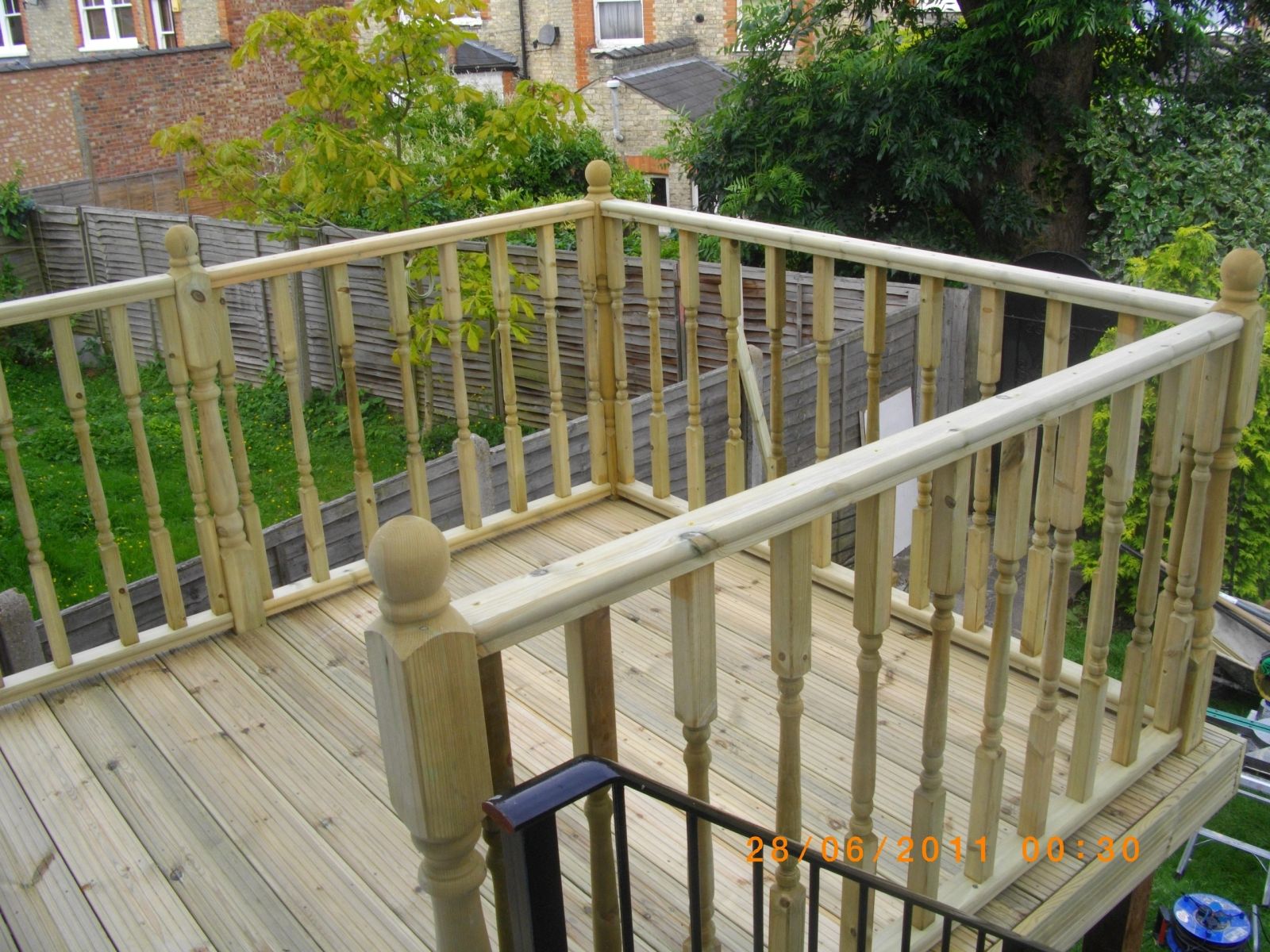
Placing beds where they help
Borders along fences and walls are the classic choice because they hide the base of the boundary and give climbing plants a home. Beds around a patio frame the seating area, while a bed at the far end draws the eye down the garden.
Avoid island beds in the middle of a small lawn. They break up the grass and make mowing fiddly.
Choosing a shape
Long, gentle curves suit informal gardens and are easy to mow around. Straight edges and rectangular beds suit modern paving and slatted fences. Whatever the shape, lay a hose or rope on the ground first and look at it from the house before cutting anything.
Deep borders give more room to layer planting than narrow strips, which tend to look thin.
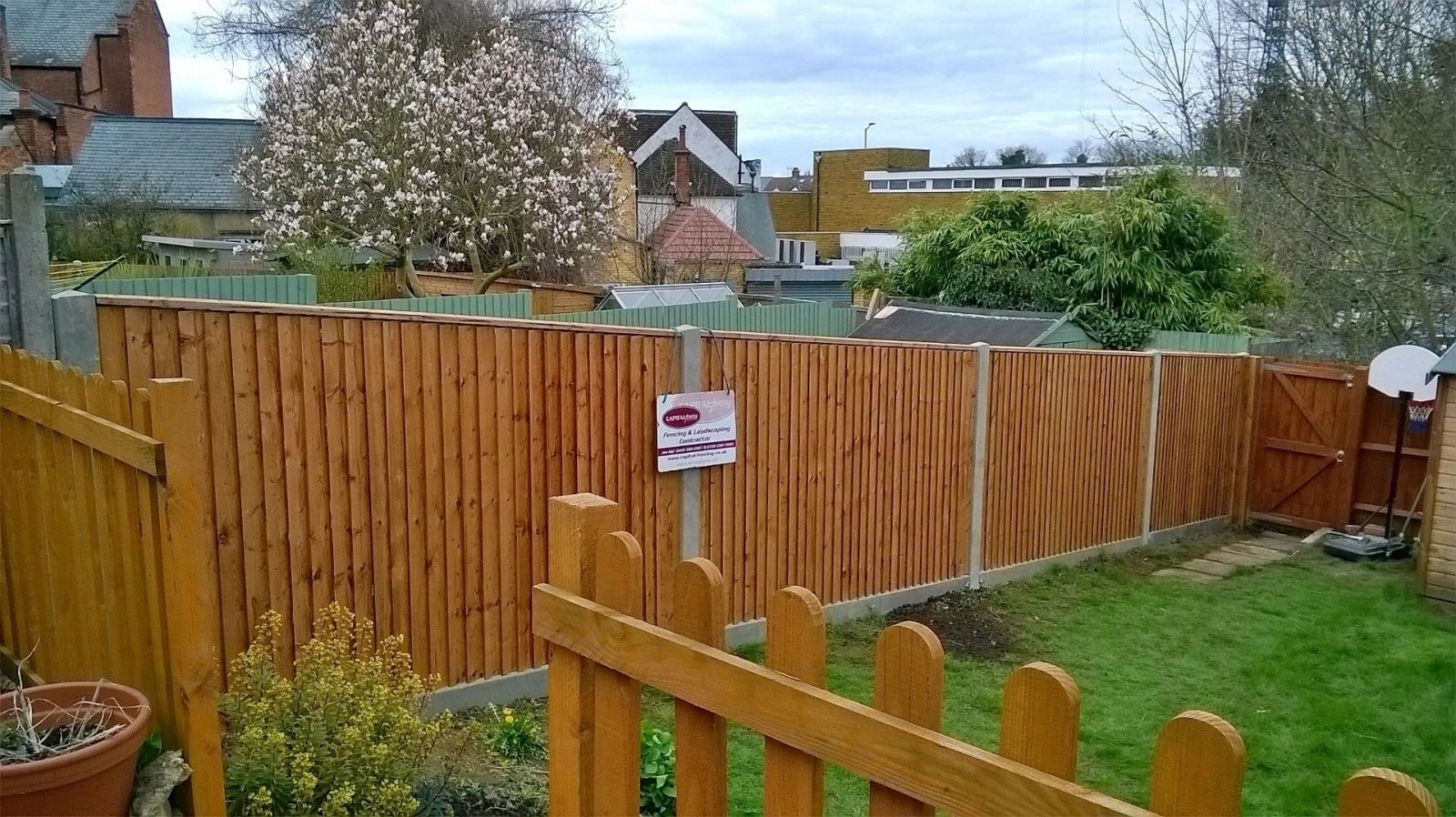
Edging options
A clean edge keeps grass out and soil in. Metal edging gives a crisp line, timber and sleepers suit informal gardens, brick or paving sets make a mowing strip, and a simple cut turf edge works if it is recut regularly.
Where a bed meets a fence, leave a little space so the boards are not sitting in damp soil and the fence can still be inspected.
Making a new flower bed
Mark the outline, cut and lift the turf, and remove perennial weed roots. Dig over the soil, working in compost to improve structure, then rake level with the bed sitting slightly below any paving so soil does not wash across it.
Before cutting a bed into the lawn, check where shallow garden cables or pipes might run, especially near lighting or outside taps.
Planting ideas for different spots
Sunny, dry beds suit lavender, grasses and herbs. Shady borders beside a tall fence suit ferns, hostas and woodland plants. Climbers such as clematis or roses can be trained along a new fence or trellis panel.
Repeating a few plants along a border usually looks better than one of everything.
Raised beds or ground beds
Raised sleeper beds suit heavy clay, sloping gardens and people who want less bending. Ground level beds are cheaper and blend more softly into the lawn. Many gardens use both.
Mulching after planting helps hold moisture and keeps weeds down.
Planning beds with other work
Beds are easiest to form when the fence, patio and lawn are being done at the same time, because levels and edges can all be set together. We can include new beds, edging and paths in the written quote for a fencing or landscaping job.
Beds that suit low maintenance
If time is short, choose shrubs, grasses and ground cover rather than annual bedding that needs replacing each year. A deep mulch of bark or gravel suppresses weeds and keeps moisture in. Raised edges and mowing strips mean the lawn edge stays neat without trimming by hand every week, and fewer, larger beds are quicker to look after than many small ones.
Beds in front gardens
Front gardens often have to balance planting with parking, paths and bin storage. A narrow bed along the front boundary softens a low fence or wall without blocking sightlines from the drive. Where a dropped kerb or driveway is involved, check with the council before changing the front surface, as rules can apply to hard surfaces and drainage at the front of a property.
Wildlife friendly borders
Mixed planting with flowers through the seasons gives bees and other insects food for longer. Leaving seed heads standing over winter feeds birds, and a small gap at the base of a fence lets hedgehogs travel between gardens. Climbing plants on a fence provide cover for nesting birds, as long as any trimming avoids the nesting season.
Frequently asked
How do I make a flower bed in my lawn?
Mark the shape, lift the turf, remove weed roots, dig in compost and finish with a clean edge so the grass does not creep back.
What edging is best for a flower bed?
Metal edging gives the neatest line, while sleepers, brick and paving suit different styles. A mowing strip makes lawn care easier.
Should a flower bed go right up to the fence?
A border along a fence works well, but leave a small gap so soil is not piled against the boards.
Do you create planting beds?
Yes. Planting beds, edging and paths are part of our landscaping work, usually alongside fencing, patios or turf.
Want new borders shaped and edged?
Send a photo of where you picture the beds. We can form beds and edging alongside fencing, patio or lawn work.