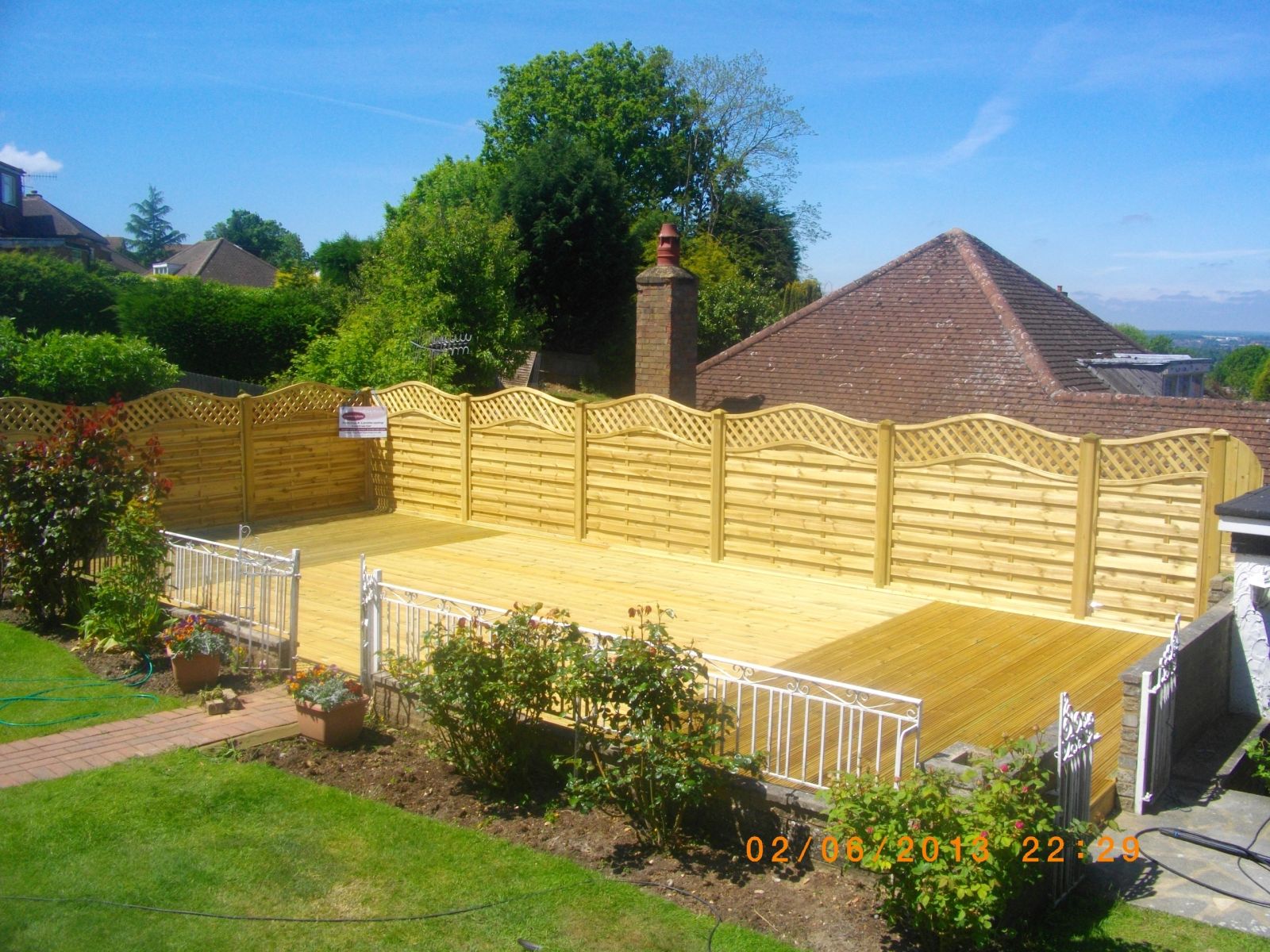
Composite Fencing in Watford: What Works on mixed — tight back-to-backs near the town centre
Capital Fencing installs composite fencing across Watford and out to bushey and borehamwood. Watford Borough coverage plus proximity to M1 J5 / M25 J19 means most quotes are on your inbox within 48 hours of a site visit. Recent work on Rickmansworth Road and Bushey Mill Lane. We orient jobs off Whippendell Wood. Vicarage Road terrace shared boundary. Closeboard with concrete posts; phased over two weekends around match days. Replaced a 30-year-old panel line that had become a dispute trigger.
Capital Fencing installs composite fencing across Watford and out to bushey and borehamwood. Watford Borough coverage plus proximity to M1 J5 / M25 J19 means most quotes are on your inbox within 48 hours of a site visit. Recent work on Rickmansworth Road and Bushey Mill Lane. We orient jobs off Whippendell Wood. Vicarage Road terrace shared boundary. Closeboard with concrete posts; phased over two weekends around match days. Replaced a 30-year-old panel line that had become a dispute trigger.
How we build composite fencing in Watford
Wood-polymer composite boards on aluminium or steel posts. Standard build: 6ft × 6ft panels, 2.4m aluminium posts on 700mm concrete bases. On Watford jobs we adjust for tree-root heave is common near cassiobury and whippendell wood, so concrete-set posts are non-negotiable.
Property mix locally: Victorian terraces around the centre, 1930s semis in Oxhey, and large detached homes in Cassiobury. Typical gardens: mixed — tight back-to-backs near the town centre, generous plots toward Cassiobury Park. Postcodes we regularly service: WD17, WD18, WD19.
Why composite fencing works here
- no annual staining or oiling
- colour-through boards don't fade to grey the way pressure-treated timber does
- aluminium post system won't rot at ground level, which is where 90% of timber fences fail
Common Watford briefs
- → commercial forecourts where painted timber looks tired within a season
- → rental properties where landlords want a 15-year panel life without staining trips
Composite Fencing FAQs — Watford
Can composite panels drop into existing concrete posts?
Across Watford (WD17), the honest answer depends on victorian terraces around the centre and mixed — tight back-to-backs near the town centre. We'll walk you through both no annual staining or oiling and up-front cost is roughly double a lap-panel fence on the site visit before you commit.
Do composite panels handle high wind loads?
On Watford jobs we spec around tree-root heave is common near cassiobury and whippendell wood, so concrete-set posts are non-negotiable, so the default is 6ft × 6ft panels, 2.4m aluminium posts on 700mm concrete bases. In short: no annual staining or oiling, though up-front cost is roughly double a lap-panel fence.
Can you match a neighbour's existing composite colour?
Watford Borough coverage and M1 J5 / M25 J19 access means we can survey most WD17 addresses inside a week. In short: no annual staining or oiling, though up-front cost is roughly double a lap-panel fence.
Does composite fencing warp or fade in full sun?
We've installed composite fencing across Watford — from Watford Business Park through to the quieter streets toward bushey. Practically, that means colour-through boards don't fade to grey the way pressure-treated timber does — and we're upfront that boards can dent under a football or garden strimmer edge.
Is composite fencing worth the extra cost?
Across Watford (WD17), the honest answer depends on victorian terraces around the centre and mixed — tight back-to-backs near the town centre. In short: no annual staining or oiling, though up-front cost is roughly double a lap-panel fence.
Recent composite fencing work
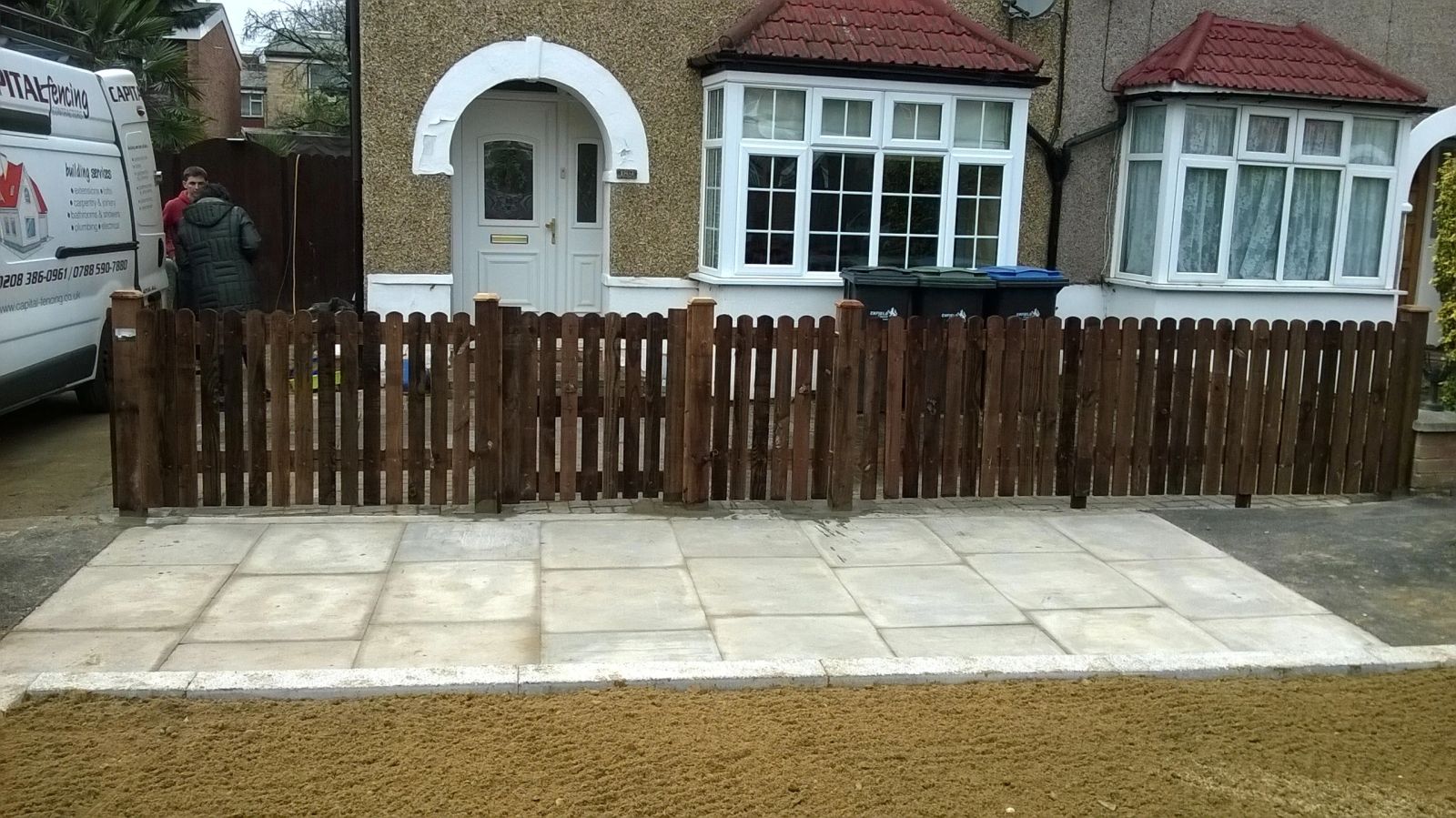
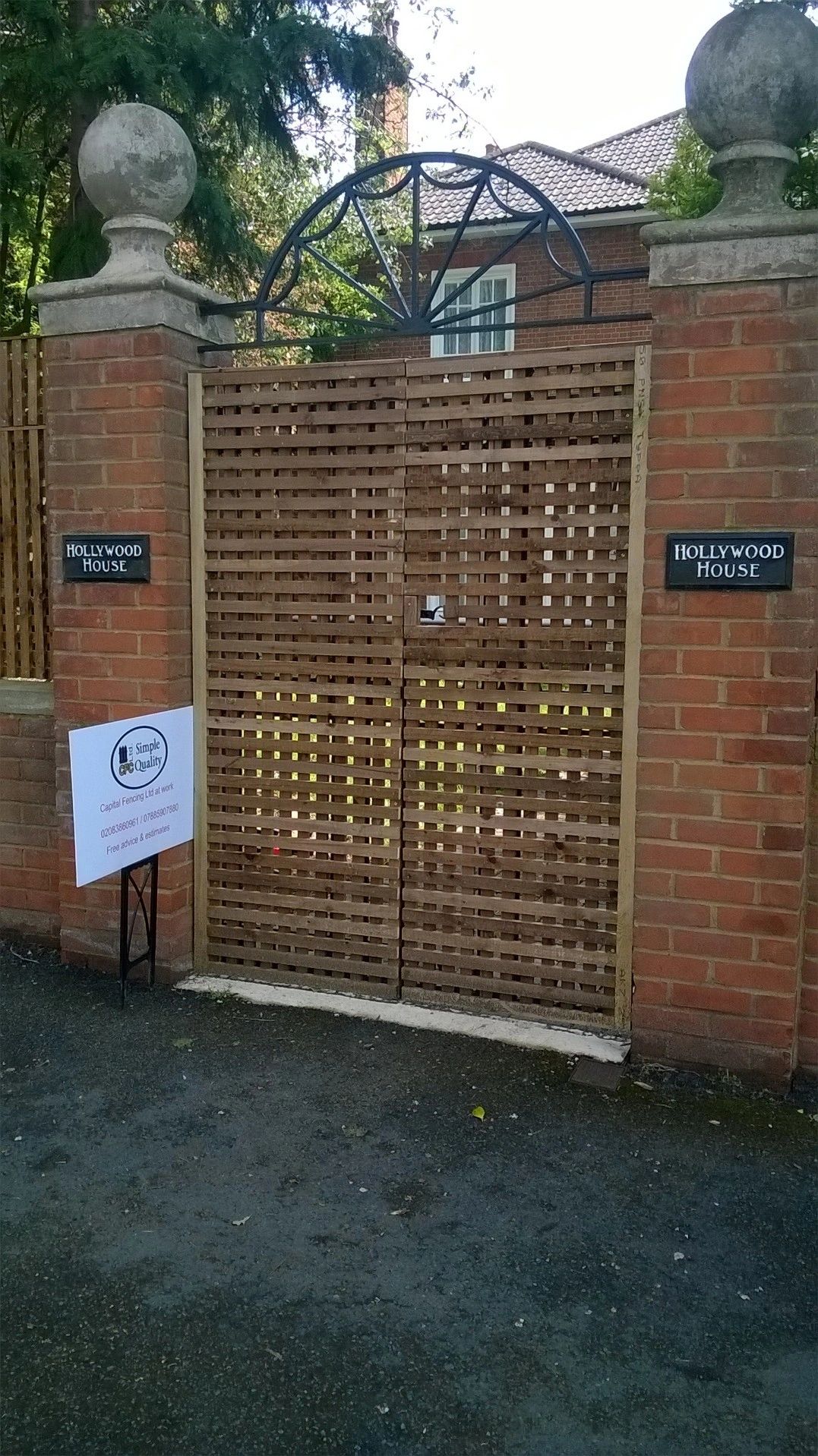
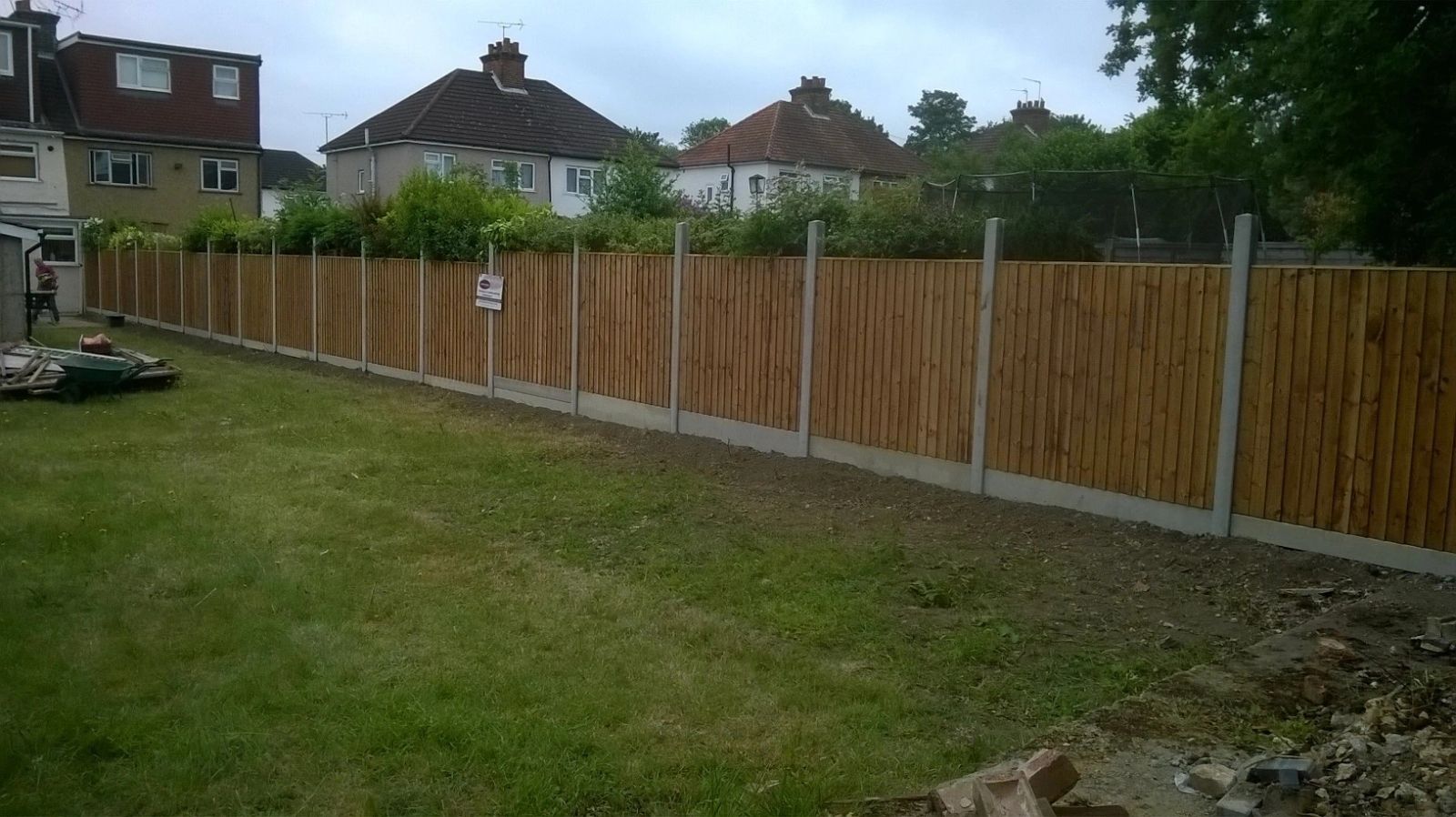
Composite Fencing across WD17, WD18, WD19 is one of our regular runs. We'll quote honestly, tell you if composite fencing isn't the right answer for your garden, and book the job in within a week or two of a signed quote. Recent work on Cassio Road and Hempstead Road. We orient jobs off Grand Union Canal locks. Nascot Wood Road boundary weaving mature beech roots. Hand-dug bases, offset post positions agreed with client's arb, closeboard with stepped rails. Zero root damage; arb signed off on site before back-filling.
Get My Free Quote — 24h Response
No callout fee · Fully insured · Friendly local team covering London & Hertfordshire.