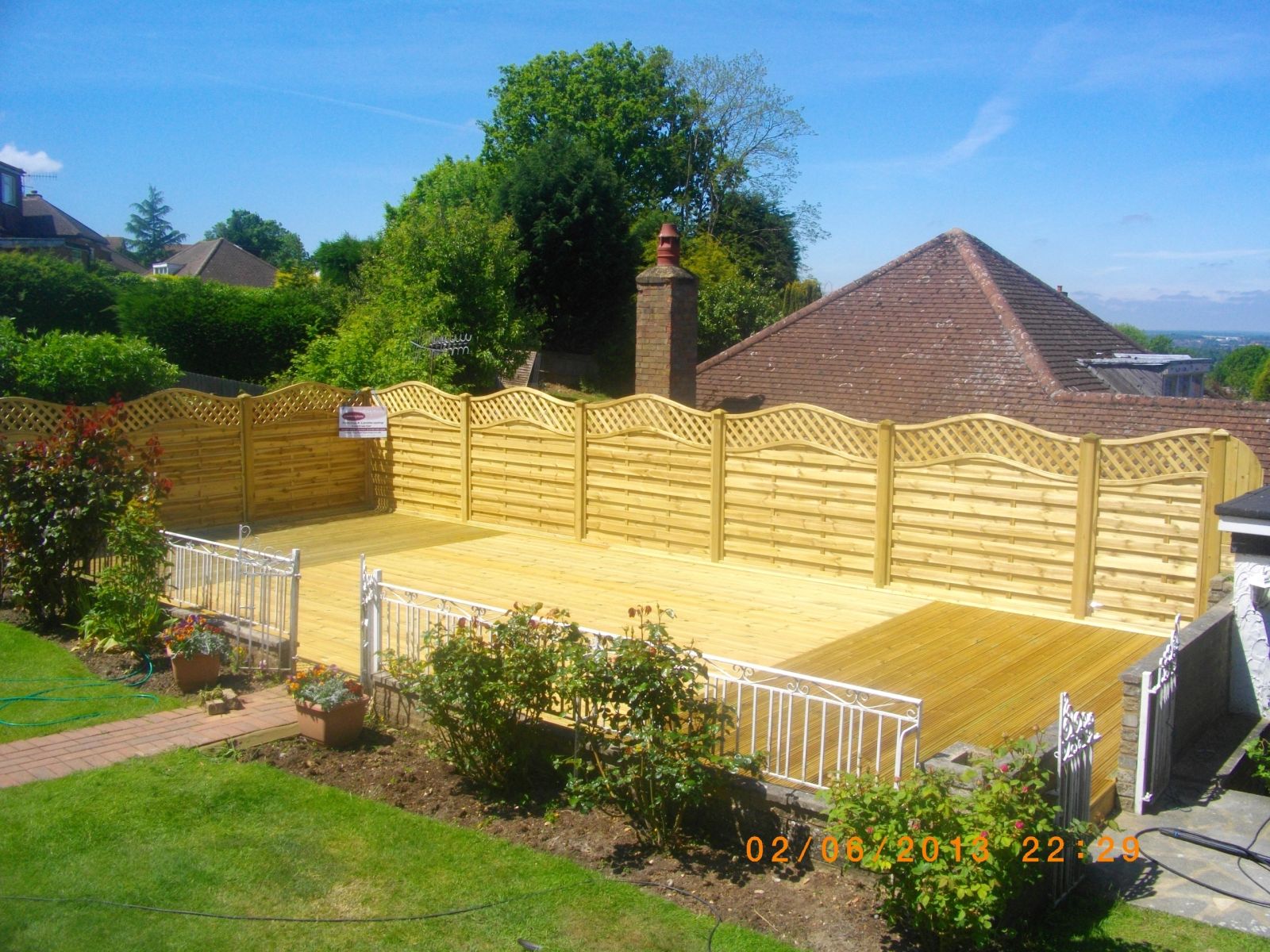
Watford Metal Gates — Specified for WD17, WD18, WD19
Capital Fencing installs metal gates across Watford and out to bushey and borehamwood. Watford Borough coverage plus proximity to M1 J5 / M25 J19 means most quotes are on your inbox within 48 hours of a site visit. Recent work on Rickmansworth Road and Hempstead Road. We orient jobs off Cassiobury Park. Vicarage Road terrace shared boundary. Closeboard with concrete posts; phased over two weekends around match days. Replaced a 30-year-old panel line that had become a dispute trigger.
Capital Fencing installs metal gates across Watford and out to bushey and borehamwood. Watford Borough coverage plus proximity to M1 J5 / M25 J19 means most quotes are on your inbox within 48 hours of a site visit. Recent work on Rickmansworth Road and Hempstead Road. We orient jobs off Cassiobury Park. Vicarage Road terrace shared boundary. Closeboard with concrete posts; phased over two weekends around match days. Replaced a 30-year-old panel line that had become a dispute trigger.
Why metal gates works here
- won't warp, drop or shrink the way timber does
- handles automation loads without the reinforcement carpentry timber gates need
- hot-dip galvanised then powder-coated finishes give 25-year service life
Where metal gates isn't the right answer
- •impact damage usually means welding and re-coating on site
- •no natural warmth — often paired with timber slats or composite infill
We'll say so on the site visit — a wasted quote helps nobody.
How we build metal gates in Watford
Galvanised steel or wrought-iron-style frames with hardwood or composite infill. Standard build: 50×50mm SHS frame, 40×40mm infill or hardwood slats, hot-dip galv + RAL powder-coat. On Watford jobs we adjust for tree-root heave is common near cassiobury and whippendell wood, so concrete-set posts are non-negotiable.
Property mix locally: Victorian terraces around the centre, 1930s semis in Oxhey, and large detached homes in Cassiobury. Typical gardens: mixed — tight back-to-backs near the town centre, generous plots toward Cassiobury Park. Postcodes we regularly service: WD17, WD18, WD19.
Common Watford briefs
- → estate-style pedestrian gates matching bow-top railings
- → commercial yard gates with drop bolts, cane bolts and industrial hinges
Metal Gates FAQs — Watford
How long do galvanised gates last before recoating?
Across Watford (WD17), the honest answer depends on victorian terraces around the centre and mixed — tight back-to-backs near the town centre. Practically, that means handles automation loads without the reinforcement carpentry timber gates need — and we're upfront that no natural warmth — often paired with timber slats or composite infill.
How do you finish metal gates to stop rust?
On Watford jobs we spec around tree-root heave is common near cassiobury and whippendell wood, so concrete-set posts are non-negotiable, so the default is 50×50mm SHS frame, 40×40mm infill or hardwood slats, hot-dip galv + RAL powder-coat. Practically, that means handles automation loads without the reinforcement carpentry timber gates need — and we're upfront that no natural warmth — often paired with timber slats or composite infill.
What's the maximum span before a metal driveway gate needs a wheel or cantilever?
Watford Borough coverage and M1 J5 / M25 J19 access means we can survey most WD17 addresses inside a week. We'll walk you through both won't warp, drop or shrink the way timber does and impact damage usually means welding and re-coating on site on the site visit before you commit.
Can I mix metal gates with a timber fence?
We've installed metal gates across Watford — from Watford Business Park through to the quieter streets toward bushey. Practically, that means handles automation loads without the reinforcement carpentry timber gates need — and we're upfront that no natural warmth — often paired with timber slats or composite infill.
Do you install pedestrian and driveway gates as a matching pair?
Across Watford (WD17), the honest answer depends on victorian terraces around the centre and mixed — tight back-to-backs near the town centre. In short: won't warp, drop or shrink the way timber does, though impact damage usually means welding and re-coating on site.
Recent metal gates work
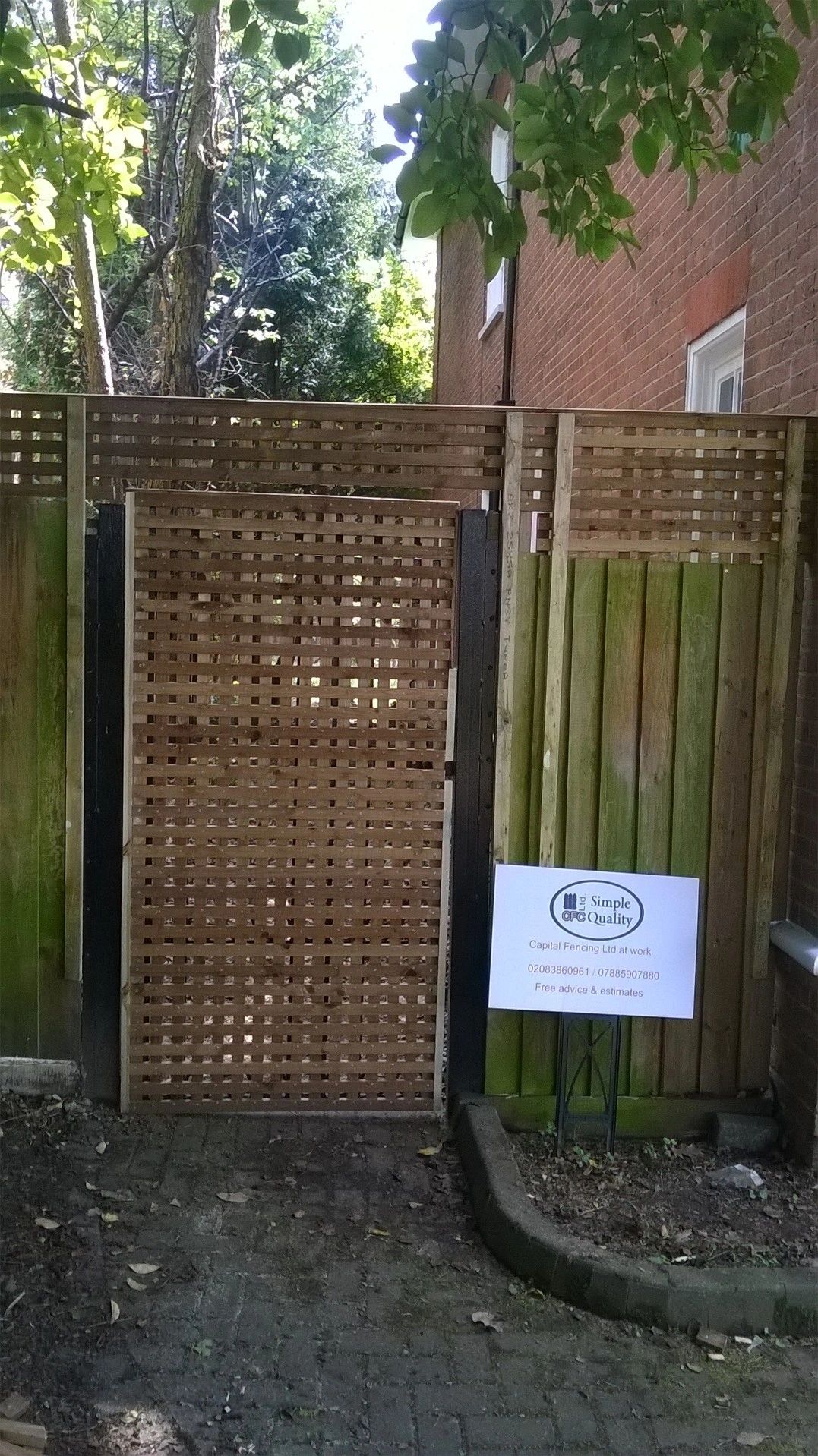
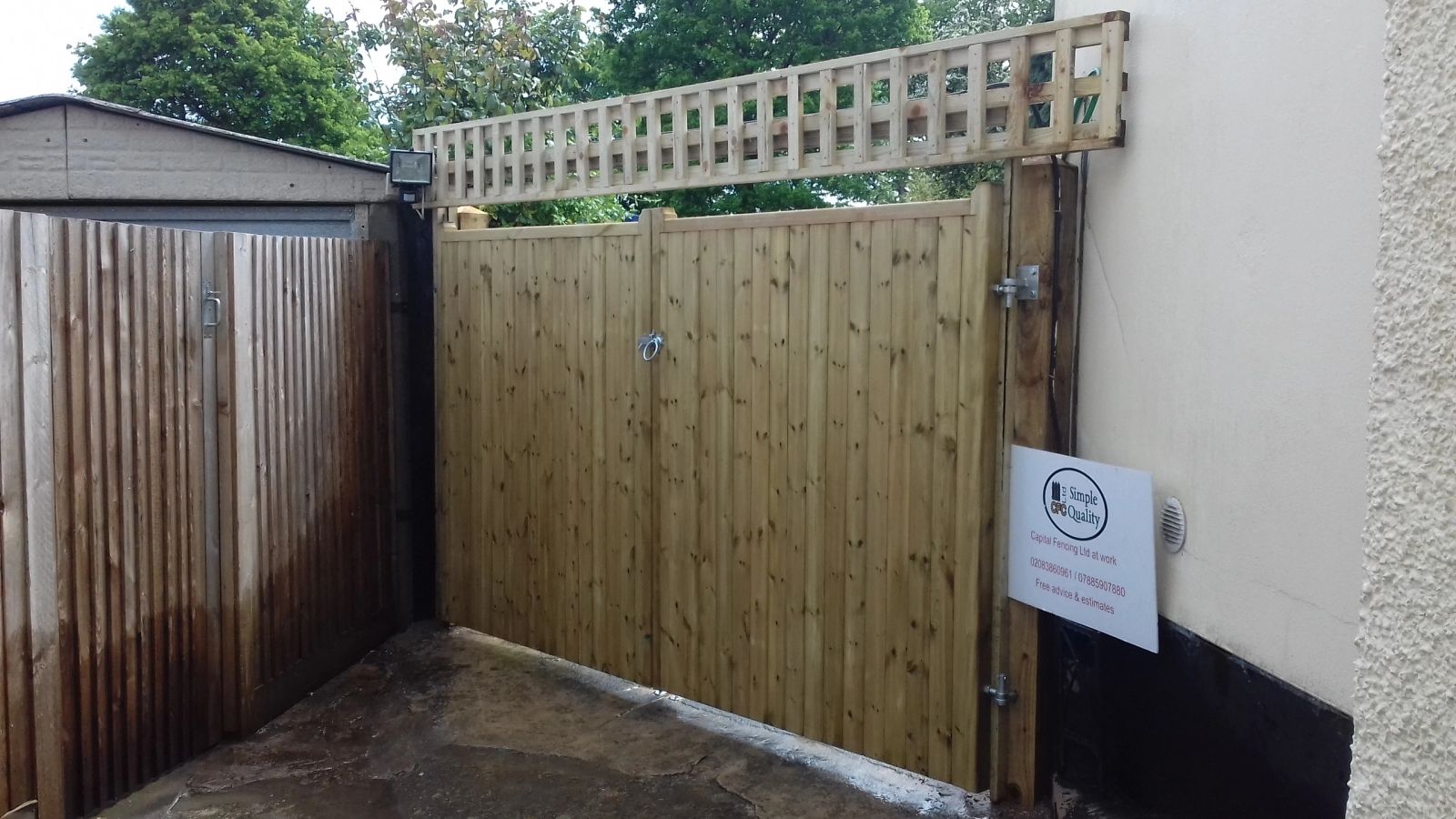
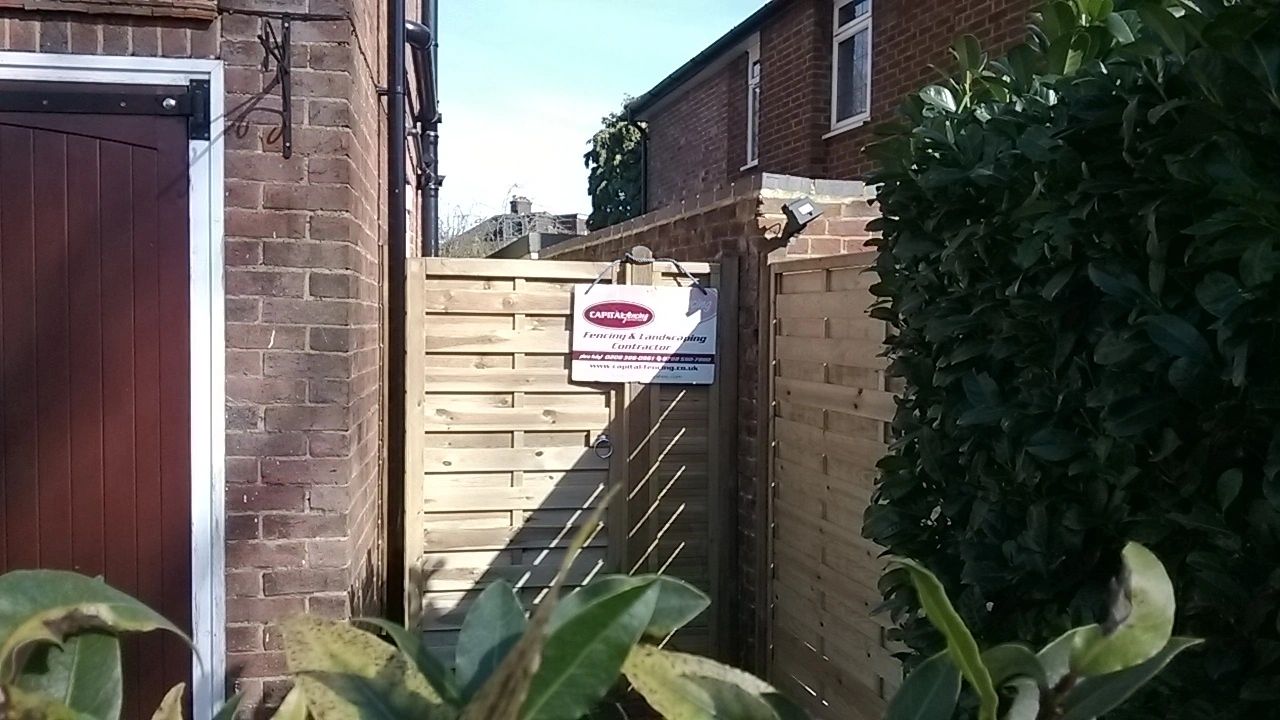
Watford clients get the same crew from first visit to hand-over. That's the whole model — one small team, metal gates done properly, warranty in writing. Recent work on Hempstead Road and Nascot Wood Road. We orient jobs off Grand Union Canal locks. Cassiobury Park-side rear boundary. 2m closeboard with trellis top to retain park outlook. Heightened privacy without losing the borrowed view.
Get My Free Quote — 24h Response
No callout fee · Fully insured · Friendly local team covering London & Hertfordshire.