Metal Fencing in Welwyn Garden City (AL7)
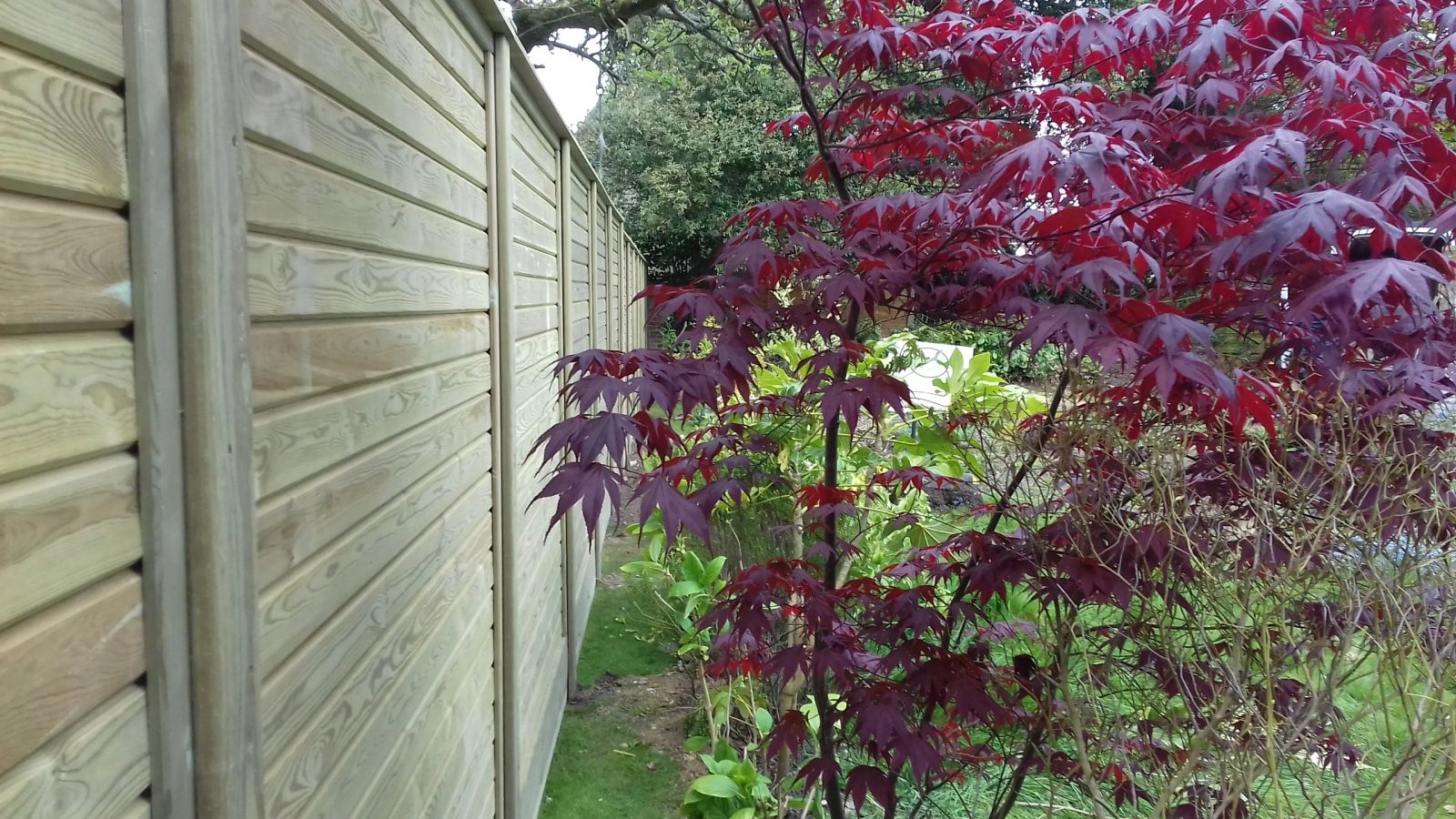
Every metal fencing job we run in Welwyn Garden City starts from what fails locally: welwyn garden city has design covenants — front fences typically restricted in height and style. Our default spec — 1.8m bow-top or estate railings, 40mm SHS posts, concrete-set at 750mm — is built around that, not around a generic price sheet. Recent work on Howardsgate and Handside Lane. We orient jobs off Sherrardswood. Handside Lane front boundary. Painted picket to match the original Garden City estate spec. Restored visual consistency with eight neighbouring plots.
Every metal fencing job we run in Welwyn Garden City starts from what fails locally: welwyn garden city has design covenants — front fences typically restricted in height and style. Our default spec — 1.8m bow-top or estate railings, 40mm SHS posts, concrete-set at 750mm — is built around that, not around a generic price sheet. Recent work on Howardsgate and Handside Lane. We orient jobs off Sherrardswood. Handside Lane front boundary. Painted picket to match the original Garden City estate spec. Restored visual consistency with eight neighbouring plots.
Common Welwyn Garden City briefs
- → front boundaries where visibility for parking and CCTV matters more than privacy
- → commercial yards and forecourts where fork-lift damage is a real risk
Why metal fencing works here
- structurally the toughest boundary material we install
- hot-dip galvanising plus powder coat gives a 25-year plus service life
- doesn't warp, twist or lose fixings the way seasoned timber does
How we build metal fencing in Welwyn Garden City
Galvanised steel, powder-coated bar-and-rail or estate railings. Standard build: 1.8m bow-top or estate railings, 40mm SHS posts, concrete-set at 750mm. On Welwyn Garden City jobs we adjust for welwyn garden city has design covenants — front fences typically restricted in height and style.
Property mix locally: the original Garden City Movement housing — neo-Georgian semis and short terraces with consistent frontages. Typical gardens: rear gardens hidden behind tall established hedgerows; many properties sit on the original 1920s grid. Postcodes we regularly service: AL7, AL8.
Metal Fencing FAQs — Welwyn Garden City
Are bow-top railings compliant for school and nursery use?
Across Welwyn Garden City (AL7), the honest answer depends on the original garden city movement housing — neo-georgian semis and short terraces with consistent frontages and rear gardens hidden behind tall established hedgerows; many properties sit on the original 1920s grid. We'll walk you through both structurally the toughest boundary material we install and no privacy — this is a demarcation and security material, not a screen on the site visit before you commit.
Can metal railings be installed on a low brick wall?
On Welwyn Garden City jobs we spec around welwyn garden city has design covenants — front fences typically restricted in height and style, so the default is 1.8m bow-top or estate railings, 40mm SHS posts, concrete-set at 750mm. We'll walk you through both structurally the toughest boundary material we install and no privacy — this is a demarcation and security material, not a screen on the site visit before you commit.
Can metal fencing be repaired after impact damage?
Welwyn Hatfield Borough coverage and A1(M) J4 access means we can survey most AL7 addresses inside a week. We'll walk you through both structurally the toughest boundary material we install and no privacy — this is a demarcation and security material, not a screen on the site visit before you commit.
Do you install decorative wrought-iron style panels?
We've installed metal fencing across Welwyn Garden City — from Broadwater Road through to the quieter streets toward hatfield. We'll walk you through both structurally the toughest boundary material we install and no privacy — this is a demarcation and security material, not a screen on the site visit before you commit.
What's the lead time on made-to-measure railings?
Across Welwyn Garden City (AL7), the honest answer depends on the original garden city movement housing — neo-georgian semis and short terraces with consistent frontages and rear gardens hidden behind tall established hedgerows; many properties sit on the original 1920s grid. Practically, that means hot-dip galvanising plus powder coat gives a 25-year plus service life — and we're upfront that damaged uprights usually mean cutting and welding on site.
Recent metal fencing work
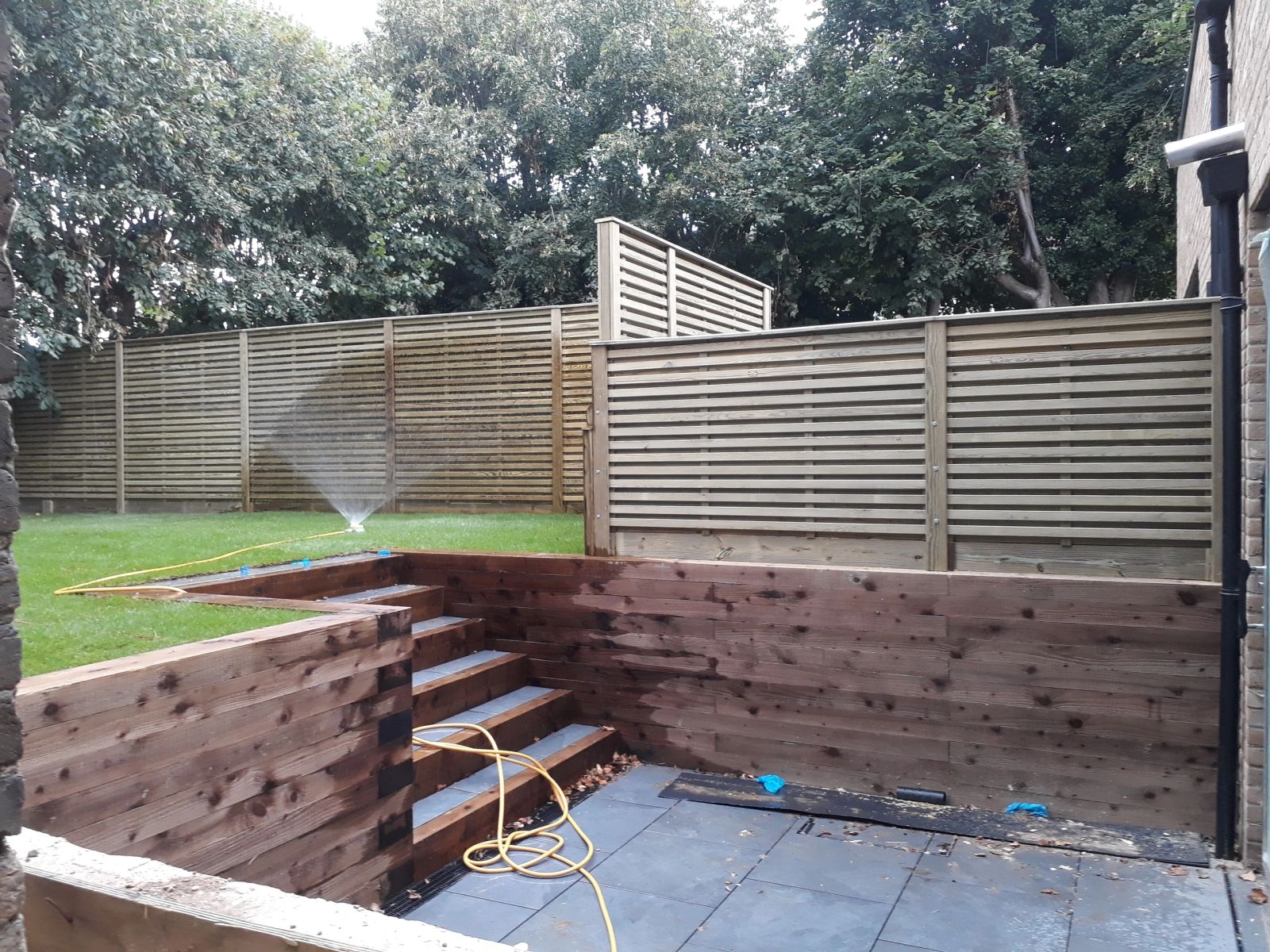
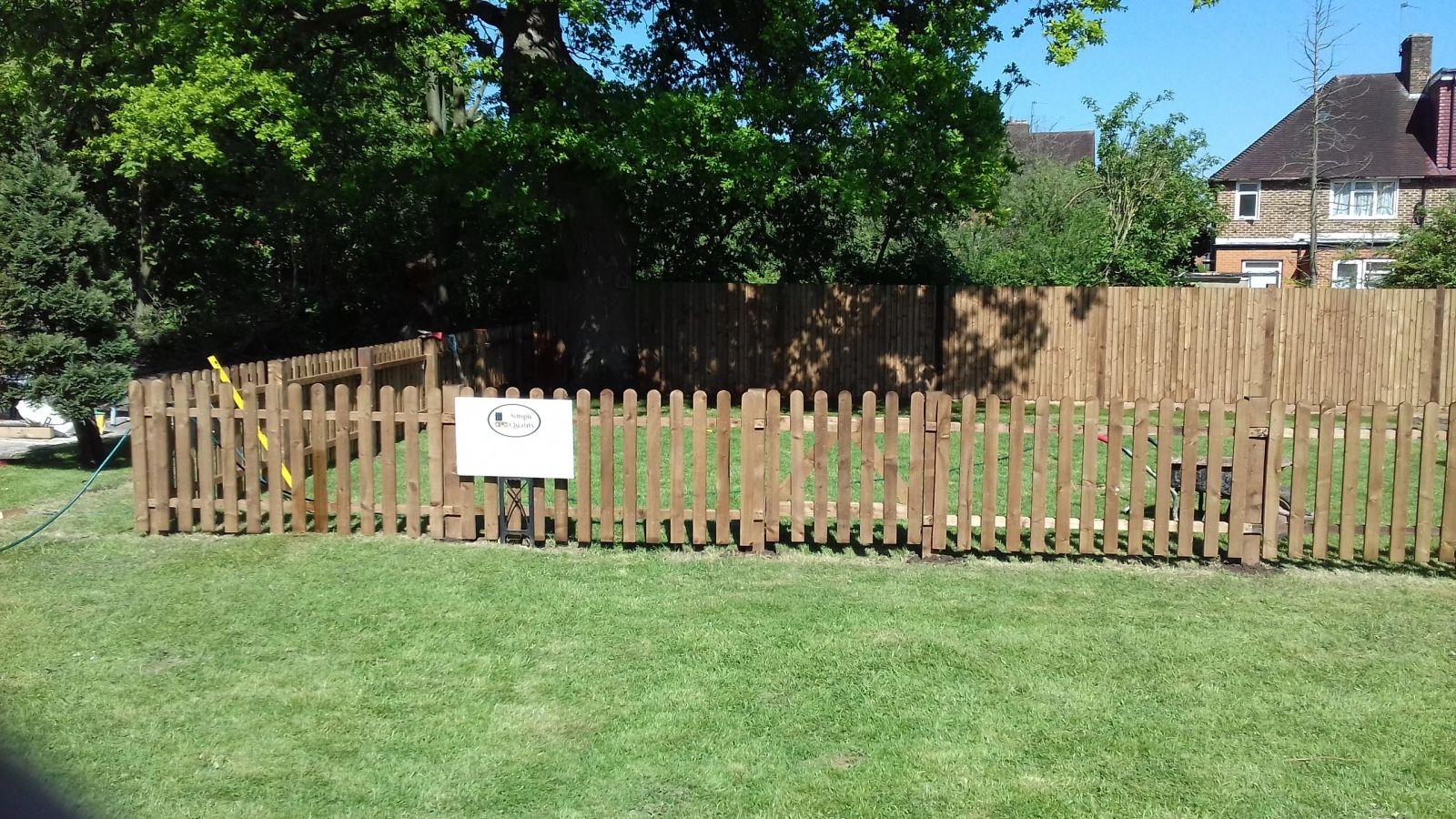
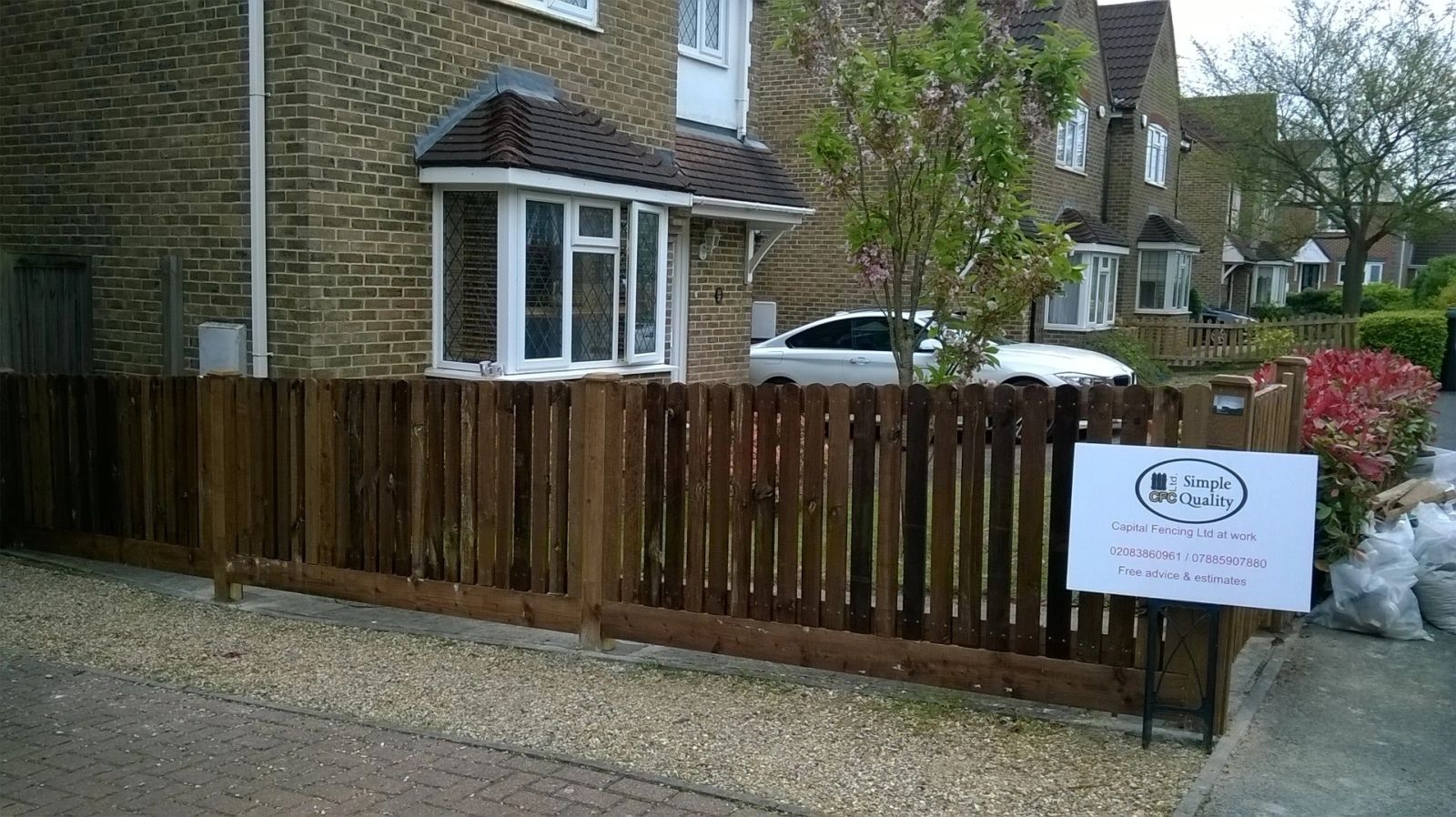
We keep the metal fencing process simple for Welwyn Garden City clients: site visit, written quote, agreed start date, then in and out cleanly. No subcontracted labour, no chasing for an invoice at the end. Recent work on Pentley Park and Digswell Road. We orient jobs off Sherrardswood. Pentley Park rear shared boundary, three properties. Closeboard with shared post line, agreed in writing in advance. Single co-ordinated install, neighbours split the cost three ways.
Get My Free Quote — 24h Response
No callout fee · Fully insured · Friendly local team covering London & Hertfordshire.