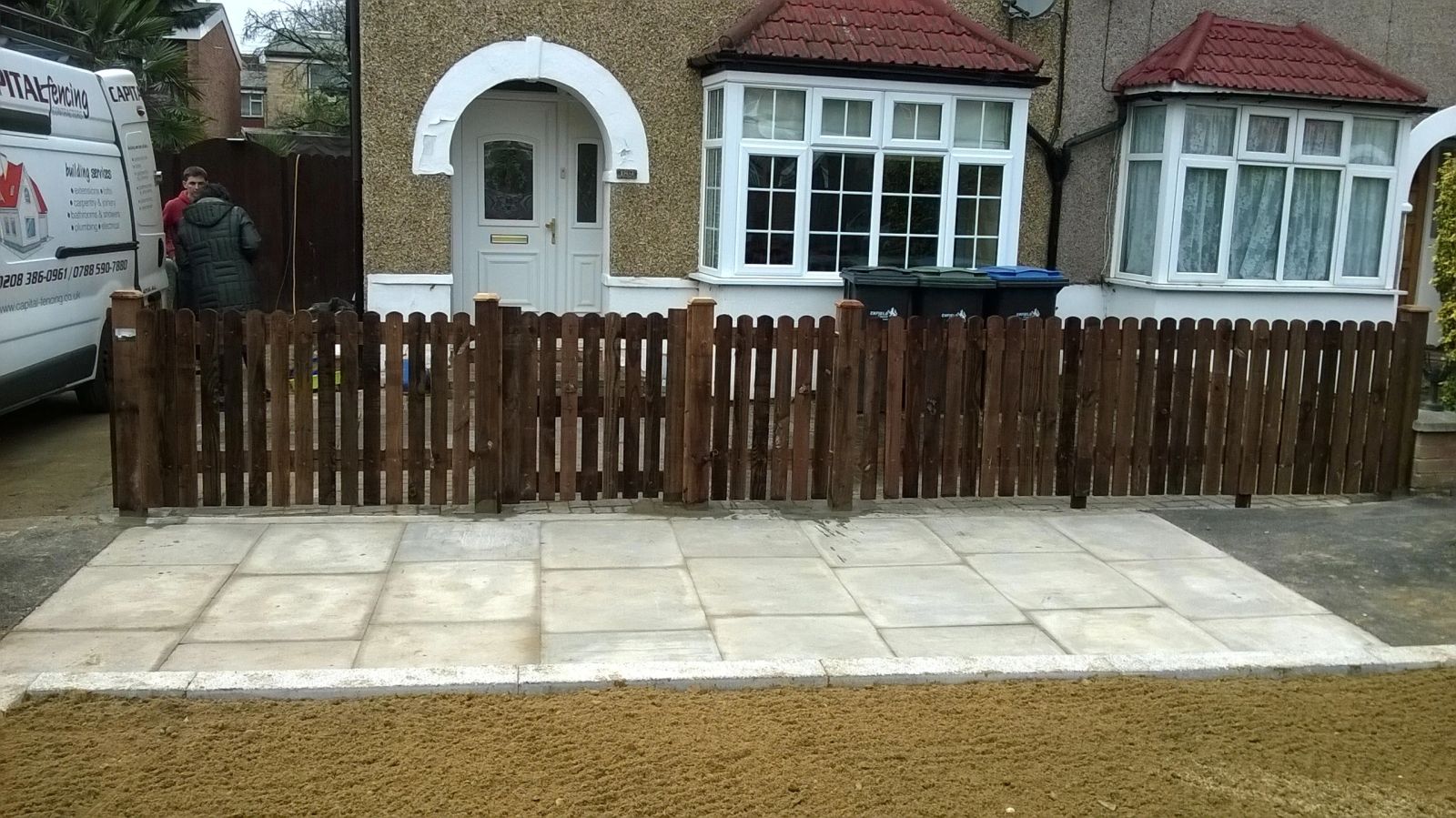
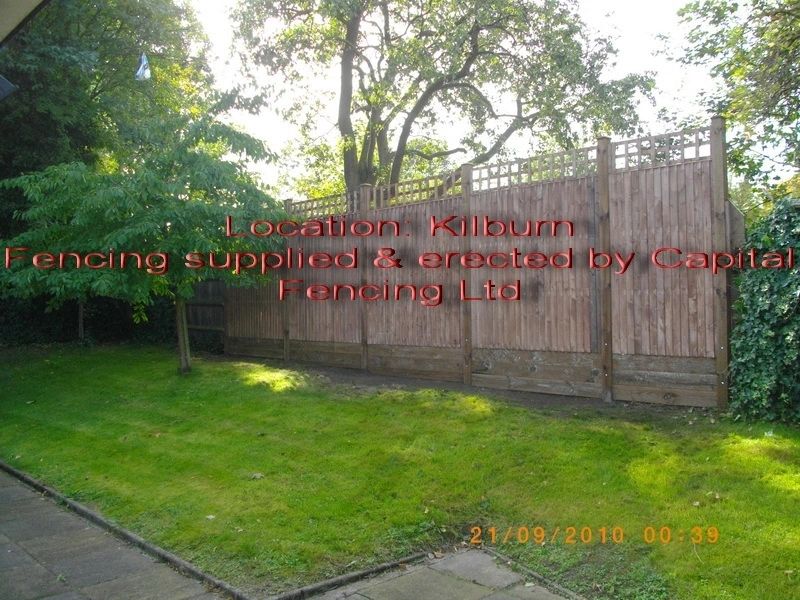
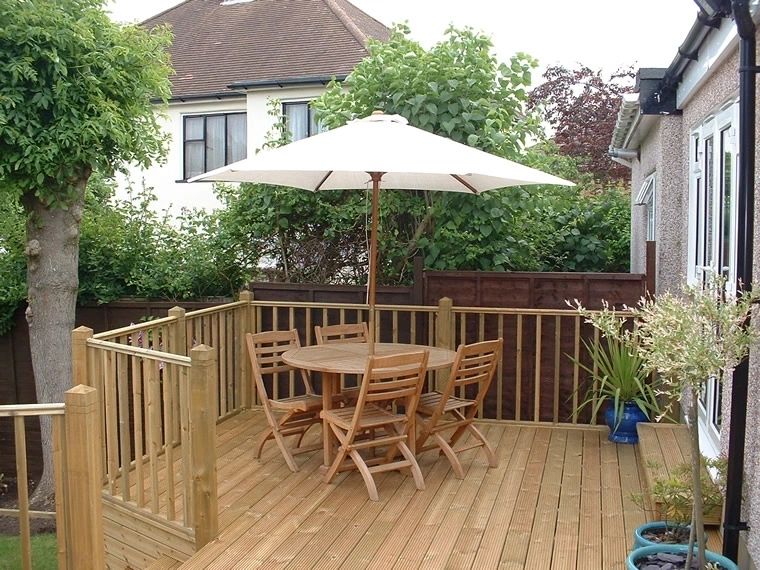
Clapton is part of our Hackney coverage under Hackney Council, with its own property mix and its own recurring brief.
Streets we regularly work on here: Rossington Street, Lower Clapton Road, Chatsworth Road, Rushmore Road. Local anchors: River Lea navigation, Chatsworth Road market, Millfields Park.
Clapton's eastern streets, including Millfields Road, sit close to the River Lea Navigation, where ground water levels are known to be higher than further from the river. Millfields Park runs alongside the Lea. The Clapton Square conservation area limits front-boundary heights on the surrounding streets.
Practical points for boundary work in Clapton
Noise from works and considerate constructor practice
Percussive work like post-driving, cutting concrete gravel boards or using a breaker on old foundations generates noise that can exceed what's reasonable outside the agreed working hours, even where the overall job is short.
A simple courtesy notice to immediate neighbours ahead of noisy days, giving a rough time window, reduces the chance of a complaint escalating to environmental health, which has statutory powers to serve an abatement notice on persistent nuisance noise.
Sequencing the noisiest tasks earlier in the working day and away from very early morning or evening, even within the permitted hours, is standard considerate practice on jobs close to occupied houses.
Allotments and community gardens
Allotment sites are typically let by the local authority or an allotment association under a tenancy agreement that sets rules on plot boundary fencing, often restricting height and material to keep sightlines open across the site.
Individual plot fencing usually needs to stop short of shared paths and communal water points, and materials have to be carried in by hand or barrow since most allotment sites don't allow vehicle access beyond a car park at the entrance.
Community garden boundaries also often need a design that keeps the plot secure from casual access out of hours while remaining welcoming during open sessions, which is a different brief from a private garden fence.
Keeping weep holes and drainage gaps clear after fixing
Some fixings and bracket systems include small drainage gaps or weep holes designed to let water escape from behind a post-to-wall connection, and these can be inadvertently sealed over with excess sealant or packed with debris during fitting.
Checking that these gaps remain open once a fixing is complete is a quick final step that's easy to skip once the main structural work feels finished.
A blocked weep hole doesn't cause an obvious immediate problem, but it lets moisture accumulate behind the fixing point where it isn't visible, quietly encouraging rot or corrosion out of sight.
Fencing next to a railway line
Gardens backing directly onto an operational railway usually have a boundary that belongs to the railway infrastructure owner rather than the homeowner, and any work near that boundary needs their agreement rather than being treated as a standard garden fence job.
Vibration from passing trains is a genuine consideration for post stability on ground close to the tracks, and residents commonly want additional sound-deadening in the fence specification for the same reason.
Access for maintaining a railway-side boundary is often restricted to the rail side only, which changes which side of the fence a repair crew can realistically work from.
Protecting planting and lawns during works
Digging post holes and running a wheelbarrow route across an established lawn or border can do more visible damage to a garden than the fence work itself, particularly on wet ground where repeated foot traffic compacts soil and kills grass.
Boarding out a barrow route and working from a single access line rather than crossing beds repeatedly limits that damage, and cutting back or temporarily tying in shrubs near the boundary before work starts avoids snagging branches during panel removal.
Where mature planting sits right against an existing fence, it's worth discussing with the client whether some cutting back is acceptable before work starts rather than discovering on the day that access is blocked.
Capping profile and how it sheds versus holds water
A flat-topped capping board holds a thin film of water after rain for longer than a capping profile with a rounded or angled top designed specifically to shed water to one side.
This difference seems minor but compounds over years, since the flat profile spends far more cumulative hours saturated, accelerating both rot and the lichen and algae growth that thrive on damp horizontal surfaces.
Choosing a weathered or torus capping profile over a plain flat board is a small upfront cost that measurably extends the component's realistic service life.