London & Hertfordshire Free Site Visit

Dalston: Fencing & Decking Within Hackney

Dalston, part of hackney and covered by Hackney Council, is known for victorian terraces, ex-council estates and modern infill developments with gardens small rear yards; several plots share boundaries with three neighbours. Most site visits in this patch come back to one thing: mixed-tenure streets mean landlord-grade closeboard runs are the most common ask. Manhole covers sitting on or near a boundary: It's not unusual for a drainage manhole cover to sit directly on, or very close to, a garden boundary line, reflecting how shared drainage runs were originally laid out. Water companies and building control generally expect ongoing access to manhole covers to be maintained, which can rule out building a fixed fence panel or post directly over one. Waterlogged clay and accelerated post rot: Heavy clay that holds standing water around the base of a post keeps the timber saturated for long periods, which is the single biggest driver of rot at ground level regardless of how well the timber was treated.

Talk through your Dalston brief

We know Hackney's planning rules and this patch's ground conditions — call and we'll talk it through.

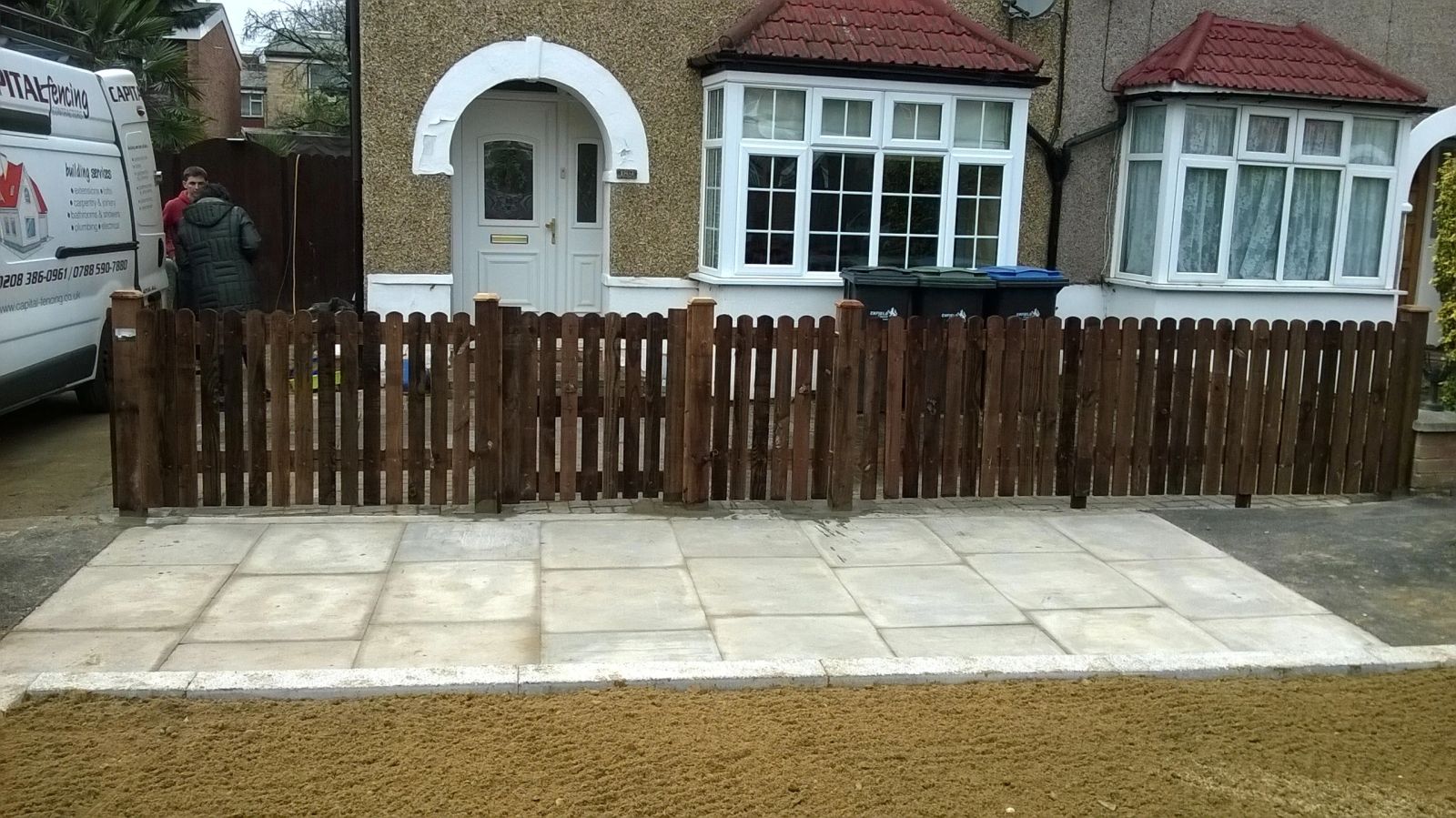
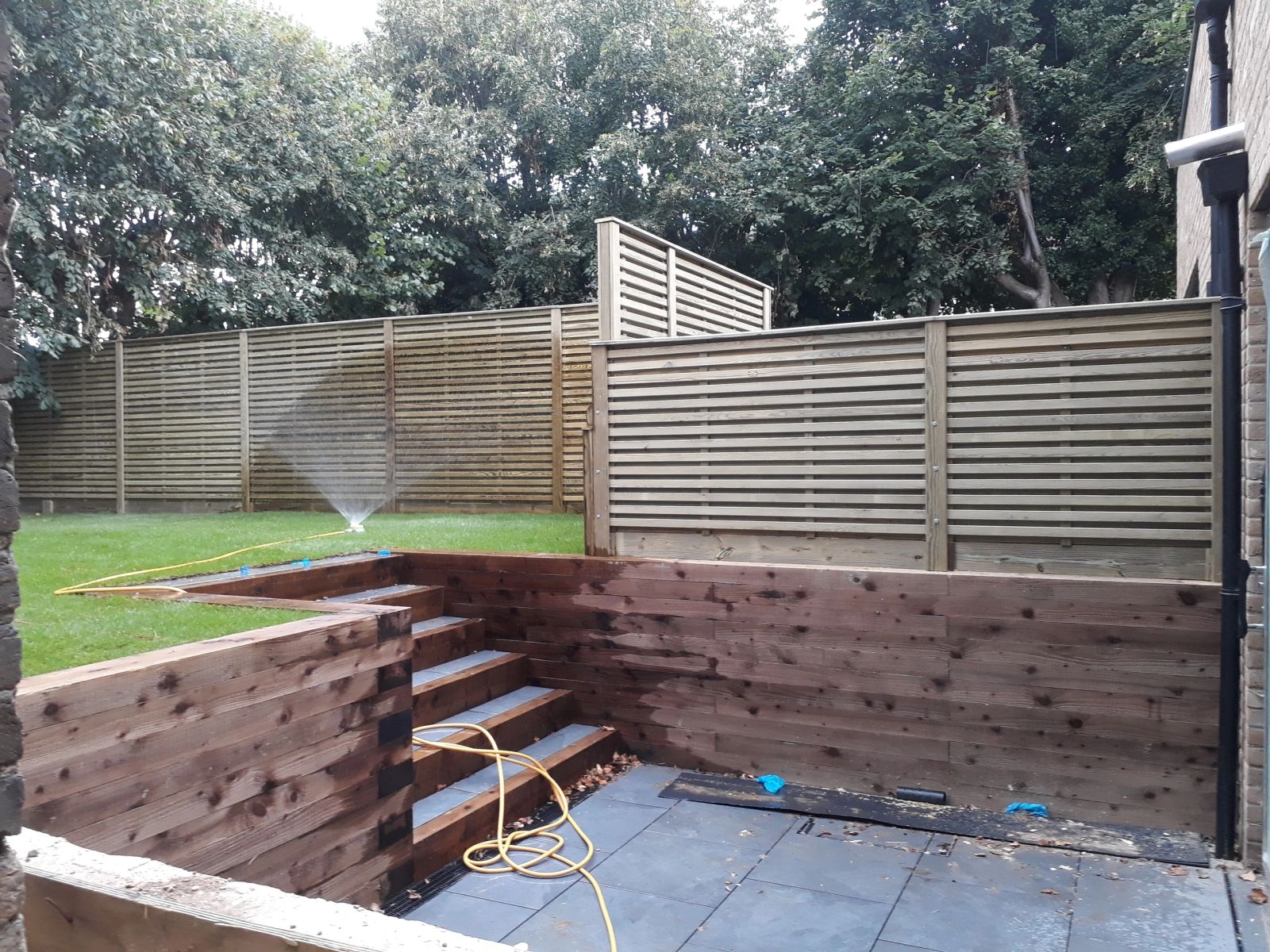
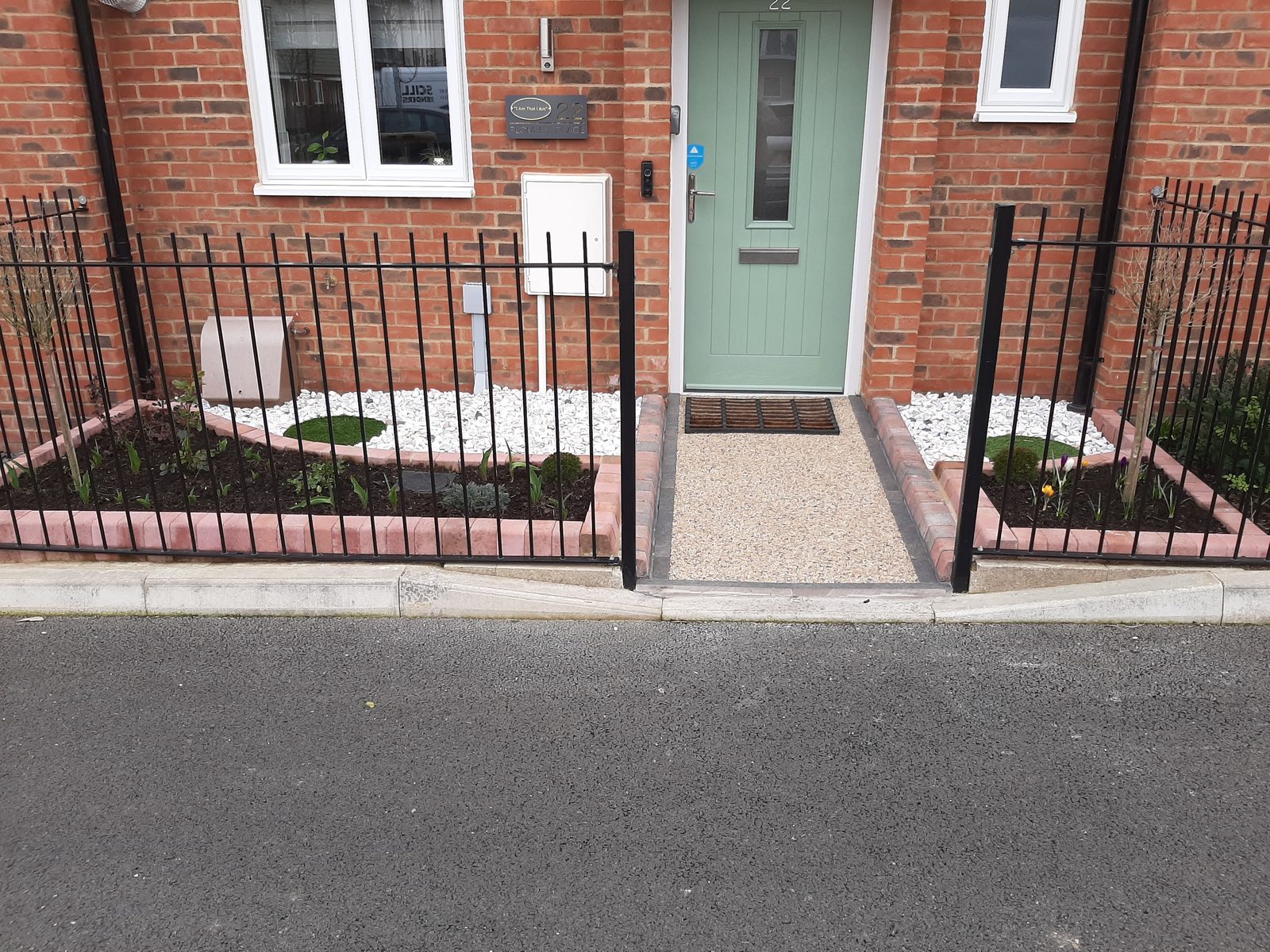
Capital Fencing project in Dalston, E8Capital Fencing project in Dalston, E8Capital Fencing project in Dalston, E8
E8

Dalston is part of our Hackney coverage under Hackney Council, with its own property mix and its own recurring brief.

Property & garden in Dalston

Property: Victorian terraces, ex-council estates and modern infill developments

Gardens: small rear yards; several plots share boundaries with three neighbours

mixed-tenure streets mean landlord-grade closeboard runs are the most common ask

Nearest arterial: A10 Kingsland Road, A406 (15 min). Served from Dalston Junction, Dalston Kingsland (Overground). Nearby commercial anchors: Kingsland High Street, Ridley Road market.

Practical points for boundary work in Dalston

Manhole covers sitting on or near a boundary

It's not unusual for a drainage manhole cover to sit directly on, or very close to, a garden boundary line, reflecting how shared drainage runs were originally laid out.

Water companies and building control generally expect ongoing access to manhole covers to be maintained, which can rule out building a fixed fence panel or post directly over one.

Where a boundary run includes a manhole cover, planning a removable panel section or routing the fence slightly around it avoids blocking access that may later be needed for drain clearance.

Waterlogged clay and accelerated post rot

Heavy clay that holds standing water around the base of a post keeps the timber saturated for long periods, which is the single biggest driver of rot at ground level regardless of how well the timber was treated.

The visible sign is usually a post that snaps cleanly at or just below ground level while the section above ground still looks sound, because that is exactly where moisture content stays highest for longest.

A free-draining stone key at the base of the hole, rather than a solid concrete collar with no escape for water, reduces how long the timber sits wet after rain.

Mixed hedge-and-fence boundaries and shared responsibility

Many boundaries in practice aren't purely fence or purely hedge but a fence backed by an established hedge on one or both sides, which complicates simple assumptions about who maintains what.

Deeds rarely specify hedge maintenance in the same way they specify fence ownership, so in practice it tends to be agreed informally between neighbours, which is worth clarifying in writing before installing a new fence against an existing hedge.

A fence installed too close to an existing hedge on the boundary line can also restrict future access for cutting that hedge from one side, which is worth flagging before positioning posts.

Windbreak netting as an interim exposure measure

On a newly exposed plot, such as after a neighbouring hedge or building is removed, temporary windbreak netting fixed to the existing fence can reduce load on the structure while a longer-term solution like replanting or upgrading the fence itself is arranged.

This is a genuinely useful stop-gap rather than a permanent fix, since netting left up long-term degrades in UV and adds its own wind resistance once it starts to fray and catch more air than when new.

It buys time to plan a proper specification change rather than leaving a suddenly-exposed fence to fail before a permanent upgrade can be arranged.

Historic planning conditions overriding permitted development

Some properties, particularly newer housing developments, have a specific planning condition attached to their original permission that restricts boundary treatments beyond the normal permitted development rules.

These conditions remain in force indefinitely unless formally varied or removed, regardless of how long ago the development was built.

Checking the property's planning history on the council's online planning register is a quick way to spot this kind of condition before assuming standard permitted development rights apply.

Timber species and surface spread of flame

Untreated softwood used for fencing and cladding has a fairly modest natural resistance to flame spread, and where fencing sits close to a building boundary, some specifications reference surface spread of flame classification for the cladding or fencing material used.

Flame-retardant treatments can be applied to timber to improve its classification, working by charring the surface to slow flame spread rather than by making the timber genuinely non-combustible.

This consideration applies mainly to close-boundary or party-wall-adjacent structures rather than typical open garden fencing, where fire classification of the timber itself is rarely a specified requirement.

Services in Dalston

Dalston — frequently asked

What's the typical garden like in Dalston?

Small rear yards; several plots share boundaries with three neighbours is typical, alongside victorian terraces, ex-council estates and modern infill developments.

What areas of Dalston do you cover?

We cover all of Dalston (E8), under Hackney Council.

Does mixed hedge-and-fence boundaries and shared responsibility come up much on jobs around Dalston?

Many boundaries in practice aren't purely fence or purely hedge but a fence backed by an established hedge on one or both sides, which complicates simple assumptions about who maintains what. Deeds rarely specify hedge maintenance in the same way they specify fence ownership, so in practice it tends to be agreed informally between neighbours, which is worth clarifying in writing before installing a new fence against an existing hedge. A fence installed too close to an existing hedge on the boundary line can also restrict future access for cutting that hedge from one side, which is worth flagging before positioning posts.

What should I know about historic planning conditions overriding permitted development in Dalston?

Checking the property's planning history on the council's online planning register is a quick way to spot this kind of condition before assuming standard permitted development rights apply. Some properties, particularly newer housing developments, have a specific planning condition attached to their original permission that restricts boundary treatments beyond the normal permitted development rules. These conditions remain in force indefinitely unless formally varied or removed, regardless of how long ago the development was built.

Is timber species and surface spread of flame something you plan for in Dalston?

This consideration applies mainly to close-boundary or party-wall-adjacent structures rather than typical open garden fencing, where fire classification of the timber itself is rarely a specified requirement. Untreated softwood used for fencing and cladding has a fairly modest natural resistance to flame spread, and where fencing sits close to a building boundary, some specifications reference surface spread of flame classification for the cladding or fencing material used. Flame-retardant treatments can be applied to timber to improve its classification, working by charring the surface to slow flame spread rather than by making the timber genuinely non-combustible.

How does "windbreak netting as an interim exposure measure" affect fencing or decking work in Dalston?

It buys time to plan a proper specification change rather than leaving a suddenly-exposed fence to fail before a permanent upgrade can be arranged. On a newly exposed plot, such as after a neighbouring hedge or building is removed, temporary windbreak netting fixed to the existing fence can reduce load on the structure while a longer-term solution like replanting or upgrading the fence itself is arranged. This is a genuinely useful stop-gap rather than a permanent fix, since netting left up long-term degrades in UV and adds its own wind resistance once it starts to fray and catch more air than when new.

A10 Kingsland Road runs through this pocket, with Dalston Junction, Dalston Kingsland (Overground) nearby. Mixed hedge-and-fence boundaries and shared responsibility: Many boundaries in practice aren't purely fence or purely hedge but a fence backed by an established hedge on one or both sides, which complicates simple assumptions about who maintains what. Deeds rarely specify hedge maintenance in the same way they specify fence ownership, so in practice it tends to be agreed informally between neighbours, which is worth clarifying in writing before installing a new fence against an existing hedge. Windbreak netting as an interim exposure measure: On a newly exposed plot, such as after a neighbouring hedge or building is removed, temporary windbreak netting fixed to the existing fence can reduce load on the structure while a longer-term solution like replanting or upgrading the fence itself is arranged.

Get In Touch

Get My Free Quote — 24h Response

No callout fee · Free site visit · Friendly local team covering London & Hertfordshire.

Request a Free Quote

We'll get back to you within 24 hours.

Free Site Visit No Callout Fee
Call WhatsAppQuote