London & Hertfordshire Free Site Visit

Leyton: Fencing & Decking Within Waltham forest

Leyton (E10) is a distinct pocket within waltham forest, under Waltham Forest Council — victorian terraces with rear-alley access on many streets, gardens small to mid-size rear gardens; ground water near the lea valley on the western streets. The recurring factor on jobs here is rear-alley boundaries with three or four neighbours involved — ownership letters before every job. Neighbourhood plan policies on boundary treatments: Some areas have an adopted neighbourhood plan alongside the wider local plan, which can include specific policies on boundary treatments, hedging, or street character that planning officers take into account. These policies are most relevant when a planning application is genuinely needed, rather than affecting works that fall within standard permitted development rights. Snagging and sign-off walk-round: A finished fence should be walked end to end with the client before sign-off, checking posts are plumb, panels are level and gates open and close cleanly through their full swing without binding on the ground.

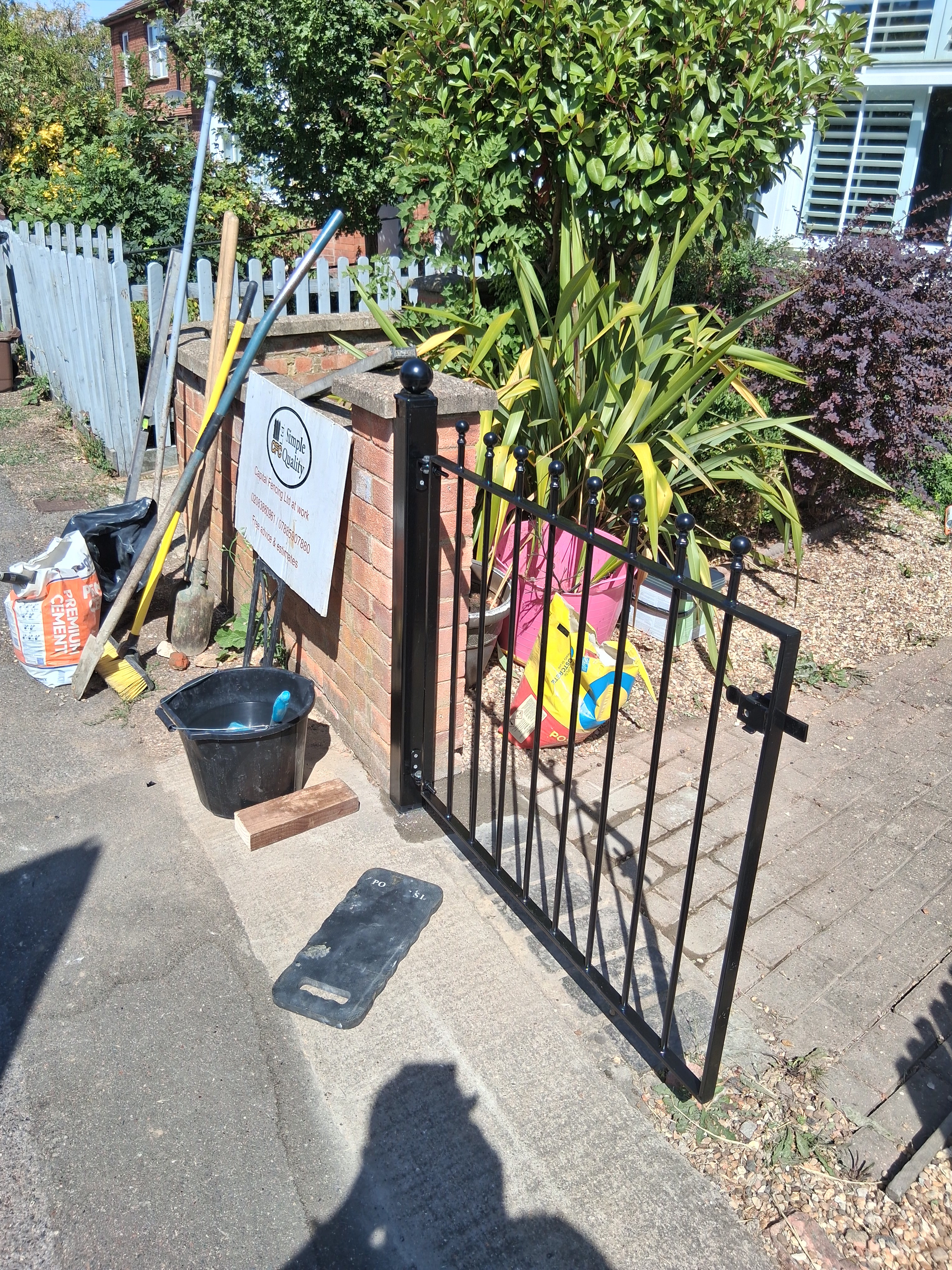
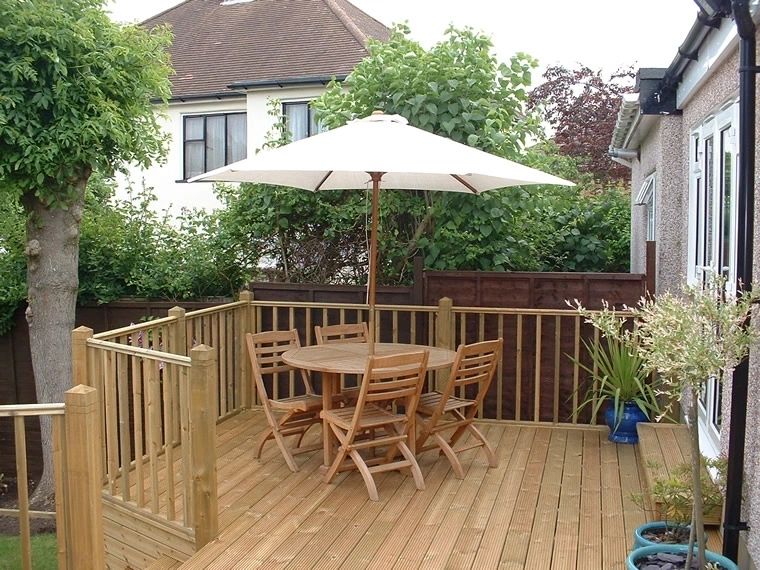
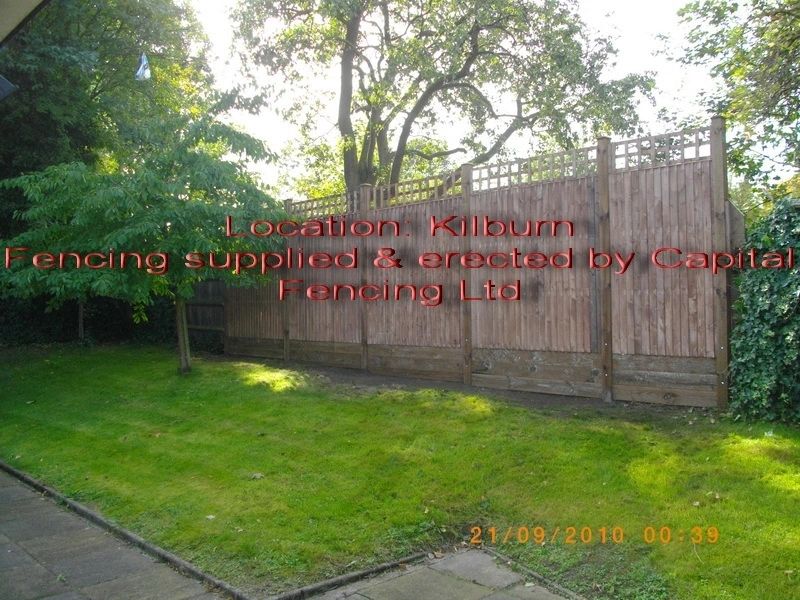
Capital Fencing project in Leyton, E10Capital Fencing project in Leyton, E10Capital Fencing project in Leyton, E10
E10

Leyton is part of our Waltham Forest coverage under Waltham Forest Council, with its own property mix and its own recurring brief.

Property & garden in Leyton

Property: Victorian terraces with rear-alley access on many streets

Gardens: small to mid-size rear gardens; ground water near the Lea Valley on the western streets

rear-alley boundaries with three or four neighbours involved — ownership letters before every job

Nearest arterial: A112 Lea Bridge Road, A406 / A12. Served from Leyton (Central line). Nearby commercial anchors: Leyton High Road, Francis Road.

Practical points for boundary work in Leyton

Neighbourhood plan policies on boundary treatments

Some areas have an adopted neighbourhood plan alongside the wider local plan, which can include specific policies on boundary treatments, hedging, or street character that planning officers take into account.

These policies are most relevant when a planning application is genuinely needed, rather than affecting works that fall within standard permitted development rights.

Where a proposed boundary change does need permission, checking whether a neighbourhood plan applies locally can help anticipate what the council is likely to expect.

Snagging and sign-off walk-round

A finished fence should be walked end to end with the client before sign-off, checking posts are plumb, panels are level and gates open and close cleanly through their full swing without binding on the ground.

Gaps under gravel boards, exposed fixings, and any concrete splashed onto adjoining paving or planting during the install are the kind of small snags worth catching at walk-round rather than left for the client to notice weeks later.

Where any item is flagged, agreeing a specific date for it to be resolved — rather than a vague 'we'll come back' — is what actually gets snagging closed out.

Fixing into a rendered wall without cracking the render

Render sits as a relatively thin, brittle coat over the masonry beneath it, so drilling straight through without care can crack or blow a patch of render around the hole rather than leaving a clean fixing point.

Marking and drilling a pilot hole slowly through the render layer first, before switching to full hammer action once through into the masonry, reduces the chance of the render cracking outward from the drill's initial impact.

Where render is already loose or hollow-sounding when tapped near the intended fixing point, it's worth choosing a different spot or repairing that patch of render first rather than fixing into a surface that's already failing.

Sapwood versus heartwood durability

Heartwood is the older, inner part of a tree trunk that's stopped conducting sap and often contains natural extractives that resist fungal decay, while sapwood is the outer, still-active layer with little inherent durability.

Species like oak and western red cedar owe much of their reputation for longevity to heartwood content, but any board can include a strip of pale sapwood at the edge that will rot faster than the rest of the same piece.

Because sawn fencing timber is rarely graded strictly by heartwood content, some sapwood is inevitable in most runs, which is exactly why preservative treatment matters even on naturally durable species.

Segregating timber and concrete waste

Treated timber, plain untreated offcuts and broken concrete are usually classed and processed differently at a waste facility, so keeping them in separate piles or skip compartments on site can reduce disposal cost and avoid a mixed load being rejected.

Old concrete post bases and gravel boards are inert waste and can sometimes be crushed and reused as hardcore rather than sent to landfill, which is worth checking with the waste carrier before assuming it all goes in one load.

Metal fittings — old hinges, bolts, wire ties — pulled out during a strip-down are usually worth separating too, since scrap metal is handled through a different route to general construction waste.

Slatted panels and gap sizing

Contemporary slatted panels use horizontal or vertical timber or composite boards with a deliberate gap between them, typically anywhere from a few millimetres up to 20mm or more depending on the level of privacy wanted.

A narrow gap reads as near-solid from a normal viewing distance while still admitting light and airflow; a wider gap gives more of a screening effect than true privacy and lets more wind through, which matters on exposed plots.

Gap sizing is set at design stage rather than adjusted on site, since it affects how many boards and how much fixing timber the run needs, and inconsistent gaps are one of the most visible signs of a poorly set-out job.

Services in Leyton

Free quote for Leyton

Send your postcode and a couple of photos — we'll get back with a written quote.

Leyton — frequently asked

What's the typical garden like in Leyton?

Small to mid-size rear gardens; ground water near the Lea Valley on the western streets is typical, alongside victorian terraces with rear-alley access on many streets.

What's the most common issue you plan around in Leyton?

Rear-alley boundaries with three or four neighbours involved — ownership letters before every job.

How does "slatted panels and gap sizing" affect fencing or decking work in Leyton?

A narrow gap reads as near-solid from a normal viewing distance while still admitting light and airflow; a wider gap gives more of a screening effect than true privacy and lets more wind through, which matters on exposed plots. Gap sizing is set at design stage rather than adjusted on site, since it affects how many boards and how much fixing timber the run needs, and inconsistent gaps are one of the most visible signs of a poorly set-out job. Contemporary slatted panels use horizontal or vertical timber or composite boards with a deliberate gap between them, typically anywhere from a few millimetres up to 20mm or more depending on the level of privacy wanted.

Is sapwood versus heartwood durability something you plan for in Leyton?

Species like oak and western red cedar owe much of their reputation for longevity to heartwood content, but any board can include a strip of pale sapwood at the edge that will rot faster than the rest of the same piece. Because sawn fencing timber is rarely graded strictly by heartwood content, some sapwood is inevitable in most runs, which is exactly why preservative treatment matters even on naturally durable species. Heartwood is the older, inner part of a tree trunk that's stopped conducting sap and often contains natural extractives that resist fungal decay, while sapwood is the outer, still-active layer with little inherent durability.

Fixing into a rendered wall without cracking the render — what does that mean for a job in Leyton?

Render sits as a relatively thin, brittle coat over the masonry beneath it, so drilling straight through without care can crack or blow a patch of render around the hole rather than leaving a clean fixing point. Marking and drilling a pilot hole slowly through the render layer first, before switching to full hammer action once through into the masonry, reduces the chance of the render cracking outward from the drill's initial impact. Where render is already loose or hollow-sounding when tapped near the intended fixing point, it's worth choosing a different spot or repairing that patch of render first rather than fixing into a surface that's already failing.

Segregating timber and concrete waste — what does that mean for a job in Leyton?

Treated timber, plain untreated offcuts and broken concrete are usually classed and processed differently at a waste facility, so keeping them in separate piles or skip compartments on site can reduce disposal cost and avoid a mixed load being rejected. Old concrete post bases and gravel boards are inert waste and can sometimes be crushed and reused as hardcore rather than sent to landfill, which is worth checking with the waste carrier before assuming it all goes in one load. Metal fittings — old hinges, bolts, wire ties — pulled out during a strip-down are usually worth separating too, since scrap metal is handled through a different route to general construction waste.

A112 Lea Bridge Road runs through this pocket, with Leyton (Central line) nearby. Fixing into a rendered wall without cracking the render: Render sits as a relatively thin, brittle coat over the masonry beneath it, so drilling straight through without care can crack or blow a patch of render around the hole rather than leaving a clean fixing point. Marking and drilling a pilot hole slowly through the render layer first, before switching to full hammer action once through into the masonry, reduces the chance of the render cracking outward from the drill's initial impact. Sapwood versus heartwood durability: Heartwood is the older, inner part of a tree trunk that's stopped conducting sap and often contains natural extractives that resist fungal decay, while sapwood is the outer, still-active layer with little inherent durability.

Get In Touch

Get My Free Quote — 24h Response

No callout fee · Free site visit · Friendly local team covering London & Hertfordshire.

Request a Free Quote

We'll get back to you within 24 hours.

Free Site Visit No Callout Fee
Call WhatsAppQuote