Practical points for boundary work in Leytonstone
Slip resistance and board grooving
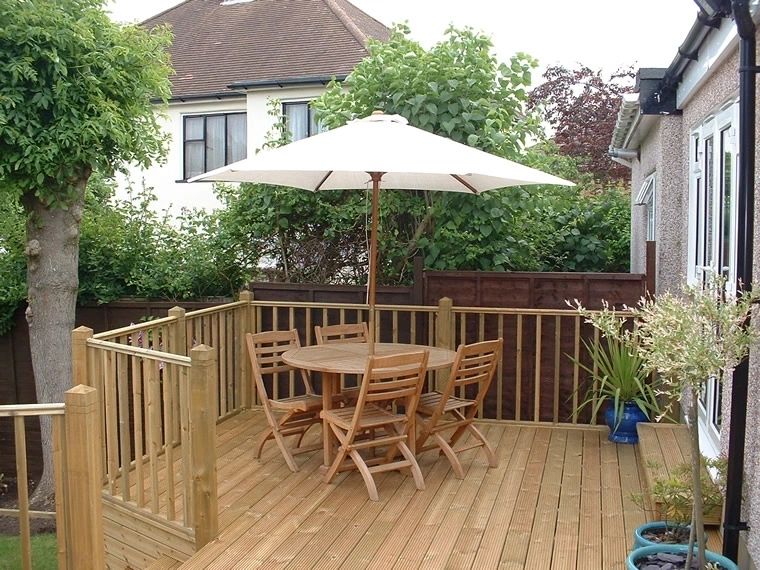
Grooved decking boards are often assumed to be more slip-resistant than a smooth reeded board, but grooves can actually hold water, algae and leaf debris that make the surface more slippery if it isn't cleaned regularly, rather than less.
A smooth board kept clean and free of algae, or a textured composite surface designed specifically for grip, often performs better in practice than a grooved timber board left unmaintained.
Orientation of grooves relative to the main walking direction, and a regular cleaning routine, matter more to actual slip performance than the board profile alone.
Corner plots and unusual exposure
A corner plot often loses the shelter of a neighbouring garden on one side, leaving a boundary that faces open street or open ground the way an interior garden fence never does.
That side of the plot is worth treating like a rural exposed boundary for post spacing and panel choice even though the rest of the garden is a normal suburban size.
It is also usually the run most visible to passers-by, so the practical answer is often a slightly heavier specification rather than a cheaper standard one to avoid repeat failures on the most conspicuous boundary.
Discontinued panel styles
Panel fencing ranges get discontinued or reformulated by manufacturers more often than solid boarded fencing components, since panels are a proprietary product rather than built from generic stock timber sizes.
A ten- or fifteen-year-old panel range is often simply no longer made, which means a single damaged panel in an otherwise sound run may need the whole run replaced, or a mismatched panel accepted as a compromise.
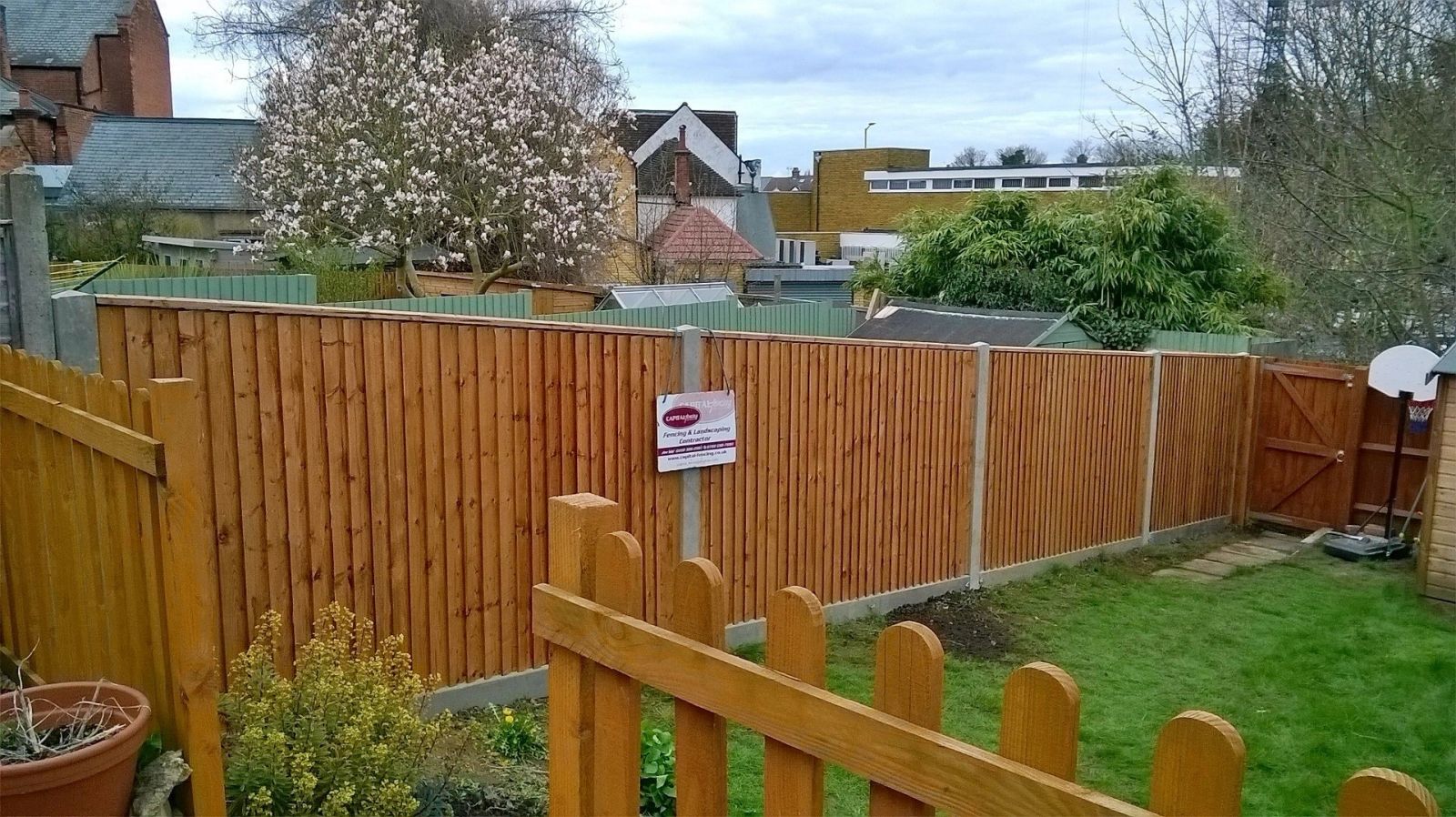
Closeboard and picket fencing, built from standard boards, rails and posts rather than a proprietary panel, are generally easier to repair piecemeal decades later precisely because the components aren't tied to one manufacturer's product cycle.
Choosing a skip or a grab lorry for waste removal
A skip left on site suits a job generating waste steadily over several days and where there's a legal spot to place it, such as a driveway, but it needs a permit if it sits on the public highway.
A grab lorry collects loose spoil, rubble and old fencing directly without a skip being dropped and left, which suits a single big clearance visit and avoids occupying space on a narrow driveway or street for the whole job.
For a small domestic run, van-and-tip removal on the last day is often simpler than either option, and the right choice generally comes down to waste volume and how long the site can accommodate a static skip.
Neighbour notification during a boundary planning application
Where a planning application is needed for a boundary structure, the council typically notifies adjoining neighbours and gives them a period to comment before a decision is made.
This is a formal statutory step distinct from any informal courtesy conversation that may already have taken place, and objections raised at this stage are genuinely considered by the case officer.
Having already discussed the proposal informally with a neighbour often means fewer surprises when the formal notification arrives.
Wayleaves and easements crossing a boundary
Some plots have a legal wayleave or easement allowing a utility company access to overhead lines or buried infrastructure crossing the garden, which can restrict what's built directly above or around that strip of land.
A shared access easement giving a neighbour a right of way across part of a garden also affects fence planning, since blocking that route — even with an otherwise perfectly legal fence — can breach the easement's terms.
These details are usually in the property's title register rather than obvious on the ground, so it's worth checking before finalising a boundary line that crosses anything unusual.