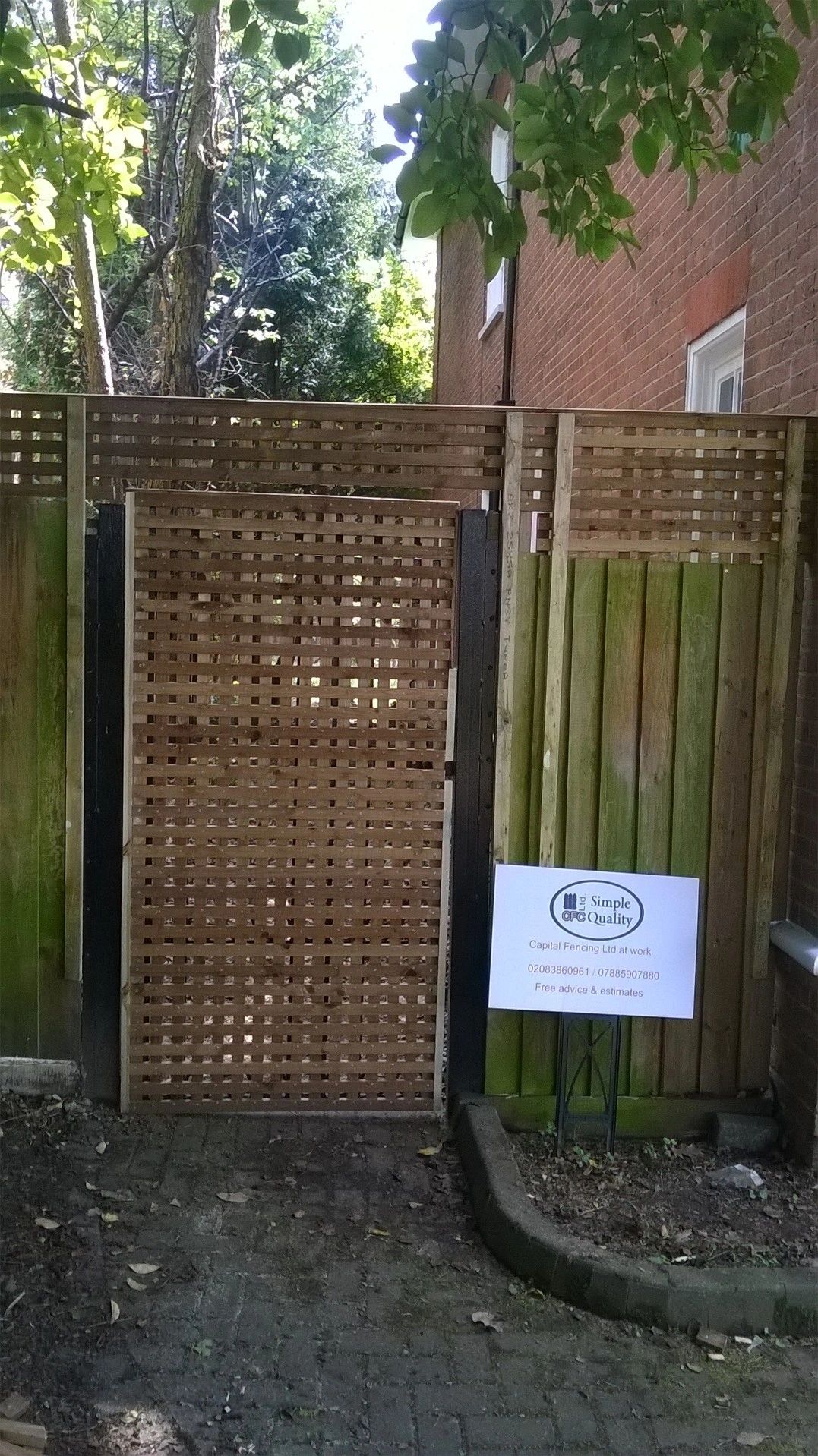
Driveway Double Gates, Hertford: engineered-to-load spec for Georgian and Victorian townhouses in the centre
Driveway Double Gates in Hertford is a specific brief for us — homes with off-street parking wanting matched double vehicle gates, manual or automated. The default local answer isn't a stock catalogue drop: it's 44mm framed, tongue-and-groove or composite infill, hot-dip galvanised or stainless ironmongery, sized to the actual masonry opening not the drawing. On Hertford sites we also spec around conservation areas and listed buildings around the castle restrict heights and finishes, which is where a lot of driveway double gates jobs quietly fail two years in. Recent work on Fanshawe Street and Port Vale. We orient jobs off Hartham Common. Riverside garden off Mead Lane, repeat flood risk. 1.8m closeboard on 100mm concrete-set posts with 150mm gravel boards above the flood line. Two winters in, no movement; client booked the front picket the following spring.
Driveway Double Gates in Hertford is a specific brief for us — homes with off-street parking wanting matched double vehicle gates, manual or automated. The default local answer isn't a stock catalogue drop: it's 44mm framed, tongue-and-groove or composite infill, hot-dip galvanised or stainless ironmongery, sized to the actual masonry opening not the drawing. On Hertford sites we also spec around conservation areas and listed buildings around the castle restrict heights and finishes, which is where a lot of driveway double gates jobs quietly fail two years in. Recent work on Fanshawe Street and Port Vale. We orient jobs off Hartham Common. Riverside garden off Mead Lane, repeat flood risk. 1.8m closeboard on 100mm concrete-set posts with 150mm gravel boards above the flood line. Two winters in, no movement; client booked the front picket the following spring.
Common failure modes on driveway double gates
- •not levelling the closing point — one leaf drags on the drive within a year
- •under-sized posts or brickwork — automation loads pull them out of plumb inside a season
How we build driveway double gates in Hertford
44mm framed, tongue-and-groove or composite infill, hot-dip galvanised or stainless ironmongery, sized to the actual masonry opening not the drawing. On Hertford jobs we adjust for conservation areas and listed buildings around the castle restrict heights and finishes.
Property mix locally: Georgian and Victorian townhouses in the centre, with newer estates on the Bengeo and Sele Farm sides. Typical gardens: long, sloping plots dropping toward the River Lea — terracing and retaining work are often part of the job. Postcodes we regularly service: SG13, SG14.
Why this spec, for homes with off-street parking wanting matched double vehicle gates, manual or automated
- measured on site off the actual brick piers, not a builder's plan set
- prepared for future automation even when you're not fitting it yet — cabling ducts under the drive, hinges rated for it
- matched pedestrian gate carried in the same visit so alignment and finish are identical
Typical driveway double gates briefs in Hertford
- → matched pedestrian gate alongside 3.6m double vehicle gates on a corner-plot driveway
- → 3.0m opening hardwood double gates on ball-race hinges with drop bolt and top slide bolt
Driveway Double Gates FAQs — Hertford
What's the widest span before double gates need a wheel or cantilever?
On driveway double gates jobs in Hertford (SG13), our default answer is: 44mm framed, tongue-and-groove or composite infill, hot-dip galvanised or stainless ironmongery, sized to the actual masonry opening not the drawing. The honest trade-off is not levelling the closing point — one leaf drags on the drive within a year — which is exactly what our default spec designs out.
Softwood, hardwood or composite for double gates?
Across Hertford we spec around conservation areas and listed buildings around the castle restrict heights and finishes, so on driveway double gates that usually means iroko hardwood on galvanised ironmongery. The honest trade-off is not levelling the closing point — one leaf drags on the drive within a year — which is exactly what our default spec designs out.
Do you fit into existing brick piers or install new?
East Hertfordshire District coverage means we can survey most SG13 addresses inside a week — homes with off-street parking wanting matched double vehicle gates, manual or automated. For context: prepared for future automation even when you're not fitting it yet — cabling ducts under the drive, hinges rated for it. Structural spans and post depths calculated, not guessed.
Can pedestrian and vehicle gates share the same finish and ironmongery?
Practically: 3.0m opening hardwood double gates on ball-race hinges with drop bolt and top slide bolt. That's the Hertford version of this job, not a generic one. The honest trade-off is not levelling the closing point — one leaf drags on the drive within a year — which is exactly what our default spec designs out.
How do you stop a heavy gate dropping on the closing point?
On driveway double gates jobs in Hertford (SG13), our default answer is: 44mm framed, tongue-and-groove or composite infill, hot-dip galvanised or stainless ironmongery, sized to the actual masonry opening not the drawing. We'll walk you through measured on site off the actual brick piers, not a builder's plan set on the site visit before you commit.
Recent driveway double gates work
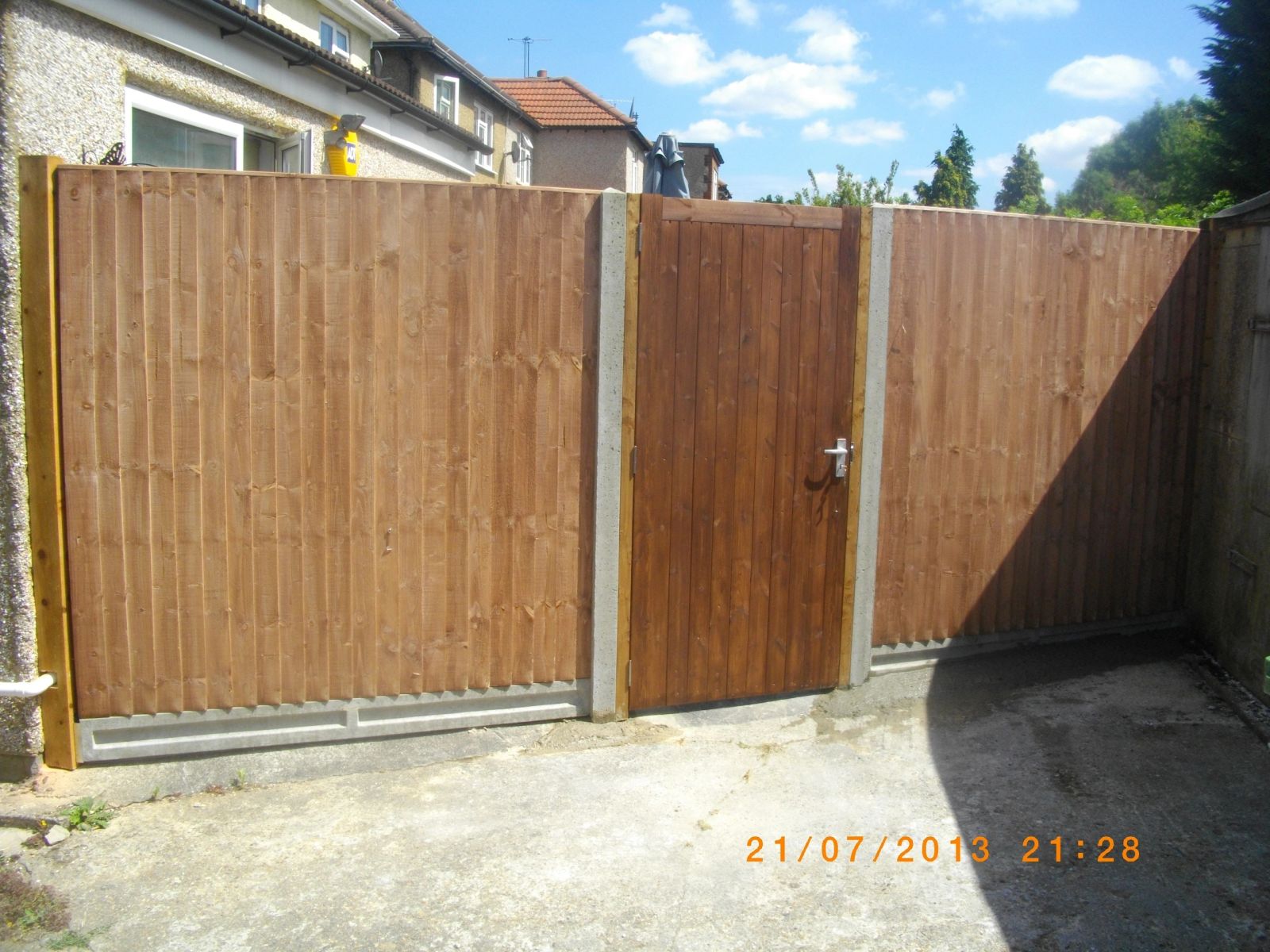
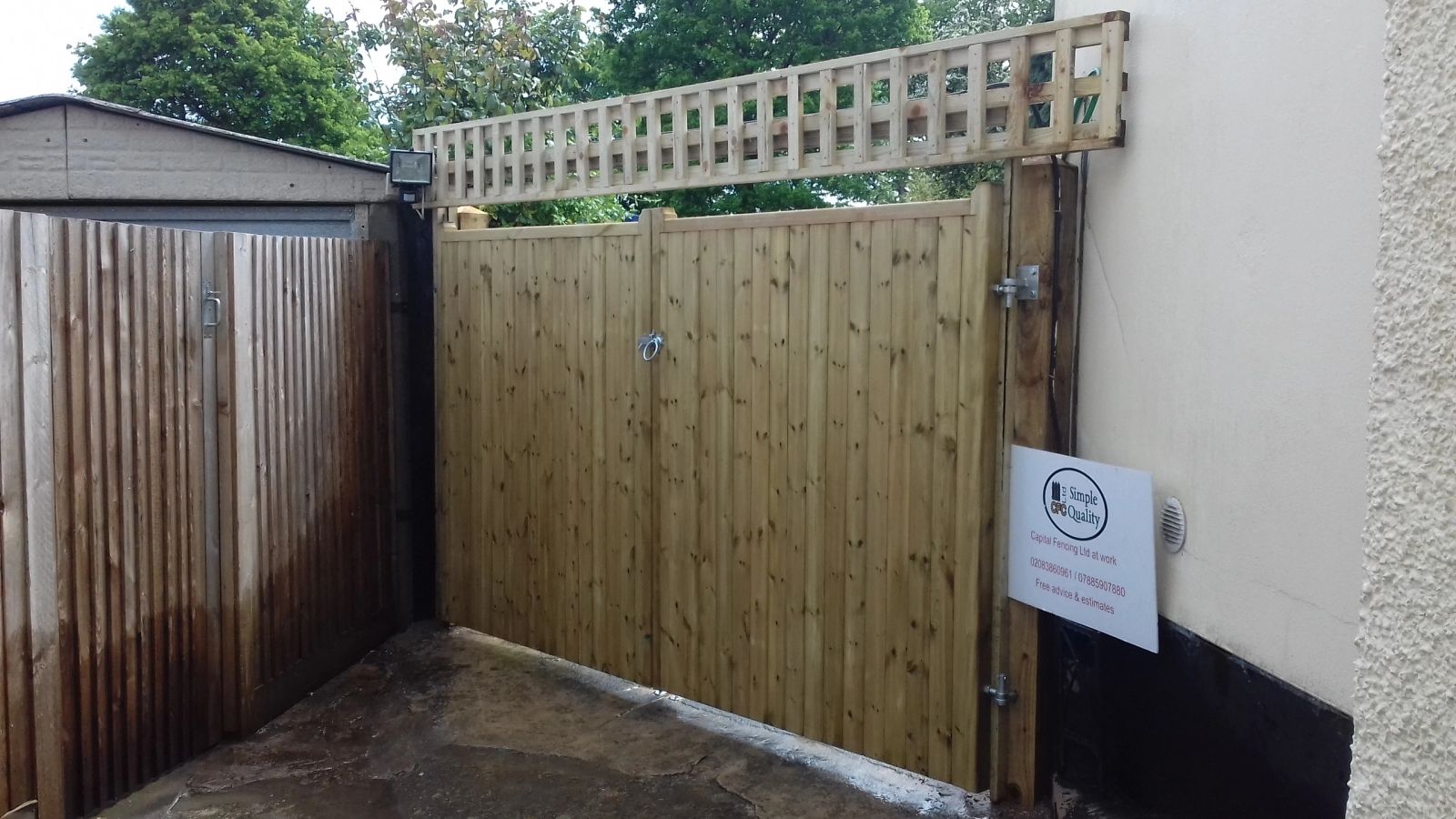
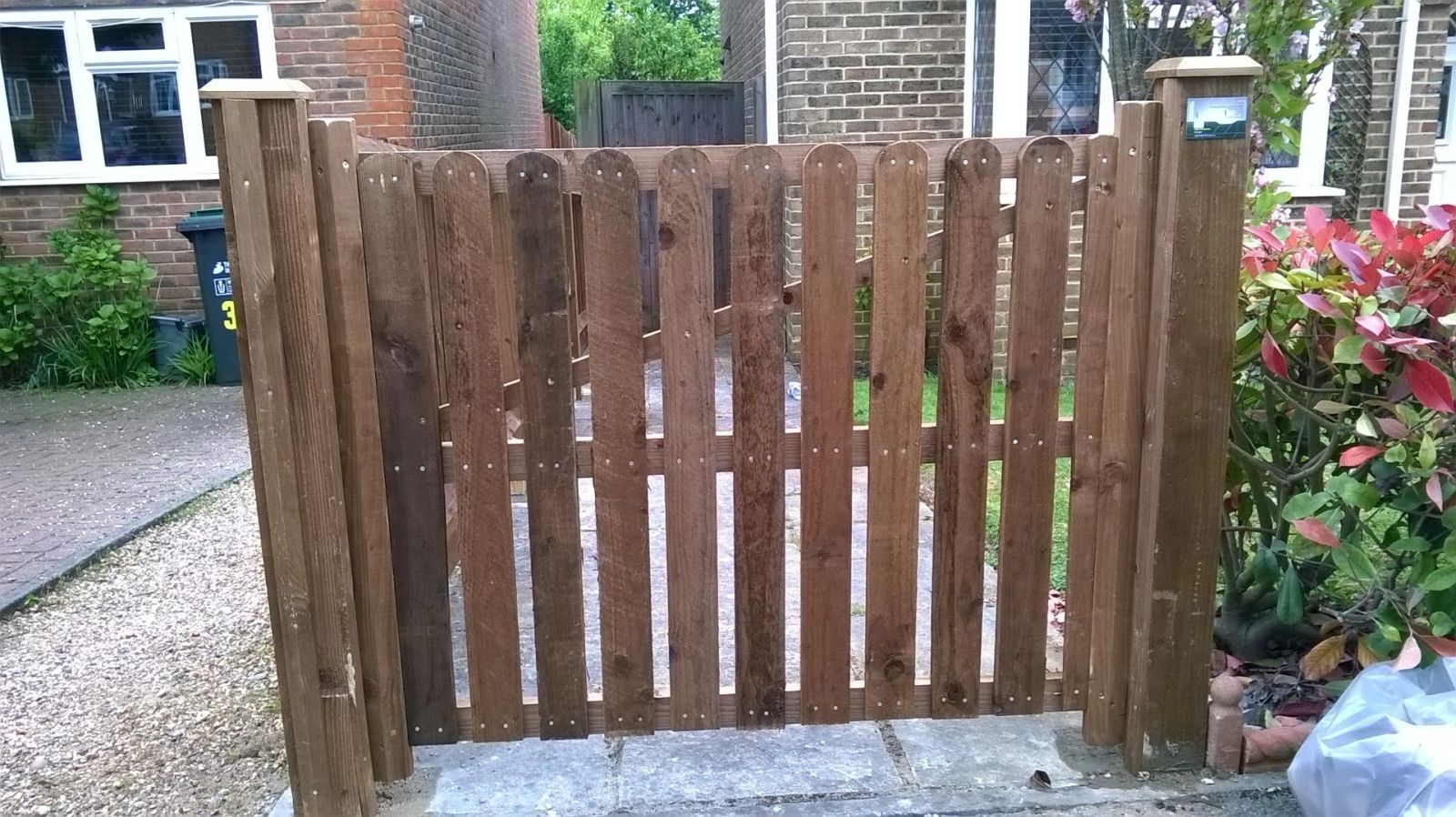
Driveway Double Gates across SG13, SG14 is a regular run for us. We'll quote honestly, tell you if driveway double gates isn't the right answer for your site, and book the job in within a week or two of a signed quote. structural spans and post depths calculated, not guessed. Recent work on Port Vale and Hagsdell Road. We orient jobs off McMullen brewery site. Bengeo Street bespoke iroko side gate with matching planter box. Iroko hardwood gate on galvanised hinges, sized for 820mm opening between brick pier and rendered wall. Original softwood had rotted at the sill; new gate quoted for 20-year lifespan.
Get My Free Quote — 24h Response
No callout fee · Fully insured · Friendly local team covering London & Hertfordshire.