London & Hertfordshire Free Site Visit
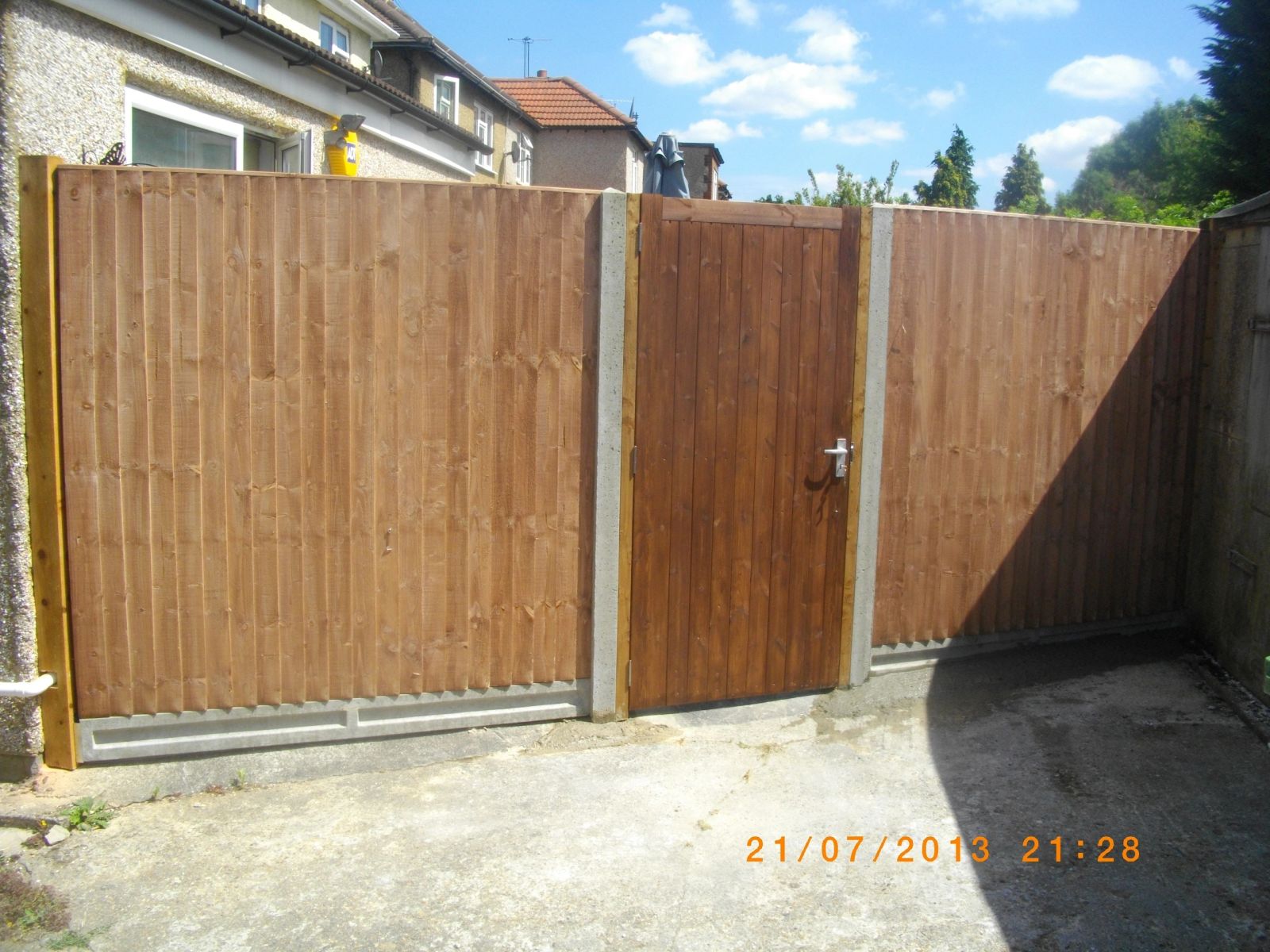
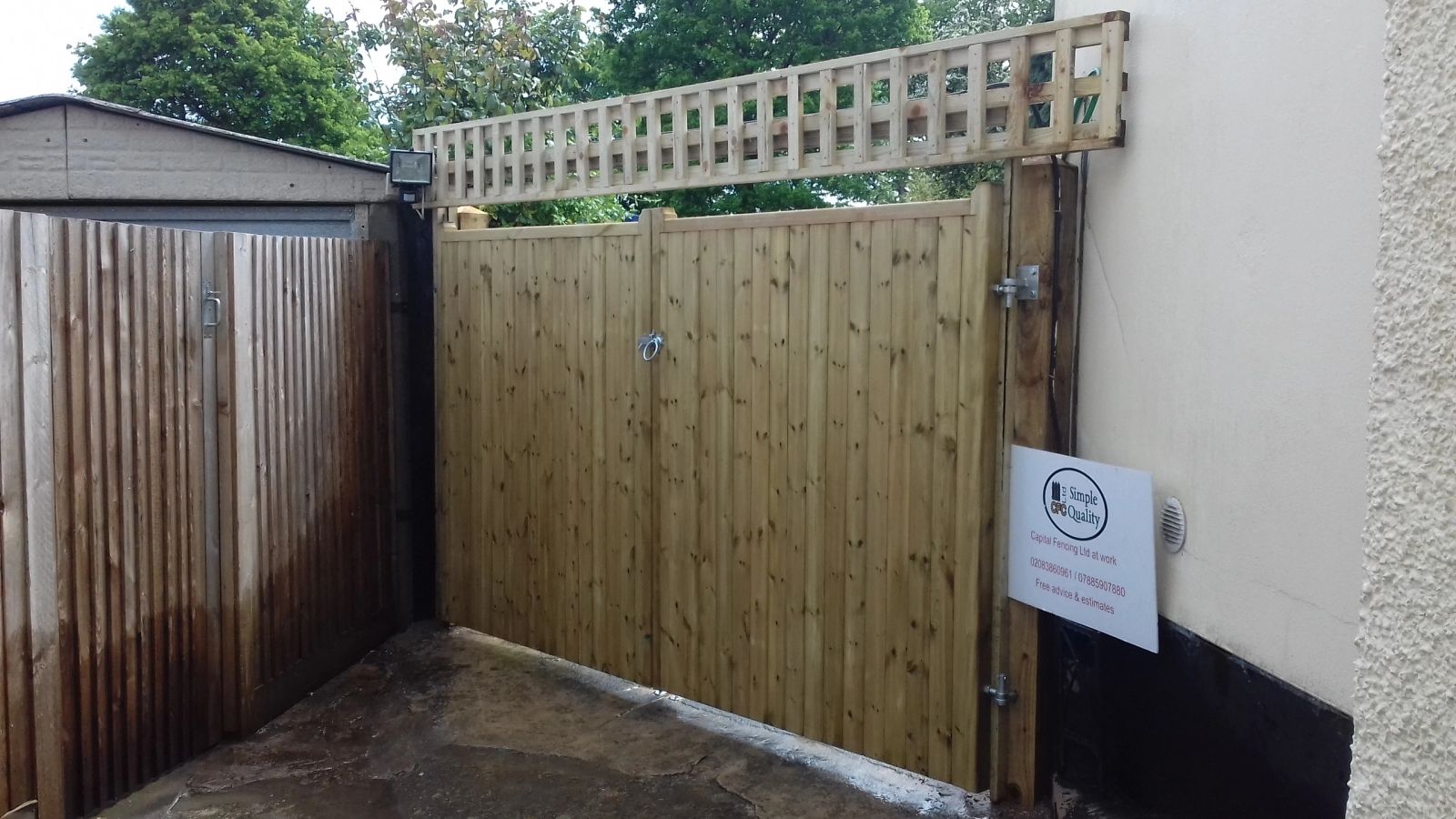
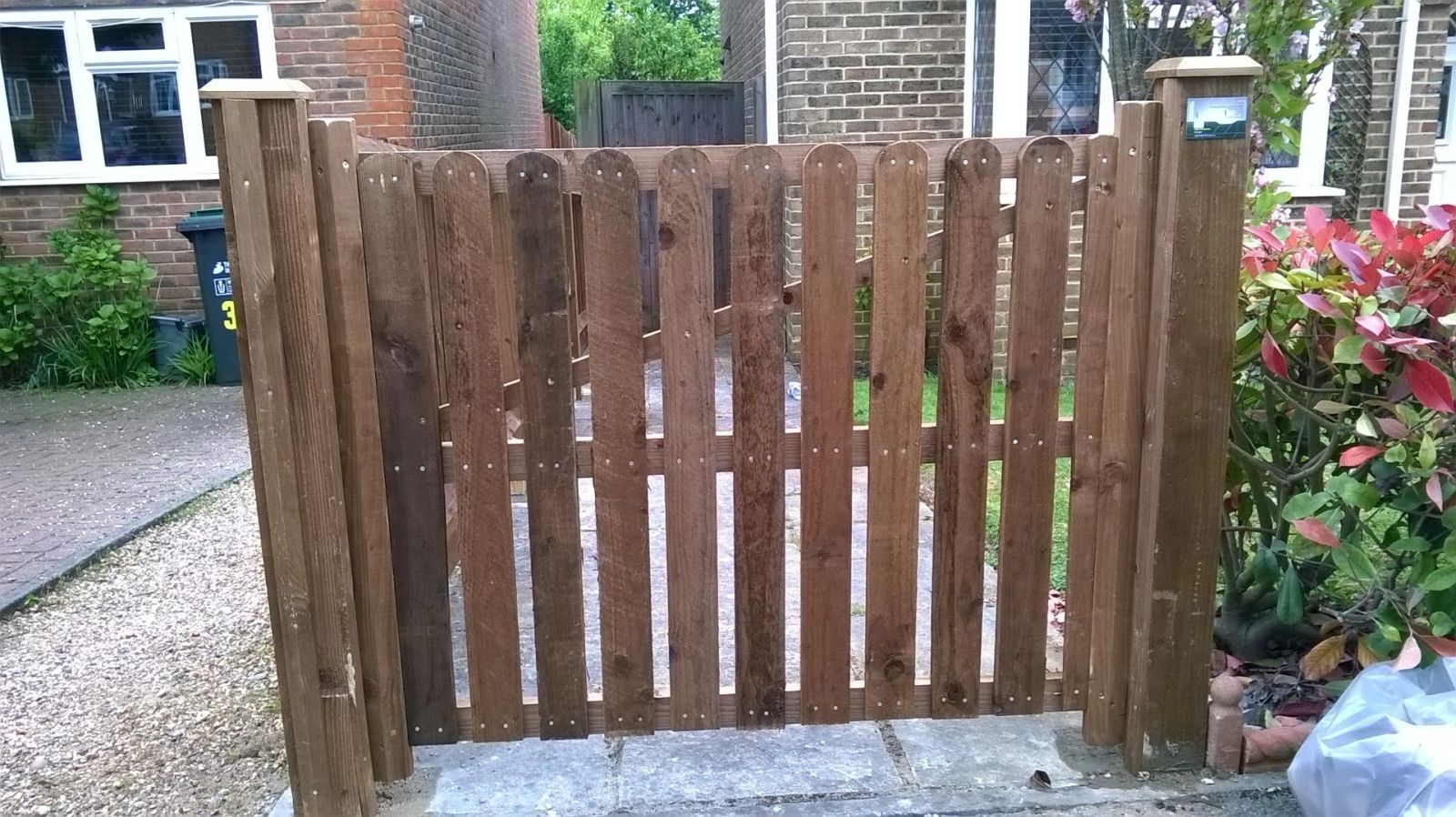
bespoke wooden gate installed by Capital Fencing in Waltham Cross (EN8)
Waltham Cross · EN8

Driveway Double Gates in Waltham Cross (EN8)

We approach driveway double gates in Waltham Cross from the failure end backwards. Not levelling the closing point — one leaf drags on the drive within a year — that's the single most common thing we're called back to fix, and it's the first thing our spec addresses. Roads such as Park Lane and Trinity Lane are typical of the local layout. Eleanor Cross monument is a useful local reference point. Waltham Cross sits at the junction of the M25 and A10, historically a coaching-road crossing point marked by the medieval Eleanor Cross monument.

We approach driveway double gates in Waltham Cross from the failure end backwards. Not levelling the closing point — one leaf drags on the drive within a year — that's the single most common thing we're called back to fix, and it's the first thing our spec addresses. Roads such as Park Lane and Trinity Lane are typical of the local layout. Eleanor Cross monument is a useful local reference point. Waltham Cross sits at the junction of the M25 and A10, historically a coaching-road crossing point marked by the medieval Eleanor Cross monument.

Default spec

How we build driveway double gates in Waltham Cross

44mm framed, tongue-and-groove or composite infill, hot-dip galvanised or stainless ironmongery, sized to the actual masonry opening not the drawing. On Waltham Cross jobs we adjust for shared boundaries plus a high turnover of rental properties means landlord-friendly specs matter.

Property mix locally: Victorian and Edwardian terraces near the town centre, with newer estates toward Theobalds. Typical gardens: small to medium gardens; many older properties share boundary fences with both neighbours. Postcodes we regularly service: EN8.

Why this spec, for homes with off-street parking wanting matched double vehicle gates, manual or automated

  • measured on site off the actual brick piers, not a builder's plan set
  • prepared for future automation even when you're not fitting it yet — cabling ducts under the drive, hinges rated for it
  • matched pedestrian gate carried in the same visit so alignment and finish are identical

Where driveway double gates isn't the right answer

  • spans over 4m where a cantilever slider is a better answer than a two-leaf swing
  • sloping driveways where full-close geometry isn't achievable without a rising hinge system

Typical driveway double gates briefs in Waltham Cross

  • matched pedestrian gate alongside 3.6m double vehicle gates on a corner-plot driveway
  • 4.0m composite-faced double gates prepared for underground automation

Driveway Double Gates FAQs — Waltham Cross

Softwood, hardwood or composite for double gates?

On driveway double gates jobs in Waltham Cross (EN8), our default answer is: 44mm framed, tongue-and-groove or composite infill, hot-dip galvanised or stainless ironmongery, sized to the actual masonry opening not the drawing. The honest trade-off is not levelling the closing point — one leaf drags on the drive within a year — which is exactly what our default spec designs out.

Can pedestrian and vehicle gates share the same finish and ironmongery?

Across Waltham Cross we spec around shared boundaries plus a high turnover of rental properties means landlord-friendly specs matter, so on driveway double gates that usually means iroko hardwood on galvanised ironmongery. For context: prepared for future automation even when you're not fitting it yet — cabling ducts under the drive, hinges rated for it. Structural spans and post depths calculated, not guessed.

Can wooden driveway gates be automated later?

Broxbourne Borough coverage means we can survey most EN8 addresses inside a week — homes with off-street parking wanting matched double vehicle gates, manual or automated. We'll walk you through measured on site off the actual brick piers, not a builder's plan set on the site visit before you commit.

How do you stop a heavy gate dropping on the closing point?

Practically: 3.0m opening hardwood double gates on ball-race hinges with drop bolt and top slide bolt. That's the Waltham Cross version of this job, not a generic one. The honest trade-off is not levelling the closing point — one leaf drags on the drive within a year — which is exactly what our default spec designs out.

How much clearance do you leave under a driveway gate?

On driveway double gates jobs in Waltham Cross (EN8), our default answer is: 44mm framed, tongue-and-groove or composite infill, hot-dip galvanised or stainless ironmongery, sized to the actual masonry opening not the drawing. For context: prepared for future automation even when you're not fitting it yet — cabling ducts under the drive, hinges rated for it. Structural spans and post depths calculated, not guessed.

Recent driveway double gates work
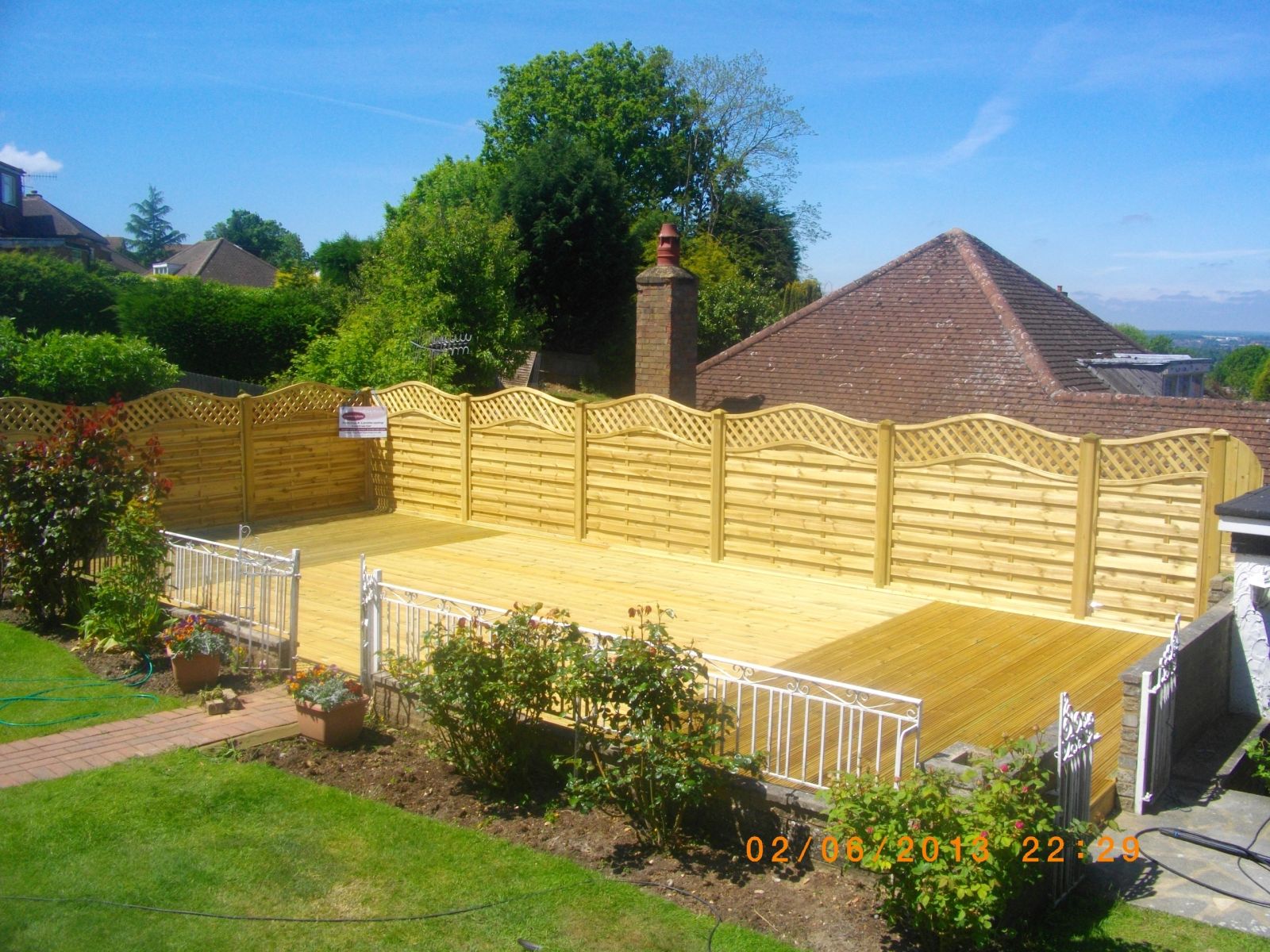
bespoke wooden gate installed by Capital Fencing in Waltham Cross (EN8)double driveway gates installed by Capital Fencing in Waltham Cross (EN8)hardwood side gate installed by Capital Fencing in Waltham Cross (EN8)metal entrance gate installed by Capital Fencing in Waltham Cross (EN8)

What actually matters for driveway double gates around Waltham Cross

Vehicle and impact loading on perimeter fencing

A boundary next to a car park, loading bay or farm track needs posts and panels sized for accidental impact loading, not just wind and climbing loads, because a reversing vehicle applies a very different force to the same run.

Where impact is a realistic risk, a kerb, bollard or heavier-gauge post is used to take the hit rather than relying on the fence panel itself to absorb it.

Getting materials to a repair with no rear vehicle access

Where a repair is at the far end of a long rear garden with no gate wide enough for a vehicle, concrete, timber and tools all have to be carried in by hand, which changes how a job is planned even if the repair itself is small.

Bagged quick-set concrete carried in and mixed on site is often more practical in this situation than trying to barrow ready-mix any distance, simply because of the volume that needs to be moved by hand.

Boundary fencing around a sports ground

A sports ground boundary usually needs to control spectator access on match days while staying open enough the rest of the week for community use, which pushes the design toward lockable gates on an otherwise low, permeable perimeter rather than a solid, high-security line throughout.

Ball-stop netting or higher panels behind goals is a separate specification from the perimeter fence and is chosen for containment rather than security, though the two are sometimes combined on the same run.

New-build plots and developer specification

New-build plots are frequently handed over with a minimal timber boundary treatment specified by the developer, sometimes with a defects-period clause that ties any alteration to the developer's own maintenance obligations for the first two years.

Ground on a recently-built plot is also often disturbed or re-graded rather than settled, so posts set too soon after landscaping can move as the ground consolidates over the following winter.

Estate-wide design codes on new developments frequently specify a single approved fence style and colour for the first several years of occupation, which is worth checking against the site's planning conditions before replacing anything.

Skip versus grab-away waste removal

A skip needs road or driveway space for its full duration and, on a public highway, a council permit, whereas a grab lorry can load and leave within an hour without occupying the site overnight.

For a single fence-replacement job the volume of old timber and rubble is often small enough that a grab-away collection is more practical than a full skip hire, particularly where there's nowhere suitable to site one.

Mixed loads containing both timber and concrete sometimes need separating for the waste carrier to dispose of correctly, so it's worth checking what a specific collection will and won't take before old material is piled up ready to go.

Dealing with concealed or unusual legacy fixings

Older fence runs sometimes used fixings that aren't common today, such as coach-screws recessed and pelleted over, which take longer to locate and remove than a standard exposed nail or screw.

Identifying the fixing type before starting a repair avoids damaging surrounding sound timber by forcing a component free with the wrong method.

Checking a post is plumb in two planes

A post checked with a spirit level on only one face can still be leaning across the run even though it looks vertical along it, so plumb needs confirming on two adjacent faces at right angles before concrete goes in.

This matters most on corner and gate posts, where a lean invisible from the main run direction becomes obvious the moment a gate is hung and doesn't swing true.

Rechecking plumb again just before the concrete starts to go off catches any post nudged out of position while backfilling or bracing, since that's a common point for a post to drift slightly unnoticed.

Moisture content before staining or treating

Applying stain or preservative to timber that's still wet from recent rain or from fresh pressure treatment traps moisture under the coating rather than sealing it out, reducing how long the treatment lasts.

Repairs are timed, where possible, to let new or rain-affected timber dry to a suitable moisture level before any coating is applied.

Permitted development height limits

Under the General Permitted Development Order, a fence, wall or gate can normally go up to 1m without planning permission where it fronts a highway used by vehicles, and up to 2m elsewhere on the plot.

That 2m figure is measured from the natural ground level, not from the base of a retaining structure, which catches people out on sloping plots where the fence ends up effectively taller on the low side.

Corner plots, listed buildings and land inside a conservation area all tighten these limits, so it's worth checking the local authority's own guidance before ordering materials rather than after.

Downpipe discharge points near a fence base

A downpipe discharging directly onto open ground near a fence line, rather than into a proper drain or soakaway, concentrates a large volume of roof water at one specific point along the boundary during heavy rain.

Over time this creates a permanently saturated patch that behaves like a high water table locally, even though the rest of the garden drains normally.

Redirecting the discharge with a short length of pipe or a small soakaway a metre or two from the fence line resolves the issue far more effectively than trying to compensate with a more resistant post base.

Using packers to correct a slightly out-of-true panel fit

A small gap between a panel edge and a post face, caused by a minor inconsistency in post spacing rather than a genuine error, can often be taken up with a thin timber packer rather than re-digging and resetting the post.

Packers need fixing securely rather than simply wedged in, since a loose packer left to rattle under wind load will eventually work its way out and leave the original gap again.

Repeated packing along a run is a sign the underlying setting-out was slightly off rather than a one-off issue, and it's worth checking overall spacing again if more than an occasional panel needs correcting this way.

Repairing a damaged section of welded mesh panel

A localised dent or cut in a weld mesh panel can sometimes be patched by welding in a replacement section rather than replacing the whole panel, provided the damage doesn't extend to the panel's frame or fixing points.

Where damage is at a corner or fixing point rather than mid-panel, a full panel swap is usually more reliable than a patch repair, since a repaired fixing point is a more likely future failure than a repaired mesh field.

Post caps and end-grain protection

A timber post's end grain sits at the top, cut across the fibres, and that exposed grain draws in water far faster than the treated face of the post, which is why an unprotected post top is often the first place rot takes hold.

A weathered or pyramid-cut post cap sheds water off the end grain instead of letting it pool, and a cap that oversails the post slightly also keeps water from tracking down the sides at the joint.

It's a small, low-cost detail that's frequently skipped on budget jobs, and its absence is a reliable way to predict which posts in an older fence will need replacing first.

Wind loading on a solid gate face

A solid gate face catches far more wind than an open-bar design of the same size, which puts extra strain on the hinge side over time — this is worth factoring in when repairing or replacing a gate on an exposed frontage.

Bracing the frame diagonally helps a solid gate resist that racking force in a way a simple butt-jointed frame doesn't.

Arched top gates and curved rail jointing

An arched top gate needs a curved top rail jointed into straight stiles, and that curved rail is usually built up from several shaped sections rather than cut from a single curved timber, since a single piece cut across the grain to follow the curve would be structurally weak.

Repairs to a cracked arched rail need to identify which built-up section has failed rather than treating the whole curve as one component.

Historic ha-ha and ditch boundaries

Some older rural and semi-rural Hertfordshire properties retain a ha-ha — a sunken ditch-and-wall boundary designed to keep a view open while still containing livestock — rather than a conventional fence line.

Where a ha-ha exists on a historic estate boundary, it's sometimes a designated heritage feature in its own right, in which case altering or fencing over it needs the same care as any other listed landscape feature.

More often a ditch boundary is simply a drainage feature rather than a heritage one, in which case a fence set back from the ditch edge, rather than spanning it, avoids undermining the bank.

Pressure treatment and incising

Pressure treatment (vacuum-pressure impregnation) forces preservative into the timber under pressure rather than just coating the surface, which is why treated softwood outperforms a surface-brushed equivalent even though both can look similar when new.

Denser softwoods such as redwood resist deep penetration, so posts and other high-risk sections are often incised first — small slits cut into the surface — to let preservative reach further into the timber than it otherwise would.

Incising leaves a visible pattern of shallow cuts on the timber face, which is a normal sign of proper treatment rather than a defect, though it's more noticeable on posts than on finish-grade boards.

Timber shrinkage and swelling across seasons

Timber gate frames swell slightly in wet weather and shrink back in dry conditions, and a gate built with no allowance for that movement can bind in one season and rattle loose in another.

A small design gap at the latch side accommodates this movement without needing seasonal adjustment of the hardware itself.

Surface-water run-off across a boundary

Where one garden sits higher than its neighbour, or has a hard surface that sheds rain quickly, surface water often crosses the boundary line rather than staying on the plot it fell on.

A solid close-boarded fence with gravel boards set into the ground can act as an unintended dam, backing water up against the base and accelerating rot in the boards nearest the high side.

A small gap under the boards, or a French drain running parallel to the fence line, lets water pass through without saturating the timber, and is worth raising with a client before installation rather than after a wet winter.

Letting-agent instructions and access arrangements

Work instructed through a letting agent rather than directly by the owner usually needs a written authorisation confirming who can approve variations to the quote, since the agent isn't always the person paying the invoice.

Key access for an occupied rental needs proper notice to the tenant under the tenancy agreement, typically at least 24 hours, and arranging a lockbox or agent-held key avoids a wasted visit if the tenant isn't home.

Where a fence sits between a let property and an owner-occupied neighbour, it's worth the agent confirming which side is instructing and paying before quoting, to avoid a dispute over cost once the job is done.

Obstruction offences under the Highways Act

The Highways Act 1980 makes it an offence to obstruct a public highway, including the footway, without lawful authority, which is the underlying reason fencing, skips or materials on a pavement need proper authorisation.

This applies regardless of whether the obstruction is temporary for a delivery or intended as a permanent boundary feature encroaching onto highway land.

Where any part of planned boundary work might extend onto or over a public footway or verge, checking with the highway authority first avoids a straightforward enforcement issue later.

Diagnosing stiffness that eases through the day

A gate that's noticeably stiffer first thing in the morning and frees up as the day goes on is often responding to overnight condensation or dew on the hinge pins and latch mechanism rather than a structural fault.

This pattern is worth distinguishing from a fault that's present all day regardless of temperature, since the two point to very different causes and fixes.

On driveway double gates in Waltham Cross you get the same crew from first site visit to hand-over. That's the whole model — small team, engineered-to-load spec, written quote before we start. Roads such as Trinity Lane and Theobalds Lane are typical of the local layout. Lee Valley White Water Centre is a useful local reference point. The Lee Valley White Water Centre, built for the 2012 Olympics, lies within the borough.

Get In Touch

Get My Free Quote — 24h Response

No callout fee · Free site visit · Friendly local team covering London & Hertfordshire.

Call us
07885907880
or 02036484746
Email
capital_fencing@yahoo.com
WhatsApp
Message us anytime
Area
London & Hertfordshire
Payment
Card payments accepted

Pay by debit or credit card, bank transfer or cash once the work and price are agreed. No deposit taken online.

Request a Free Quote

We'll get back to you within 24 hours.

Free Site Visit No Callout Fee
Call WhatsAppQuote