London & Hertfordshire Free Site Visit
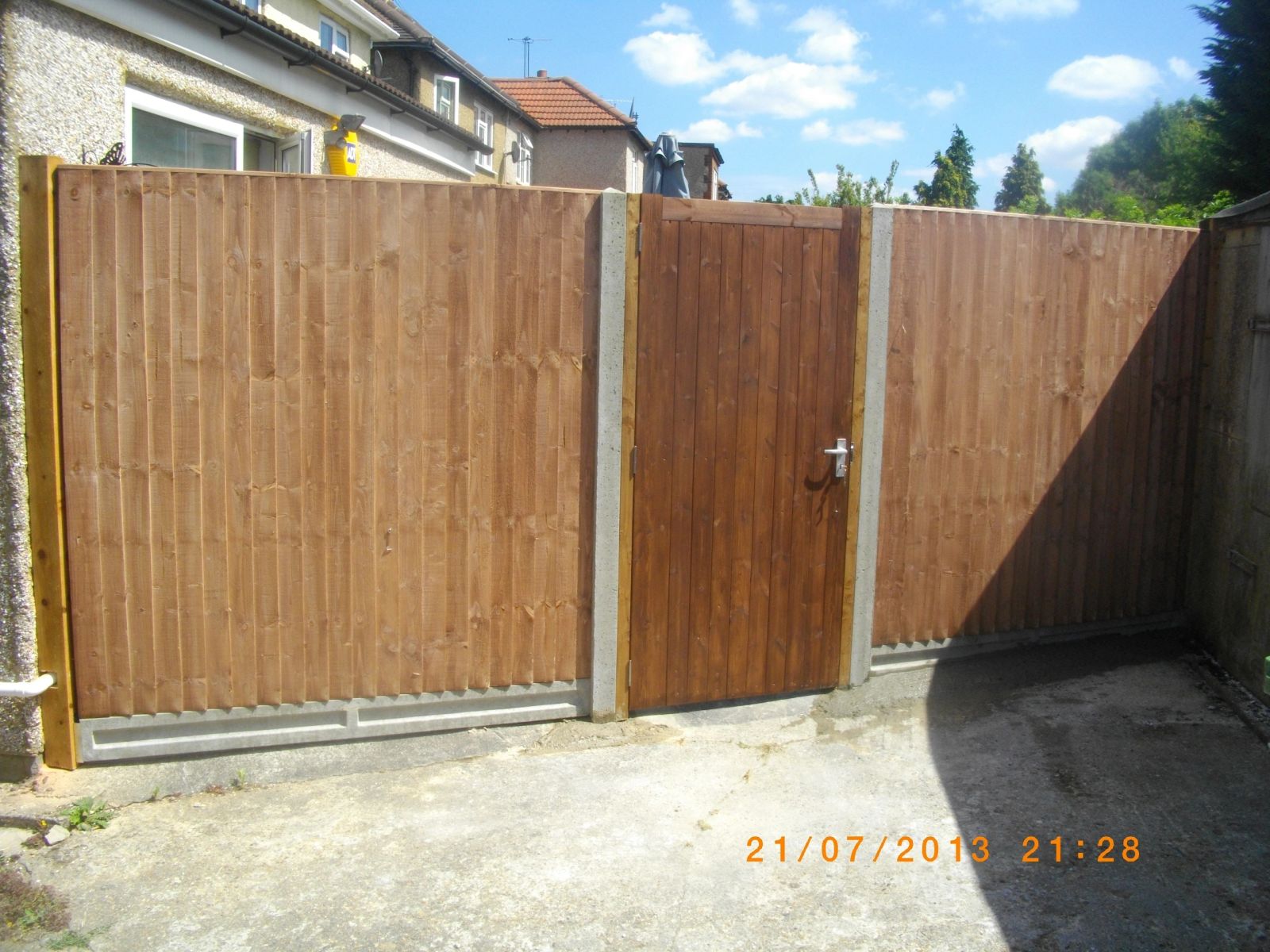
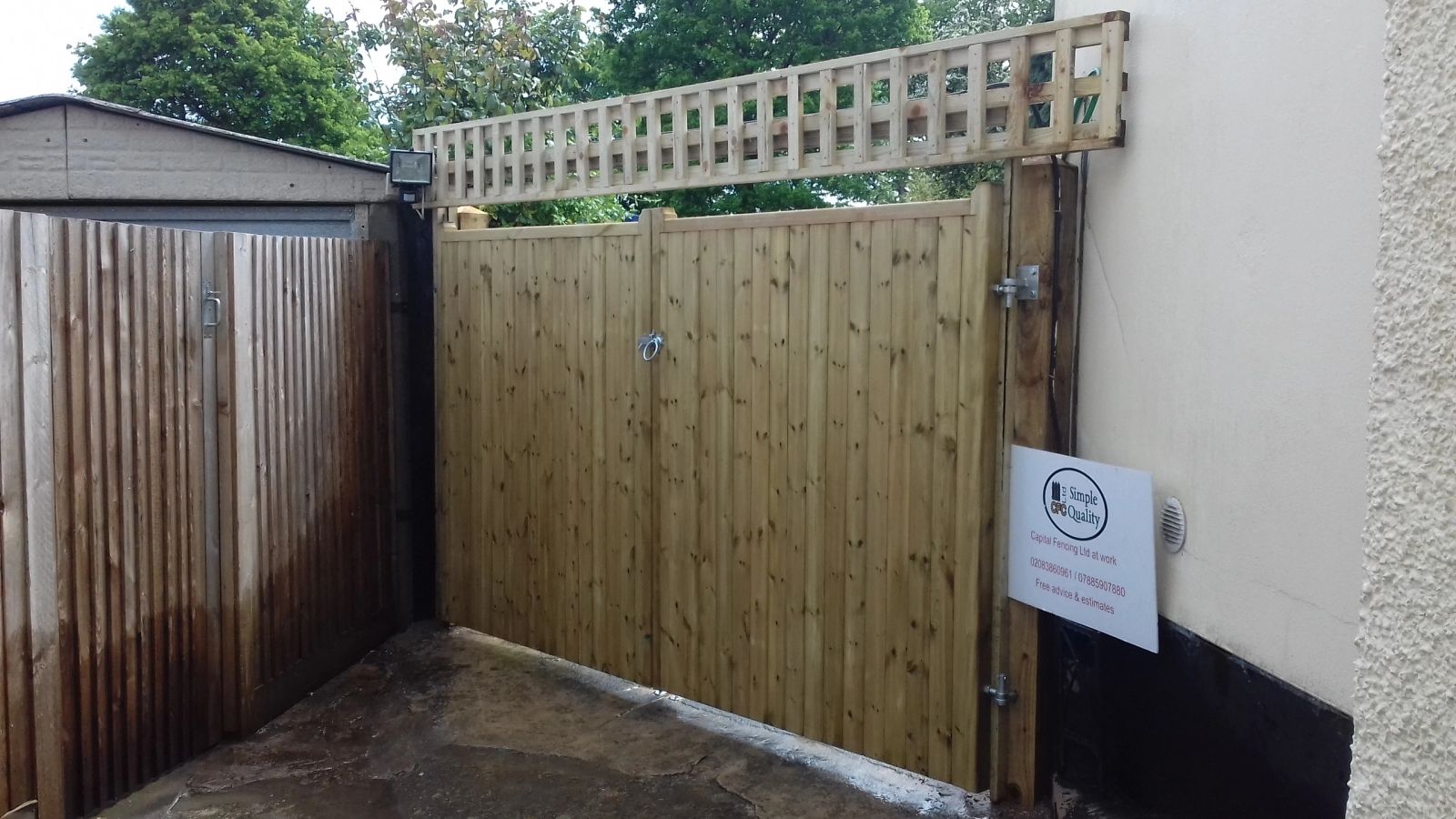
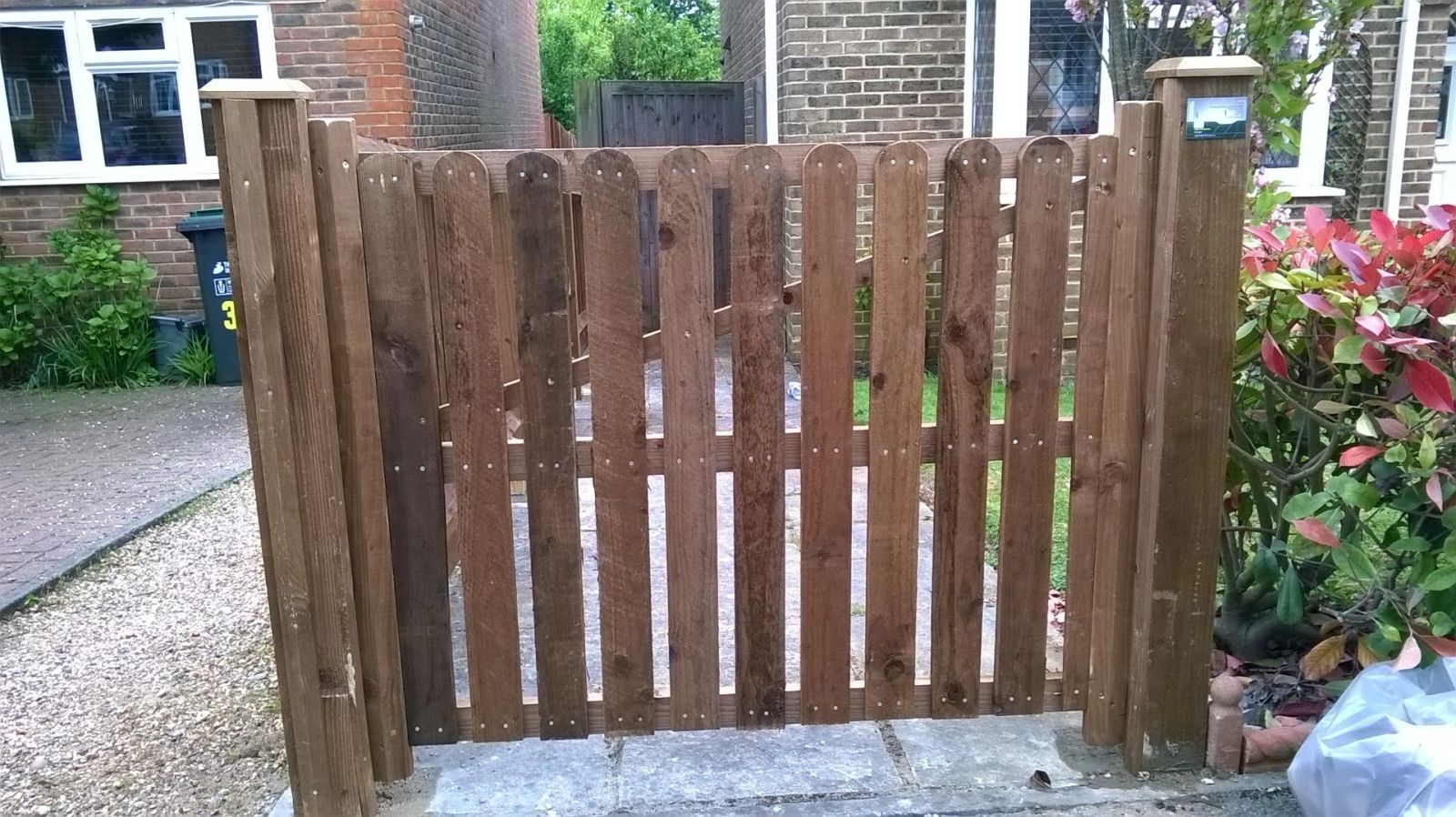
bespoke wooden gate installed by Capital Fencing in Waltham Cross (EN8)
Waltham Cross · EN8

Pedestrian Side Gates in Waltham Cross (EN8)

If you're weighing pedestrian side gates for a property in Waltham Cross, the first thing that matters is how the finish sits next to the neighbour's existing boundary — not the material choice. Once that's settled, closeboard-matched softwood for behind-the-house lines is where most of our pedestrian side gates work in EN8 lands, with painted picket for front-boundary matching as a considered alternative. Roads such as Trinity Lane and Park Lane are typical of the local layout. Eleanor Cross monument is a useful local reference point. The Lee Valley White Water Centre, built for the 2012 Olympics, lies within the borough.

If you're weighing pedestrian side gates for a property in Waltham Cross, the first thing that matters is how the finish sits next to the neighbour's existing boundary — not the material choice. Once that's settled, closeboard-matched softwood for behind-the-house lines is where most of our pedestrian side gates work in EN8 lands, with painted picket for front-boundary matching as a considered alternative. Roads such as Trinity Lane and Park Lane are typical of the local layout. Eleanor Cross monument is a useful local reference point. The Lee Valley White Water Centre, built for the 2012 Olympics, lies within the borough.

Typical pedestrian side gates briefs in Waltham Cross

  • single 900mm pedestrian gate cut into an existing closeboard run
  • hardwood pedestrian gate through a brick garden wall opening
Default spec

How we build pedestrian side gates in Waltham Cross

single leaf on ball-race hinges, thumb-latch and dead-locking hardware, closing stop and drop-bolt where security is a priority. On Waltham Cross jobs we adjust for shared boundaries plus a high turnover of rental properties means landlord-friendly specs matter.

Property mix locally: Victorian and Edwardian terraces near the town centre, with newer estates toward Theobalds. Typical gardens: small to medium gardens; many older properties share boundary fences with both neighbours. Postcodes we regularly service: EN8.

Why this spec, for single-leaf pedestrian gates matched into existing fencing runs

  • carried in as a like-for-like match to what's already there — no visible new post
  • hinge and latch geometry sized for daily use rather than as a one-off decorative piece
  • installed with the closing stop and latch in one visit so nothing has to be revisited
What goes wrong

Common failure modes on pedestrian side gates

  • hinging off the last post of an old fence run — the post moves and the gate stops closing within weeks
  • specifying a decorative latch not rated for daily use — hardware fatigue inside a year

Pedestrian Side Gates FAQs — Waltham Cross

What hinges do you use so the gate doesn't drop?

On pedestrian side gates jobs in Waltham Cross (EN8), our default answer is: single leaf on ball-race hinges, thumb-latch and dead-locking hardware, closing stop and drop-bolt where security is a priority. The honest trade-off is hinging off the last post of an old fence run — the post moves and the gate stops closing within weeks — which is exactly what our default spec designs out.

Do you fit the latch and any hardware on the same visit?

Across Waltham Cross we spec around shared boundaries plus a high turnover of rental properties means landlord-friendly specs matter, so on pedestrian side gates that usually means closeboard-matched softwood for behind-the-house lines. For context: hinge and latch geometry sized for daily use rather than as a one-off decorative piece. Measured, quoted and installed by the same small crew.

Can the gate be sized to an unusual opening?

Broxbourne Borough coverage means we can survey most EN8 addresses inside a week — single-leaf pedestrian gates matched into existing fencing runs. We'll walk you through carried in as a like-for-like match to what's already there — no visible new post on the site visit before you commit.

Softwood or hardwood for a matched pedestrian gate?

Practically: single 900mm pedestrian gate cut into an existing closeboard run. That's the Waltham Cross version of this job, not a generic one. The honest trade-off is hinging off the last post of an old fence run — the post moves and the gate stops closing within weeks — which is exactly what our default spec designs out.

How do I keep the gate closed without a spring hinge?

On pedestrian side gates jobs in Waltham Cross (EN8), our default answer is: single leaf on ball-race hinges, thumb-latch and dead-locking hardware, closing stop and drop-bolt where security is a priority. The honest trade-off is hinging off the last post of an old fence run — the post moves and the gate stops closing within weeks — which is exactly what our default spec designs out.

Recent pedestrian side gates work
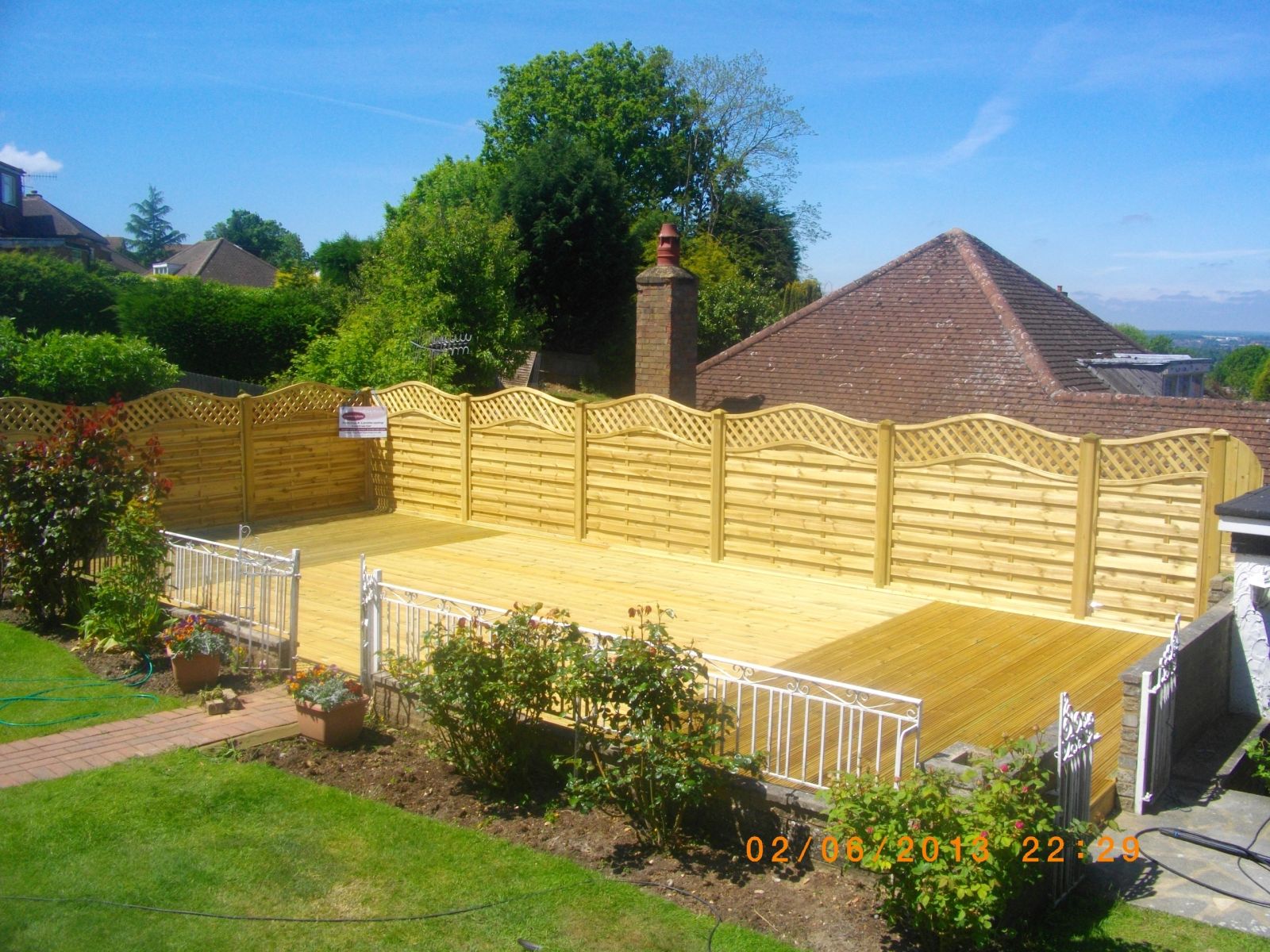
bespoke wooden gate installed by Capital Fencing in Waltham Cross (EN8)double driveway gates installed by Capital Fencing in Waltham Cross (EN8)hardwood side gate installed by Capital Fencing in Waltham Cross (EN8)metal entrance gate installed by Capital Fencing in Waltham Cross (EN8)

What actually matters for pedestrian side gates around Waltham Cross

How we measure and quote a job

A proper quote starts with a site visit rather than a phone estimate — measuring the actual run length, checking ground conditions with a probe or short trial dig, and confirming access before any numbers go on paper.

That's the only reliable way to catch the things that change a price: buried obstructions, a slope that needs stepping, a shared boundary that needs the neighbour's agreement, or a gate opening that's slightly out of square.

A written quote following that visit should specify post spacing, post and panel material, base type and any extras like gravel boards or capping, so there's nothing to renegotiate once the job starts.

Choosing stainless fixings for repairs in exposed or salt-affected locations

Standard galvanised fixings corrode faster than usual in locations exposed to road salt spray or coastal air, so a repair in that kind of setting is a reasonable point to upgrade to stainless steel fixings even where the original installation used galvanised.

The extra cost of stainless fixings on a small repair is minor compared with the labour of redoing the same repair again in a few years once galvanised fixings have failed in that environment.

Fixings into a party wall during a fence repair

Where a timber fence butts up against a party wall shared between two properties, repair work touching the wall itself — drilling new fixings, removing old brackets — can fall under party wall considerations separate from the fence repair.

In practice this mostly matters for anything beyond reusing existing fixing points; a straightforward like-for-like refit into the same holes rarely raises an issue, but a new fixing pattern into the wall is worth flagging to the client first.

Supporting neighbouring posts while replacing a single panel

Removing one panel from an established run can momentarily remove lateral support the panel itself was providing to its neighbouring posts, particularly on an older run where posts have relied on the panels bracing each other.

Temporary bracing on the posts either side while the old panel is out and the new one is fitted avoids one of them leaning or shifting during the brief window it's unsupported.

This is more of a concern on taller or more exposed runs than on a short, sheltered garden fence, but it's a quick precaution worth taking on any repair rather than assuming the remaining structure will hold itself steady unaided.

Hitting services when digging for a repair

A post-hole repair dug in the same spot as the original footing carries less risk of hitting a buried service than a hole dug in new ground, but any repair that shifts a post position even slightly should be checked against known service runs first.

Cable and pipe locations aren't always where drawings suggest, particularly on an older property, so digging with care near the first sign of resistance is standard practice.

Scribing a gravel board to uneven ground

Ground level rarely runs perfectly straight between two posts, so a gravel board cut square often leaves a gap under one end and digs into the ground at the other unless it's scribed to follow the actual contour.

Scribing means holding the board in position, marking the ground profile onto its face, and cutting along that line so the board's bottom edge follows the undulation rather than an assumed flat datum.

On concrete gravel boards this isn't possible after casting, so uneven ground either needs the board bedded on a shaped mortar bed or a timber board used instead where the ground profile is particularly irregular.

Keeps and hasps for padlocking

A keep holds a sliding or dropping latch bar, while a hasp is the separate hinged plate that a padlock passes through — the two are often confused but serve different jobs and aren't interchangeable on most gate designs.

Hasp screws are a common weak point since they're fitted from the accessible face; through-bolting a hasp gives more resistance to forcing than screws alone.

Sourcing reclaimed or discontinued timber to match an existing run

Older properties sometimes have a fence built from timber sections, profiles or panel sizes no longer in standard production, which makes an exact match difficult without sourcing reclaimed stock or having a bespoke run cut.

Reclaimed timber needs the same checks as new stock — treatment condition, rot, and structural soundness — before reuse, since visually matching timber that's structurally compromised isn't a genuine repair.

Where matching isn't practical, agreeing a deliberate, tidy transition point with the client (a change of panel style at a natural break, like a corner post) usually looks better than trying and failing to blend two slightly different materials seamlessly.

Temporary hoarding during other building work

Where fencing or gate work runs alongside a wider building project — an extension, a loft conversion with scaffolding, or a full renovation — a temporary hoarding or site fence often needs to go up before the permanent boundary work can start.

Temporary fencing adjoining a public footpath or road has its own public safety considerations, including visibility for pedestrians and vehicles passing the site.

Sequencing matters here — installing the final boundary fence before other trades have finished moving materials through that access point often means damage that has to be repaired before the job can be signed off.

Frost heave effects on shallow-set posts

Frost heave occurs when water in saturated soil freezes and expands, lifting the ground surface and any shallowly set post embedded in it, sometimes by several millimetres each freeze-thaw cycle over a winter.

Posts set below the typical frost penetration depth for the region are far less affected, since the freezing zone that drives heave rarely reaches that far down, which is one reason recommended minimum depths are deeper in areas with harder winters.

A post that's visibly risen slightly over a hard winter, without any sign of the concrete cracking, has often been affected by heave rather than a failed footing, and it can sometimes settle back as the ground thaws.

Routing deck lighting cable away from standing water

Low-voltage deck lighting cable run beneath boards needs to be kept clear of any point where water is likely to pool, since even low-voltage cable connectors degrade faster in permanently wet conditions than in the intermittent dampness the rest of the substructure sees.

Routing cable along the higher side of a deck's fall, rather than through the lowest point where water naturally collects, is a simple planning step that extends the life of an otherwise reliable lighting installation.

Any cable joints beneath a deck should use fully waterproof-rated connectors rather than standard household connectors, given the substructure environment is functionally outdoors and damp regardless of overall deck condition.

Protecting a patio surface during fencing work

Dragging posts, panels or a wheelbarrow across paving can chip edges or scratch a polished or textured finish, so boards or protective sheeting laid along the route reduce that risk on a patio the client wants kept intact.

Concrete spillage from mixing or haunching is another common cause of permanent staining on natural stone or porous paving, and it sets far harder to remove than it is to prevent with a simple dust sheet under the mixing point.

Where post holes have to be dug close to a patio edge, protecting the adjoining slabs from spoil and tool marks is worth doing before digging starts rather than cleaning up afterwards.

Brown versus green treatment pigments

The green or brown tint in pressure-treated softwood comes from a pigment or dye added to the preservative solution during treatment, largely as a visual indicator that the timber has been through the process rather than for any protective purpose.

Green pigments were historically more common but have become less fashionable, with brown or 'tanalised brown' now the more usual finish for fencing timber sold in the UK.

Because the colour is only pigment-deep in places, freshly cut ends and any surface planing during fitting will expose the paler, untreated-looking wood beneath, which is another reason to treat cut ends separately.

Handling a live boundary dispute discovered during a repair

Sometimes a repair call-out uncovers that neighbours actively disagree about where the boundary line sits, which is a different situation to simply not knowing who's responsible for maintenance, and it needs resolving before any post is reset rather than worked around.

In that situation the sensible step is pausing repair work on the disputed section until the neighbours have agreed the line, since resetting a post on a disputed line can itself become evidence in the dispute.

Compression versus tension fixing of infill panels

Some panel systems clip into a compression-fit channel between posts, relying on the panel being cut to a precise size to stay in place under load; others are bolted under tension to the post face, which tolerates more variation in panel size but adds visible fixing points.

Compression-fit systems look cleaner but are harder to make tamper-resistant, since a panel that can be removed without tools for maintenance can usually also be removed without tools by someone else.

Mediation as a step before a formal boundary dispute

Community and property mediation services exist specifically to help neighbours resolve disagreements, including boundary and fencing disputes, without going straight to solicitors or court.

Mediation is generally faster and considerably cheaper than formal legal action, and can preserve a working relationship between neighbours who will, after all, remain neighbours.

Where a boundary disagreement is becoming entrenched, raising the idea of mediation early is often more productive than escalating straight to legal correspondence.

Checking for adjacent drainage runs before excavating

A land drain or perimeter drainage run laid to keep a garden from waterlogging is easy to miss during a routine dig, since it's often shallower and less obviously marked than a mains service.

Digging through one doesn't usually cause an immediate problem visible on the day, but it can quietly reintroduce a waterlogging issue the drain was originally installed to solve, sometimes not noticed until the following wet season.

Where a garden has a known history of standing water that was previously addressed with drainage work, it's worth asking the client what's down there before digging rather than finding out by breaking through a pipe.

Community-wide hedgehog gap linking across multiple boundaries

A single hedgehog gap in one fence achieves little if the neighbouring boundaries along the same row of gardens remain solid, since the animal still can't move beyond the first connected garden.

Some local wildlife groups now coordinate gap positions across a terrace or street so that a continuous corridor is created through several gardens rather than isolated single gaps.

Where a client is enthusiastic about this, it's worth suggesting they mention it to neighbours early, since agreeing gap positions in advance avoids gaps that don't line up once each fence is finished.

Wheeling barrows over lawn without lasting damage

Repeated barrow runs over the same strip of lawn compact the soil and flatten the grass, and on wet ground a laden barrow can rut the turf enough that it doesn't recover without reseeding.

Laying scaffold boards or trackway matting along the barrow route spreads the load and protects the same strip from repeated single-wheel pressure, which is worth doing on any job running more than a day or two.

Choosing a slightly longer but firmer route — along a path rather than across open lawn — often does less lasting damage than the shortest direct line, even though it takes a little longer per trip.

Using wall plates to transition timber to masonry

A wall plate — a length of timber bolted flat to a masonry wall — gives a stable timber fixing point for arris rails or panel frames to run into, avoiding the need to drill and plug the wall at every rail height individually.

Setting the plate slightly proud of the wall face with packers behind it can help keep it clear of surface damp on an older solid wall, rather than fixing it flush against a face that holds moisture.

The bolts holding the plate need to be sized for the wall material — heavier-duty fixings for old lime-mortar brickwork than for modern dense blockwork — since an undersized fixing can work loose under repeated wind load on the panels.

Closeboard and feather-edge construction

Closeboard fencing is built from overlapping feather-edge boards nailed vertically to horizontal arris rails, each board tapered so the thick edge overlaps the thin edge of its neighbour and sheds water outward.

That overlap is what gives closeboard its strength and privacy compared with a pre-made panel — there's no single failure point, so a split board can be replaced individually without dismantling the run.

The trade-off is labour: it's built on site board by board rather than lifted into place, so it costs more in time than a lap panel of the same length.

Pressure washing a fence before assessing the extent of repair needed

Algae, dirt and old flaking coatings can hide the true condition of timber underneath, so a light clean before a repair assessment sometimes reveals splits, rot or fixing corrosion that wasn't visible under the surface grime.

Pressure washing needs a gentle setting and some distance from the timber face, since an aggressive jet held too close can strip soft surface fibres from weathered wood and make marginal timber look more damaged than it actually is.

On pedestrian side gates in Waltham Cross you get the same crew from first site visit to hand-over. That's the whole model — small team, match-what-you-have spec, written quote before we start. Roads such as Theobalds Lane and High Street are typical of the local layout. Waltham Cross station is a useful local reference point. The Lee Valley White Water Centre, built for the 2012 Olympics, lies within the borough.

Get In Touch

Get My Free Quote — 24h Response

No callout fee · Free site visit · Friendly local team covering London & Hertfordshire.

Call us
07885907880
or 02036484746
Email
capital_fencing@yahoo.com
WhatsApp
Message us anytime
Area
London & Hertfordshire
Payment
Card payments accepted

Pay by debit or credit card, bank transfer or cash once the work and price are agreed. No deposit taken online.

Request a Free Quote

We'll get back to you within 24 hours.

Free Site Visit No Callout Fee
Call WhatsAppQuote