New-Build Garden Fencing in Watford — Built for how the finish sits next to the neighbour's existing boundary
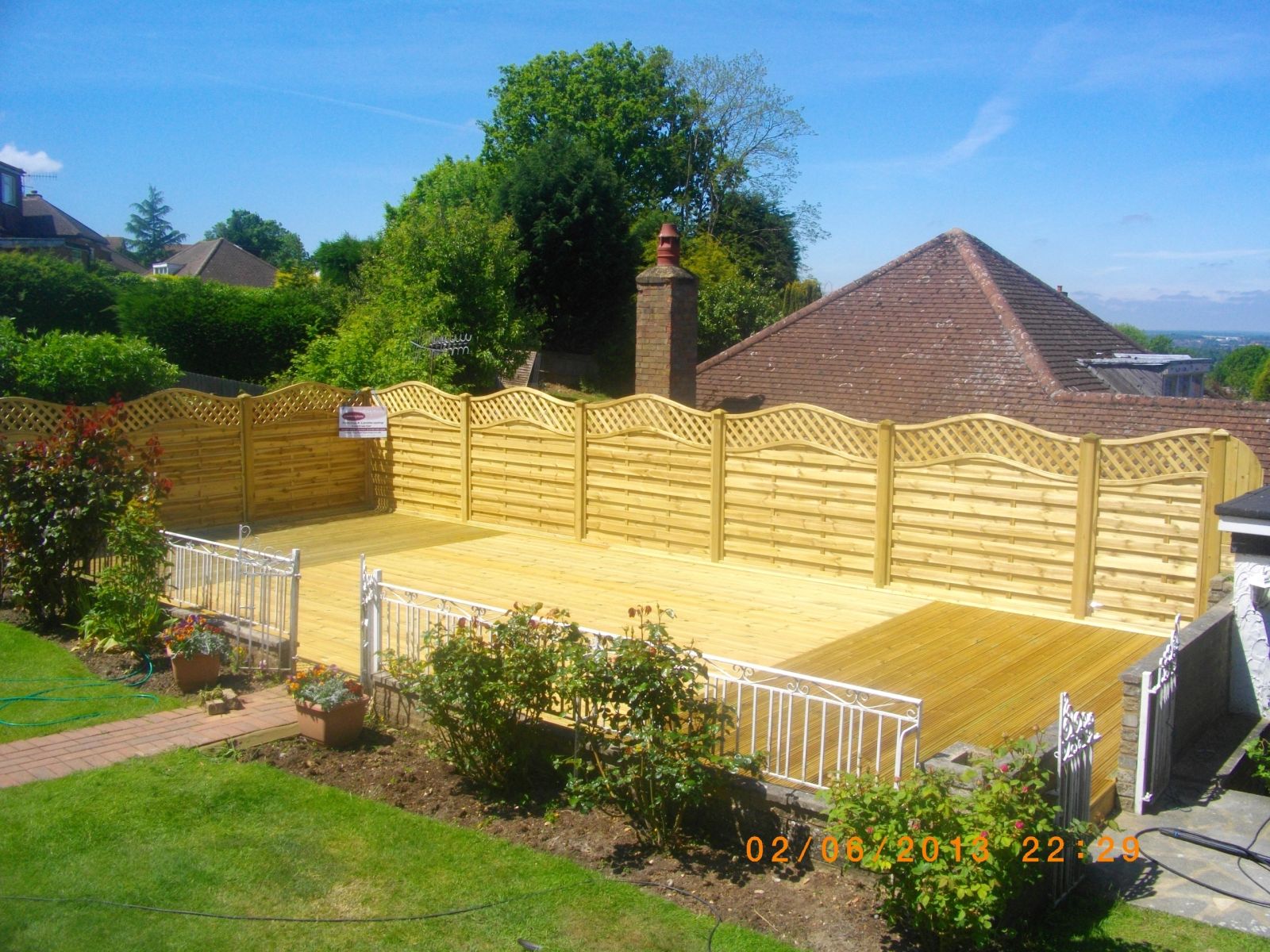
New-Build Garden Fencing in Watford is a specific brief for us — buyers on modern estates upgrading the developer's minimum-spec boundary after handover. The default local answer isn't a stock catalogue drop: it's 6ft closeboard on concrete posts, 150mm gravel boards, mid-rail capped — a genuine 15-year replacement for the developer's 4-year panel. On Watford sites we also spec around tree-root heave is common near cassiobury and whippendell wood, so concrete-set posts are non-negotiable, which is where a lot of new-build boundary fencing jobs quietly fail two years in. Recent work on Whippendell Road and Langley Way. We orient jobs off Cassiobury Park. Cassiobury Park-side rear boundary. 2m closeboard with trellis top to retain park outlook. Heightened privacy without losing the borrowed view.
New-Build Garden Fencing in Watford is a specific brief for us — buyers on modern estates upgrading the developer's minimum-spec boundary after handover. The default local answer isn't a stock catalogue drop: it's 6ft closeboard on concrete posts, 150mm gravel boards, mid-rail capped — a genuine 15-year replacement for the developer's 4-year panel. On Watford sites we also spec around tree-root heave is common near cassiobury and whippendell wood, so concrete-set posts are non-negotiable, which is where a lot of new-build boundary fencing jobs quietly fail two years in. Recent work on Whippendell Road and Langley Way. We orient jobs off Cassiobury Park. Cassiobury Park-side rear boundary. 2m closeboard with trellis top to retain park outlook. Heightened privacy without losing the borrowed view.
How we build new-build boundary fencing in Watford
6ft closeboard on concrete posts, 150mm gravel boards, mid-rail capped — a genuine 15-year replacement for the developer's 4-year panel. On Watford jobs we adjust for tree-root heave is common near cassiobury and whippendell wood, so concrete-set posts are non-negotiable.
Property mix locally: Victorian terraces around the centre, 1930s semis in Oxhey, and large detached homes in Cassiobury. Typical gardens: mixed — tight back-to-backs near the town centre, generous plots toward Cassiobury Park. Postcodes we regularly service: WD17, WD18, WD19.
Why this spec, for buyers on modern estates upgrading the developer's minimum-spec boundary after handover
- no more callouts every winter — the standard developer spec fails inside four years and we know exactly what fails
- we work around plot-boundary pegs and drainage runs that new-build gardens hide badly
- quotes broken down so you can see exactly where the money over the developer spec goes
Where new-build boundary fencing isn't the right answer
- — estates still inside a developer snagging period where the boundary is their liability to fix
- — estates with Section 106 covenants on boundary appearance — check the deeds first
Typical new-build boundary fencing briefs in Watford
- → raising a shared boundary height with neighbour agreement, keeping to permitted development
- → replacing developer 4ft overlap panels with 6ft closeboard on concrete posts
New-Build Garden Fencing FAQs — Watford
Can I replace the developer's fence in the first two years?
On new-build boundary fencing jobs in Watford (WD17), our default answer is: 6ft closeboard on concrete posts, 150mm gravel boards, mid-rail capped — a genuine 15-year replacement for the developer's 4-year panel. We'll walk you through no more callouts every winter — the standard developer spec fails inside four years and we know exactly what fails on the site visit before you commit.
Do you handle the neighbour conversation on a shared boundary?
Across Watford we spec around tree-root heave is common near cassiobury and whippendell wood, so concrete-set posts are non-negotiable, so on new-build boundary fencing that usually means 6ft closeboard on concrete posts. The honest trade-off is putting new closeboard on the existing developer posts — those are the part that failed first, not the panels — which is exactly what our default spec designs out.
Why do developer fences fail so quickly?
Watford Borough coverage means we can survey most WD17 addresses inside a week — buyers on modern estates upgrading the developer's minimum-spec boundary after handover. The honest trade-off is putting new closeboard on the existing developer posts — those are the part that failed first, not the panels — which is exactly what our default spec designs out.
Do I need permission to raise a new-build boundary?
Practically: replacing developer 4ft overlap panels with 6ft closeboard on concrete posts. That's the Watford version of this job, not a generic one. For context: we work around plot-boundary pegs and drainage runs that new-build gardens hide badly. Measured, quoted and installed by the same small crew.
Can new panels be fitted to existing developer posts?
On new-build boundary fencing jobs in Watford (WD17), our default answer is: 6ft closeboard on concrete posts, 150mm gravel boards, mid-rail capped — a genuine 15-year replacement for the developer's 4-year panel. For context: we work around plot-boundary pegs and drainage runs that new-build gardens hide badly. Measured, quoted and installed by the same small crew.
Recent new-build garden fencing work
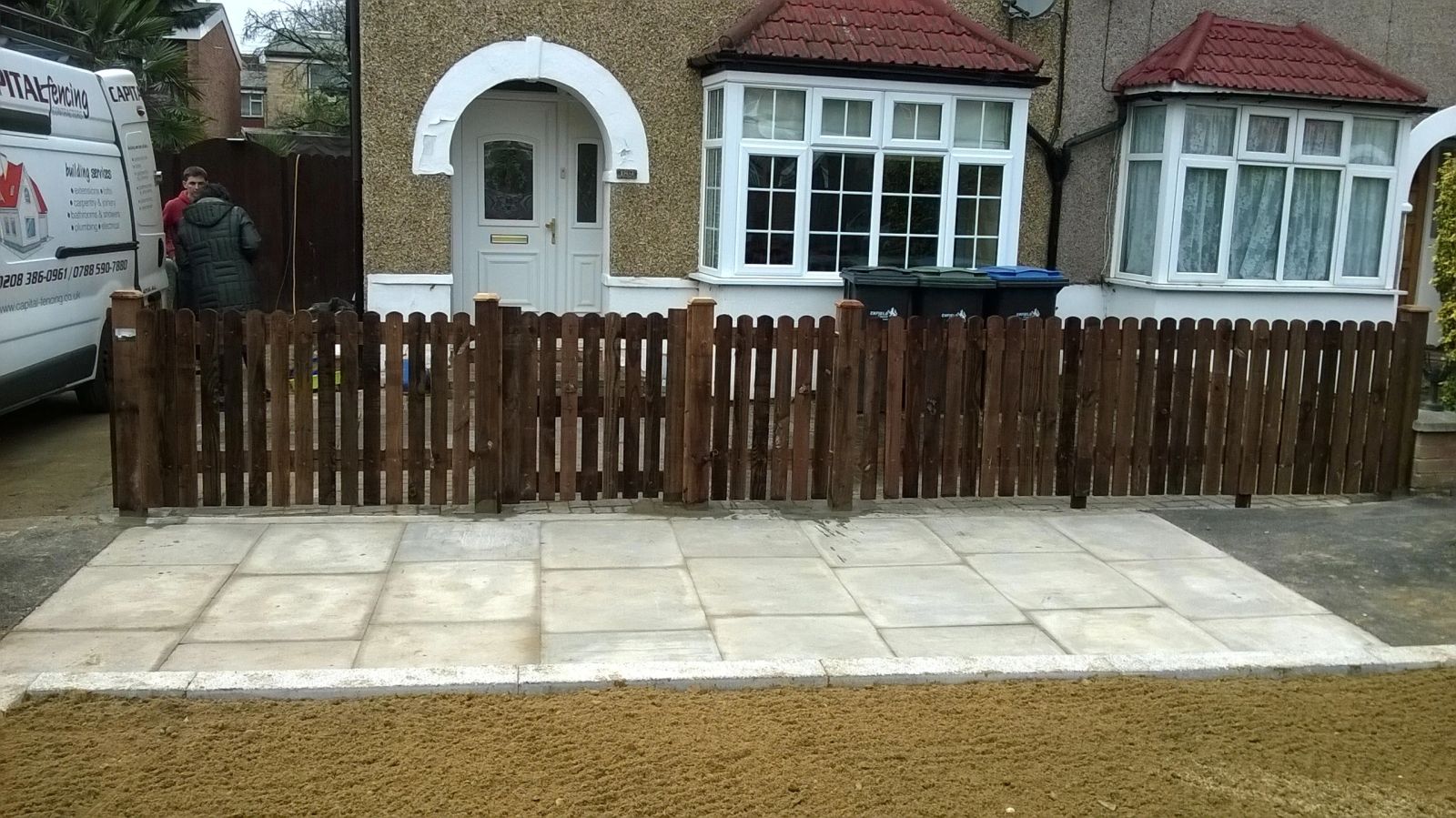
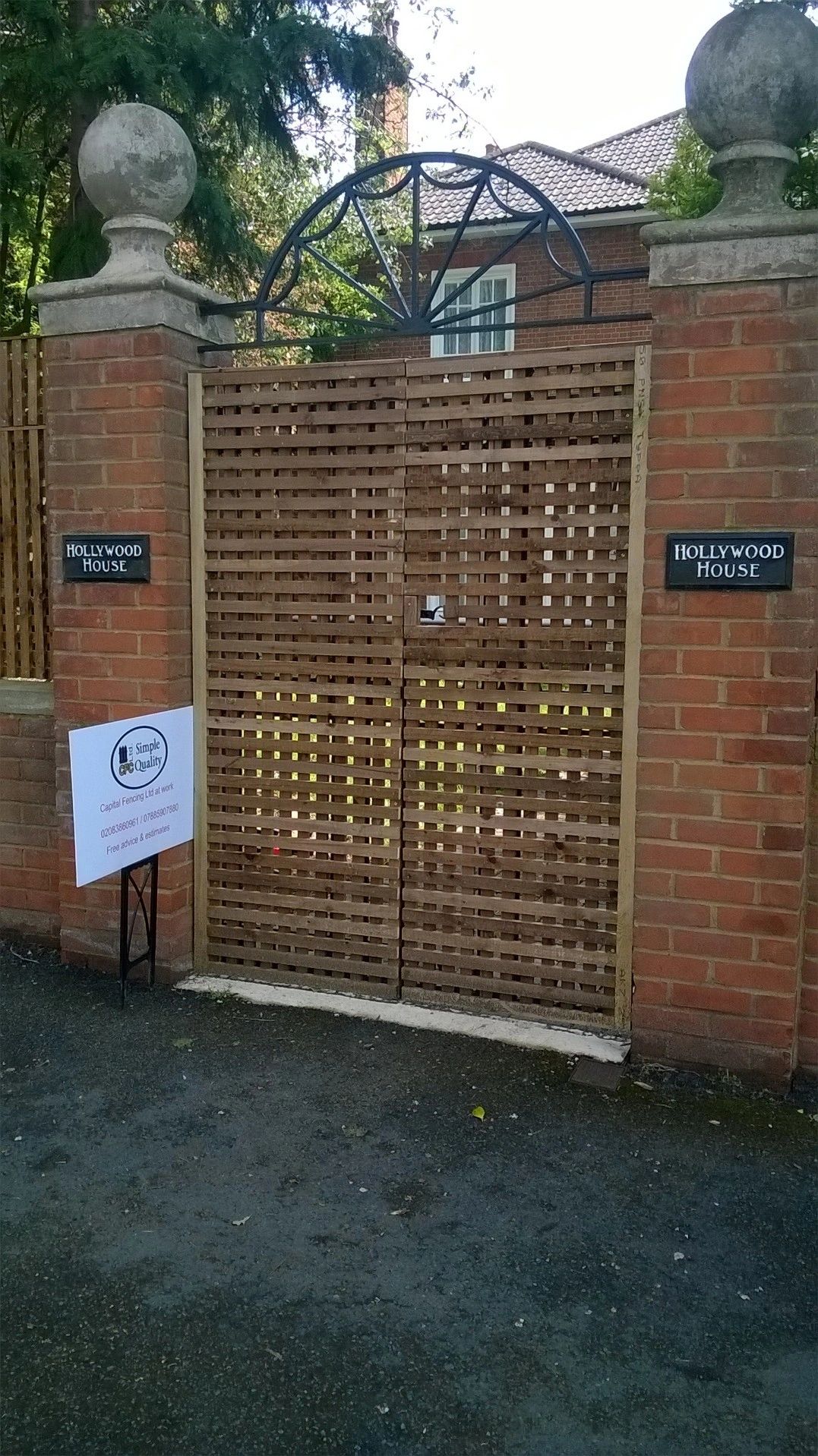
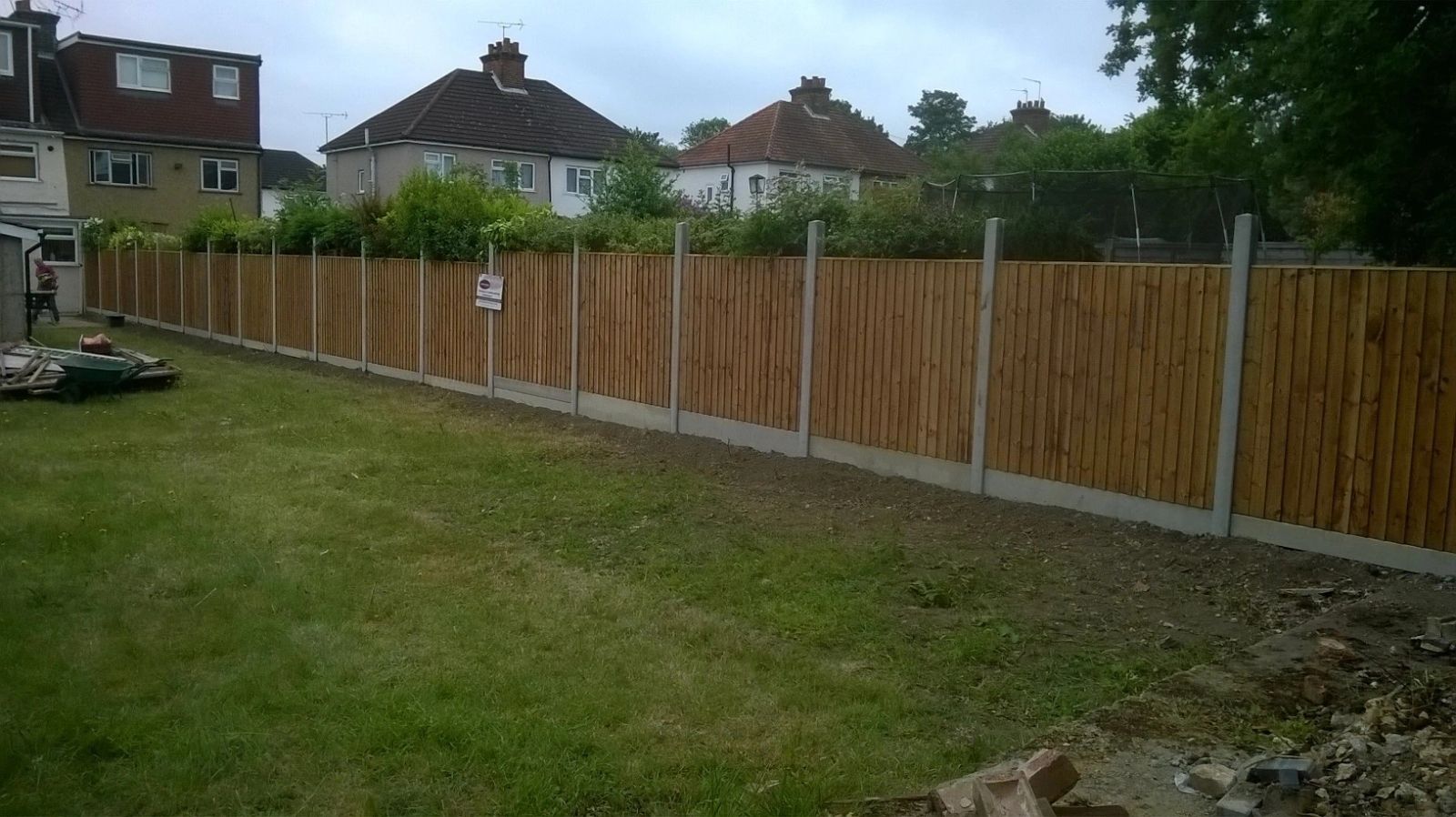
Buyers on modern estates upgrading the developer's minimum-spec boundary after handover — that's who this page is for. In Watford and out to Watford Borough, we run the new-build boundary fencing spec that survives tree-root heave is common near cassiobury and whippendell wood, so concrete-set posts are non-negotiable. Recent work on Hempstead Road and Vicarage Road. We orient jobs off Whippendell Wood. Cassiobury Park-side rear boundary. 2m closeboard with trellis top to retain park outlook. Heightened privacy without losing the borrowed view.
Get My Free Quote — 24h Response
No callout fee · Fully insured · Friendly local team covering London & Hertfordshire.