London & Hertfordshire Free Site Visit
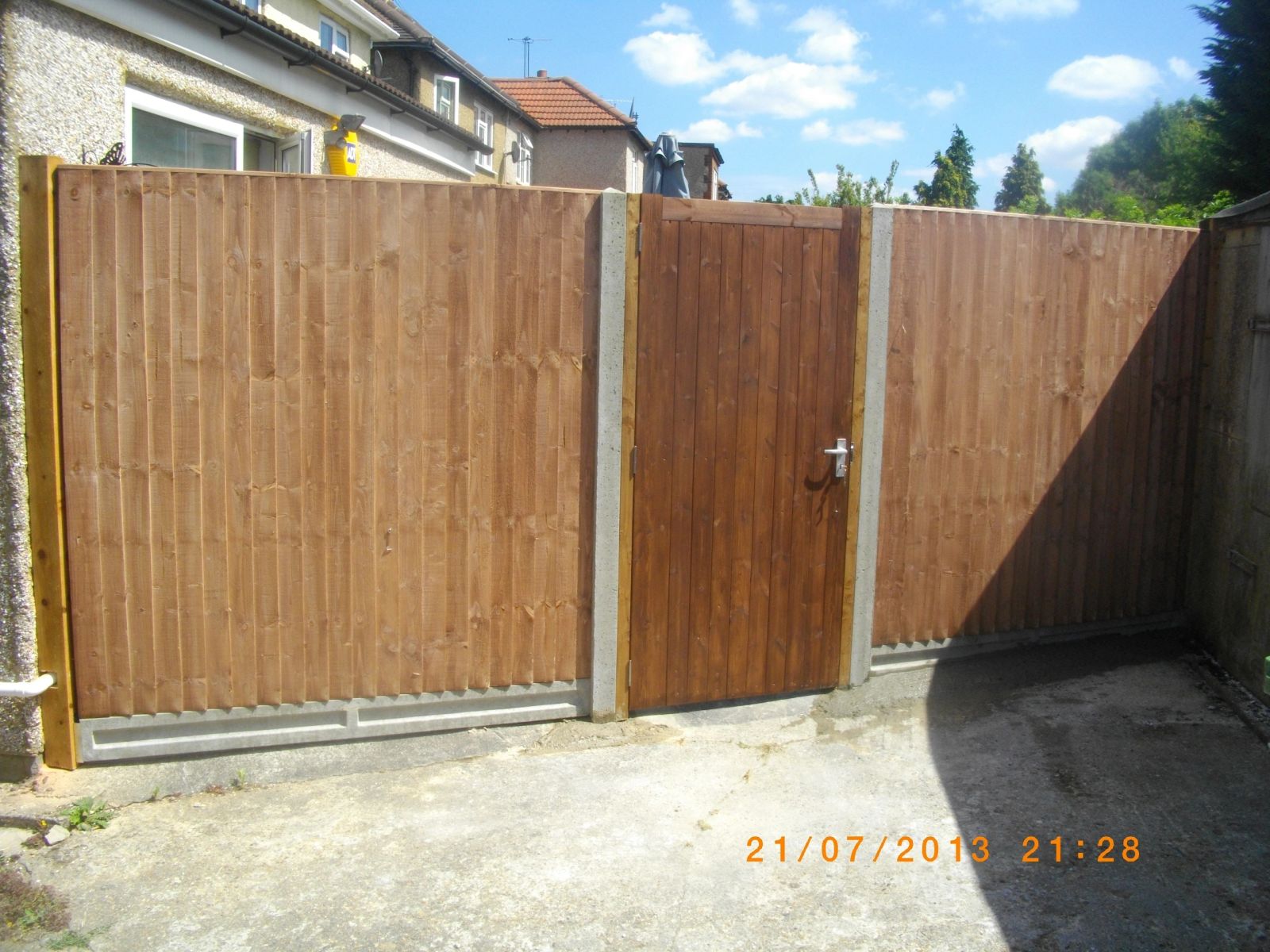
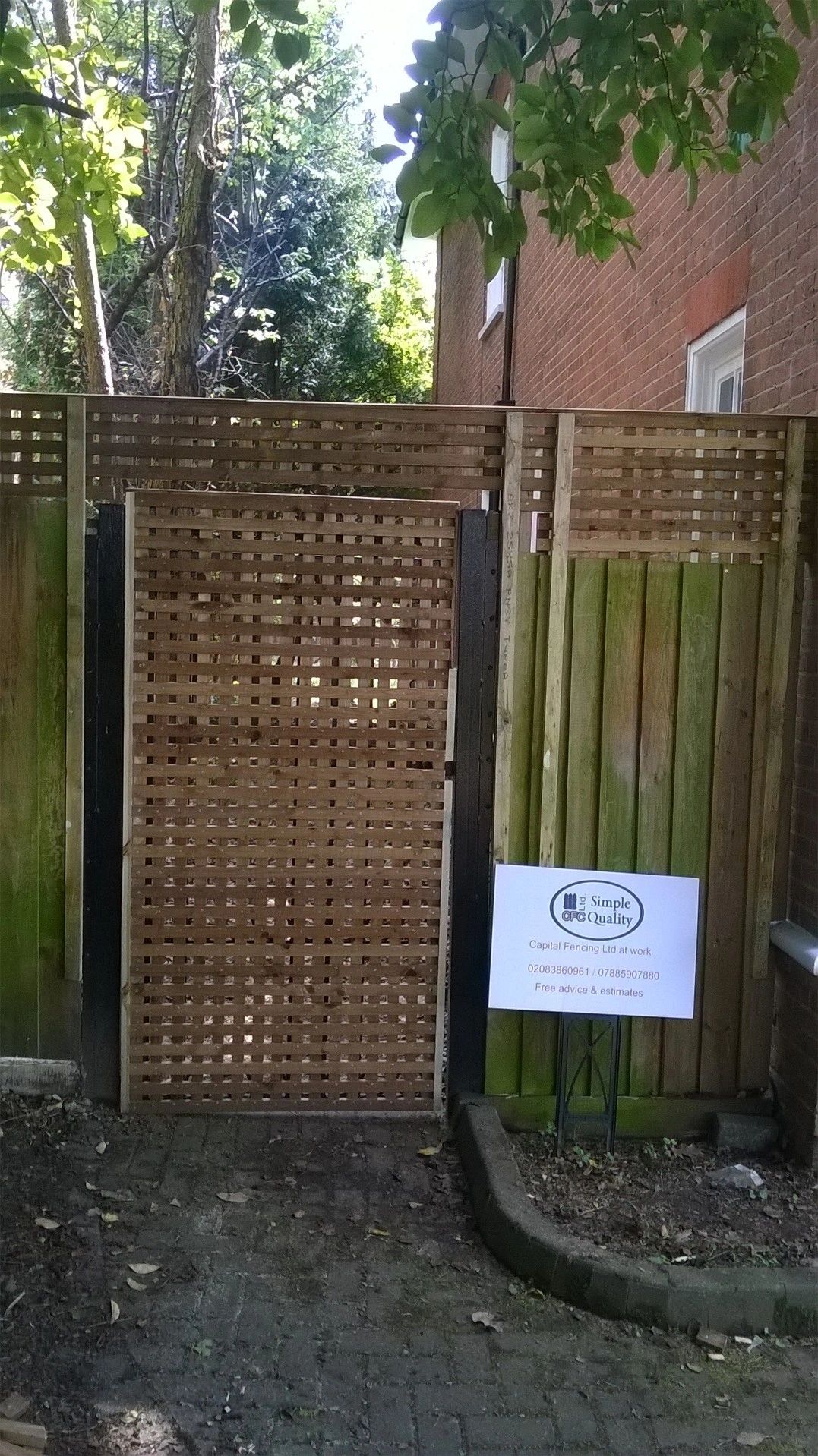
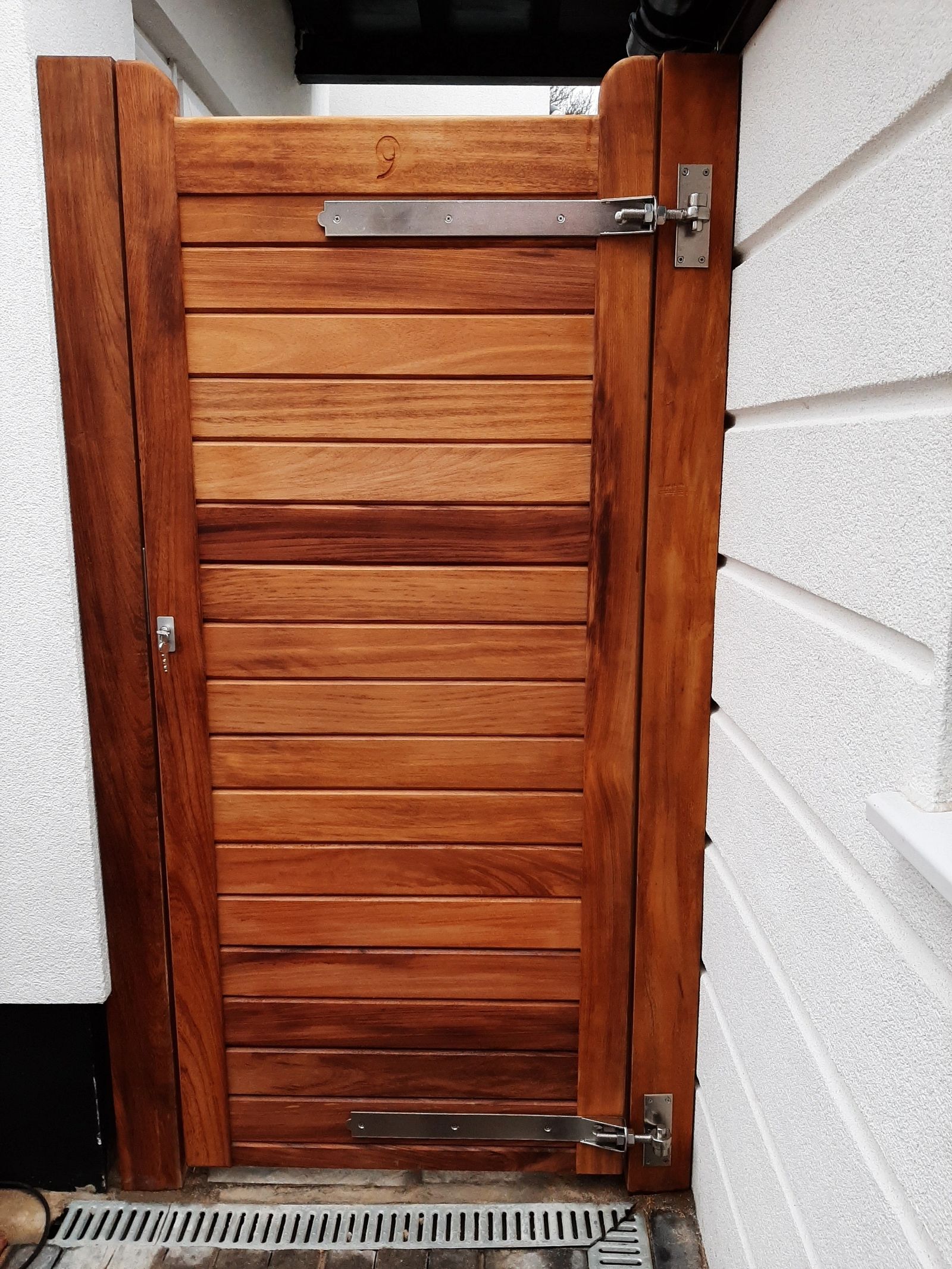
bespoke wooden gate installed by Capital Fencing in Hatfield (AL9)
Hatfield · AL9 / AL10

Pedestrian side gate across Hatfield — Welwyn Hatfield Borough

We approach pedestrian side gates in Hatfield from the failure end backwards. Hinging off the last post of an old fence run — the post moves and the gate stops closing within weeks — that's the single most common thing we're called back to fix, and it's the first thing our spec addresses. Roads such as French Horn Lane and St Albans Road West are typical of the local layout. Hatfield House park wall is a useful local reference point. Briars Lane and the surrounding streets follow the regular grid typical of the New Town planning era.

We approach pedestrian side gates in Hatfield from the failure end backwards. Hinging off the last post of an old fence run — the post moves and the gate stops closing within weeks — that's the single most common thing we're called back to fix, and it's the first thing our spec addresses. Roads such as French Horn Lane and St Albans Road West are typical of the local layout. Hatfield House park wall is a useful local reference point. Briars Lane and the surrounding streets follow the regular grid typical of the New Town planning era.

What goes wrong

Common failure modes on pedestrian side gates

  • hinging off the last post of an old fence run — the post moves and the gate stops closing within weeks
  • specifying a decorative latch not rated for daily use — hardware fatigue inside a year
Default spec

How we build pedestrian side gates in Hatfield

single leaf on ball-race hinges, thumb-latch and dead-locking hardware, closing stop and drop-bolt where security is a priority. On Hatfield jobs we adjust for uniform new-build estates mean visual consistency across runs is important to keep frontages looking right.

Property mix locally: post-war new-town estates, university accommodation, and Old Hatfield's period cottages. Typical gardens: compact rectangular plots, mostly level, often shared with neighbour-owned fences. Postcodes we regularly service: AL9, AL10.

Why this spec, for single-leaf pedestrian gates matched into existing fencing runs

  • carried in as a like-for-like match to what's already there — no visible new post
  • hinge and latch geometry sized for daily use rather than as a one-off decorative piece
  • installed with the closing stop and latch in one visit so nothing has to be revisited

Typical pedestrian side gates briefs in Hatfield

  • matched picket gate into a painted picket frontage
  • single 900mm pedestrian gate cut into an existing closeboard run

Pedestrian Side Gates FAQs — Hatfield

Can you match a new pedestrian gate into my existing fence?

On pedestrian side gates jobs in Hatfield (AL9), our default answer is: single leaf on ball-race hinges, thumb-latch and dead-locking hardware, closing stop and drop-bolt where security is a priority. We'll walk you through carried in as a like-for-like match to what's already there — no visible new post on the site visit before you commit.

Can a pedestrian gate go through a brick wall opening?

Across Hatfield we spec around uniform new-build estates mean visual consistency across runs is important to keep frontages looking right, so on pedestrian side gates that usually means closeboard-matched softwood for behind-the-house lines. The honest trade-off is hinging off the last post of an old fence run — the post moves and the gate stops closing within weeks — which is exactly what our default spec designs out.

Softwood or hardwood for a matched pedestrian gate?

Welwyn Hatfield Borough coverage means we can survey most AL9 addresses inside a week — single-leaf pedestrian gates matched into existing fencing runs. For context: hinge and latch geometry sized for daily use rather than as a one-off decorative piece. Measured, quoted and installed by the same small crew.

Do you fit the latch and any hardware on the same visit?

Practically: single 900mm pedestrian gate cut into an existing closeboard run. That's the Hatfield version of this job, not a generic one. We'll walk you through carried in as a like-for-like match to what's already there — no visible new post on the site visit before you commit.

Can the gate be sized to an unusual opening?

On pedestrian side gates jobs in Hatfield (AL9), our default answer is: single leaf on ball-race hinges, thumb-latch and dead-locking hardware, closing stop and drop-bolt where security is a priority. For context: hinge and latch geometry sized for daily use rather than as a one-off decorative piece. Measured, quoted and installed by the same small crew.

Recent pedestrian side gates work
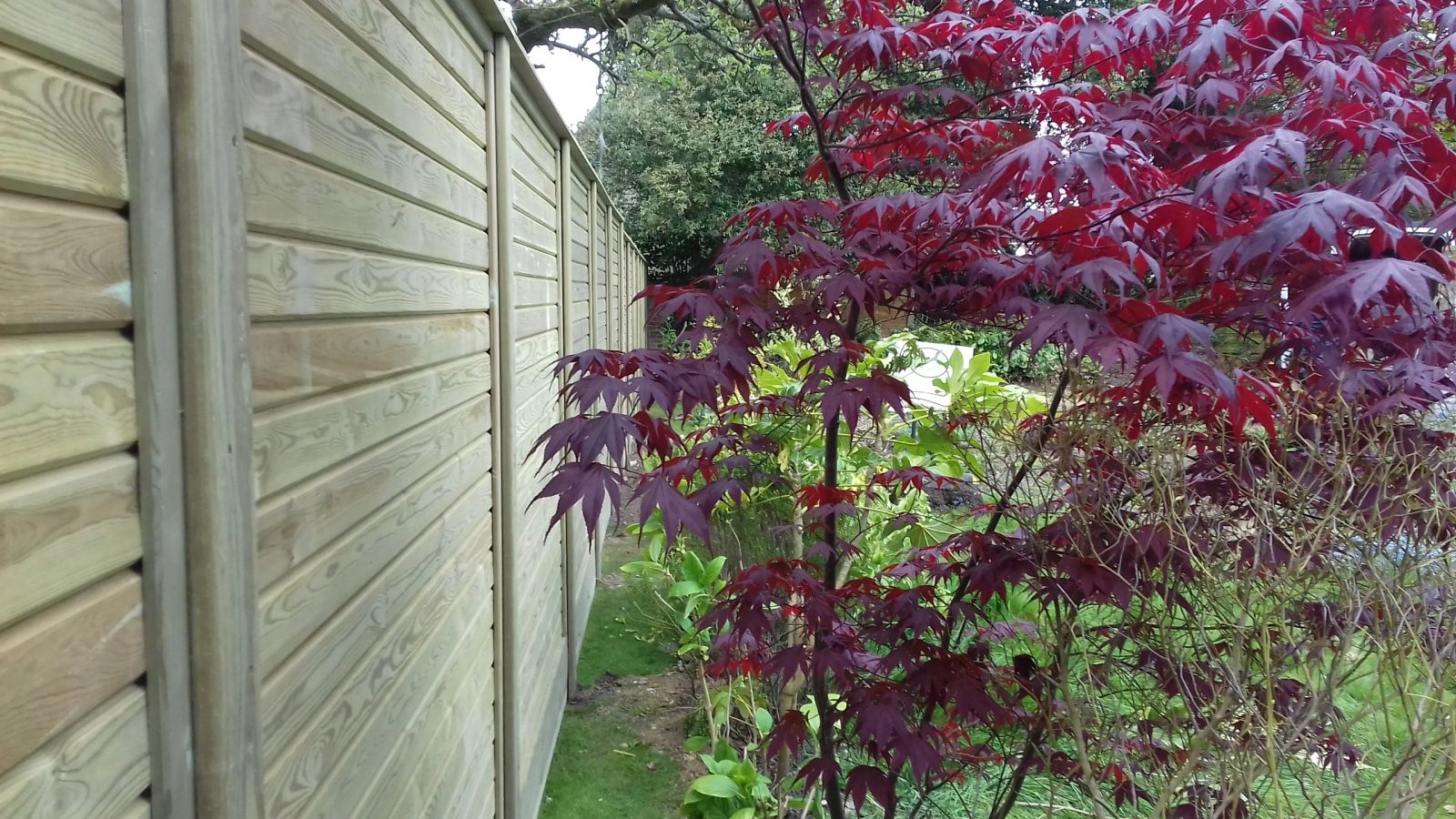
bespoke wooden gate installed by Capital Fencing in Hatfield (AL9)double driveway gates installed by Capital Fencing in Hatfield (AL9)hardwood side gate installed by Capital Fencing in Hatfield (AL9)metal entrance gate installed by Capital Fencing in Hatfield (AL9)

Before you book pedestrian side gates in Hatfield

How a security survey is carried out

A security survey walks the whole perimeter, not just the section that prompted the enquiry — low runs, blind corners and gate junctions elsewhere on the boundary are usually the actual weak point, even when the call came in about one obviously damaged section.

We note sightlines from the street and from within the property, because a fence that blocks a view outward can work against security as easily as a low fence works against it from the other side.

Specification driven by an insurer's boundary requirements

Some commercial and high-value premises have boundary security requirements set by an insurance policy — a minimum fence height, mesh type or lock standard — that the fencing spec has to meet regardless of what would otherwise be chosen.

Where a specific requirement applies, it's worth getting it in writing from the policy documents before quoting, since fitting to a general standard when a stricter one is required can leave a gap the client didn't expect.

Leylandii hedges and root competition near posts

A mature leylandii hedge planted close to a boundary develops a dense, shallow root mat that competes directly with a post base for space and moisture, often making standard post-hole digging difficult without cutting through live roots.

Leylandii also draws a large amount of water from the surrounding soil in summer, which can locally dry and shrink clay soil right along the fence line even where the wider garden isn't especially exposed.

Where a hedge is being kept, offsetting posts slightly from the direct root zone, or hand-digging around larger roots rather than augering through them, extends post life without needing to remove established planting.

Fitting post caps correctly to shed water

A post cap that doesn't fully overhang the post's top edge on all sides leaves a lip where water can track back under the cap and sit on the end grain, defeating much of its purpose.

Pyramid or weathered profile caps shed water faster than a flat cap, which matters more on an exposed post than a sheltered one, though either performs better than no cap at all on a cut post top.

Caps fixed with a single central nail can work loose and rock in wind, letting water in at the edges; a bead of exterior adhesive under the cap in addition to fixings gives a more weathertight result.

Powder-coat pre-treatment

Powder coating is only as durable as the surface preparation beneath it, and steel that hasn't been degreased, and often chemically pre-treated with a phosphate or chromate conversion coating, will let the powder coat lift and blister within a season or two.

On galvanised steel specifically, a specialist pre-treatment is needed because standard powder coat doesn't bond reliably to a plain zinc surface without it, which is why powder-coated galvanised railings are a distinct product from simply galvanised steel painted afterwards.

Once properly applied and cured, the powder coat itself is a hard, continuous barrier finish that resists chipping better than wet paint, though any breach down to bare metal will corrode locally without a way to self-heal.

New-build boundary snagging

Developer-installed boundary fencing on new-build estates is sometimes built to a minimum standard rather than the long-term spec an owner might choose themselves, and can show its first faults — sagging gates, shallow-set posts — within the first couple of years.

Where a fence is still within the developer's defects period, it's worth raising problems through that route before commissioning separate replacement work.

Once outside the defects period, upgrading a builder-grade boundary to a more durable spec is one of the more common jobs we see on estates a few years old.

HMOs and student lets

Houses in multiple occupation see heavier day-to-day wear on boundary fencing than a single-family home — more bikes, more bins, more casual leaning and climbing — and a spec that assumes normal domestic use often underperforms within a couple of years.

Licensing conditions for larger HMOs sometimes specify secure cycle storage or bin enclosures behind a lockable gate, which needs building into the boundary design rather than treated as an afterthought.

Because tenancies turn over regularly, it also helps to agree access arrangements with the managing agent rather than relying on whichever tenant happens to be in at the time of the survey.

Retrospective applications and planning appeals

A retrospective planning application can be made for work already carried out without permission, and is assessed against exactly the same policies as if it had been applied for in advance, so there's no guarantee of a more lenient outcome simply because the fence already exists.

If a retrospective application or an enforcement notice is refused or unfavourable, there's a right of appeal to the Planning Inspectorate, but appeals take months to determine and the structure may need to remain unchanged or be altered in the meantime depending on the notice.

It's worth noting that a refused retrospective application still leaves the underlying breach live, so appealing or reapplying with a revised, compliant design is often quicker than contesting the principle of refusal.

Picket profiles and spacing

Picket fencing is defined as much by the top profile of each paling — pointed, rounded, flat or 'gothic' — as by the gap between them, and both are usually specified rather than left to whatever the yard has in stock.

A tighter spacing, close to the paling's own width, gives a more solid boundary marker and better contains small pets; a wider spacing is more open and traditionally cottage-garden in character but does less to define a boundary.

Picket is a low-privacy, low-height fence by design, generally under a metre, and isn't a substitute for a taller closeboard or panel run where genuine screening is the aim.

Wayleaves and easements crossing a boundary

Some plots have a legal wayleave or easement allowing a utility company access to overhead lines or buried infrastructure crossing the garden, which can restrict what's built directly above or around that strip of land.

A shared access easement giving a neighbour a right of way across part of a garden also affects fence planning, since blocking that route — even with an otherwise perfectly legal fence — can breach the easement's terms.

These details are usually in the property's title register rather than obvious on the ground, so it's worth checking before finalising a boundary line that crosses anything unusual.

Protecting galvanised coatings on fixings during a repair

Cutting, drilling or hammering a galvanised bracket or bolt during a repair can chip through the zinc coating and expose bare steel underneath, which then corrodes faster at exactly that damaged point than the surrounding coated surface.

Touching up any damaged area with a cold galvanising compound at the time of repair is a small step that meaningfully extends the life of the fixing, rather than leaving bare steel to start rusting immediately.

Fast-setting post mix performance in cold, exposed conditions

Fast-setting post-fix concrete generates heat as it cures, which normally helps it set reliably even in cool weather, but on a genuinely exposed and cold site that heat can be carried away faster than it's generated, slowing or compromising the cure.

In these conditions a longer undisturbed curing period, or a mix formulated for cold-weather use, gives a more reliable result than assuming a fast-set product will behave the same as it would in a sheltered garden.

Posts loaded too soon after pouring on an exposed site — by wind rather than by the installer — are a genuine risk that doesn't apply in the same way to a sheltered, still garden.

Fencing compared with a boundary wall

A masonry boundary wall generally costs more and takes longer to build than an equivalent length of timber fencing, but needs far less routine maintenance over its lifetime and can outlast several generations of fence replacement.

Walls also carry their own structural considerations — foundation depth, movement joints on longer runs, and retaining requirements on a sloping plot — that a fence largely avoids.

Mixing the two, a low wall topped with railings or a timber panel, is a common way to get some of a wall's permanence and kerb appeal without the full cost of a wall along an entire boundary.

Fencing over services and cable routes

Before any post hole is dug, service records or a cable-avoidance sweep should confirm what runs under the line — a fence boundary often follows an old cable or drain route because that was the cheapest place to lay it originally.

Where a service can't be avoided, post positions are shifted along the run or a shallower surface-mounted base is used instead of digging through the service.

Boundaries against a watercourse and riparian basics

A property boundary running along a stream, brook or ditch usually carries riparian responsibilities regardless of who technically owns the fence, including keeping the watercourse clear of obstruction and not doing anything that would worsen flood risk downstream.

Fence posts set close to a watercourse bank should avoid undermining or destabilising the bank itself, and in many cases installing anything within a set distance of the top of the bank needs consent from the relevant flood or drainage authority.

Ground immediately alongside a watercourse is also more likely to be periodically saturated or subject to erosion, which should factor into post depth and material choice on that section.

Cat-proofing with angled overhangs

Cats are agile climbers rather than diggers, so containment relies on preventing a solid grip at the top of the fence rather than closing ground-level gaps, typically with an angled overhang or rotating roller bar fitted along the top.

These systems work by tipping the cat back into the garden as it reaches the top rather than physically blocking the climb, and need a consistent, unbroken run along the full boundary to be effective, since a single untreated gate or low section undoes the rest.

Overhang brackets add a small amount of extra load and a slight increase in overall height, both of which are worth checking against permitted development limits before fitting.

Ring-shank versus smooth nails

Ring-shank nails have a series of raised rings machined into the shank, which bite into surrounding timber fibres as they're driven and resist being pulled back out far more effectively than a plain smooth shank.

That extra grip matters on fencing components subject to repeated movement from wind load, such as feather-edge boards on rails, where smooth nails can gradually work loose over several seasons of flexing.

The trade-off is that ring-shank nails are harder to remove cleanly for repairs, often splitting the timber around them rather than sliding out, whereas smooth nails can usually be levered free without damaging the board.

Razor mesh panel systems for high-security compounds

A razor mesh panel embeds short, sharp folded barbs directly into the mesh weave itself rather than adding a separate topping coil, giving an anti-cut and anti-climb barrier across the whole panel height rather than only at the top.

These panels carry a higher injury risk than a standard mesh and are typically reserved for high-value compounds such as a fuel depot or a substation, kept well away from any pedestrian route.

Screening bin storage without blocking access

A dedicated bin store or screening fence at the front of a property needs to balance neatness against practical access — bins still need to be wheeled out to the collection point on the correct day without catching on a narrow gate opening.

Local authority bin sizes vary, so it's worth checking actual collection bin dimensions before building a fixed screen enclosure that later turns out too small for a new bin type.

A slatted or louvred screen usually works better than solid panel for bin storage, since it hides the bins from view while still letting air circulate rather than trapping odour against a solid surface.

Noise from works and considerate constructor practice

Percussive work like post-driving, cutting concrete gravel boards or using a breaker on old foundations generates noise that can exceed what's reasonable outside the agreed working hours, even where the overall job is short.

A simple courtesy notice to immediate neighbours ahead of noisy days, giving a rough time window, reduces the chance of a complaint escalating to environmental health, which has statutory powers to serve an abatement notice on persistent nuisance noise.

Sequencing the noisiest tasks earlier in the working day and away from very early morning or evening, even within the permitted hours, is standard considerate practice on jobs close to occupied houses.

Overhanging branches and the right to prune

A landowner has the right to cut back branches or roots that cross the boundary from a neighbour's tree, up to the boundary line, without needing the tree owner's permission, but the cut material technically remains the tree owner's property and should be offered back.

That right doesn't extend to entering the neighbour's land to do the work without consent, and it's overridden where the tree is protected by a Tree Preservation Order or sits within a conservation area, in which case council notice is needed first.

Cutting back further than necessary to clear the boundary, or in a way that damages the tree's health, can itself expose the pruning party to a claim, so proportionate, boundary-line-only cutting is the safer approach.

Out-of-hours security considerations for a GP surgery boundary

A GP surgery boundary needs to accommodate a high daytime footfall of patients and visitors alongside stronger overnight security around bin stores, plant rooms and any area holding clinical waste, which often means combining an open, welcoming frontage with a more solid, higher-security rear compound.

Access for ambulance and emergency vehicles is checked against gate width and turning space before a security gate is specified, since a locked or narrow rear gate can delay emergency access if not planned around actual vehicle routes.

Single-leaf pedestrian gates matched into existing fencing runs — that's who this page is for. In Hatfield and out to Welwyn Hatfield Borough, we run the pedestrian side gates spec that survives uniform new-build estates mean visual consistency across runs is important to keep frontages looking right. Roads such as Comet Way and Briars Lane are typical of the local layout. Hatfield House park wall is a useful local reference point. Hatfield divides between Old Hatfield, a conservation area around the historic Hatfield House park wall, and the New Town estates built from the 1950s with standardised plot sizes.

Get In Touch

Get My Free Quote — 24h Response

No callout fee · Free site visit · Friendly local team covering London & Hertfordshire.

Call us
07885907880
or 02036484746
Email
capital_fencing@yahoo.com
WhatsApp
Message us anytime
Area
London & Hertfordshire
Payment
Card payments accepted

Pay by debit or credit card, bank transfer or cash once the work and price are agreed. No deposit taken online.

Request a Free Quote

We'll get back to you within 24 hours.

Free Site Visit No Callout Fee
Call WhatsAppQuote