London & Hertfordshire Free Site Visit
bespoke wooden gate installed by Capital Fencing in Hoddesdon (EN11)
Hoddesdon · EN11

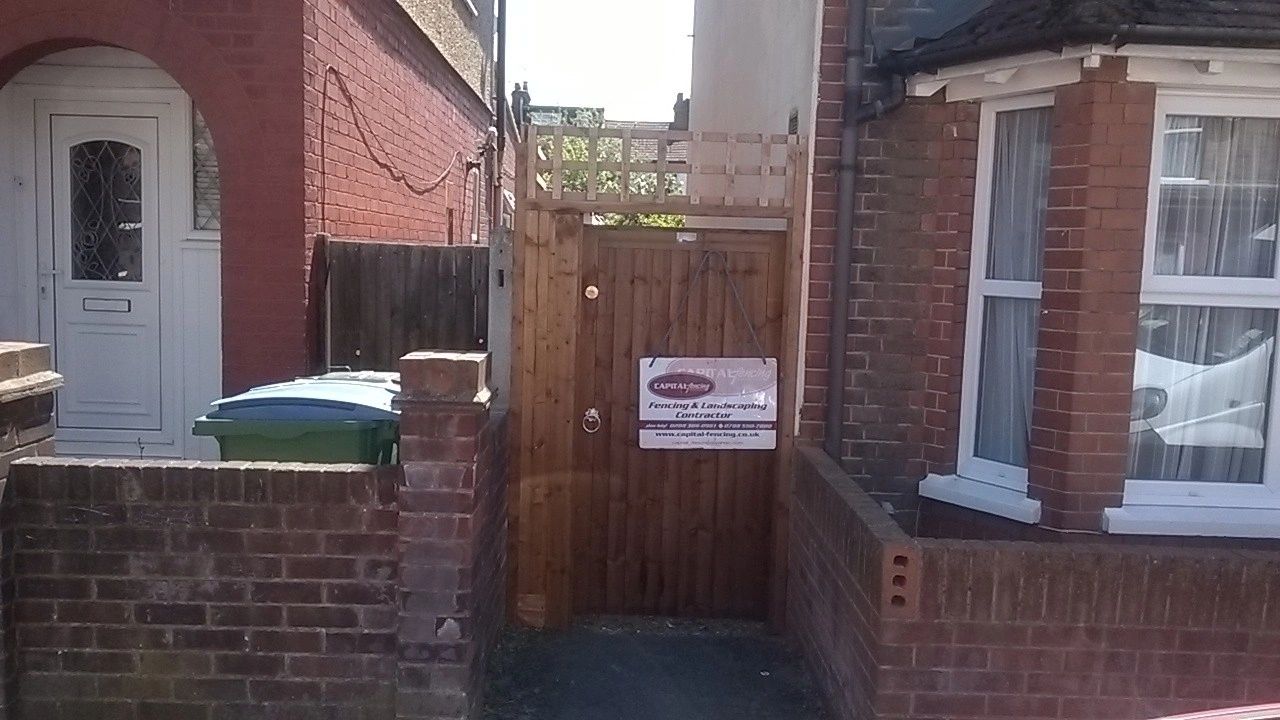
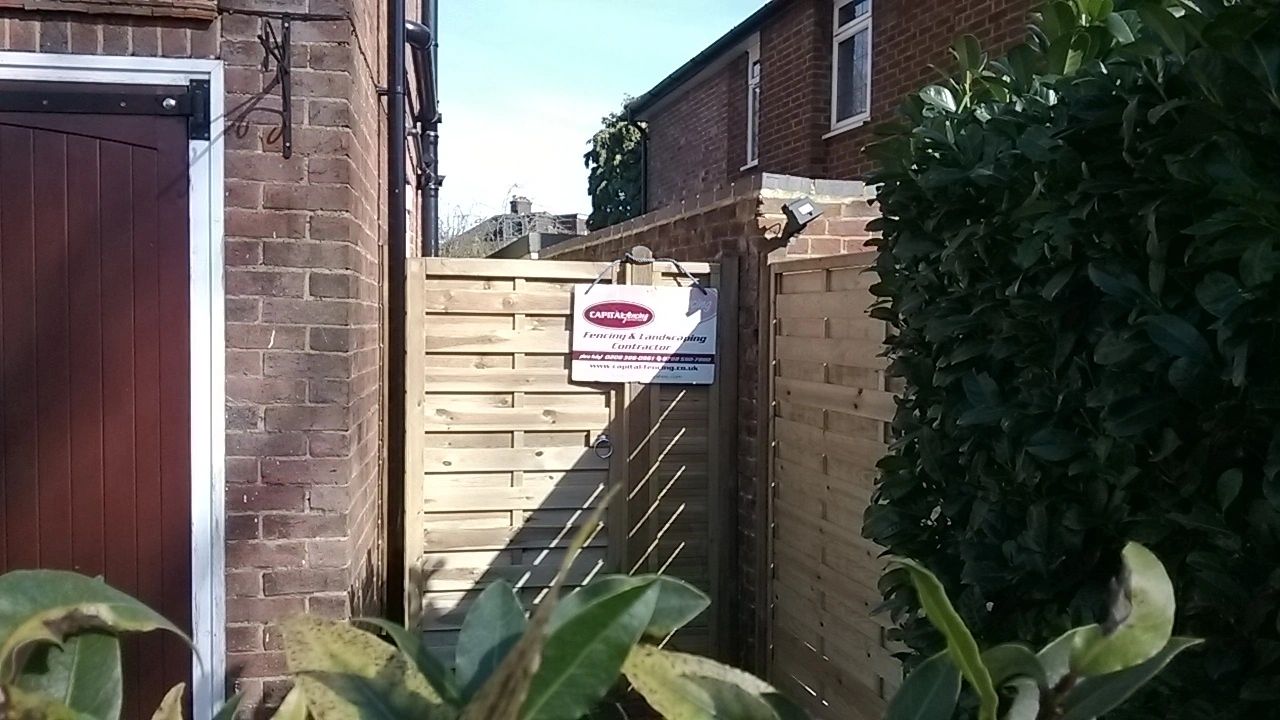
Pedestrian Side Gates in Hoddesdon (EN11)

Pedestrian Side Gates in Hoddesdon is a specific brief for us — single-leaf pedestrian gates matched into existing fencing runs. The default local answer isn't a stock catalogue drop: it's single leaf on ball-race hinges, thumb-latch and dead-locking hardware, closing stop and drop-bolt where security is a priority. On Hoddesdon sites we also spec around older fence runs in the old town often hide rotted posts under cement skirts — full removal is usually required, which is where a lot of pedestrian side gates jobs quietly fail two years in. Roads such as Cock Lane and High Street are typical of the local layout. Barclay Park bandstand is a useful local reference point. Broxbourne Council maintains tree protection orders across much of Essex Road and Middlefield Road.

Pedestrian Side Gates in Hoddesdon is a specific brief for us — single-leaf pedestrian gates matched into existing fencing runs. The default local answer isn't a stock catalogue drop: it's single leaf on ball-race hinges, thumb-latch and dead-locking hardware, closing stop and drop-bolt where security is a priority. On Hoddesdon sites we also spec around older fence runs in the old town often hide rotted posts under cement skirts — full removal is usually required, which is where a lot of pedestrian side gates jobs quietly fail two years in. Roads such as Cock Lane and High Street are typical of the local layout. Barclay Park bandstand is a useful local reference point. Broxbourne Council maintains tree protection orders across much of Essex Road and Middlefield Road.

Default spec

How we build pedestrian side gates in Hoddesdon

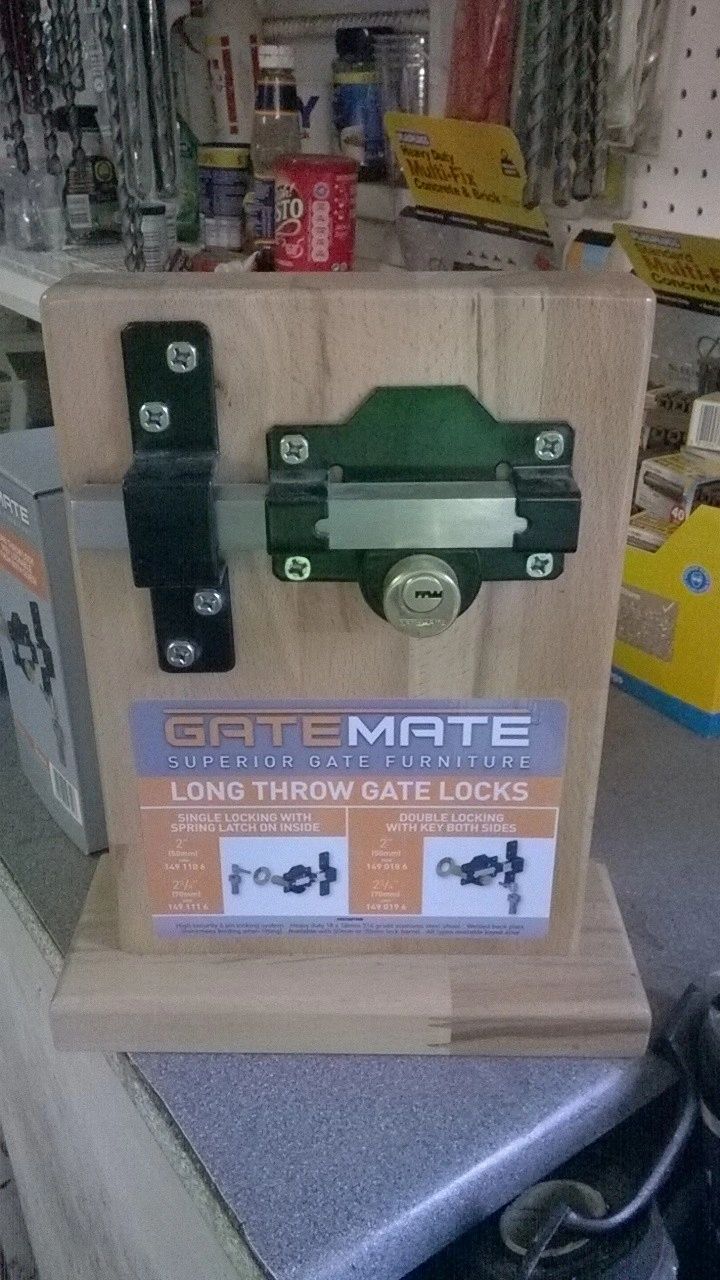
single leaf on ball-race hinges, thumb-latch and dead-locking hardware, closing stop and drop-bolt where security is a priority. On Hoddesdon jobs we adjust for older fence runs in the old town often hide rotted posts under cement skirts — full removal is usually required.

Property mix locally: 1930s and 1950s semis, with Victorian cottages toward the Old Town. Typical gardens: mid-sized flat gardens; properties near Rye Park often have direct alley access. Postcodes we regularly service: EN11.

Why this spec, for single-leaf pedestrian gates matched into existing fencing runs

  • carried in as a like-for-like match to what's already there — no visible new post
  • hinge and latch geometry sized for daily use rather than as a one-off decorative piece
  • installed with the closing stop and latch in one visit so nothing has to be revisited

Where pedestrian side gates isn't the right answer

  • openings needing regulated safeguarding hardware — that's the school-and-nursery spec
  • wall openings where the masonry isn't sound enough to carry the load — brick repair goes first

Typical pedestrian side gates briefs in Hoddesdon

  • hardwood pedestrian gate through a brick garden wall opening
  • matched picket gate into a painted picket frontage

Pedestrian Side Gates FAQs — Hoddesdon

How do I keep the gate closed without a spring hinge?

On pedestrian side gates jobs in Hoddesdon (EN11), our default answer is: single leaf on ball-race hinges, thumb-latch and dead-locking hardware, closing stop and drop-bolt where security is a priority. The honest trade-off is hinging off the last post of an old fence run — the post moves and the gate stops closing within weeks — which is exactly what our default spec designs out.

Do you fit the latch and any hardware on the same visit?

Across Hoddesdon we spec around older fence runs in the old town often hide rotted posts under cement skirts — full removal is usually required, so on pedestrian side gates that usually means closeboard-matched softwood for behind-the-house lines. The honest trade-off is hinging off the last post of an old fence run — the post moves and the gate stops closing within weeks — which is exactly what our default spec designs out.

Can you match a new pedestrian gate into my existing fence?

Broxbourne Borough coverage means we can survey most EN11 addresses inside a week — single-leaf pedestrian gates matched into existing fencing runs. For context: hinge and latch geometry sized for daily use rather than as a one-off decorative piece. Measured, quoted and installed by the same small crew.

What hinges do you use so the gate doesn't drop?

Practically: single 900mm pedestrian gate cut into an existing closeboard run. That's the Hoddesdon version of this job, not a generic one. We'll walk you through carried in as a like-for-like match to what's already there — no visible new post on the site visit before you commit.

Can a pedestrian gate go through a brick wall opening?

On pedestrian side gates jobs in Hoddesdon (EN11), our default answer is: single leaf on ball-race hinges, thumb-latch and dead-locking hardware, closing stop and drop-bolt where security is a priority. The honest trade-off is hinging off the last post of an old fence run — the post moves and the gate stops closing within weeks — which is exactly what our default spec designs out.

Recent pedestrian side gates work
bespoke wooden gate installed by Capital Fencing in Hoddesdon (EN11)double driveway gates installed by Capital Fencing in Hoddesdon (EN11)hardwood side gate installed by Capital Fencing in Hoddesdon (EN11)metal entrance gate installed by Capital Fencing in Hoddesdon (EN11)

Pedestrian Side Gates in Hoddesdon: the practical detail

Boundary fencing on an allotment site

An allotment site boundary is often lower-spec than a commercial compound but still needs to deter casual theft of tools, produce and sheds, so a stock fence or low chain-link topped with a single strand of barbed wire is a common, proportionate choice.

Individual plot gates within the site are usually simpler again, since the main perimeter is doing the primary security work and plot-level fencing is more about defining boundaries between tenants.

Courtyard gates and proportion

A courtyard gate typically spans a wider opening than a standard garden gate while still being a pedestrian rather than vehicle gate, which means its frame needs extra bracing to resist racking over that wider span without the benefit of a narrower opening's inherent stiffness.

Getting the proportion of stiles, rails and bracing right at this scale matters more than on a narrow gate, where the frame is naturally stiffer regardless of detailing.

Decking joist spacing and spans

Joist spacing under a deck is set by the board being used and the load expected, not fixed universally — timber boards typically need joists at closer centres than the equivalent composite board, because composite is generally less stiff across a span.

Manufacturers publish maximum joist spacing for their composite boards, and it's shorter still where boards run diagonally rather than square to the joists, since a diagonal run effectively increases the unsupported span between fixings.

Undersized joist spacing shows up as bounce or long-term sag between joists well before it becomes a safety issue, so it's worth checking spacing against the actual board spec rather than a generic rule of thumb.

Powder coating and galvanising

Galvanising bonds a zinc coating to steel, usually by hot-dip, giving corrosion protection that works even if the surface is scratched because the surrounding zinc sacrifices itself to protect the exposed steel.

Powder coating is a decorative and additional protective layer baked onto the metal, giving a wide choice of colour and a harder finish than paint, but on its own over bare steel it doesn't offer the same self-healing protection as galvanising.

The durable combination for steel gates and railings is galvanising first, powder coating over the top, rather than powder coating alone, which is worth checking on a quote where both are mentioned separately.

Post anchor sockets versus set-in posts

A bolt-down or drive-in post anchor holds a timber post entirely above ground level, isolating the post's end grain from the direct soil and moisture contact it would face if simply set into a concreted hole.

Because the post itself never touches the ground, anchor-mounted posts largely avoid the ground-line rot that's the single most common failure point for concreted posts, though the anchor and its fixings become the new focus for corrosion.

Anchors do transfer more concentrated leverage into a smaller fixing area at the base than a post set deep in concrete, so they generally need a correspondingly larger or deeper concrete footing beneath them for the same wind load.

Hand-digging near suspected buried services

Once a cable avoidance tool or utility plan indicates a service is likely nearby, digging switches from auger or mechanical methods to hand tools only, working down in shallow spits rather than one deep thrust.

A spade can still shear a shallow, poorly-buried cable, so the safer tool close to a marked service is a fork or trowel used to expose it by feel and sight before any spade work resumes.

If a cable or pipe is exposed, it's left supported and undamaged in the open trench rather than backfilled over, and the post position is adjusted if the service sits exactly where the hole needs to go.

Capping and end-grain protection

End grain absorbs moisture far faster than the face of a timber board, so an uncapped top rail or exposed post top takes in water long before the rest of the gate shows any sign of decay.

Fitting a capping strip or weathered top cut sheds water away from that end grain and noticeably extends the life of an otherwise sound gate.

Post cap design and end-grain water shedding

The cut top of a fence post exposes end grain, which absorbs water far faster than the sealed or treated face of the post, making it one of the most vulnerable points on an otherwise sound post if left uncapped.

A pyramid or weathered-top post cap sheds water away from that end grain rather than letting it pool on a flat cut surface, extending the practical life of the post noticeably for a small extra cost.

Where posts are cut to length on site rather than supplied pre-capped, re-treating the freshly cut end before fitting a cap matters just as much as the cap itself, since paint or preservative rarely penetrates deep enough at the mill to protect a subsequent site cut.

Gravel board material choices

A gravel board sits at the base of a panel fence to keep the panel itself clear of ground moisture and splashback, and is commonly available in treated timber, concrete or composite, each with different durability trade-offs at that most exposed position.

Timber gravel boards are the cheapest to replace individually but also the first component to rot, since they sit closest to damp ground and soil splash, while concrete gravel boards resist rot entirely but can crack under impact or ground movement.

Composite gravel boards split the difference, resisting moisture better than timber without concrete's brittleness, though they typically cost more than either alternative for the same length.

Realistic maintenance intervals

Pressure-treated softwood fencing generally wants a re-application of preservative or stain every two to three years to keep the surface protected, more often on a south-facing run that gets constant UV exposure.

Gate hinges and latches are worth checking annually for movement or corrosion, since a small adjustment caught early avoids the gate racking out of square and needing a rebuild.

Decking boards benefit from a yearly clean to clear leaf litter and algae from the gaps, which is what actually causes most of the slipperiness people blame on the timber itself.

Landlord and void-period turnarounds

Boundary repairs between tenancies are usually driven by a tight void period, where the priority is a straightforward, durable, easy-to-maintain spec rather than a bespoke design, since the landlord isn't the one living behind it.

Standard panel heights and widely-available materials also matter here, because a future repair after another tenant needs to match without a special order or long lead time.

Where several rental properties share the same landlord or managing agent, batching repairs across more than one property in the same visit is often the most efficient way to keep void periods short.

Fence or gate height near roof-mounted solar panels

A tall fence, gate, or dense trellis topper built close to a boundary can cast shade onto a neighbouring roof-mounted solar array during parts of the day, which isn't usually a planning matter but can become a point of neighbourly friction worth being aware of.

This is a relatively new consideration compared with the traditional daylight and boundary height concerns, but is increasingly relevant as more households install solar panels close to shared boundaries.

Discussing height and position informally with a neighbour before installing a particularly tall boundary feature near their south-facing roof avoids a dispute that has no clear formal regulation to resolve it.

Disposing of broken-out concrete footings

Broken-out concrete from an old post footing is inert waste and can generally go to a construction and demolition waste facility, but it still needs removing from site rather than left buried or piled at the back of a garden.

On a job with several posts being reset, the volume of broken concrete adds up quickly, and planning where it's going before the repair starts avoids it sitting as a hazard or an eyesore on site for longer than necessary.

Boundary questions raised during a property sale

Conveyancing on a property sale routinely asks the seller to confirm boundary ownership and flag any known disputes, which can bring long-dormant boundary questions to the surface.

A fence built or replaced without proper regard to the true boundary line can complicate or delay a sale if it comes up during these enquiries.

Keeping any boundary agreements, planning permissions or correspondence about a garden fence on file makes answering these standard conveyancing questions considerably easier when the time comes.

Commercial and site boundary fencing

Commercial boundaries — industrial units, retail yards, small business premises — usually prioritise security and low maintenance over appearance, which points toward galvanised steel palisade, weldmesh or heavy-duty timber closeboard rather than decorative panel fencing.

Access control matters more here too: wide vehicle gates need clearances checked against delivery vehicle turning circles, not just car dimensions, and a site with out-of-hours deliveries may need lockable pedestrian access separate from the main gate.

Any work adjoining a public footpath or road also needs to think about temporary hoarding and public safety during installation, not just the finished boundary.

Nursery outdoor play area boundary detailing

An outdoor play boundary at a nursery needs a barrier young children genuinely can't climb or squeeze through, which usually rules out wide-aperture mesh and low horizontal rails in favour of vertical bar infill or tight-weave mesh with no climbable rung.

Gate latches are set at adult height and out of a small child's reach, and self-closing hardware is specified with enough force to shut the gate reliably without slamming hard enough to catch fingers.

Dealing with concealed or unusual legacy fixings

Older fence runs sometimes used fixings that aren't common today, such as coach-screws recessed and pelleted over, which take longer to locate and remove than a standard exposed nail or screw.

Identifying the fixing type before starting a repair avoids damaging surrounding sound timber by forcing a component free with the wrong method.

Distinguishing checking from structural splitting

Surface checking, fine drying cracks confined to the outer face of a timber section, is cosmetic and doesn't usually run deep enough to compromise a post or rail's strength.

A structural split runs further into or along the timber, sometimes right through a section, and can significantly reduce the effective load-bearing area at that point, particularly if it passes through a fixing or joint.

The practical test is depth and location: a shallow surface check away from any fixing is rarely a concern, while any split intersecting a bolt hole, mortice or bearing point is worth assessing before continued use.

Working around pets and children on site

An open trench, a stack of loose posts or a partially removed fence panel is an obvious hazard for a young child or an excitable dog, and on an occupied family garden it's worth agreeing at survey stage how pets will be kept away from the working area each day.

A garden with no boundary at all for part of a working day — because the old fence has come down and the new one isn't up yet — needs a temporary barrier or a clear arrangement for keeping animals indoors until the run is complete.

Leaving tools, concrete mix or offcuts accessible overnight on a site with children present is worth avoiding even where the work itself is finished for the day.

Painting and re-treating repaired sections

New timber fitted into a repair should be treated before it's fixed as well as after, since end grain and cut edges exposed during fitting are the points most likely to take on moisture if left untreated.

Matching the existing stain or paint colour on a repaired section is easier once the new timber has had at least one season to weather, rather than trying to match it immediately.

Historic ha-ha and ditch boundaries

Some older rural and semi-rural Hertfordshire properties retain a ha-ha — a sunken ditch-and-wall boundary designed to keep a view open while still containing livestock — rather than a conventional fence line.

Where a ha-ha exists on a historic estate boundary, it's sometimes a designated heritage feature in its own right, in which case altering or fencing over it needs the same care as any other listed landscape feature.

More often a ditch boundary is simply a drainage feature rather than a heritage one, in which case a fence set back from the ditch edge, rather than spanning it, avoids undermining the bank.

Embodied carbon in timber versus composite materials

Timber sequesters carbon as it grows and, if sourced from a well-managed forest, typically carries a lower embodied carbon footprint through manufacture than composite products that incorporate manufactured polymer alongside recycled wood fibre.

Composite products often use recycled plastic content, which offsets some of their footprint by diverting material from landfill, but the manufacturing energy involved in producing the composite board itself is generally higher than sawing and treating solid timber.

Comparing the two fairly also needs to account for service life, since a material lasting genuinely longer before replacement can offset a higher manufacturing footprint over the full life of the fence.

Pedestrian Side Gates across EN11 is a regular run for us. We'll quote honestly, tell you if pedestrian side gates isn't the right answer for your site, and book the job in within a week or two of a signed quote. measured, quoted and installed by the same small crew. Roads such as Amwell Street and Conduit Lane are typical of the local layout. Lowewood Museum is a useful local reference point. The A10 dual carriageway runs along the eastern edge of the town, bringing traffic noise to the gardens nearest it.

Get In Touch

Get My Free Quote — 24h Response

No callout fee · Free site visit · Friendly local team covering London & Hertfordshire.

Call us
07885907880
or 02036484746
Email
capital_fencing@yahoo.com
WhatsApp
Message us anytime
Area
London & Hertfordshire
Payment
Card payments accepted

Pay by debit or credit card, bank transfer or cash once the work and price are agreed. No deposit taken online.

Request a Free Quote

We'll get back to you within 24 hours.

Free Site Visit No Callout Fee
Call WhatsAppQuote