London & Hertfordshire Free Site Visit
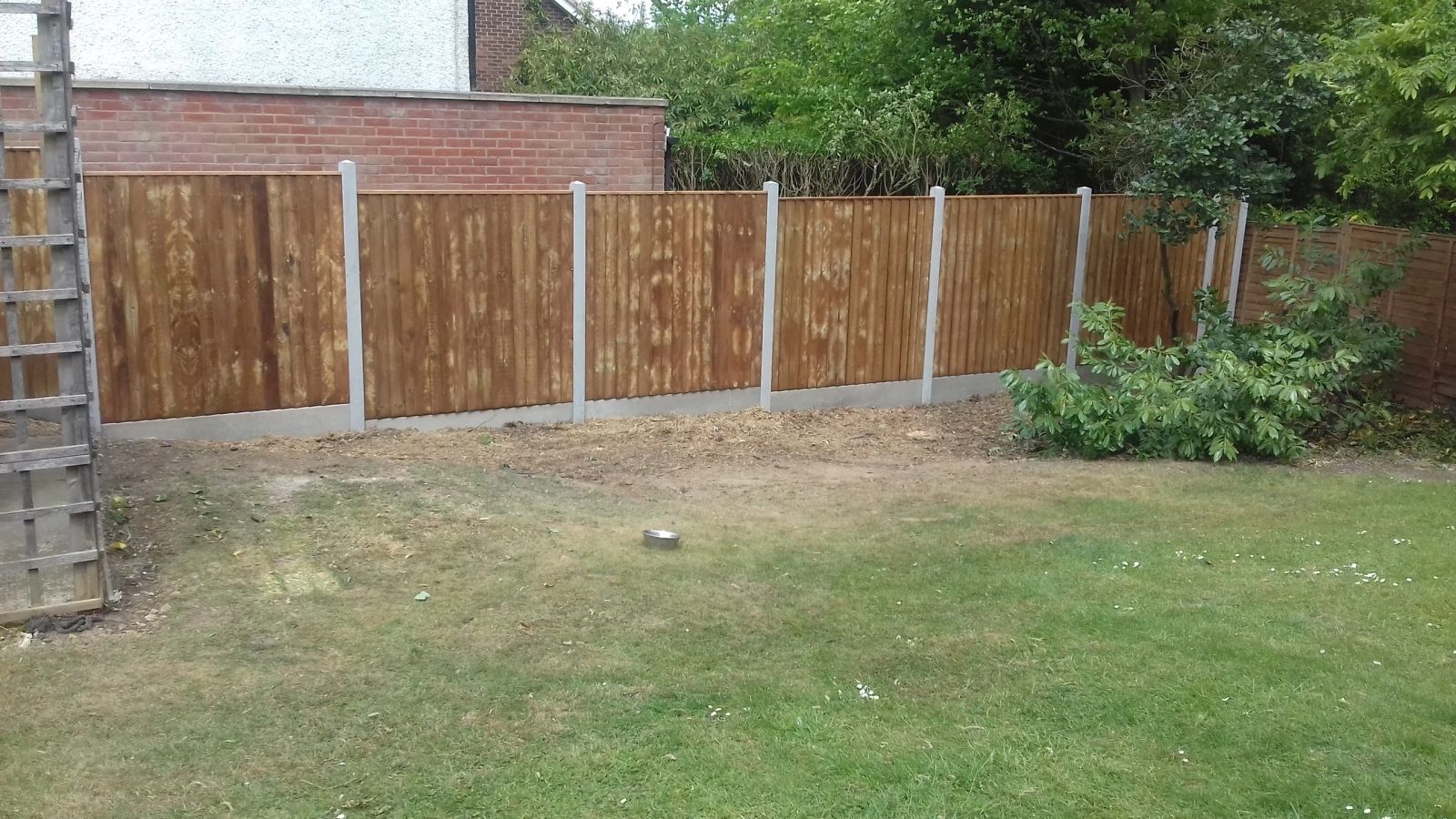
closeboard fence run installed by Capital Fencing in Potters Bar (EN6)
Potters Bar · EN6

Local school and nursery fencing specialist covering Potters Bar & barnet

Capital Fencing installs school and nursery fencing across Potters Bar and out toward barnet and hatfield. What separates a school and nursery fencing job from a standard boundary is the detail: bow-top mesh replacing tired timber around a nursery outdoor area. That's the work, not the marketing. Roads such as Mutton Lane and Mimms Hall Road are typical of the local layout. Wyllyotts Centre is a useful local reference point. The town's housing is predominantly inter-war semi-detached, built as the area developed following the arrival of the railway.

Capital Fencing installs school and nursery fencing across Potters Bar and out toward barnet and hatfield. What separates a school and nursery fencing job from a standard boundary is the detail: bow-top mesh replacing tired timber around a nursery outdoor area. That's the work, not the marketing. Roads such as Mutton Lane and Mimms Hall Road are typical of the local layout. Wyllyotts Centre is a useful local reference point. The town's housing is predominantly inter-war semi-detached, built as the area developed following the arrival of the railway.

Default spec

How we build school and nursery fencing in Potters Bar

1.2m or 1.8m bow-top or 358 weld-mesh, hot-dip galvanised then RAL powder-coated posts, self-closing gates with anti-finger-trap hinges. On Potters Bar jobs we adjust for many gardens border the green belt — the brief usually needs sturdy stock-proof boundary work.

Property mix locally: 1930s semis, post-war detached homes around Cranborne Road, and infill developments near Little Heath. Typical gardens: generous rear gardens — often deep enough for decking plus a separate utility area. Postcodes we regularly service: EN6.

we install to BS 1722-14 for bow-top and BS 1722-10 for weld-mesh, provide safeguarding-relevant sign-off notes, and can attend outside term time only.

Why this spec, for primary schools, nurseries and early-years settings

  • no horizontal rails at climbable heights — safeguarding-first geometry
  • hot-dip galvanised then powder-coated finishes carry a 25-year service life
  • welded rather than bolted joints so nothing works loose over a school year

Where school and nursery fencing isn't the right answer

  • conservation-area primary schools where planning restricts galvanised finish visible from the street
  • domestic-scale nurseries in a converted house where a timber boundary already meets Ofsted line-of-sight rules

Typical school and nursery fencing briefs in Potters Bar

  • 1.8m weld-mesh on galvanised posts around a primary school MUGA
  • matched pedestrian and vehicle gates with mag-lock and DDA-compliant pedestrian access

School & Nursery Fencing FAQs — Potters Bar

How do you avoid finger-trap points on self-closing gates?

On school and nursery fencing jobs in Potters Bar (EN6), our default answer is: 1.2m or 1.8m bow-top or 358 weld-mesh, hot-dip galvanised then RAL powder-coated posts, self-closing gates with anti-finger-trap hinges. For context: hot-dip galvanised then powder-coated finishes carry a 25-year service life. Installed to BS 1722 standards, with fitter details available on request.

Can pedestrian and vehicle gates share a controlled entry?

Across Potters Bar we spec around many gardens border the green belt — the brief usually needs sturdy stock-proof boundary work, so on school and nursery fencing that usually means bow-top 1.2m for EYFS boundaries. For context: hot-dip galvanised then powder-coated finishes carry a 25-year service life. Installed to BS 1722 standards, with fitter details available on request.

Do you install to BS 1722 for school fencing?

Hertsmere Borough coverage means we can survey most EN6 addresses inside a week — primary schools, nurseries and early-years settings needing safeguarding-compliant boundaries. We install to BS 1722-14 for bow-top and BS 1722-10 for weld-mesh, provide safeguarding-relevant sign-off notes, and can attend outside term time only.

Do you supply RAMS and public-liability certificate ahead of works?

Practically: bow-top mesh replacing tired timber around a nursery outdoor area. That's the Potters Bar version of this job, not a generic one. For context: hot-dip galvanised then powder-coated finishes carry a 25-year service life. Installed to BS 1722 standards, with fitter details available on request.

Can the job be scheduled inside a half-term break?

On school and nursery fencing jobs in Potters Bar (EN6), our default answer is: 1.2m or 1.8m bow-top or 358 weld-mesh, hot-dip galvanised then RAL powder-coated posts, self-closing gates with anti-finger-trap hinges. The honest trade-off is specifying decorative railings with climbable finials near a play area — trips a safeguarding audit every time — which is exactly what our default spec designs out.

Recent school & nursery fencing work
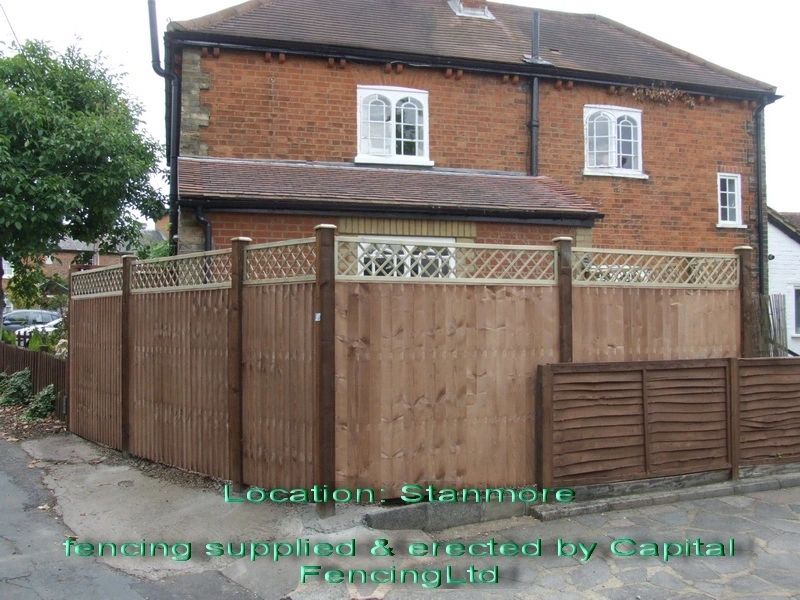
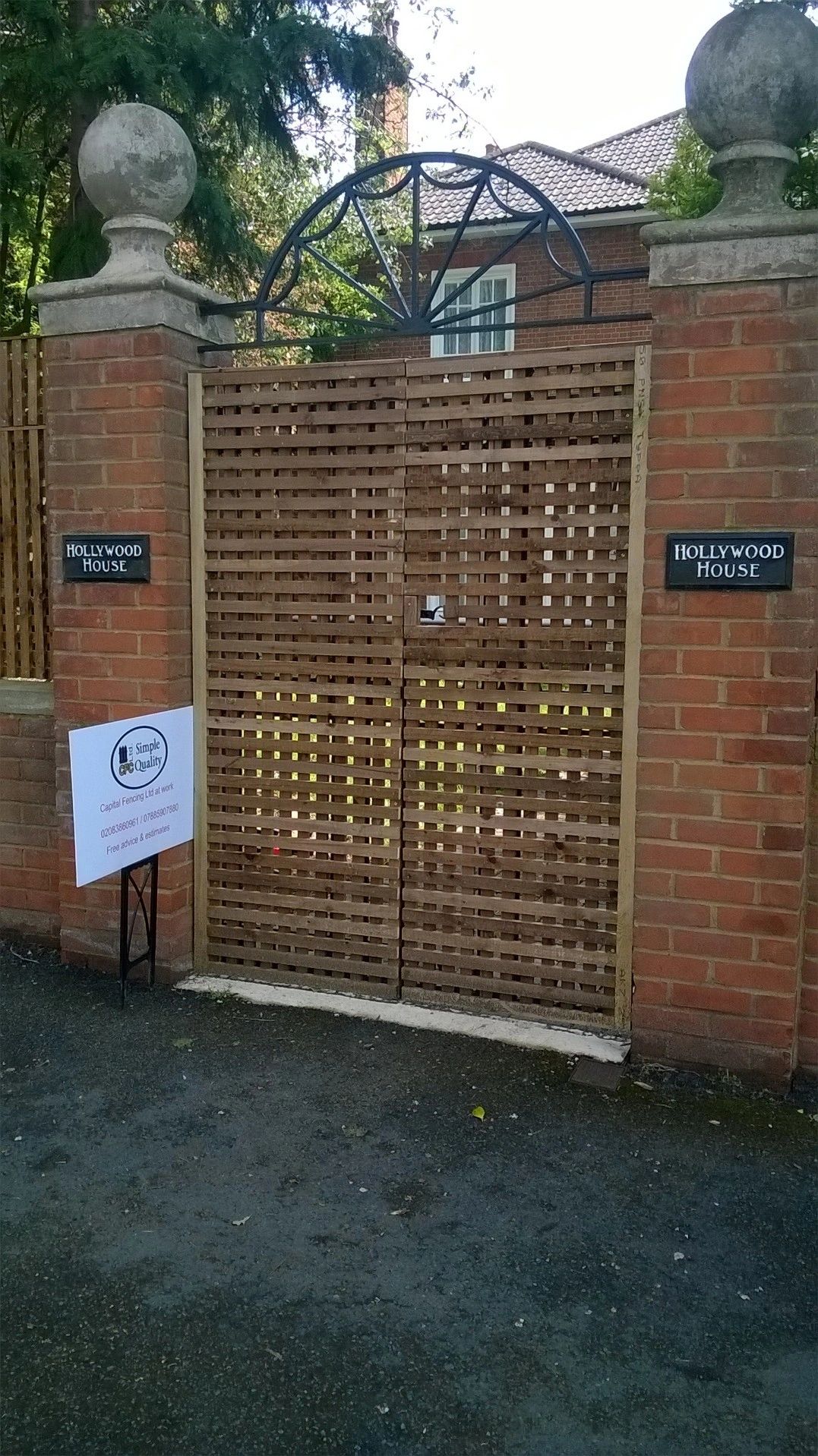
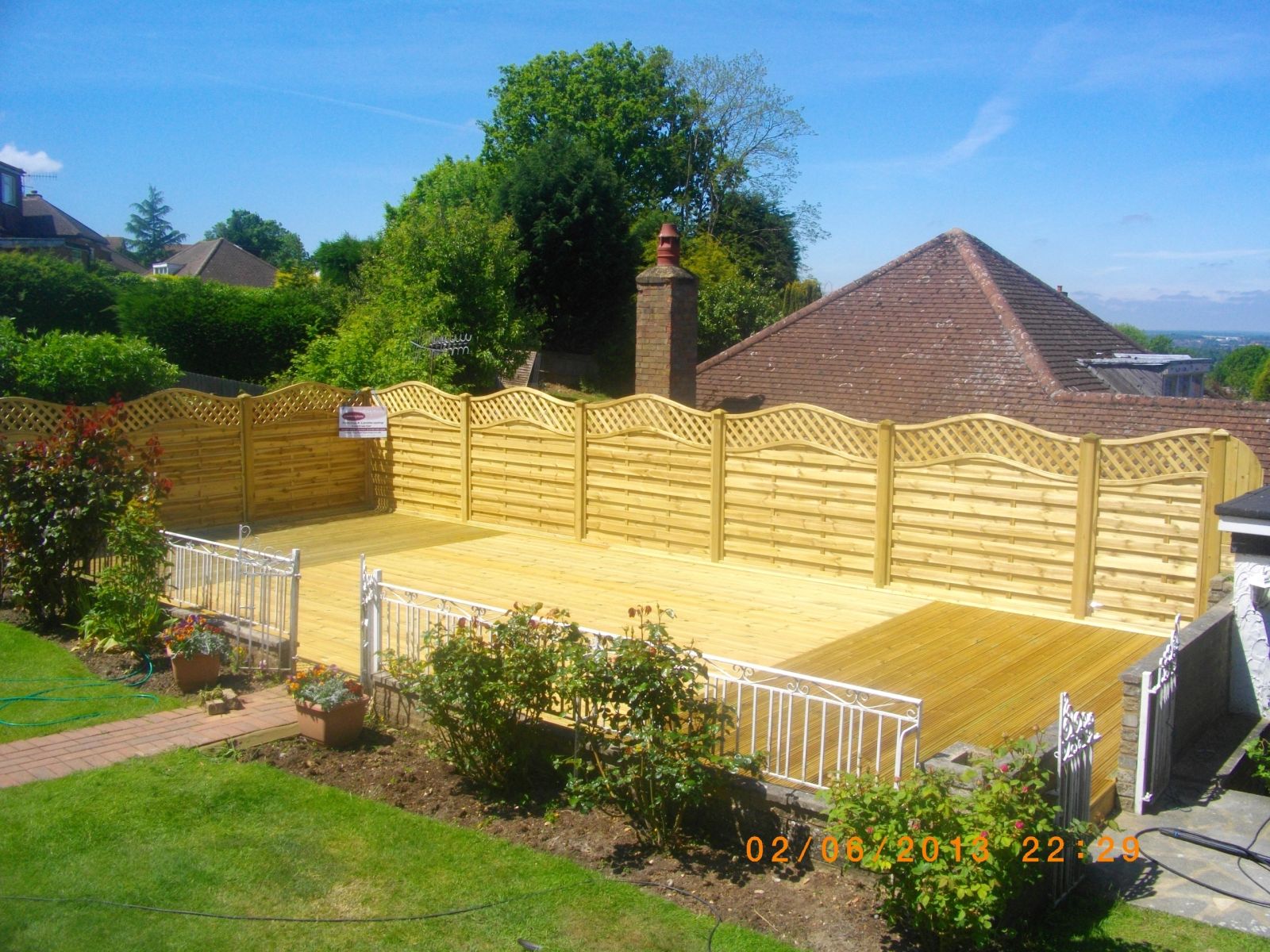
closeboard fence run installed by Capital Fencing in Potters Bar (EN6)panel fence install installed by Capital Fencing in Potters Bar (EN6)trellis-topped fence installed by Capital Fencing in Potters Bar (EN6)bespoke decorative fence installed by Capital Fencing in Potters Bar (EN6)

What actually matters for school & nursery fencing around Potters Bar

Scoping a repair linked to an insurance claim

Where a repair follows an insured event, the scope of work is agreed and documented before starting, since insurers typically require a clear description of what failed and what's being replaced rather than a general like-for-like statement.

Photographs and a written note of the failure are kept alongside the repair record, which is useful if further questions come up later in the claims process.

Restrictive covenants on open-plan frontages

Many post-war estates were built with an explicit covenant in the title deeds preventing front garden fences or walls above a low height, intended to preserve an open-plan street appearance.

These covenants are private legal obligations between landowners rather than planning rules, and breaching one can in principle be enforced by whoever holds the benefit of the covenant, sometimes a management company.

Checking the title register for this kind of restriction before fitting a front boundary fence avoids finding out about it after the work is done.

Guide wheel and channel wear on sliding gates

A sliding gate runs along a bottom track or overhead guide rather than swinging on hinges, and wear in these components shows up as the gate binding, jumping the track, or leaning as it travels rather than dropping at a hinge corner.

Debris in the track is one of the most common causes of a sliding gate sticking, and clearing it is worth checking before assuming a wheel or motor fault.

Offsetting the string line to protect it during digging

A string line pulled exactly along the intended post centre line gets in the way of digging and is easily knocked or buried in spoil, so many installers set it slightly to one side and measure across to it rather than digging directly beneath it.

A fixed offset distance, checked and noted once at the start, lets every post position be measured consistently from the same reference without needing the string itself to survive undisturbed through a full day of digging.

Re-checking the offset periodically through the day catches the line if it's been nudged, since a small unnoticed shift partway through a run throws every subsequent post slightly off true.

Low-voltage lighting built into decking

Recessed low-voltage deck lights, usually built into the timber before boards are laid, extend a deck's usable hours into the evening without the trip hazard of surface-mounted fittings.

Cable routes need planning before the substructure is closed in, since retrofitting lighting into a finished deck usually means lifting boards rather than a simple add-on.

Outdoor low-voltage systems still need a transformer and cabling installed to the relevant electrical safety standard, even though the voltage itself is lower than mains.

Continuous strip footing compared with individual post holes

A continuous concrete strip footing running the full length of a fence line gives even support and a clean base for a plinth wall or kickboard, and is generally chosen where the boundary also needs a level base to close gaps under the fence.

Individual post holes are quicker and cheaper on a long straight run over consistent ground, but they leave open ground between posts that needs a separate gravel board or infill strip if a continuous barrier at ground level is also required.

Sleeper edging and planters

Softwood landscape sleepers are pressure-treated to a ground-contact use class and are generally cheaper and more consistent in size than reclaimed hardwood railway sleepers, which vary in condition and may carry historic residues such as creosote unsuitable for areas near planting or seating.

Sleepers used for raised beds or low retaining edges are usually stacked and pinned with long timber screws or steel rebar driven through pre-drilled holes rather than simply stacked loose, since an unpinned stack can shift as the ground behind it settles.

Where a sleeper structure is also expected to retain a meaningful depth of soil rather than just edge a bed, it moves into proper retaining-wall territory with its own drainage and structural considerations.

Creosote and its substitutes

Traditional creosote, a tar-oil wood preservative, gives strong protection against rot and insects but is now restricted to professional and agricultural use in the UK following changes in chemical regulation, and isn't available for general retail sale.

Modern water-based and oil-based substitute preservatives aim to replicate creosote's protective performance without the same handling and environmental restrictions, though some traditionalists consider the older tar-oil formulations more effective on long-term exposed structural timber.

Fencing sold as 'creosoted' to the public today is typically treated with one of these substitute formulations rather than genuine creosote, since supply of the original product to non-professional users has been curtailed.

Listed and period properties

A listed building's curtilage can bring garden walls, railings and even historic fence posts within the scope of listed building consent, regardless of the general permitted development rules that would apply to an unlisted house next door.

Cast iron railings removed during wartime salvage are a common feature many period properties never had reinstated, and some conservation officers now encourage sympathetic replacement rather than modern panel fencing on street-facing boundaries.

Consent applications for listed curtilage work typically want a heritage-appropriate material and jointing method specified up front, so it's worth involving the conservation officer before, not after, a design is finalised.

Guide roller side play on sliding gates

A guide roller keeps the top of a sliding gate steady as it travels, controlling side-to-side play rather than carrying the gate's weight, and excess play here shows up as the gate rocking or leaning as it moves rather than dragging.

Adjusting or replacing a worn guide roller is usually a smaller job than addressing the main track or bottom rollers, but it's often overlooked because the fault looks similar from a distance.

Boundary fencing near basement lightwells

Properties with a basement lightwell or sunken front area need fencing or railings around the opening itself for safety, independent of the main boundary treatment facing the street.

Post foundations for a fence running close to a lightwell need checking against the lightwell's own retaining structure, since digging a standard post hole too close to an unsupported excavation edge risks undermining it.

Drainage from a raised boundary or planting bed above a lightwell also needs directing away from the opening, since a fence that funnels rainwater toward a basement window is a bigger problem than the fence itself.

Higher wear on gates serving a shared driveway

A gate serving a driveway shared by more than one household sees substantially more open-close cycles than a private garden gate, which accelerates hinge and latch wear well ahead of the general maintenance interval expected for a single-household gate.

Specifying heavier-duty hinges and a latch mechanism rated for frequent use, rather than standard domestic hardware, is worth the modest extra cost on a shared-access gate given how much more it's actually used.

It's also worth agreeing maintenance responsibility for a shared gate in writing between households, since a gate serving multiple parties doesn't have the same single clear owner a private gate does.

Overhanging branches and the right to prune

A landowner has the right to cut back branches or roots that cross the boundary from a neighbour's tree, up to the boundary line, without needing the tree owner's permission, but the cut material technically remains the tree owner's property and should be offered back.

That right doesn't extend to entering the neighbour's land to do the work without consent, and it's overridden where the tree is protected by a Tree Preservation Order or sits within a conservation area, in which case council notice is needed first.

Cutting back further than necessary to clear the boundary, or in a way that damages the tree's health, can itself expose the pruning party to a claim, so proportionate, boundary-line-only cutting is the safer approach.

Pressure washing a fence before assessing the extent of repair needed

Algae, dirt and old flaking coatings can hide the true condition of timber underneath, so a light clean before a repair assessment sometimes reveals splits, rot or fixing corrosion that wasn't visible under the surface grime.

Pressure washing needs a gentle setting and some distance from the timber face, since an aggressive jet held too close can strip soft surface fibres from weathered wood and make marginal timber look more damaged than it actually is.

Keeping new-build estates consistent

Uniform estates built to a single developer specification often have an unwritten (or sometimes written, via estate covenant) expectation that boundary fencing matches the original height, colour and panel style across the whole street.

Departing from that pattern on a single plot — a taller fence, a different stain colour, an unusual gate style — tends to stand out more starkly on a visually consistent estate than it would on a street of individually built houses.

Where a management company or residents' association enforces an estate covenant, it's worth checking the permitted specification before ordering materials, since a non-compliant fence can sometimes have to be replaced at the owner's cost.

Measuring height from natural ground level

Permitted development height limits are measured from the natural ground level on the lower side of the boundary, not from any raised bed, deck or hardstanding that's been added since, which matters wherever one side of a plot has been built up.

On a level change between neighbouring gardens, the higher ground effectively gives that side a taller fence relative to the lower garden even though the fence itself is a uniform height along its top rail.

Councils measuring a disputed fence will normally use the original survey level or historic photos where the ground has since been altered, so changing levels doesn't retrospectively legalise an over-height fence.

Staple and clout corrosion

Wire staples and clout nails used to fix wire mesh or thin capping are among the first fixings to corrode, since their small cross-section and shallow galvanising thickness give them less protection than a heavier fixing.

A repair that replaces the mesh or board but reuses corroded staples is only a partial fix, since the corroded fixings will fail again well before the new material does.

Hardstanding and uneven levels

Where a fence line crosses from a garden onto a patio, driveway or other hardstanding, post bases usually need core-drilling into the existing slab rather than a dug hole, which is a different technique and a different price than fencing over soil.

A change in level along a run — a step up to a raised patio, or a drop to a lower side passage — needs the fence height measured consistently from the ground it's actually protecting, not from an average across the whole run.

Getting this detail wrong is one of the more common reasons a finished fence ends up looking uneven even though every panel was fitted correctly on its own section.

Restrictive covenants on newer estates

Many post-war and modern estates carry restrictive covenants in the original transfer deeds that go beyond planning law, commonly limiting fence height, requiring a specific style, or banning solid boundary treatments on front gardens entirely to preserve open-plan sightlines.

These covenants are a private legal matter between landowner and the estate's management company or original developer, so full planning permission being unnecessary doesn't mean the fence is automatically allowed.

Breach of covenant is usually enforced by a neighbour, resident's association or management company rather than the council, and can result in a requirement to remove the work at the owner's cost, so checking the title register for covenants before ordering is worthwhile on any estate build.

Padbolt throw length and post engagement

A padbolt needs enough throw length to engage solidly into the post or an adjacent leaf, and a bolt with too short a throw for the gap it's covering can be forced open with comparatively little effort.

Checking throw length against the actual gap, rather than fitting a standard-length bolt regardless of the opening, is a simple but often-missed step when upgrading gate security.

Wind uplift risk on raised, open-sided decking

A raised deck open underneath on an exposed site can experience wind getting beneath the structure and creating an uplift force on the boards, distinct from the lateral wind loading that affects a fence panel.

This is rarely a problem on a low, well-fixed deck but becomes relevant on taller raised platforms in genuinely exposed locations, where board fixings need to resist being lifted as well as simply holding the board flat.

Screwing rather than hidden clip-fixing boards down in these conditions gives a more positive mechanical fixing against uplift, at some cost to the clean, fixing-free appearance clip systems are chosen for.

Snapped concrete posts and slotted-panel swaps

A slotted concrete post system lets a panel be lifted out and a new one dropped in without disturbing the posts either side, which makes panel replacement quick, but the post itself is far less forgiving to repair once it's cracked or snapped.

A snapped concrete post is generally replaced outright rather than patched, since a repaired crack under load doesn't reliably hold the same weight as the original casting.

Primary schools, nurseries and early-years settings needing safeguarding-compliant boundaries — that's who this page is for. In Potters Bar and out to Hertsmere Borough, we run the school and nursery fencing spec that survives many gardens border the green belt — the brief usually needs sturdy stock-proof boundary work. Roads such as Darkes Lane and Barnet Road are typical of the local layout. Potters Bar station is a useful local reference point. Potters Bar sits just inside the M25 at Junction 24, on the boundary between Hertfordshire and Greater London.

Get In Touch

Get My Free Quote — 24h Response

No callout fee · Free site visit · Friendly local team covering London & Hertfordshire.

Call us
07885907880
or 02036484746
Email
capital_fencing@yahoo.com
WhatsApp
Message us anytime
Area
London & Hertfordshire
Payment
Card payments accepted

Pay by debit or credit card, bank transfer or cash once the work and price are agreed. No deposit taken online.

Request a Free Quote

We'll get back to you within 24 hours.

Free Site Visit No Callout Fee
Call WhatsAppQuote