London & Hertfordshire Free Site Visit
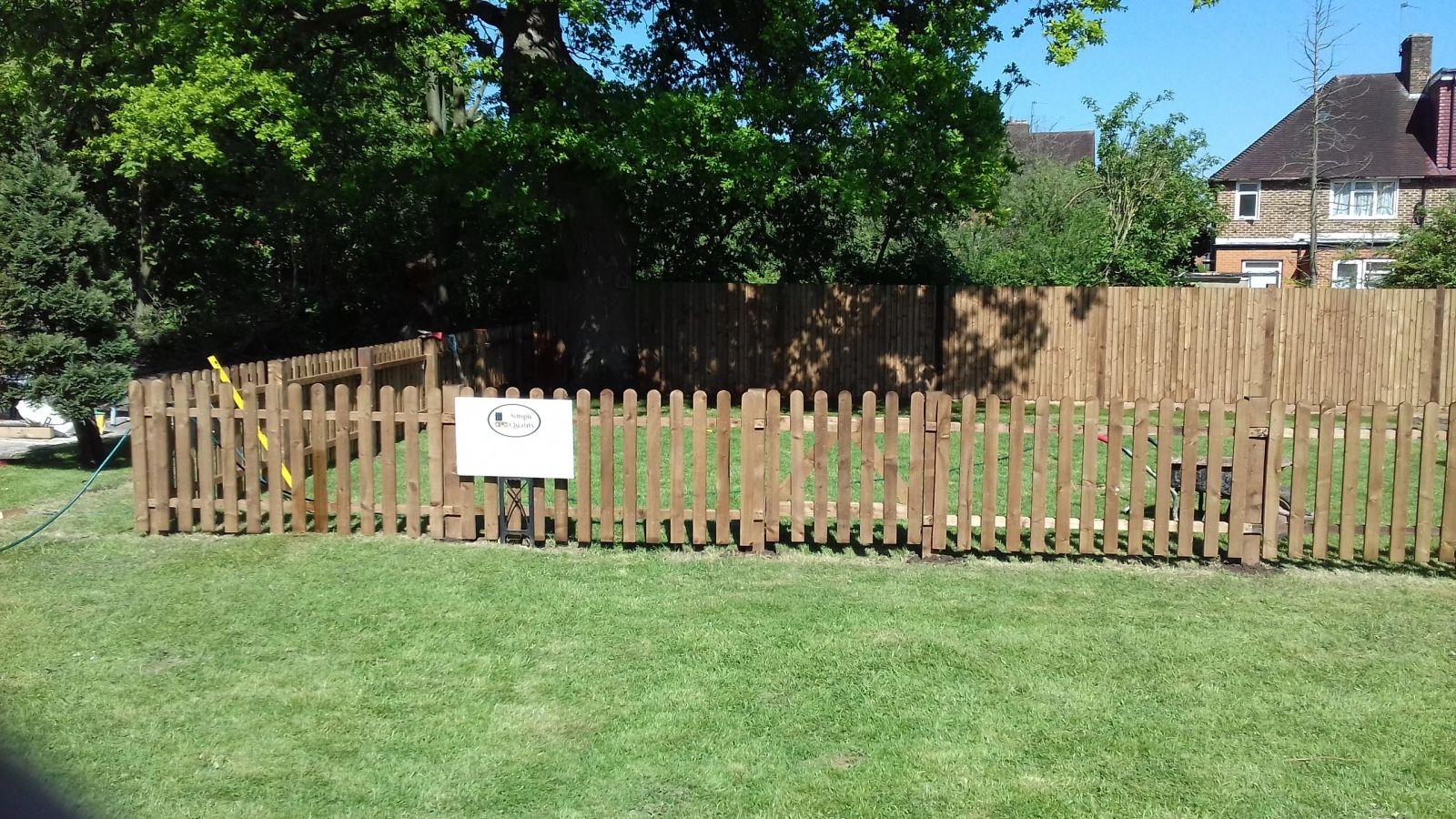
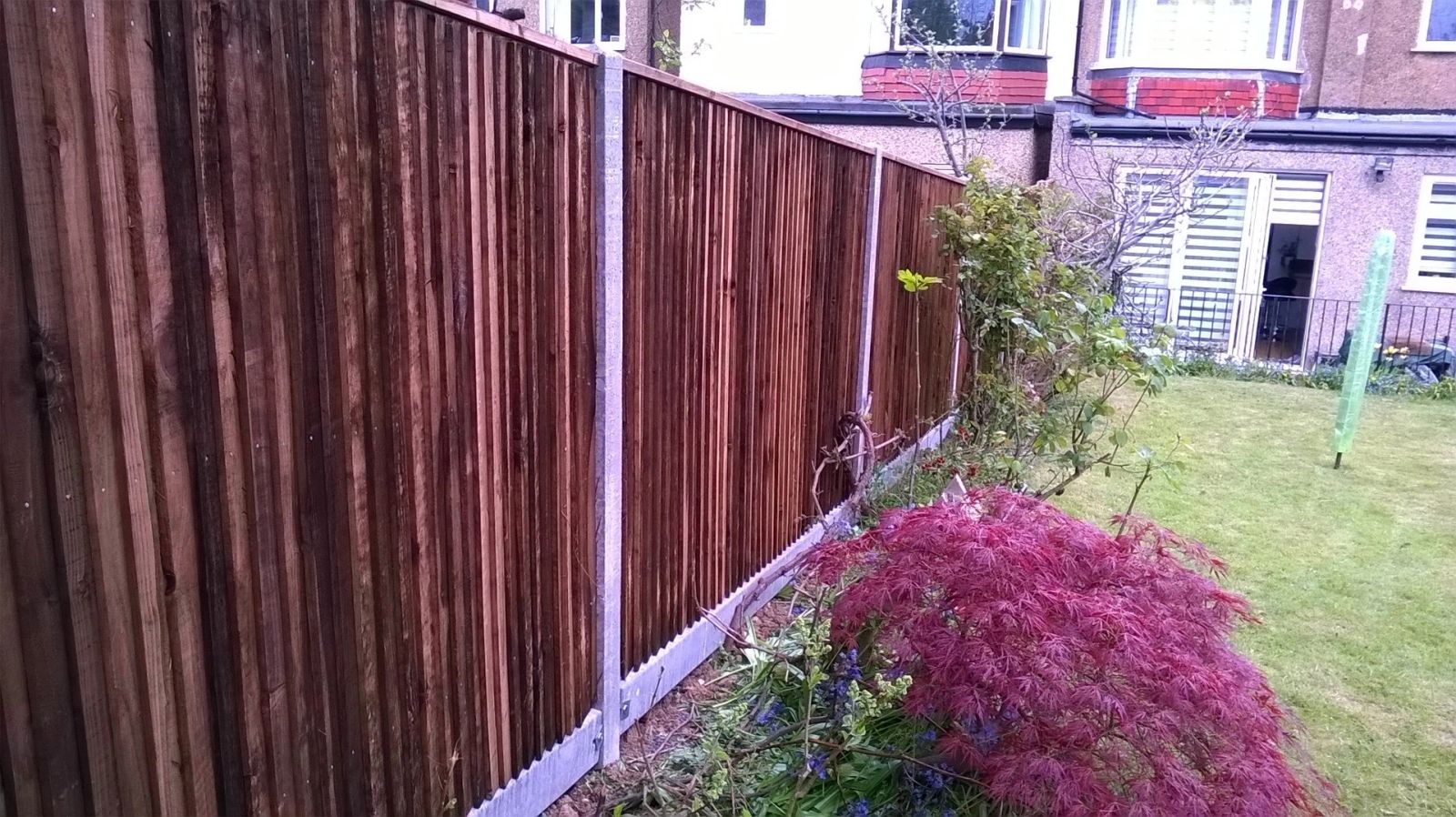
closeboard fence run installed by Capital Fencing in Barnet (EN5)
Barnet · EN5 / N20

School & Nursery Fencing in Barnet — Built for climbable geometry and finger-trap points at gate hinges

We approach school and nursery fencing in Barnet from the failure end backwards. Specifying decorative railings with climbable finials near a play area — trips a safeguarding audit every time — that's the single most common thing we're called back to fix, and it's the first thing our spec addresses. Roads such as Hadley Green Road and Stapylton Road are typical of the local layout. The Spires is a useful local reference point. Hadley Green Conservation Area constrains front-boundary heights and materials, with painted picket or low brick-and-rail typical of the streetscape.

We approach school and nursery fencing in Barnet from the failure end backwards. Specifying decorative railings with climbable finials near a play area — trips a safeguarding audit every time — that's the single most common thing we're called back to fix, and it's the first thing our spec addresses. Roads such as Hadley Green Road and Stapylton Road are typical of the local layout. The Spires is a useful local reference point. Hadley Green Conservation Area constrains front-boundary heights and materials, with painted picket or low brick-and-rail typical of the streetscape.

Typical school and nursery fencing briefs in Barnet

  • matched pedestrian and vehicle gates with mag-lock and DDA-compliant pedestrian access
  • 1.8m weld-mesh on galvanised posts around a primary school MUGA
Default spec

How we build school and nursery fencing in Barnet

1.2m or 1.8m bow-top or 358 weld-mesh, hot-dip galvanised then RAL powder-coated posts, self-closing gates with anti-finger-trap hinges. On Barnet jobs we adjust for shared-boundary disputes are common on the older terraced streets, so neat post lines and clear ownership marks matter.

Property mix locally: Victorian terraces, post-war semis and a band of larger Edwardian villas around Hadley Green. Typical gardens: narrow rear gardens with mature trees and London clay underfoot. Postcodes we regularly service: EN5, N20.

we install to BS 1722-14 for bow-top and BS 1722-10 for weld-mesh, provide safeguarding-relevant sign-off notes, and can attend outside term time only.

Why this spec, for primary schools, nurseries and early-years settings

  • no horizontal rails at climbable heights — safeguarding-first geometry
  • hot-dip galvanised then powder-coated finishes carry a 25-year service life
  • welded rather than bolted joints so nothing works loose over a school year
What goes wrong

Common failure modes on school and nursery fencing

  • specifying decorative railings with climbable finials near a play area — trips a safeguarding audit every time
  • under-sized gate posts on double vehicle gates — they drop within a year on daily use

School & Nursery Fencing FAQs — Barnet

Can the job be scheduled inside a half-term break?

On school and nursery fencing jobs in Barnet (EN5), our default answer is: 1.2m or 1.8m bow-top or 358 weld-mesh, hot-dip galvanised then RAL powder-coated posts, self-closing gates with anti-finger-trap hinges. The honest trade-off is specifying decorative railings with climbable finials near a play area — trips a safeguarding audit every time — which is exactly what our default spec designs out.

What height should nursery outdoor fencing be?

Across Barnet we spec around shared-boundary disputes are common on the older terraced streets, so neat post lines and clear ownership marks matter, so on school and nursery fencing that usually means bow-top 1.2m for EYFS boundaries. The honest trade-off is specifying decorative railings with climbable finials near a play area — trips a safeguarding audit every time — which is exactly what our default spec designs out.

Can pedestrian and vehicle gates share a controlled entry?

Barnet coverage means we can survey most EN5 addresses inside a week — primary schools, nurseries and early-years settings needing safeguarding-compliant boundaries. The honest trade-off is specifying decorative railings with climbable finials near a play area — trips a safeguarding audit every time — which is exactly what our default spec designs out.

Are your fitters DBS-checked?

Practically: bow-top mesh replacing tired timber around a nursery outdoor area. That's the Barnet version of this job, not a generic one. For context: hot-dip galvanised then powder-coated finishes carry a 25-year service life. Installed to BS 1722 standards, with fitter details available on request.

Do you supply RAMS and public-liability certificate ahead of works?

On school and nursery fencing jobs in Barnet (EN5), our default answer is: 1.2m or 1.8m bow-top or 358 weld-mesh, hot-dip galvanised then RAL powder-coated posts, self-closing gates with anti-finger-trap hinges. We install to BS 1722-14 for bow-top and BS 1722-10 for weld-mesh, provide safeguarding-relevant sign-off notes, and can attend outside term time only.

Recent school & nursery fencing work
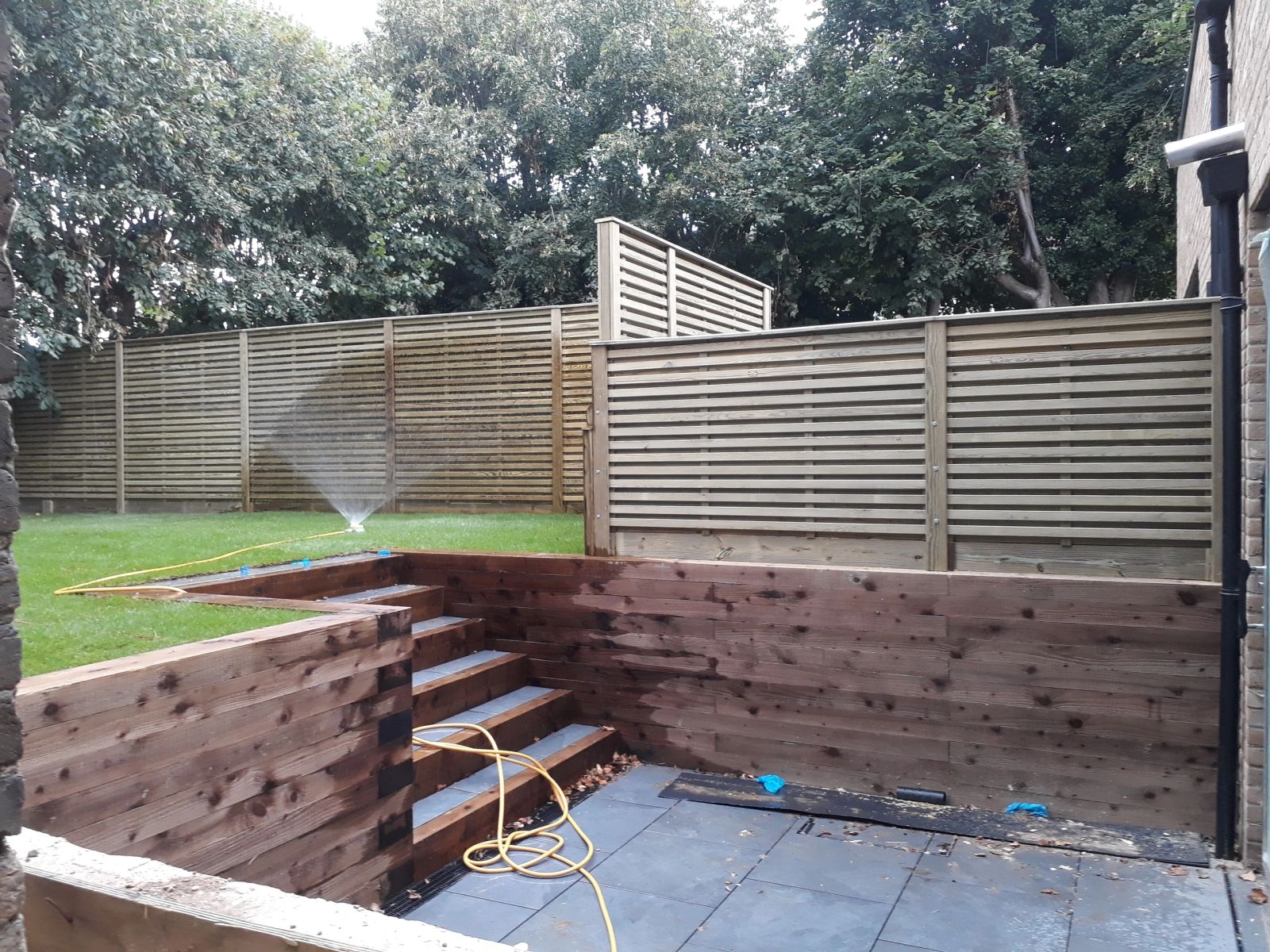
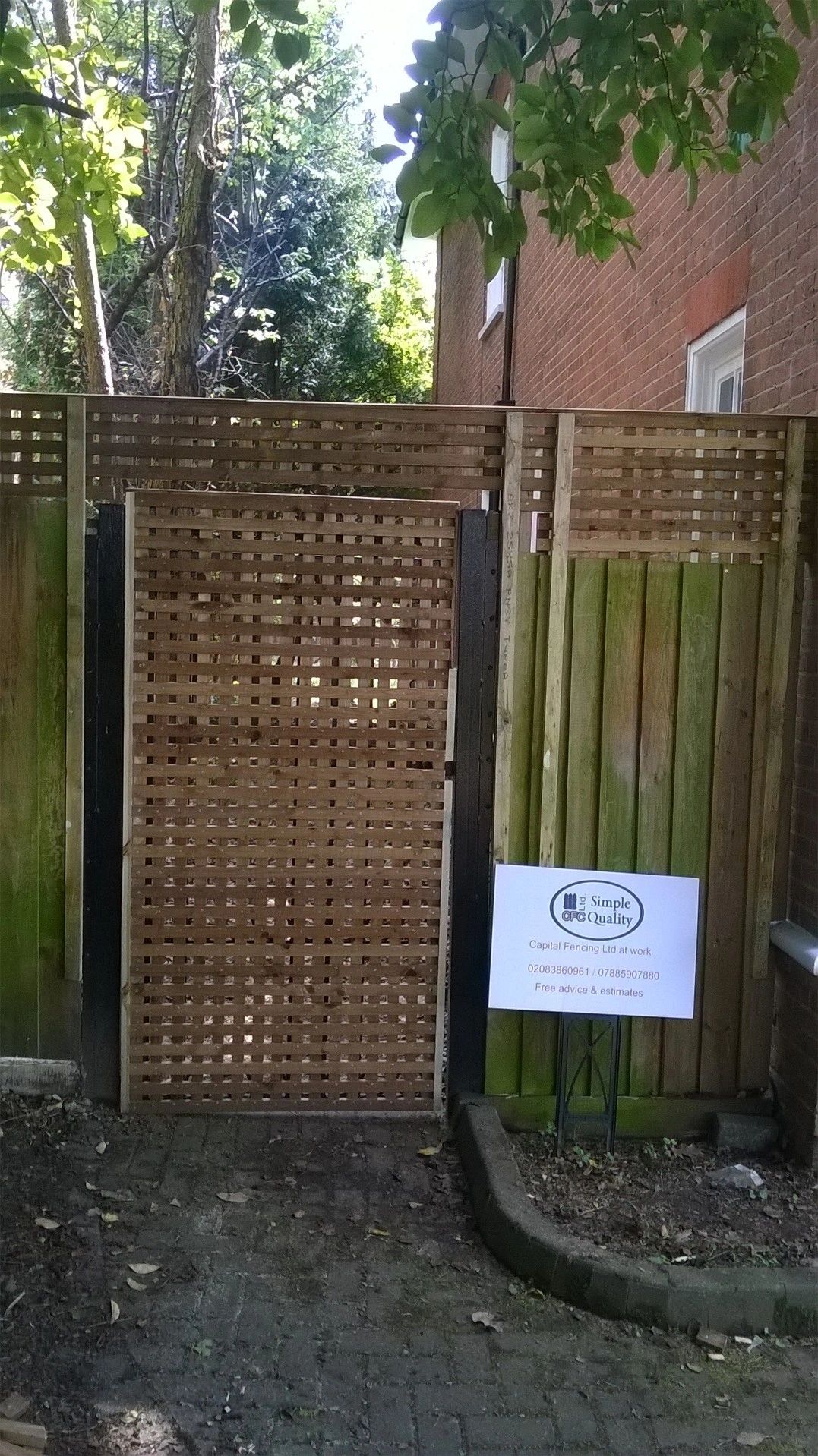
closeboard fence run installed by Capital Fencing in Barnet (EN5)panel fence install installed by Capital Fencing in Barnet (EN5)trellis-topped fence installed by Capital Fencing in Barnet (EN5)bespoke decorative fence installed by Capital Fencing in Barnet (EN5)

How we approach school & nursery fencing on Barnet properties

Material delivery constraints on restricted-access sites

A property reached only by a narrow alley, a flight of steps, or a shared passage without vehicle access changes how gate materials are delivered and handled, since a full-size gate leaf, a bag of postmix or a length of steel box section may need carrying in by hand over some distance.

This constraint is worth identifying before materials are ordered, since it can affect what size or weight of gate is practical to specify for that particular access route.

Security fencing around a warehouse yard

A warehouse yard boundary typically needs to handle heavy vehicle movement, overnight trailer parking and a concentration of stock value behind a single perimeter, so post spacing, gate width and surface fixing are all driven by HGV manoeuvring room as much as by the security spec itself.

A yard used for trailer drop-and-swap overnight often needs its own internal secure compound within the wider yard fence, since trailers left standing are a target independent of the building's own security.

Key-alike systems across a site

Where a site has several gates, a key-alike or master-key system lets one key open every lock while still allowing individual keys to be issued separately, cutting down on the number of keys staff have to carry.

This is arranged through the locksmith supplying the cylinders rather than the fencing installer, but gate hardware needs to be compatible with the chosen cylinder type before it's fitted.

Party fence wall versus an ordinary boundary fence

A 'party fence wall' has a specific meaning under the Party Wall etc. Act 1996 — a structure that stands astride the boundary line, jointly used by both properties, which is distinct from a garden fence panel that simply happens to mark a boundary.

Most timber panel fencing sits on one owner's land and isn't a party structure in that legal sense, even where it visually marks the boundary line.

Genuine party wall situations are more likely with masonry garden walls straddling the line, and those can bring the Act's notice procedures into play, which is worth checking before work starts.

Composite wood-polymer ratios

Wood-plastic composite fencing boards are made from a blend of wood fibre and polymer, and the ratio between the two materially affects the finished product's stiffness, weight and how closely it resembles real timber grain.

A higher wood-fibre content generally gives a more timber-like appearance and feel but can also make the board more absorbent and slightly more prone to swelling at cut edges than a polymer-dominant mix.

Composite boards from different manufacturers aren't interchangeable even when nominally similar in size, since differing ratios change how the board expands with temperature and how it should be fixed and spaced.

Right to light and boundary structures

A right to light is a legal easement that can be acquired after twenty years of uninterrupted light through a defined window, and it protects a level of illumination to that window rather than an open view or unobstructed garden outlook.

An ordinary garden fence or low wall almost never generates a right to light issue, but a tall close-boarded fence, high wall or dense screening structure built close to a window that has enjoyed light for decades in principle could, particularly in dense urban plots.

In practice this rarely affects standard fencing height, but it's a different legal question from planning permission and worth being aware of on unusually tall or solid boundary structures near windows.

Obstruction offences under the Highways Act

The Highways Act 1980 makes it an offence to obstruct a public highway, including the footway, without lawful authority, which is the underlying reason fencing, skips or materials on a pavement need proper authorisation.

This applies regardless of whether the obstruction is temporary for a delivery or intended as a permanent boundary feature encroaching onto highway land.

Where any part of planned boundary work might extend onto or over a public footway or verge, checking with the highway authority first avoids a straightforward enforcement issue later.

Letterbox and parcel provision in a secure gate

A fully secured pedestrian gate can leave deliveries with nowhere to leave post or parcels, so a secure gate-mounted letterbox or a parcel box positioned outside the locked line is worth planning at design stage.

Positioning it so it can be reached without opening the gate keeps the boundary genuinely closed while still allowing routine deliveries.

Cracked concrete post repair limits

A hairline surface crack in a concrete post that hasn't reached the reinforcement can sometimes be left or sealed, but any crack that's opened enough to expose or move the internal reinforcing rod means the post has lost structural integrity.

We treat a reinforcement-deep crack as a replacement rather than a repair, since a patched crack in that condition tends to reopen under the next significant load.

Sequencing a multi-day install

A typical multi-day fence installation runs old fence removal and waste clearance first, then post setting with time for concrete to go off, then panels, gravel boards and capping once posts are firm enough to take a load.

Rushing panels onto posts before the concrete has cured enough — particularly in cold weather when curing slows down — is a common cause of a fence leaning within its first few weeks.

On a longer run it often makes sense to work in sections so part of the boundary is never left fully open overnight, rather than removing the entire old fence before any new posts are in.

Parking and material handling on site

Fencing, gates and decking all involve moving bulky, heavy material — concrete posts, gravel boards, decking joists — from a van to the working area, and how far that has to be carried has a real effect on labour time.

On streets with permit parking, no off-street loading bay, or restricted delivery hours, we plan the drop-off around those restrictions rather than assuming a van can sit outside all day.

Where a plot has a driveway or side gate wide enough for a barrow run, that alone can shave a meaningful amount of time off a job compared with hand-carrying everything round the front.

Inspecting fixing points for early corrosion during routine maintenance

Corrosion on a galvanised security fence typically shows first at cut ends, weld points and fixing holes where the zinc coating has been broken during manufacture or installation, rather than along an untouched length of rail or mesh.

A routine inspection checks these specific points rather than relying on a general look along the fence line, since a fixing bolt corroding from the inside can look sound from the outside until it fails under load.

Disposing of broken-out concrete footings

Broken-out concrete from an old post footing is inert waste and can generally go to a construction and demolition waste facility, but it still needs removing from site rather than left buried or piled at the back of a garden.

On a job with several posts being reset, the volume of broken concrete adds up quickly, and planning where it's going before the repair starts avoids it sitting as a hazard or an eyesore on site for longer than necessary.

Vertical picket infill on top of a mesh security panel

Adding a row of vertical steel pickets above a mesh panel gives extra height without the wind loading of a full-height solid mesh extension, and the picket spacing is kept tight enough that it doesn't create a new set of usable footholds.

This detail is common where a boundary needs to reach a taller overall height for a later phase of a site's security review without replacing the mesh panels already installed at the lower level.

Post cap material and function

A post cap's primary function is shedding rainwater away from the post's end grain, which is the most absorbent and vulnerable part of a timber post, rather than being purely decorative.

A pyramid or bevelled profile sheds water faster than a flat cap, reducing the time water sits pooled on the timber surface after rain, which matters more on a flat-topped post than people often assume.

Metal, plastic and timber caps all achieve the same water-shedding function to varying degrees, but a cracked or ill-fitting cap that lets water track down between the cap and the post can trap moisture worse than no cap at all.

Removing old fencing and waste

Old fence panels, rotten posts and broken concrete bases don't disappear on their own, and a domestic wheelie bin won't take timber or rubble — it needs a licensed waste carrier and, for larger volumes, a registered waste transfer note.

Treated timber in particular shouldn't go on a garden bonfire, since older stock may have been treated with preservatives that produce harmful smoke when burned.

We'd always confirm whether removal and disposal of the old boundary is included in a quote, since it's one of the most common items left out of a cheaper like-for-like comparison.

Equestrian and paddock fencing basics

Post-and-rail is the standard equestrian boundary because it's forgiving on impact — a horse pushing against it is less likely to be injured than against wire or a rigid panel, and any wire used alongside timber rails needs to be clearly visible, not fine-gauge stock wire that a horse can't see.

Field gate widths for equestrian use are wider than a domestic garden gate, usually at least 3.6m, to allow a horse to be led through without crowding the gateposts.

Paddock fence lines also need checking for toxic hedge or tree species growing along the boundary, since horses can reach through post-and-rail in a way they can't through a solid fence.

Frost pockets in low-lying garden corners

Cold air sinks and pools in the lowest part of a sloped garden or a corner enclosed by walls and fencing on more than one side, creating a frost pocket that experiences more frequent and harder frosts than the rest of the same garden.

Concrete post bases and fixings in these pockets go through more freeze-thaw cycles each winter than elsewhere on the same boundary, which can accelerate the same frost-related cracking seen on shallow footings generally.

It's a detail worth noting on a site visit to a garden with an obvious dip or an enclosed low corner, since it may justify a deeper or more robust base spec for just that section.

Run-off from a neighbour's hardstanding

A neighbouring driveway, patio or other hard surface that slopes toward a shared boundary sends its rainfall run-off directly onto the adjoining plot rather than allowing it to soak away locally, and that concentrated flow is often worse than ordinary rainfall on open ground.

A fence sitting in the path of that run-off can see its base saturated far more often than the rest of the same run, shortening the life of posts and gravel boards at that point specifically.

Where this is a known issue, a shallow channel or permeable strip along the fence line intercepts the flow before it reaches the timber, rather than leaving the fence itself to act as the only barrier.

Downpipe discharge points near a fence base

A downpipe discharging directly onto open ground near a fence line, rather than into a proper drain or soakaway, concentrates a large volume of roof water at one specific point along the boundary during heavy rain.

Over time this creates a permanently saturated patch that behaves like a high water table locally, even though the rest of the garden drains normally.

Redirecting the discharge with a short length of pipe or a small soakaway a metre or two from the fence line resolves the issue far more effectively than trying to compensate with a more resistant post base.

Tree proximity and root-safe post positions

Digging a post hole through a tree's root protection area can damage roots enough to destabilise the tree or trigger a preservation order breach, so post positions are offset or moved to hand-dug, narrower holes where a root is found.

A boundary running close to a protected tree is checked against its root spread before any layout is finalised, rather than adjusted only once digging hits a problem.

Wheeling barrows over lawn without lasting damage

Repeated barrow runs over the same strip of lawn compact the soil and flatten the grass, and on wet ground a laden barrow can rut the turf enough that it doesn't recover without reseeding.

Laying scaffold boards or trackway matting along the barrow route spreads the load and protects the same strip from repeated single-wheel pressure, which is worth doing on any job running more than a day or two.

Choosing a slightly longer but firmer route — along a path rather than across open lawn — often does less lasting damage than the shortest direct line, even though it takes a little longer per trip.

Whether the brief is bow-top mesh replacing tired timber around a nursery outdoor area or 1.8m weld-mesh on galvanised posts around a primary school MUGA, we quote it from a site visit, not a photo. Barnet is inside our core working patch and most jobs are booked in inside a fortnight. Roads such as Salisbury Road and Sunset View are typical of the local layout. The Spires is a useful local reference point. Kings Road drops steeply toward the East Coast Main Line, and the gradient there is a well-known feature of the local topography.

Get In Touch

Get My Free Quote — 24h Response

No callout fee · Free site visit · Friendly local team covering London & Hertfordshire.

Call us
07885907880
or 02036484746
Email
capital_fencing@yahoo.com
WhatsApp
Message us anytime
Area
London & Hertfordshire
Payment
Card payments accepted

Pay by debit or credit card, bank transfer or cash once the work and price are agreed. No deposit taken online.

Request a Free Quote

We'll get back to you within 24 hours.

Free Site Visit No Callout Fee
Call WhatsAppQuote