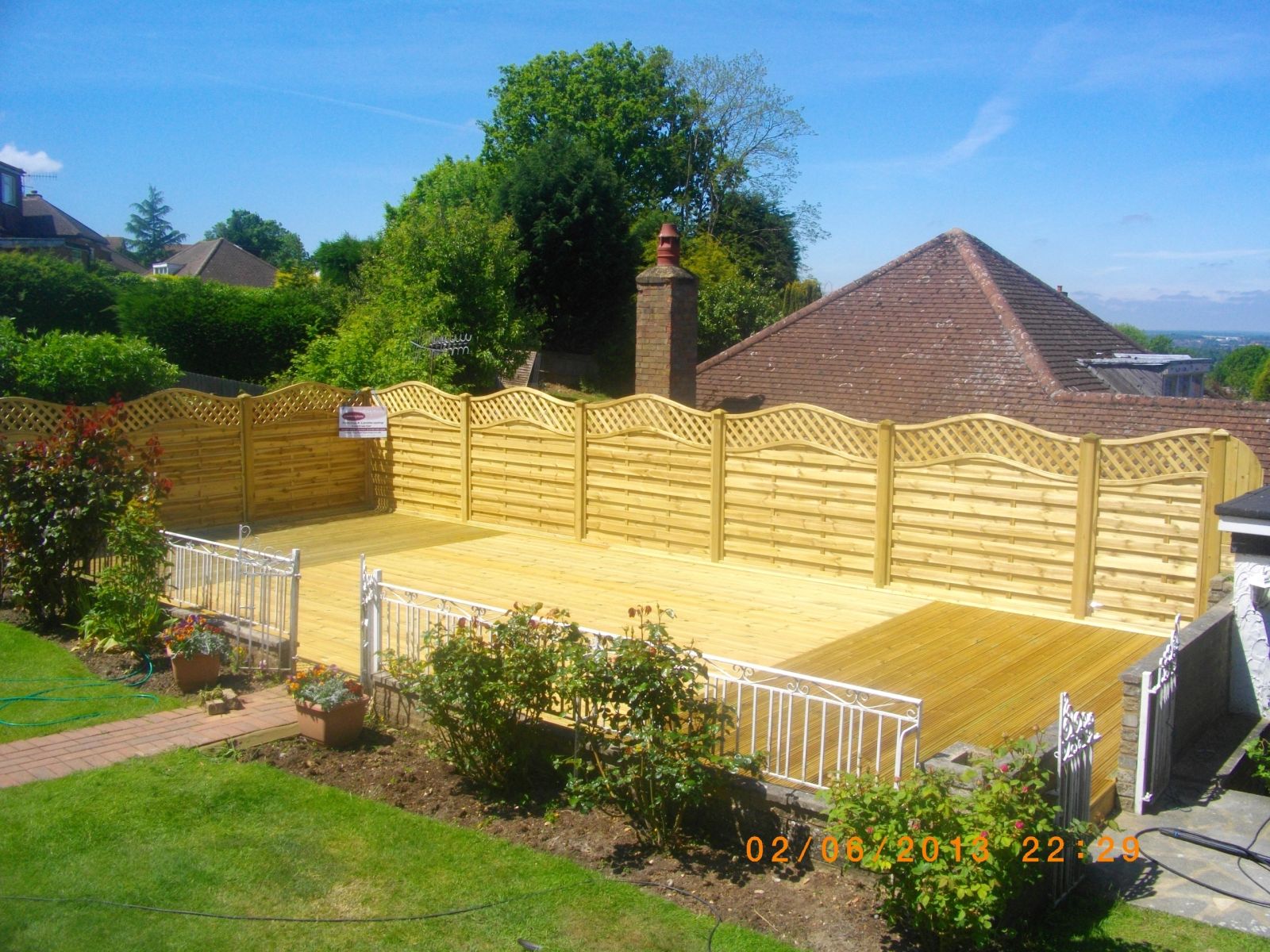
Composite Fencing Installers Across Enfield & waltham cross
Composite Fencing in Enfield isn't a bolt-on for us — it's a day-in, day-out install. We cover EN1 / EN2 / EN3 and the streets running toward A10 Great Cambridge Road, and we know before we arrive that high winds funnelled down the lea valley regularly knock over weaker panel fences. That's the first thing that shapes the spec, not the last. Recent work on Baker Street and Carterhatch Lane. We orient jobs off Lee Valley Park. Baker Street rear boundary, dispute trigger. Closeboard with surveyed line agreed in writing. Defused a long-running argument with the neighbour about ownership.
Composite Fencing in Enfield isn't a bolt-on for us — it's a day-in, day-out install. We cover EN1 / EN2 / EN3 and the streets running toward A10 Great Cambridge Road, and we know before we arrive that high winds funnelled down the lea valley regularly knock over weaker panel fences. That's the first thing that shapes the spec, not the last. Recent work on Baker Street and Carterhatch Lane. We orient jobs off Lee Valley Park. Baker Street rear boundary, dispute trigger. Closeboard with surveyed line agreed in writing. Defused a long-running argument with the neighbour about ownership.
How we build composite fencing in Enfield
Wood-polymer composite boards on aluminium or steel posts. Standard build: 6ft × 6ft panels, 2.4m aluminium posts on 700mm concrete bases. On Enfield jobs we adjust for high winds funnelled down the lea valley regularly knock over weaker panel fences.
Property mix locally: interwar semis, 1960s estates and pockets of Georgian housing around Forty Hill. Typical gardens: medium-depth gardens that often back onto alleyways — access is the deciding factor. Postcodes we regularly service: EN1, EN2, EN3.
Why composite fencing works here
- no annual staining or oiling
- colour-through boards don't fade to grey the way pressure-treated timber does
- aluminium post system won't rot at ground level, which is where 90% of timber fences fail
Common Enfield briefs
- → commercial forecourts where painted timber looks tired within a season
- → rental properties where landlords want a 15-year panel life without staining trips
Composite Fencing FAQs — Enfield
Do composite panels handle high wind loads?
Across Enfield (EN1), the honest answer depends on interwar semis and medium-depth gardens that often back onto alleyways — access is the deciding factor. Practically, that means colour-through boards don't fade to grey the way pressure-treated timber does — and we're upfront that boards can dent under a football or garden strimmer edge.
Does composite fencing warp or fade in full sun?
On Enfield jobs we spec around high winds funnelled down the lea valley regularly knock over weaker panel fences, so the default is 6ft × 6ft panels, 2.4m aluminium posts on 700mm concrete bases. Practically, that means colour-through boards don't fade to grey the way pressure-treated timber does — and we're upfront that boards can dent under a football or garden strimmer edge.
Can composite panels drop into existing concrete posts?
Enfield coverage and M25 J25 (Waltham Cross) access means we can survey most EN1 addresses inside a week. We'll walk you through both no annual staining or oiling and up-front cost is roughly double a lap-panel fence on the site visit before you commit.
How is composite fencing recycled at end of life?
We've installed composite fencing across Enfield — from Brimsdown industrial estate through to the quieter streets toward waltham cross. We'll walk you through both no annual staining or oiling and up-front cost is roughly double a lap-panel fence on the site visit before you commit.
Can you match a neighbour's existing composite colour?
Across Enfield (EN1), the honest answer depends on interwar semis and medium-depth gardens that often back onto alleyways — access is the deciding factor. We'll walk you through both no annual staining or oiling and up-front cost is roughly double a lap-panel fence on the site visit before you commit.
Recent composite fencing work
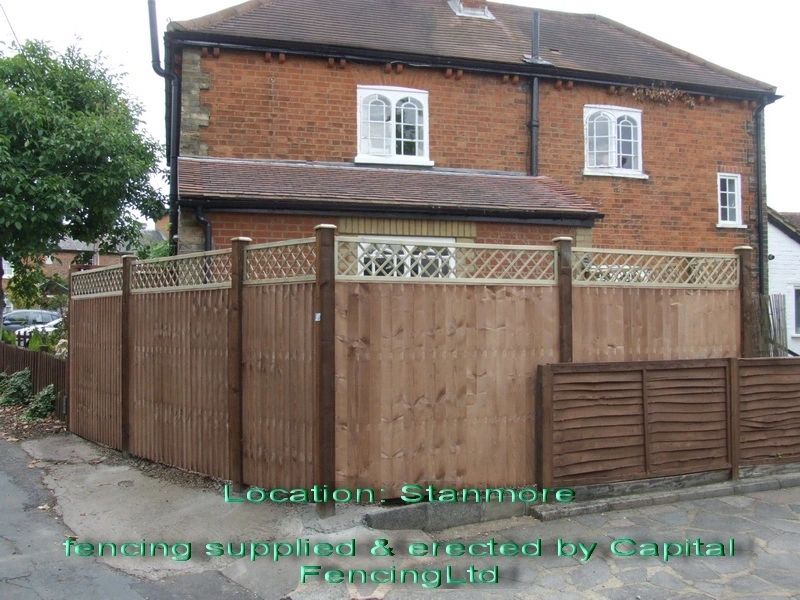
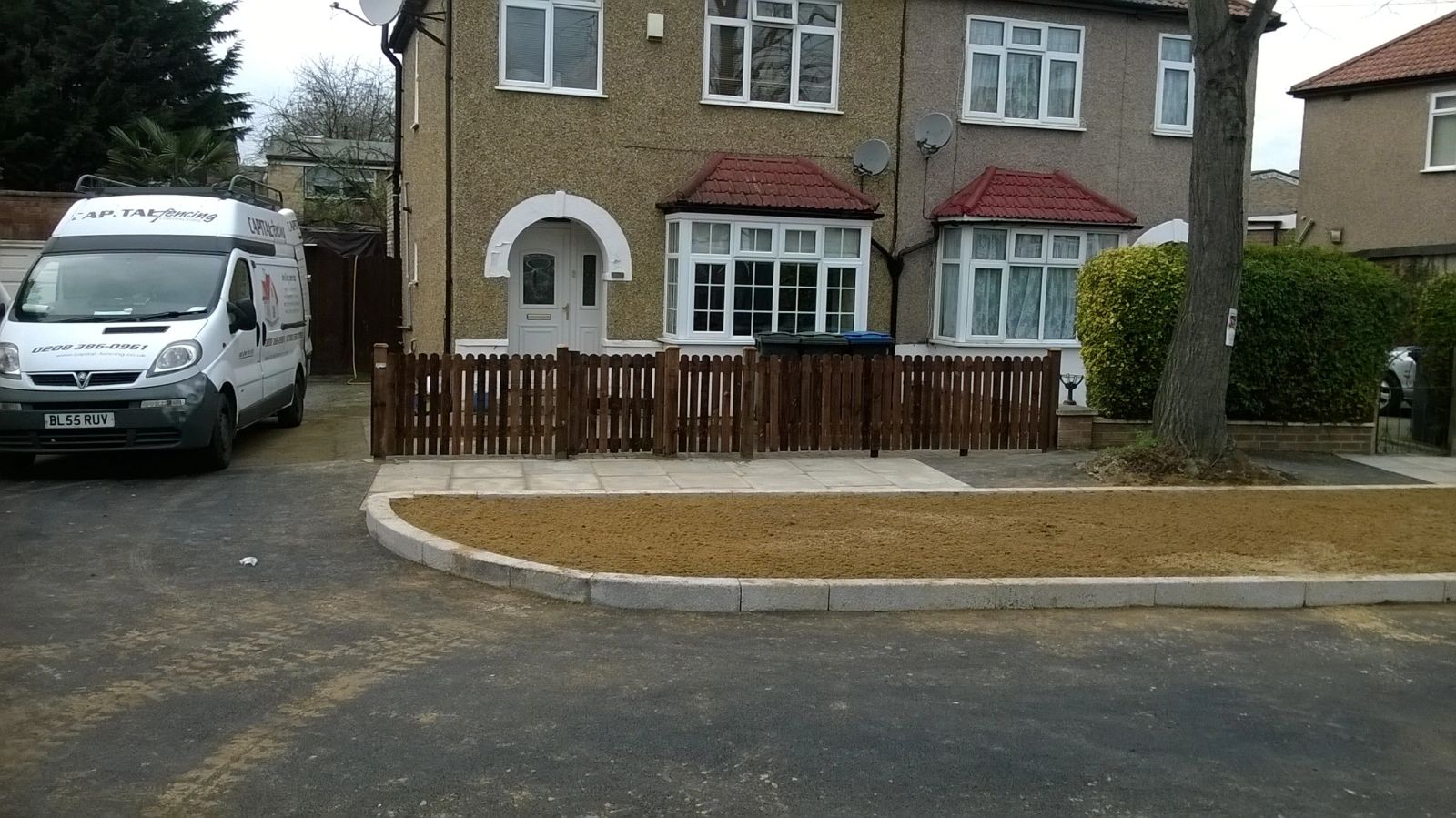
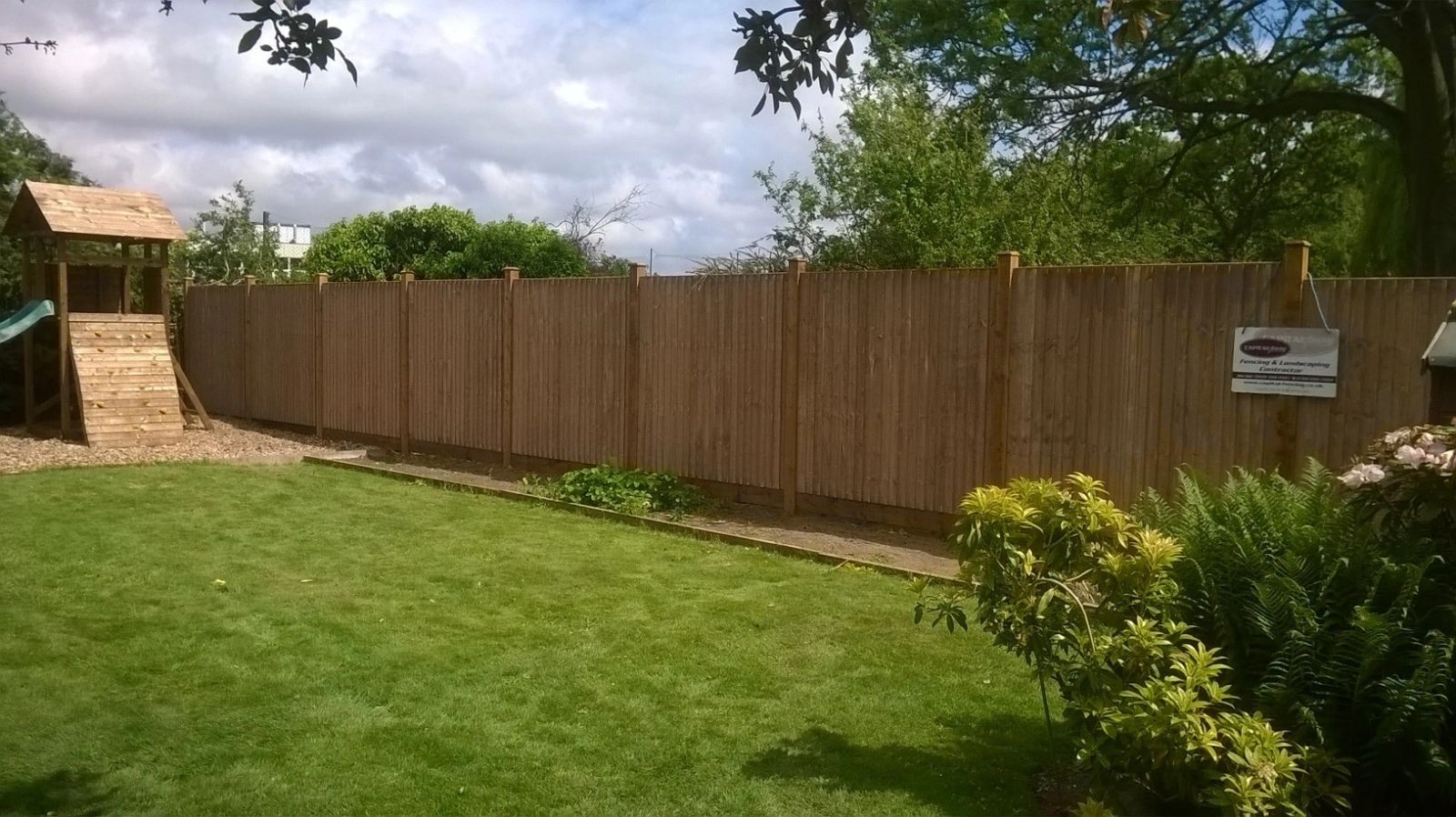
Composite Fencing across EN1, EN2, EN3 is one of our regular runs. We'll quote honestly, tell you if composite fencing isn't the right answer for your garden, and book the job in within a week or two of a signed quote. Recent work on Hertford Road and Silver Street. We orient jobs off Enfield Town Park. Brimsdown commercial yard perimeter. 2.4m close-board palisade with steel gate frame. Replaced storm-damaged perimeter; signed off by site insurer.
Get My Free Quote — 24h Response
No callout fee · Fully insured · Friendly local team covering London & Hertfordshire.