Hardwood Decking in Mill Hill (NW7)
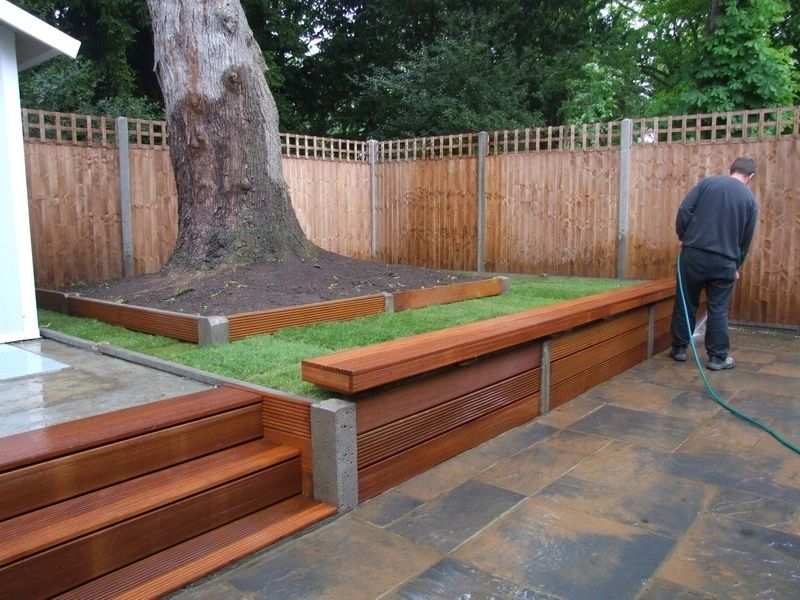
We're a small, time-served hardwood decking crew working out of London and Herts, and Mill Hill is a regular week for us. Most briefs here come down to premium rear gardens where a natural silver-grey patina is the desired finish — and honestly, whether hardwood decking is the right answer at all before we quote. Recent work on Uphill Road and Milespit Hill. We orient jobs off Belmont Farm. Page Street raised deck over slope. Hardwood deck with integrated steps and balustrade, levelled across 600mm fall. Garden gained ~18m² of usable flat space.
We're a small, time-served hardwood decking crew working out of London and Herts, and Mill Hill is a regular week for us. Most briefs here come down to premium rear gardens where a natural silver-grey patina is the desired finish — and honestly, whether hardwood decking is the right answer at all before we quote. Recent work on Uphill Road and Milespit Hill. We orient jobs off Belmont Farm. Page Street raised deck over slope. Hardwood deck with integrated steps and balustrade, levelled across 600mm fall. Garden gained ~18m² of usable flat space.
Common Mill Hill briefs
- → commissioned landscape schemes where the deck is a design feature, not just a floor
- → poolside and coastal-style decks needing hardwood durability without composite plastic feel
Why hardwood decking works here
- genuine 25-year plus service life on yellow balau or ipe when detailed properly
- richer natural colour and grain than any composite
- can be sanded and re-oiled indefinitely
How we build hardwood decking in Mill Hill
Yellow balau, ipe or iroko boards on treated softwood or hardwood joists. Standard build: 21mm yellow balau or 19mm ipe, secret-fix or countersunk, hardwood-rated screws. On Mill Hill jobs we adjust for the mill hill conservation area on the ridgeway has strict rules on materials and finishes.
Property mix locally: large detached homes on the Ridgeway, 1930s semis around the Broadway, and modern infill near Mill Hill East. Typical gardens: spacious plots — many of the Ridgeway properties have gardens deep enough for full landscaping schemes. Postcodes we regularly service: NW7.
Hardwood Decking FAQs — Mill Hill
Which hardwood lasts longest for decking in the UK climate?
Across Mill Hill (NW7), the honest answer depends on large detached homes on the ridgeway and spacious plots — many of the Ridgeway properties have gardens deep enough for full landscaping schemes. We'll walk you through both genuine 25-year plus service life on yellow balau or ipe when detailed properly and requires annual oiling to keep the honey colour — otherwise silvers naturally on the site visit before you commit.
Can you build a hardwood deck on top of an existing concrete slab?
On Mill Hill jobs we spec around the mill hill conservation area on the ridgeway has strict rules on materials and finishes, so the default is 21mm yellow balau or 19mm ipe, secret-fix or countersunk, hardwood-rated screws. We'll walk you through both genuine 25-year plus service life on yellow balau or ipe when detailed properly and requires annual oiling to keep the honey colour — otherwise silvers naturally on the site visit before you commit.
Can I let hardwood decking silver naturally?
Barnet coverage and M1 J2 / A41 access means we can survey most NW7 addresses inside a week. Practically, that means richer natural colour and grain than any composite — and we're upfront that material cost is significantly higher than softwood and often composite.
How does hardwood compare to composite for slip resistance?
We've installed hardwood decking across Mill Hill — from Mill Hill Industrial Estate through to the quieter streets toward edgware. We'll walk you through both genuine 25-year plus service life on yellow balau or ipe when detailed properly and requires annual oiling to keep the honey colour — otherwise silvers naturally on the site visit before you commit.
Do I need to oil hardwood decking every year?
Across Mill Hill (NW7), the honest answer depends on large detached homes on the ridgeway and spacious plots — many of the Ridgeway properties have gardens deep enough for full landscaping schemes. In short: genuine 25-year plus service life on yellow balau or ipe when detailed properly, though requires annual oiling to keep the honey colour — otherwise silvers naturally.
Recent hardwood decking work
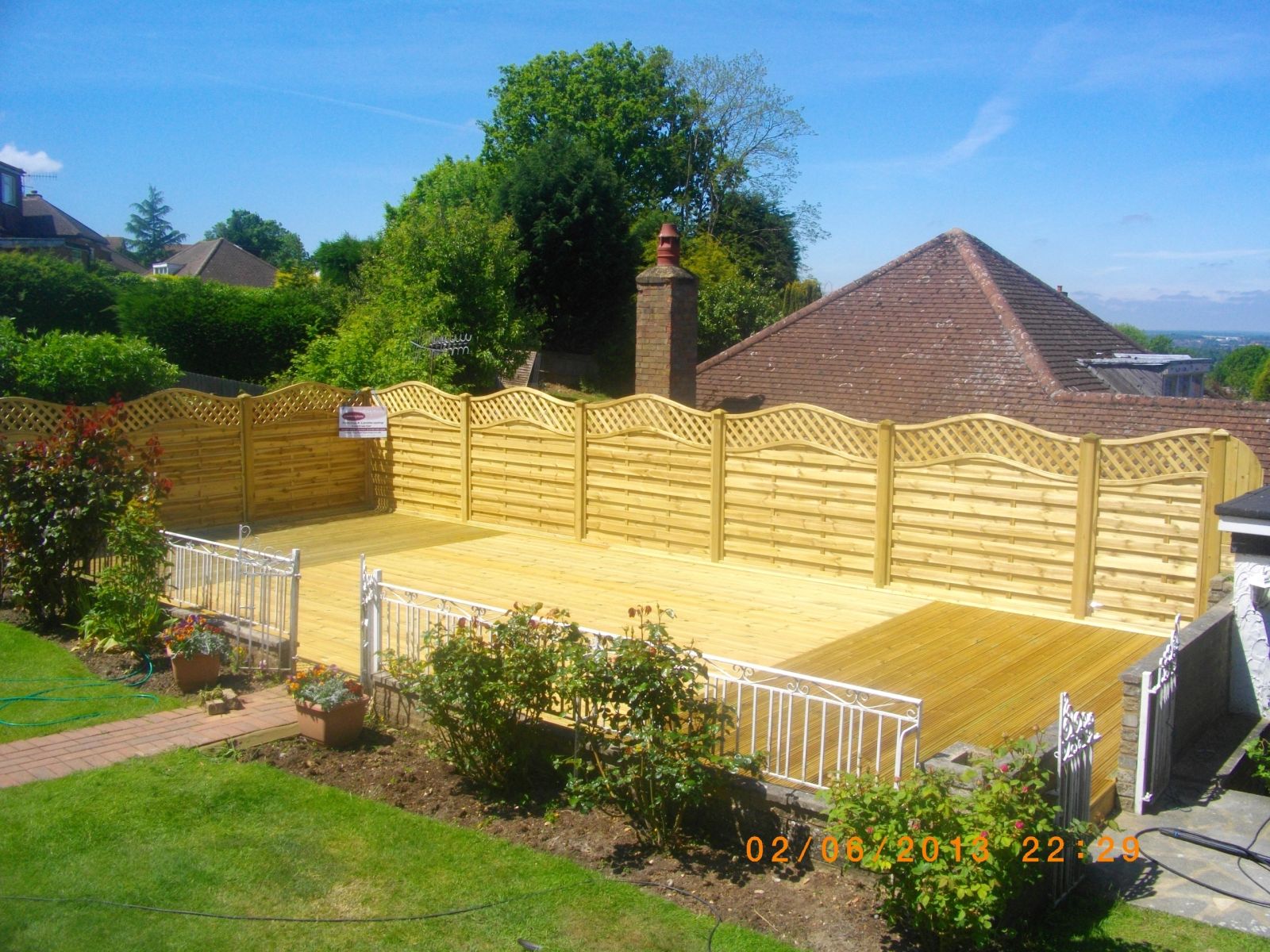
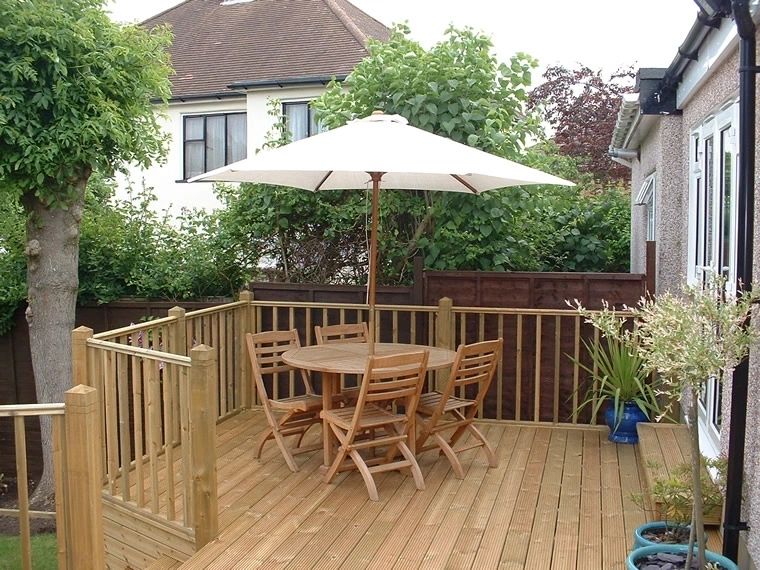
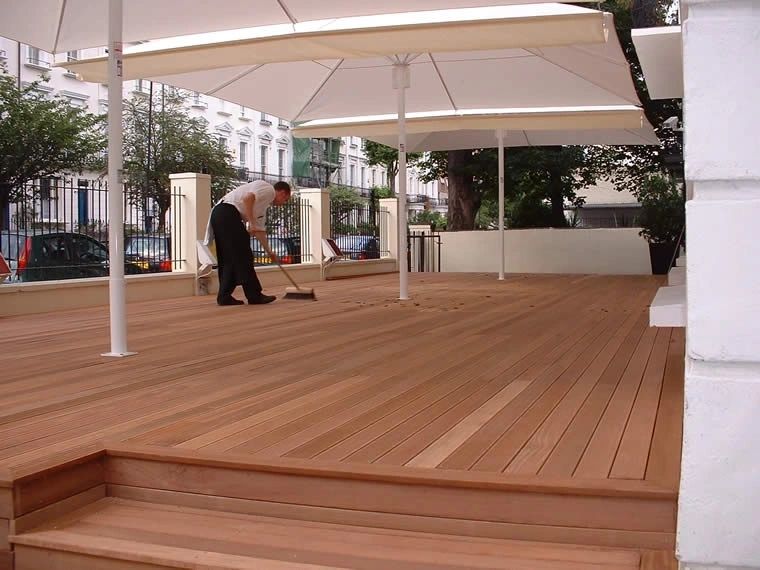
We keep the hardwood decking process simple for Mill Hill clients: site visit, written quote, agreed start date, then in and out cleanly. No subcontracted labour, no chasing for an invoice at the end. Recent work on Uphill Road and Nan Clark's Lane. We orient jobs off Totteridge Valley footpath. Nan Clark's Lane green-belt stock-proof boundary. Post-and-rail with wire mesh backing, chestnut posts, no concrete. Signed off by adjoining livestock owner and the Totteridge conservation group.
Get My Free Quote — 24h Response
No callout fee · Fully insured · Friendly local team covering London & Hertfordshire.