London & Hertfordshire Free Site Visit
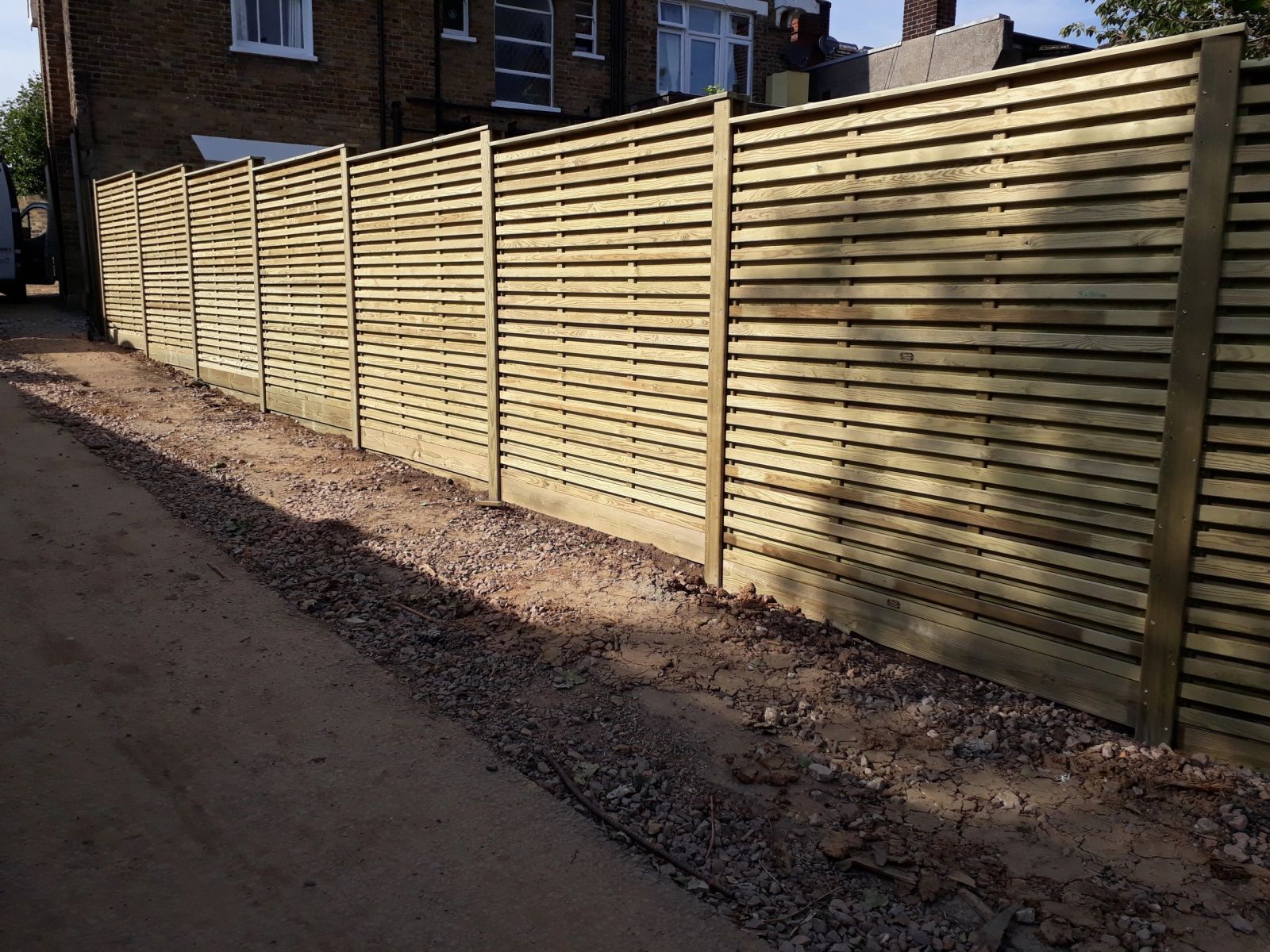
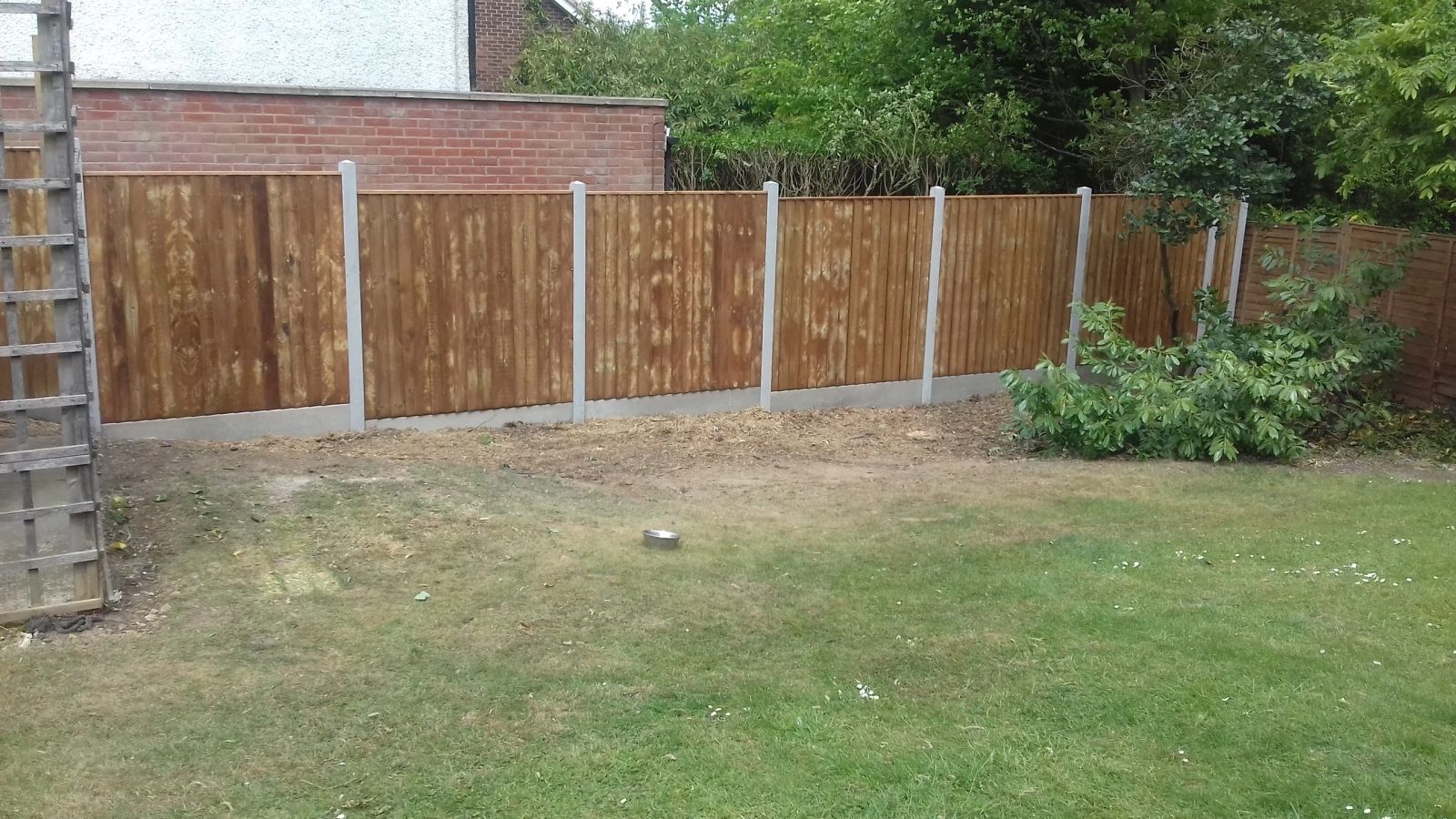
closeboard fence run installed by Capital Fencing in Hitchin (SG4)
Hitchin · SG4 / SG5

Metal Fencing for market-town centre with Tudor and Georgian buildings in Hitchin

The failure point on cheap metal fencing is always the coating, not the steel. Galvanise first, powder-coat second, and touch in every drilled hole — that is how a Hitchin railing still looks right after a decade of road spray. We're a small, time-served metal fencing crew working out of London and Herts, and Hitchin is a regular week for us. Most briefs here come down to commercial yards and forecourts where fork-lift damage is a real risk — and honestly, whether metal fencing is the right answer at all before we quote. Recent work on Westmill Lane and Highbury Road. We orient jobs off Butts Close.

The failure point on cheap metal fencing is always the coating, not the steel. Galvanise first, powder-coat second, and touch in every drilled hole — that is how a Hitchin railing still looks right after a decade of road spray. We're a small, time-served metal fencing crew working out of London and Herts, and Hitchin is a regular week for us. Most briefs here come down to commercial yards and forecourts where fork-lift damage is a real risk — and honestly, whether metal fencing is the right answer at all before we quote. Recent work on Westmill Lane and Highbury Road. We orient jobs off Butts Close.

Typical spec

How we build metal fencing in Hitchin

Galvanised steel, powder-coated bar-and-rail or estate railings. Standard build: 1.8m bow-top or estate railings, 40mm SHS posts, concrete-set at 750mm. On Hitchin jobs we adjust for hitchin's conservation areas mean the planning team checks anything visible from the street.

Property mix locally: market-town centre with Tudor and Georgian buildings, Victorian terraces on the Walsworth side, and 1930s semis to the west. Typical gardens: varied — small courtyards in the centre, deep rear gardens in Walsworth, sloping plots toward Walsworth Common. Postcodes we regularly service: SG4, SG5.

Why metal fencing works here

  • structurally the toughest boundary material we install
  • hot-dip galvanising plus powder coat gives a 25-year plus service life
  • doesn't warp, twist or lose fixings the way seasoned timber does

Common Hitchin briefs

  • front boundaries where visibility for parking and CCTV matters more than privacy
  • period properties needing traditional estate railings or wrought-iron style detailing

Metal Fencing FAQs — Hitchin

Can metal railings be installed on a low brick wall?

Posts are concrete-set deeper than timber equivalents because a rigid steel run transmits every load straight to the base. We work this patch weekly, from Wilbury Way industrial estate out toward letchworth. Practically, that means hot-dip galvanising plus powder coat gives a 25-year plus service life — and we're upfront that damaged uprights usually mean cutting and welding on site.

What's the lead time on made-to-measure railings?

Posts are concrete-set deeper than timber equivalents because a rigid steel run transmits every load straight to the base. For market-town centre with tudor and georgian buildings in SG4, that is where the cost sits. Practically, that means hot-dip galvanising plus powder coat gives a 25-year plus service life — and we're upfront that damaged uprights usually mean cutting and welding on site.

Are bow-top railings compliant for school and nursery use?

Every fixing hole is drilled before galvanising, so nothing on a Hitchin run exposes raw steel after fitting. We allow for varied — small courtyards in the centre when setting out in Hitchin. In short: structurally the toughest boundary material we install, though no privacy — this is a demarcation and security material, not a screen.

Can metal fencing be repaired after impact damage?

Posts are concrete-set deeper than timber equivalents because a rigid steel run transmits every load straight to the base. Survey slots across SG4 are usually inside a week. Worth weighing structurally the toughest boundary material we install against no privacy — this is a demarcation and security material, not a screen before you commit.

How do you finish metal fencing to stop rust?

Bar spacing gets set to the use: closer for a Hitchin frontage with young children, wider where the priority is the view through. We work this patch weekly, from Wilbury Way industrial estate out toward letchworth. Practically, that means hot-dip galvanising plus powder coat gives a 25-year plus service life — and we're upfront that damaged uprights usually mean cutting and welding on site.

Recent metal fencing work
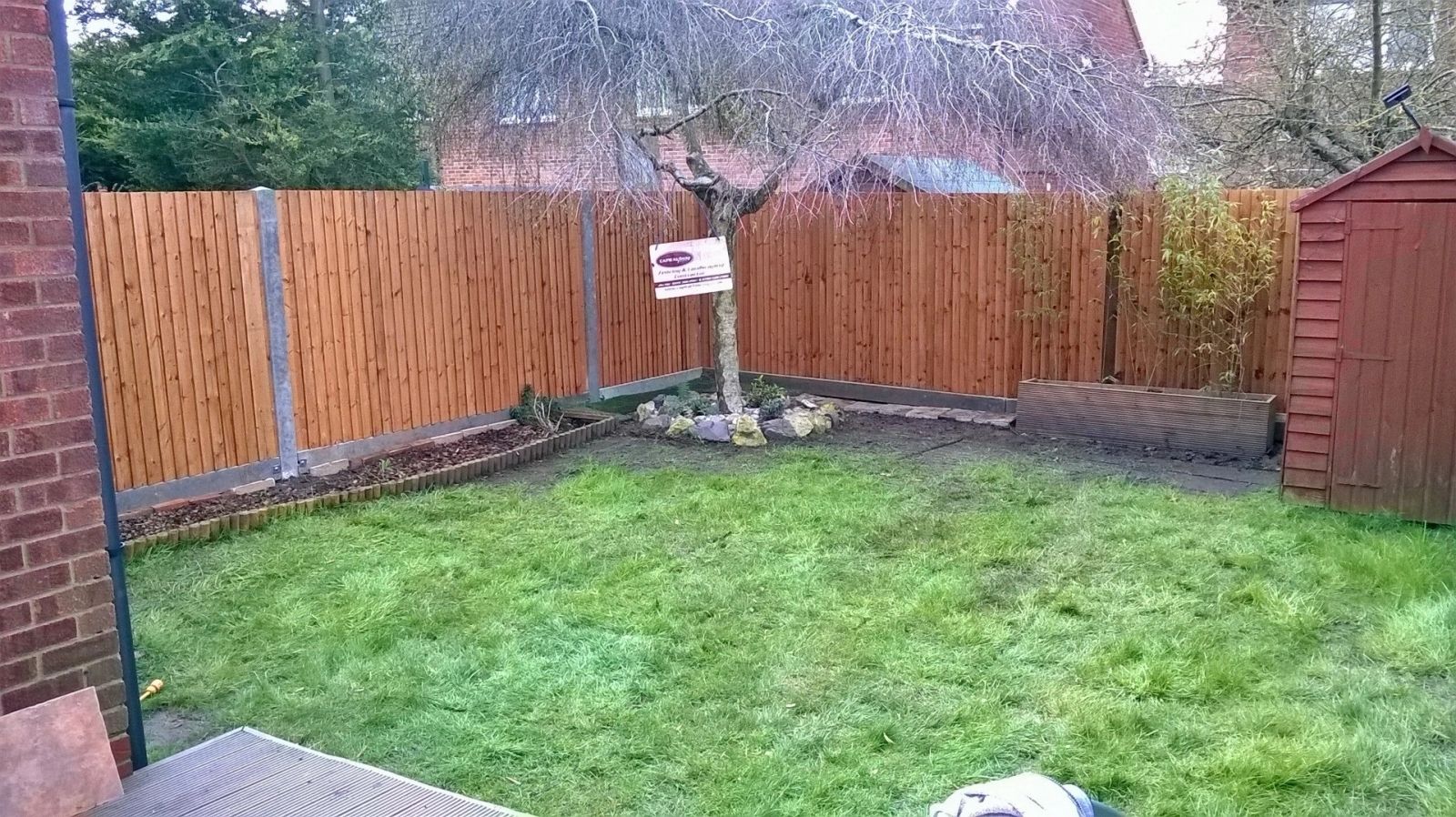
closeboard fence run installed by Capital Fencing in Hitchin (SG4)panel fence install installed by Capital Fencing in Hitchin (SG4)trellis-topped fence installed by Capital Fencing in Hitchin (SG4)bespoke decorative fence installed by Capital Fencing in Hitchin (SG4)

Metal Fencing in Hitchin: the practical detail

Storing timber and concrete materials on site before use

Timber left stacked directly on wet ground or grass for several days can pick up moisture and staining before it's even installed, so raising a stack on bearers and covering it loosely — allowing air to circulate rather than sealing it under plastic — keeps it in better condition.

Bagged cement stored outdoors needs keeping dry and off the ground, since a bag that's absorbed moisture can partially set inside the bag and become unusable before it's even opened.

Where a job runs over several days, agreeing a sensible on-site storage spot with the client — away from a drive that's needed daily, or a lawn that shouldn't be walked over repeatedly — avoids the storage itself becoming a source of friction.

Choosing hand tools over power tools on sensitive sites

A petrol auger or breaker finishes a dig far faster than hand tools but brings noise, vibration and exhaust that matter more on a site with close neighbours, a nervous pet next door, or restricted working hours.

Hand tools also give more control in tight spots — close to a wall, a root, or a service — where a powered tool's speed becomes a liability rather than an advantage.

The practical approach on most jobs is powered tools for the bulk of straightforward digging and hand tools kept ready for the awkward sections, rather than committing to one method for an entire run.

Who owns which boundary

Boundary ownership in England isn't settled by which side the posts face — it's set by the title deeds, and where the deeds are silent the presumption (a T-mark on old Ordnance Survey-derived plans, or the 'ad medium filum' rule for some hedges) only gets you so far.

Before any post goes in we ask to see the deed plan, or at minimum agree the line and height with the neighbour in writing, because replacing a fence in the wrong place is a genuinely common and avoidable dispute.

Where ownership is contested we'll fit on the client's own side of the line rather than guess, even if that means a slightly narrower run.

Small gaps for garden wildlife

A small gap, roughly 13cm square, cut into the base of a fence panel lets hedgehogs and other small wildlife move between connected gardens without needing to climb or dig, which matters where fencing has fragmented a previously open row of gardens.

This kind of gap doesn't meaningfully weaken a fence's structure or security when it's cut cleanly and positioned away from a post, and can be added to an existing fence as well as specified on a new one.

Where a client has an interest in garden wildlife, it's a low-cost addition worth mentioning at quote stage rather than something usually offered unprompted.

Basketball hoop and ball-bounce noise

The repeated impact noise of a ball bouncing on a hard driveway surface, or striking a hoop backboard, is an impulsive sound rather than a continuous one, and impulsive noise tends to be judged as more intrusive than steady noise of a similar average level.

A barrier reduces the airborne carry of that impact noise into a neighbouring garden, though the underlying activity and its timing remain outside what any fence can control.

Choosing gate ironmongery

A gate is only as good as its hinges and latch — undersized hinges are the single most common reason a timber gate sags and starts dragging on the ground within a year or two.

Heavier gates, especially solid hardwood or wide driveway gates, need hinges rated for the actual weight rather than whatever came in the hardware pack, plus a diagonal bracing batten on the frame to stop it racking out of square.

Galvanised or stainless fixings are worth the small extra cost over standard zinc-plated ones anywhere exposed to weather, since a rusted hinge pin is a common and avoidable reason for an otherwise sound gate to fail.

CDM Regulations and domestic clients

The Construction (Design and Management) Regulations 2015 apply even to domestic projects like fencing and decking, though in a domestic setting the client's specific duties are normally treated as passed to the contractor unless otherwise agreed.

In practice this means the appointed contractor typically takes on responsibility for managing health and safety on the project, rather than the homeowner personally.

It's still reasonable for a homeowner to ask how a contractor manages site safety, particularly on larger multi-trade projects involving several contractors on the same domestic site.

Timber grading marks

Structural and treated timber is typically stamped with a grading mark showing the strength class, treatment use class, and sometimes the treatment company's code, which is the practical way to verify what was actually supplied rather than taking a description on trust.

For fencing, the marks that matter most day to day are the use class (confirming it's rated for the ground or above-ground exposure intended) and a visible batch or treatment date, useful if a defect needs tracing back to a supplier.

Unmarked or unstamped 'treated' timber from an unclear source is harder to verify and is one of the more common shortcuts on cut-price quotes.

Keeping fence design clear of utility meter access points

Gas, electric and water meter boxes set into or near a boundary wall or fence line need to remain accessible for reading and emergency isolation, so a new fence or gate design shouldn't block or panel over an existing meter box without providing an equivalent access route.

This is occasionally missed on a full boundary replacement where the new design closes up an old gap that happened to give meter access, leading to a return visit to cut an access panel back in.

Checking for meter boxes and stopcock covers along the boundary line during survey avoids this rework.

Gaps at ground level and cill boards

A gap under the fence at ground level lets sound through even when the rest of the face is well sealed, since low-frequency noise in particular can travel along the ground rather than only through the air above it.

A close-fitting gravel board or cill board run along the base closes this gap and also protects the lowest edge of the timber from ground moisture.

Stainless steel grades near salted roads

Grade 304 stainless steel resists general corrosion well but can develop surface pitting when regularly exposed to chloride from de-icing salt spray thrown up by passing traffic.

Grade 316 stainless includes molybdenum, which significantly improves resistance to chloride pitting, and is the more appropriate specification for fixings and fittings on roadside fencing subject to winter gritting.

The cost difference between the two grades is usually small relative to the fitting itself, so specifying 316 near a heavily gritted road is generally worth it for the extended service life alone.

Recycled plastic fence posts

Posts made from recycled plastic, sometimes blended with additives for UV resistance and rigidity, avoid timber's rot and insect vulnerability entirely, since the material has no organic content for fungi or insects to attack.

They tend to be more flexible than an equivalent timber section of the same size, which can be an advantage in absorbing impact but a disadvantage where rigidity is needed to resist sustained wind load without visible sway.

Their thermal expansion behaviour is closer to other polymer products than to timber, meaning fixings and adjoining materials need similar allowance for movement as with composite boards rather than being treated as a timber-equivalent product.

What we check before signing off an acoustic job

Before finishing, we check every joint and the full base line for gaps, since a single missed seal point undermines the principle the whole build is based on.

We don't offer a measured decibel figure as part of that sign-off, because the real-world result depends on factors outside the fence itself — we're upfront about that at the point of handover, not after.

Made ground from Victorian development

Much of the Victorian terraced housing across north London sits on plots that were levelled, infilled or built over earlier brickfields, clay pits and market gardens, leaving inconsistent fill rather than natural strata close to the surface.

A trial dig on these plots can turn up broken brick, ash, clinker or timber offcuts within the first spade's depth, none of which gives a post anything solid to bear on.

Where fill depth is unpredictable across a single run, post depths sometimes need to vary hole to hole rather than following one fixed spec for the whole boundary.

Railings suit Hitchin front boundaries where you want a defined line without losing light or view — and where timber would look wrong against brick and stone. Whether you're on a period street near Wilbury Way industrial estate or a newer estate toward letchworth, metal fencing in Hitchin is a service we run every week — booked in, on time, and left tidy. Recent work on Nightingale Road and Bancroft. We orient jobs off Priory Park.

Get In Touch

Get My Free Quote — 24h Response

No callout fee · Free site visit · Friendly local team covering London & Hertfordshire.

Call us
07885907880
or 02036484746
Email
capital_fencing@yahoo.com
WhatsApp
Message us anytime
Area
London & Hertfordshire
Payment
Card payments accepted

Pay by debit or credit card, bank transfer or cash once the work and price are agreed. No deposit taken online.

Request a Free Quote

We'll get back to you within 24 hours.

Free Site Visit No Callout Fee
Call WhatsAppQuote