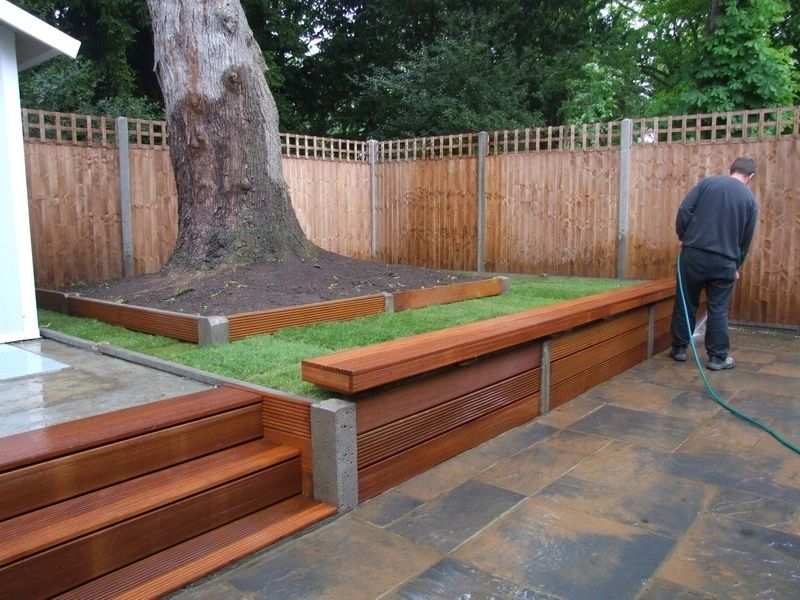
Composite Decking in Hitchin (SG4)
We're a small, time-served composite decking crew working out of London and Herts, and Hitchin is a regular week for us. Most briefs here come down to rear gardens where the client wants no annual oiling or sanding — and honestly, whether composite decking is the right answer at all before we quote. Recent work on Bedford Road and Tilehouse Street. We orient jobs off Hitchin station. Westmill estate three-plot rear run. Matched closeboard, simultaneous quote across three plots. Saved each plot ~10% versus solo quote.
We're a small, time-served composite decking crew working out of London and Herts, and Hitchin is a regular week for us. Most briefs here come down to rear gardens where the client wants no annual oiling or sanding — and honestly, whether composite decking is the right answer at all before we quote. Recent work on Bedford Road and Tilehouse Street. We orient jobs off Hitchin station. Westmill estate three-plot rear run. Matched closeboard, simultaneous quote across three plots. Saved each plot ~10% versus solo quote.
How we build composite decking in Hitchin
Capped wood-polymer composite boards on treated softwood joists. Standard build: Trex or Q-Deck capped boards on 150×47mm treated joists at 300mm centres. On Hitchin jobs we adjust for hitchin's conservation areas mean the planning team checks anything visible from the street.
Property mix locally: market-town centre with Tudor and Georgian buildings, Victorian terraces on the Walsworth side, and 1930s semis to the west. Typical gardens: varied — small courtyards in the centre, deep rear gardens in Walsworth, sloping plots toward Walsworth Common. Postcodes we regularly service: SG4, SG5.
Common Hitchin briefs
- → rear gardens where the client wants no annual oiling or sanding
- → raised decks around hot tubs and outdoor kitchens where slip resistance matters
Where composite decking isn't the right answer
- •up-front cost is 40–60% higher than a matching softwood deck
- •damaged boards can't be sanded out — they're replaced
We'll say so on the site visit — a wasted quote helps nobody.
Why composite decking works here
- no annual maintenance beyond a wash-down
- capped boards resist stains and don't fade to grey the way softwood does
- grooved surface keeps grip in wet weather
Composite Decking FAQs — Hitchin
Does composite decking get too hot to walk on?
Across Hitchin (SG4), the honest answer depends on market-town centre with tudor and georgian buildings and varied — small courtyards in the centre. Practically, that means capped boards resist stains and don't fade to grey the way softwood does — and we're upfront that can feel hotter underfoot in full sun than timber.
How long does composite decking last vs timber?
On Hitchin jobs we spec around hitchin's conservation areas mean the planning team checks anything visible from the street, so the default is Trex or Q-Deck capped boards on 150×47mm treated joists at 300mm centres. Practically, that means capped boards resist stains and don't fade to grey the way softwood does — and we're upfront that can feel hotter underfoot in full sun than timber.
What's the warranty on composite boards?
North Hertfordshire District coverage and A1(M) J8 / J9 access means we can survey most SG4 addresses inside a week. Practically, that means capped boards resist stains and don't fade to grey the way softwood does — and we're upfront that can feel hotter underfoot in full sun than timber.
How do you clean composite decking?
We've installed composite decking across Hitchin — from Wilbury Way industrial estate through to the quieter streets toward letchworth. We'll walk you through both no annual maintenance beyond a wash-down and up-front cost is 40–60% higher than a matching softwood deck on the site visit before you commit.
Is composite slippery when wet?
Across Hitchin (SG4), the honest answer depends on market-town centre with tudor and georgian buildings and varied — small courtyards in the centre. In short: no annual maintenance beyond a wash-down, though up-front cost is 40–60% higher than a matching softwood deck.
Recent composite decking work
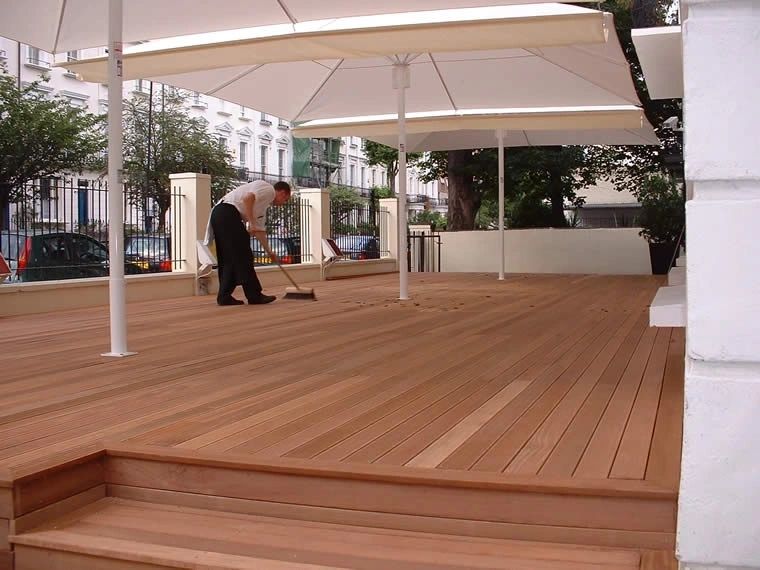
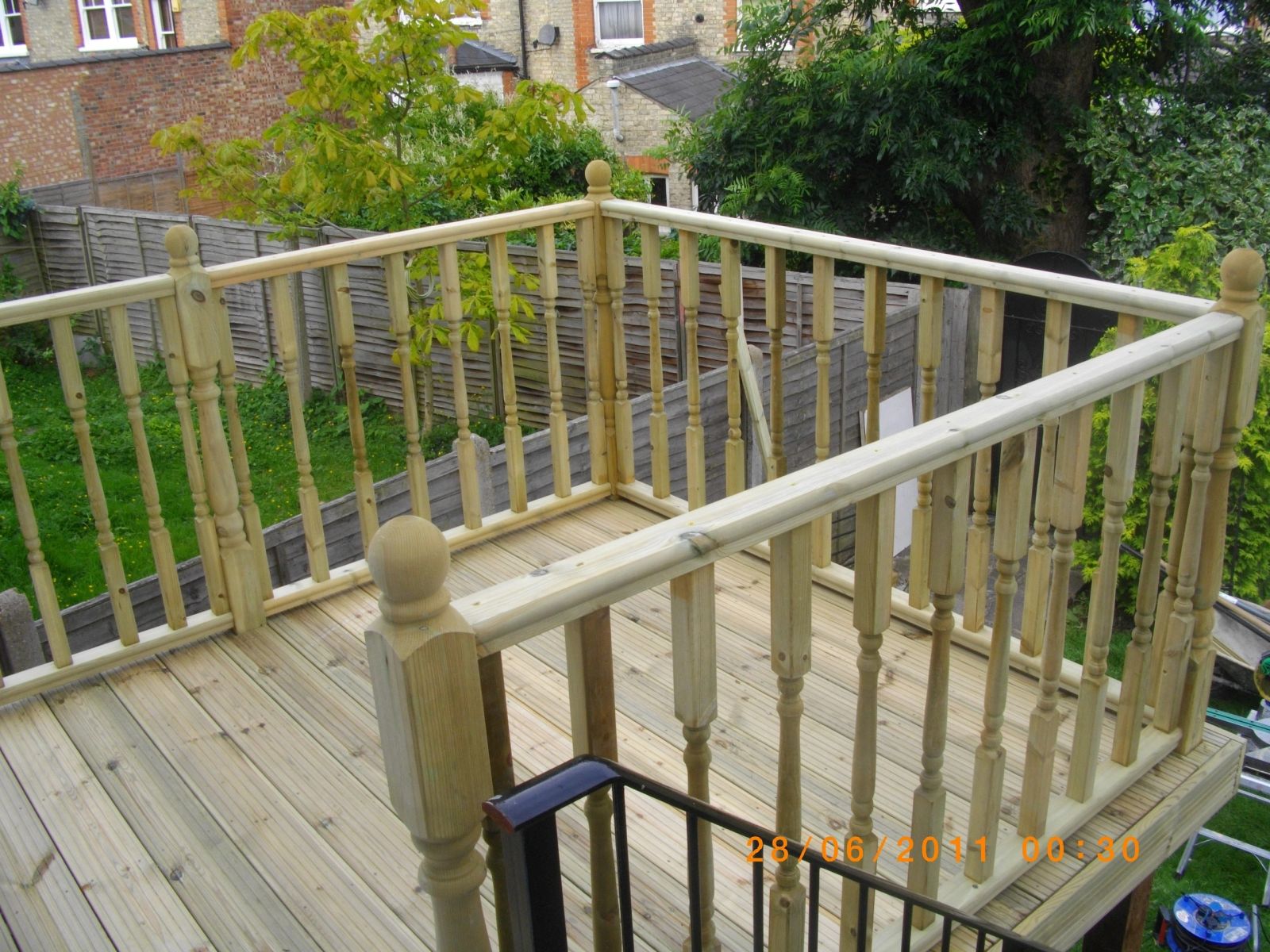
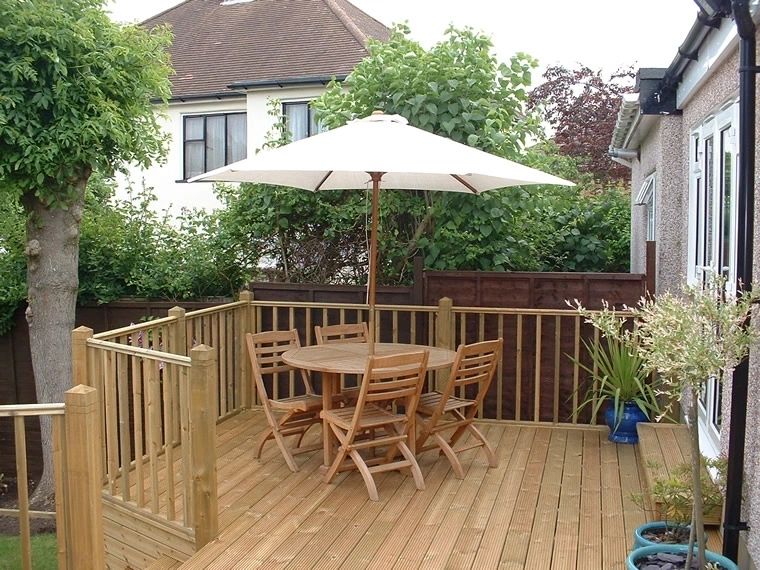
Whether you're on a period street near Wilbury Way industrial estate or a newer estate toward letchworth, composite decking in Hitchin is a service we run every week — booked in, on time, and left tidy. Recent work on Bancroft and Bedford Road. We orient jobs off Hitchin station. Bancroft Conservation Area frontage. Painted softwood picket on oak posts to conservation guidance. Approved at street-level review.
Get My Free Quote — 24h Response
No callout fee · Fully insured · Friendly local team covering London & Hertfordshire.