London & Hertfordshire Free Site Visit
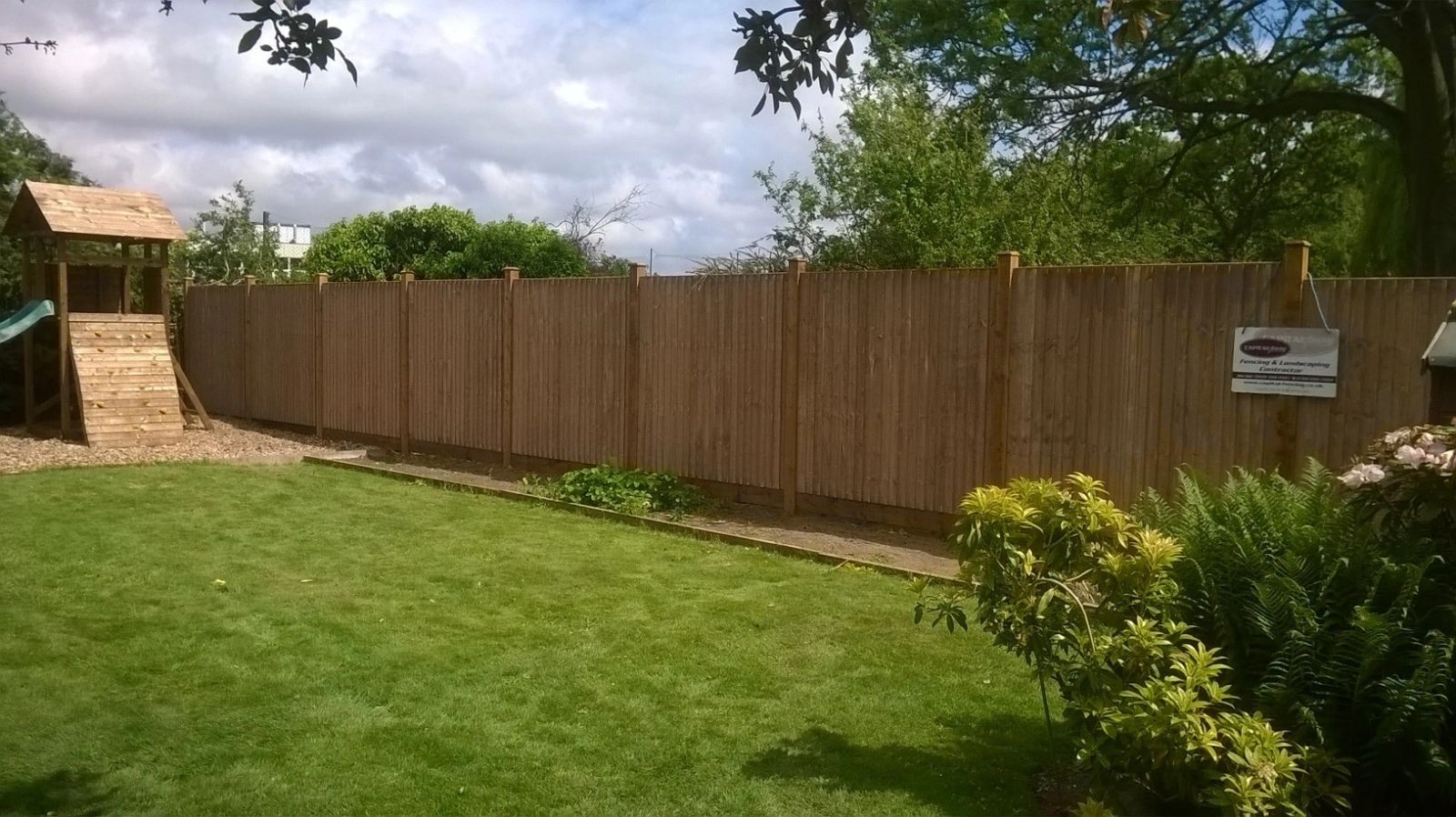
closeboard fence run installed by Capital Fencing in St Albans (AL1)
St Albans · AL1 / AL2 / AL3 / AL4

Looking for Metal Fencing in St Albans? Local Specialist Serving St Albans City and District

The failure point on cheap metal fencing is always the coating, not the steel. Galvanise first, powder-coat second, and touch in every drilled hole — that is how a St Albans railing still looks right after a decade of road spray. If you're weighing metal fencing for a property in St Albans, the housing stock — Victorian terraces, Edwardian villas in Marshalswick, and Tudor / Georgian properties near the cathedral — sets most of the answer. On mature gardens, often with established hedging that needs lifting before fencing goes in, galvanised steel, powder-coated bar-and-rail or estate railings generally makes sense for commercial yards and forecourts where fork-lift damage is a real risk. Where it doesn't, we say so. Recent work on Hatfield Road and Sandpit Lane. We orient jobs off St Albans Cathedral.

The failure point on cheap metal fencing is always the coating, not the steel. Galvanise first, powder-coat second, and touch in every drilled hole — that is how a St Albans railing still looks right after a decade of road spray. If you're weighing metal fencing for a property in St Albans, the housing stock — Victorian terraces, Edwardian villas in Marshalswick, and Tudor / Georgian properties near the cathedral — sets most of the answer. On mature gardens, often with established hedging that needs lifting before fencing goes in, galvanised steel, powder-coated bar-and-rail or estate railings generally makes sense for commercial yards and forecourts where fork-lift damage is a real risk. Where it doesn't, we say so. Recent work on Hatfield Road and Sandpit Lane. We orient jobs off St Albans Cathedral.

Typical spec

How we build metal fencing in St Albans

Galvanised steel, powder-coated bar-and-rail or estate railings. Standard build: 1.8m bow-top or estate railings, 40mm SHS posts, concrete-set at 750mm. On St Albans jobs we adjust for extensive conservation areas mean fence heights and materials need to match the streetscape.

Property mix locally: Victorian terraces, Edwardian villas in Marshalswick, and Tudor / Georgian properties near the cathedral. Typical gardens: mature gardens, often with established hedging that needs lifting before fencing goes in. Postcodes we regularly service: AL1, AL2, AL3, AL4.

Why metal fencing works here

  • structurally the toughest boundary material we install
  • hot-dip galvanising plus powder coat gives a 25-year plus service life
  • doesn't warp, twist or lose fixings the way seasoned timber does

Common St Albans briefs

  • period properties needing traditional estate railings or wrought-iron style detailing
  • commercial yards and forecourts where fork-lift damage is a real risk

Metal Fencing FAQs — St Albans

How much clearance under the railings for a domestic front garden?

Posts are concrete-set deeper than timber equivalents because a rigid steel run transmits every load straight to the base. We work this patch weekly, from Porters Wood out toward hatfield. In short: structurally the toughest boundary material we install, though no privacy — this is a demarcation and security material, not a screen.

Are bow-top railings compliant for school and nursery use?

Posts are concrete-set deeper than timber equivalents because a rigid steel run transmits every load straight to the base. For victorian terraces in AL1, that is where the cost sits. In short: structurally the toughest boundary material we install, though no privacy — this is a demarcation and security material, not a screen.

How do you finish metal fencing to stop rust?

Posts are concrete-set deeper than timber equivalents because a rigid steel run transmits every load straight to the base. We allow for mature gardens when setting out in St Albans. Worth weighing structurally the toughest boundary material we install against no privacy — this is a demarcation and security material, not a screen before you commit.

Can metal fencing be repaired after impact damage?

Bar spacing gets set to the use: closer for a St Albans frontage with young children, wider where the priority is the view through. Survey slots across AL1 are usually inside a week. Worth weighing structurally the toughest boundary material we install against no privacy — this is a demarcation and security material, not a screen before you commit.

Do you install decorative wrought-iron style panels?

Bar spacing gets set to the use: closer for a St Albans frontage with young children, wider where the priority is the view through. We work this patch weekly, from Porters Wood out toward hatfield. In short: structurally the toughest boundary material we install, though no privacy — this is a demarcation and security material, not a screen.

Recent metal fencing work
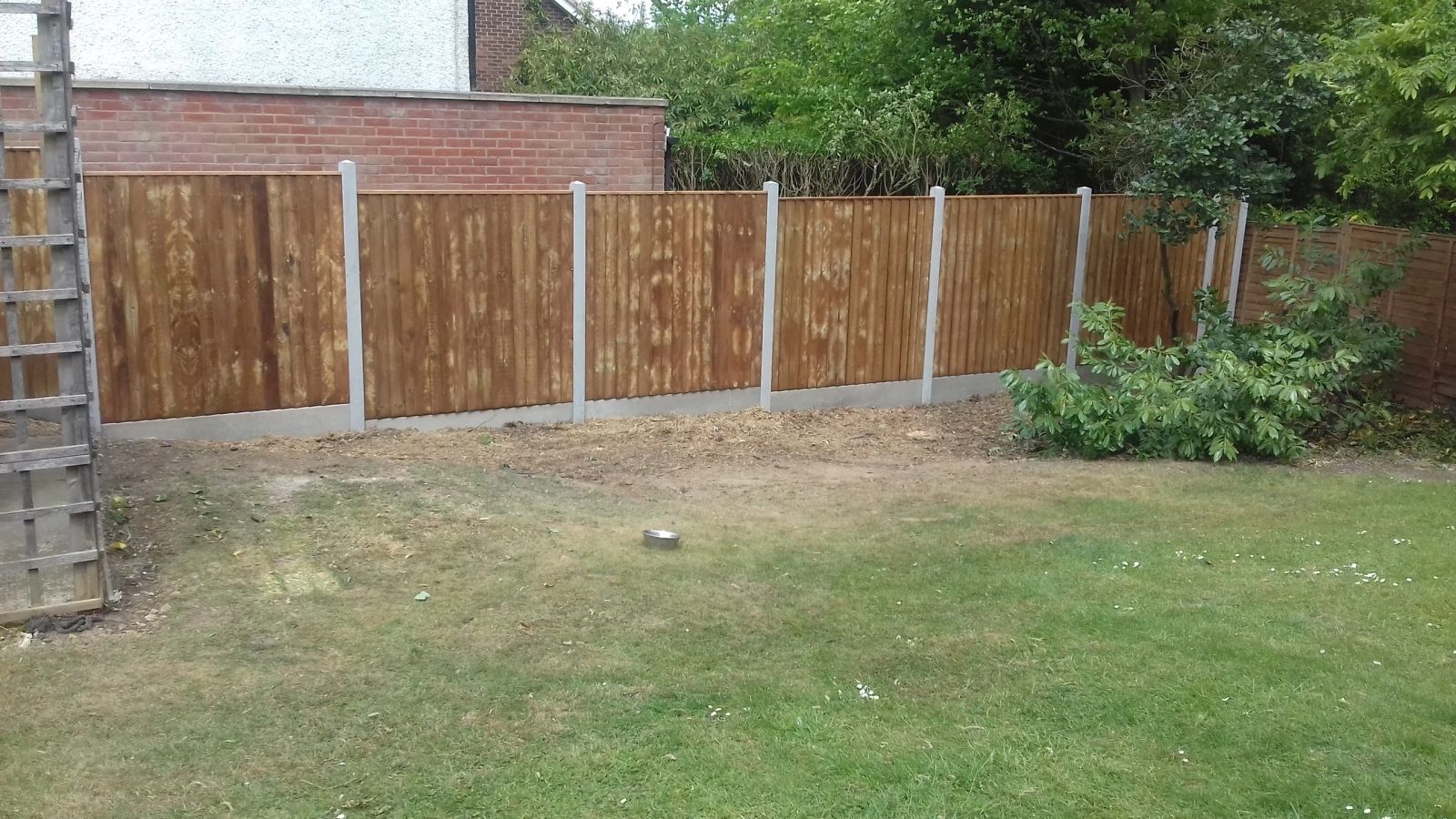
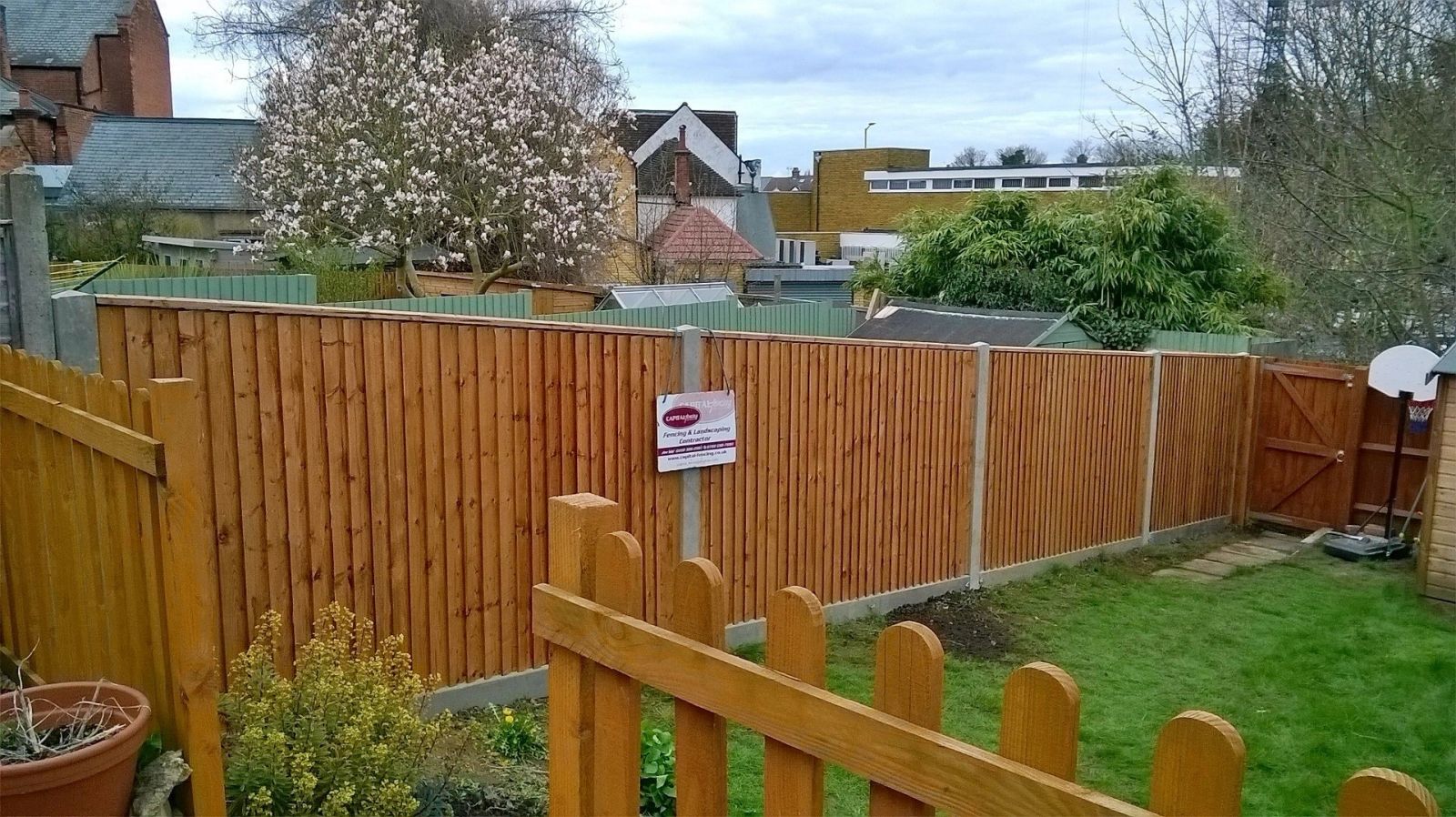
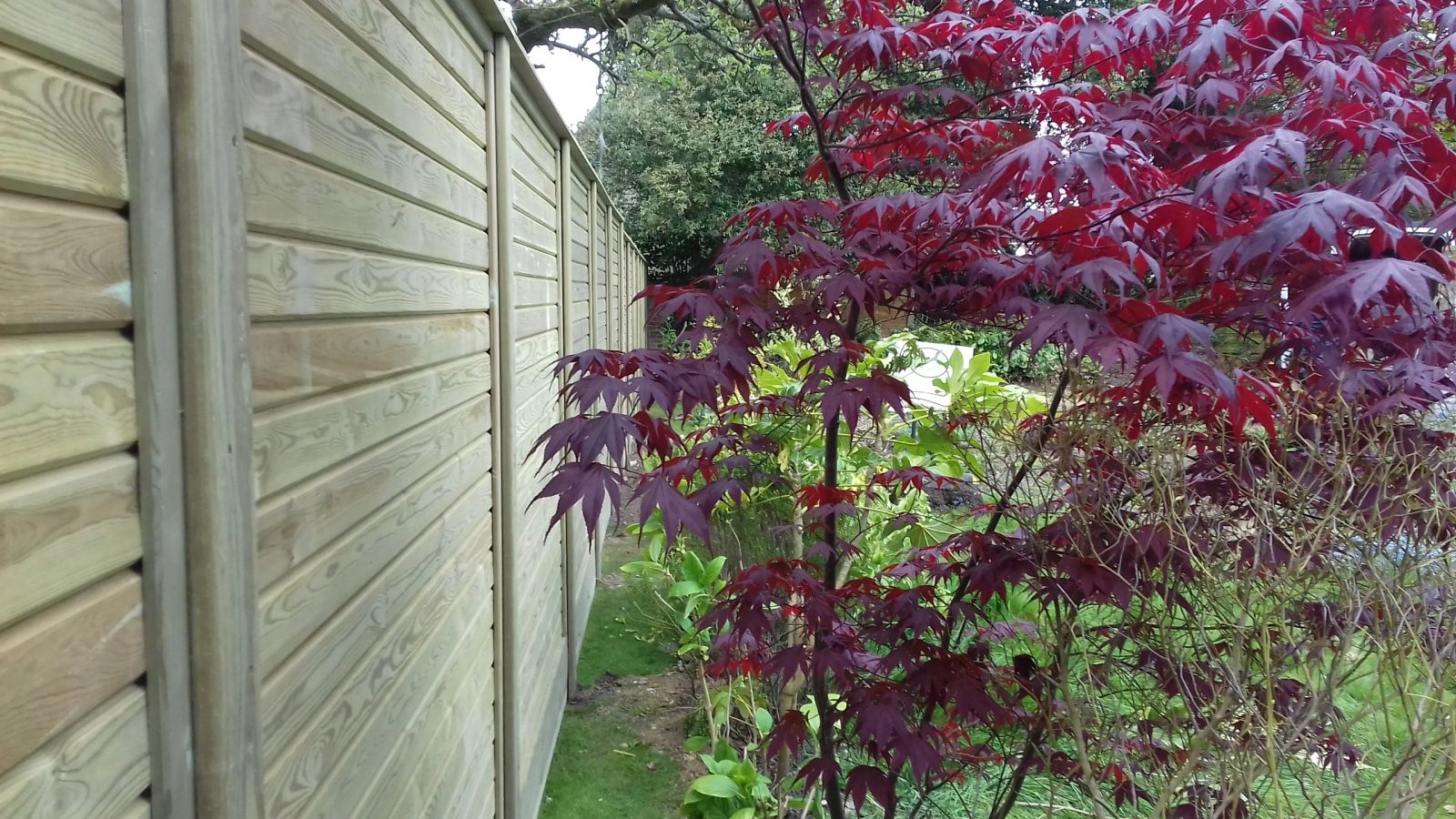
closeboard fence run installed by Capital Fencing in St Albans (AL1)panel fence install installed by Capital Fencing in St Albans (AL1)trellis-topped fence installed by Capital Fencing in St Albans (AL1)bespoke decorative fence installed by Capital Fencing in St Albans (AL1)

Metal Fencing in St Albans: the practical detail

Appearance from both sides

A heavier acoustic fence often has a different appearance on each face depending on which skin is presented outward, so it's worth agreeing with a neighbour which side gets the finished face where the boundary is shared.

Where both sides need to look presentable, a symmetrical double-skin build avoids one side being left with a plainer structural face.

Dropped kerbs and boundary gate positions

A dropped kerb is authorised for a specific width and position, and a gate or fence opening that doesn't line up with it can create a technically unauthorised vehicle crossing over the footway.

Where a driveway gate is being repositioned or widened, it's worth checking whether the dropped kerb needs to be extended or moved to match, which is a separate application to the council's highways department.

Parking a vehicle over a kerb that hasn't been properly dropped, even briefly during works, can also draw attention from the local authority in some areas.

Gravel boards in timber and concrete

A gravel board sits at the base of a fence, between the ground and the lowest board or panel, taking the ground contact and splash-back so the panels above it don't have to.

A timber gravel board is cheaper and easier to cut to length but is the component most likely to need replacing within a few years, since it sits closest to damp ground; a concrete gravel board costs more up front but essentially removes that recurring repair.

Either type should sit slightly proud of finished ground level with a stone bed beneath it, rather than being buried, so water can drain away instead of sitting against the timber or panel edge.

Sapwood versus heartwood durability

Heartwood is the older, inner part of a tree trunk that's stopped conducting sap and often contains natural extractives that resist fungal decay, while sapwood is the outer, still-active layer with little inherent durability.

Species like oak and western red cedar owe much of their reputation for longevity to heartwood content, but any board can include a strip of pale sapwood at the edge that will rot faster than the rest of the same piece.

Because sawn fencing timber is rarely graded strictly by heartwood content, some sapwood is inevitable in most runs, which is exactly why preservative treatment matters even on naturally durable species.

Replacing a fence on the same line as before

Replacing a fence exactly where the old one stood is generally the lowest-risk approach from a boundary perspective, since it maintains a position both neighbours have already implicitly accepted for years.

It's still worth flagging the planned replacement to a neighbour beforehand, particularly if the new fence will be a different height, material or style to what's there now.

Where the old fence's exact line is unclear because it has leant or shifted over time, marking out the intended new line and briefly confirming it with the neighbour avoids later disagreement.

Fitting post caps correctly to shed water

A post cap that doesn't fully overhang the post's top edge on all sides leaves a lip where water can track back under the cap and sit on the end grain, defeating much of its purpose.

Pyramid or weathered profile caps shed water faster than a flat cap, which matters more on an exposed post than a sheltered one, though either performs better than no cap at all on a cut post top.

Caps fixed with a single central nail can work loose and rock in wind, letting water in at the edges; a bead of exterior adhesive under the cap in addition to fixings gives a more weathertight result.

Go-kart track and small-engine noise

A go-kart track produces a high-revving small-engine noise that's tonal and carries well, similar in character to motorcycle noise but more continuous during a session, making it a demanding source for a garden barrier to soften.

Because the noise repeats in laps rather than as a single pass, a barrier's benefit is felt as a lower peak on each lap rather than a change to the overall duration of a session.

Wind loading on exposed runs

A fence on an open, elevated or unsheltered boundary — a plateau, a field edge, or a long unbroken run with no buildings breaking the wind — takes a real structural load that a sheltered suburban garden never sees.

Standard 75x75mm posts and full-height solid panels are the combination most likely to fail here; heavier posts, shorter bays between them, and a slatted or louvred profile that lets some wind through all reduce the load rather than fighting it head-on.

It's a specification decision made at quote stage, not something to retrofit after the first panel goes over in a storm.

Protecting lawn edges along a new fence line

Digging post holes and levelling ground along a boundary inevitably disturbs a strip of lawn either side of the new line, and that strip is worth marking out and treating as a working area from the start rather than letting the disturbed area creep wider as the job progresses.

Turf lifted carefully in one piece before digging starts can sometimes be relaid afterwards rather than reseeded, which gives a faster-recovering edge than bare soil left to regrow from seed.

Where reseeding is the only realistic option, timing the final reinstatement for a season when grass seed actually establishes reliably avoids a bare strip sitting exposed for months after the fencing itself is finished.

Returns and wing walls to stop flanking

Sound can flank around the end of a barrier that doesn't extend far enough past the noise source or the area being protected, undoing much of the benefit of an otherwise well-built run.

A return or short wing wall angled back from the main barrier closes this flanking path, and the extra length needed depends on the geometry between the source, the barrier end and the area being screened.

Diffraction depends on frequency

Sound diffracts, or bends, over a barrier's top edge more easily at low frequencies than at high frequencies, which is why a barrier tends to be more effective against a car's high-pitched tyre roar than against a lorry's low engine rumble.

This frequency dependence is one reason a barrier that clearly helps with one noise source can feel less effective against another nearby source with different frequency content, even at the same measured level.

Planning enforcement notices on unauthorised boundaries

Councils have enforcement powers to require unauthorised boundary structures to be altered or removed, usually triggered by a neighbour's complaint or a routine site visit for unrelated work.

There are time limits on enforcement action for most breaches, though these vary by the type of breach and don't apply to work within a conservation area or affecting a listed building in the same way.

Responding promptly and cooperatively to any enforcement contact from a council generally leads to a better outcome than ignoring it.

Decking board profiles and grooves

Timber decking boards commonly come grooved (ribbed) on the top face for grip, reversible to a smooth face for a more contemporary look, or with a rounded profile that sheds water more readily but offers less traction underfoot.

Grooved boards trap dirt and moisture in the channels more than a smooth or rounded profile, so they need more regular brushing or washing to avoid becoming slippery with algae, particularly in shaded, damp positions.

Composite boards are usually extruded with a fixed groove or embossed texture rather than milled, and the profile is generally part of a wider system with matching edge trims rather than a feature that can be mixed freely between board types.

Haunching a post base above ground level

Haunching means shaping the concrete around a post so it stands slightly proud of the surrounding ground and slopes away from the post in all directions, rather than finishing flush or dished.

That slope sheds rainwater away from the timber-to-concrete interface, which is the point most prone to trapping moisture and starting rot at the base of an otherwise sound post.

A flush or dished base, by contrast, holds a shallow puddle around the post after every rainfall, quietly shortening the post's life regardless of how well the timber itself was treated.

Railings suit St Albans front boundaries where you want a defined line without losing light or view — and where timber would look wrong against brick and stone. Whether you're on a period street near Porters Wood or a newer estate toward hatfield, metal fencing in St Albans is a service we run every week — booked in, on time, and left tidy. Recent work on Sandpit Lane and Beaconsfield Road. We orient jobs off St Albans City station.

Get In Touch

Get My Free Quote — 24h Response

No callout fee · Free site visit · Friendly local team covering London & Hertfordshire.

Call us
07885907880
or 02036484746
Email
capital_fencing@yahoo.com
WhatsApp
Message us anytime
Area
London & Hertfordshire
Payment
Card payments accepted

Pay by debit or credit card, bank transfer or cash once the work and price are agreed. No deposit taken online.

Request a Free Quote

We'll get back to you within 24 hours.

Free Site Visit No Callout Fee
Call WhatsAppQuote