London & Hertfordshire Free Site Visit

Sandridge: Fencing & Decking Within St albans

Sandridge (AL4) is a distinct pocket within st albans, under St Albans City and District Council — village-style cottages, modern detached homes and farms on the edges, gardens long rural-edge plots, often with grazing-land boundaries. The recurring factor on jobs here is stock-proof boundary fencing alongside paddocks is a regular requirement. Screening bin storage without blocking access: A dedicated bin store or screening fence at the front of a property needs to balance neatness against practical access — bins still need to be wheeled out to the collection point on the correct day without catching on a narrow gate opening. Local authority bin sizes vary, so it's worth checking actual collection bin dimensions before building a fixed screen enclosure that later turns out too small for a new bin type. Composite fencing construction and expansion gaps: Composite fencing boards are a wood-fibre and polymer blend, usually clipped or screwed onto an aluminium or timber sub-frame rather than nailed directly, which avoids splitting the board and allows for its different movement characteristics.

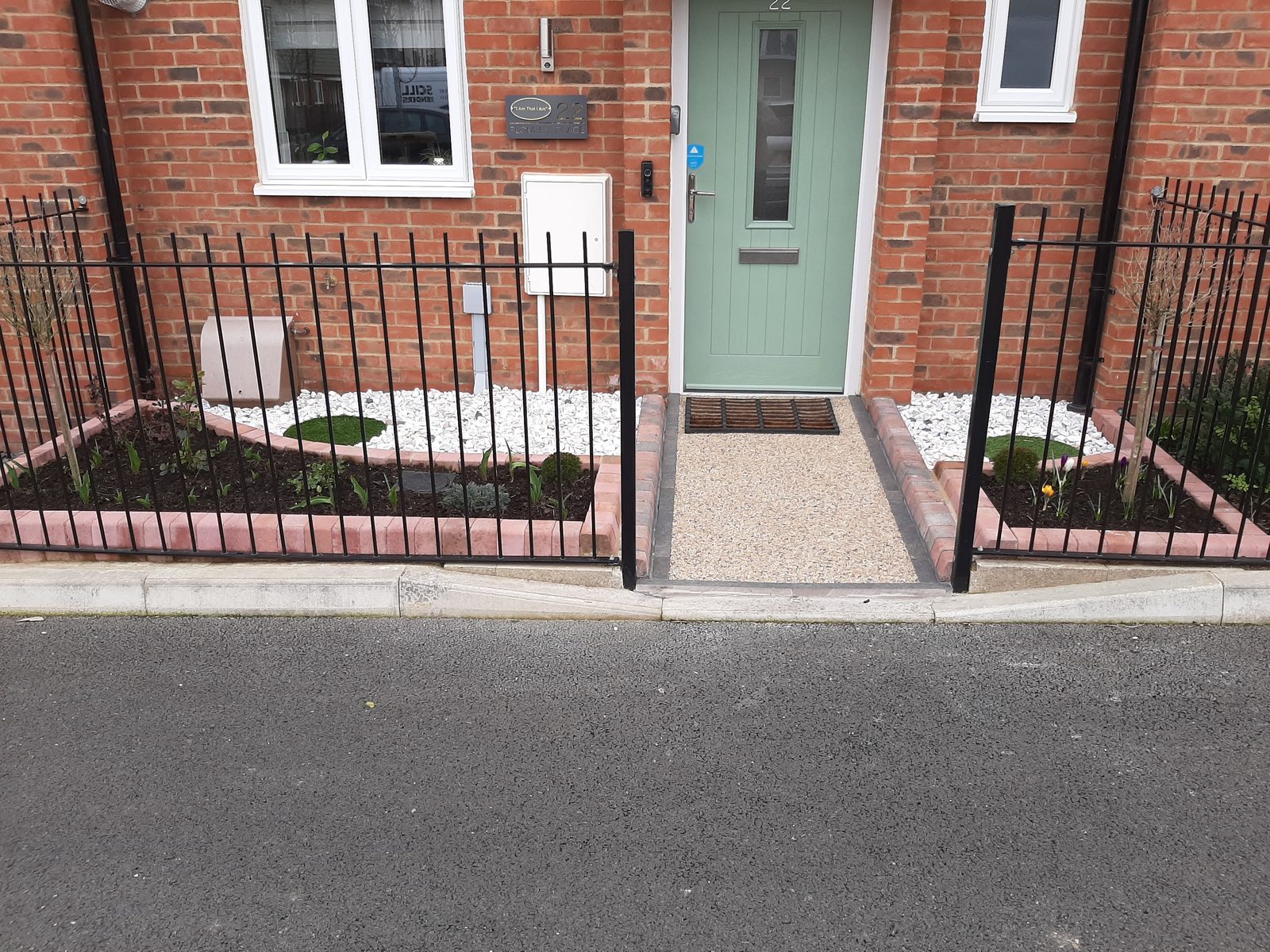
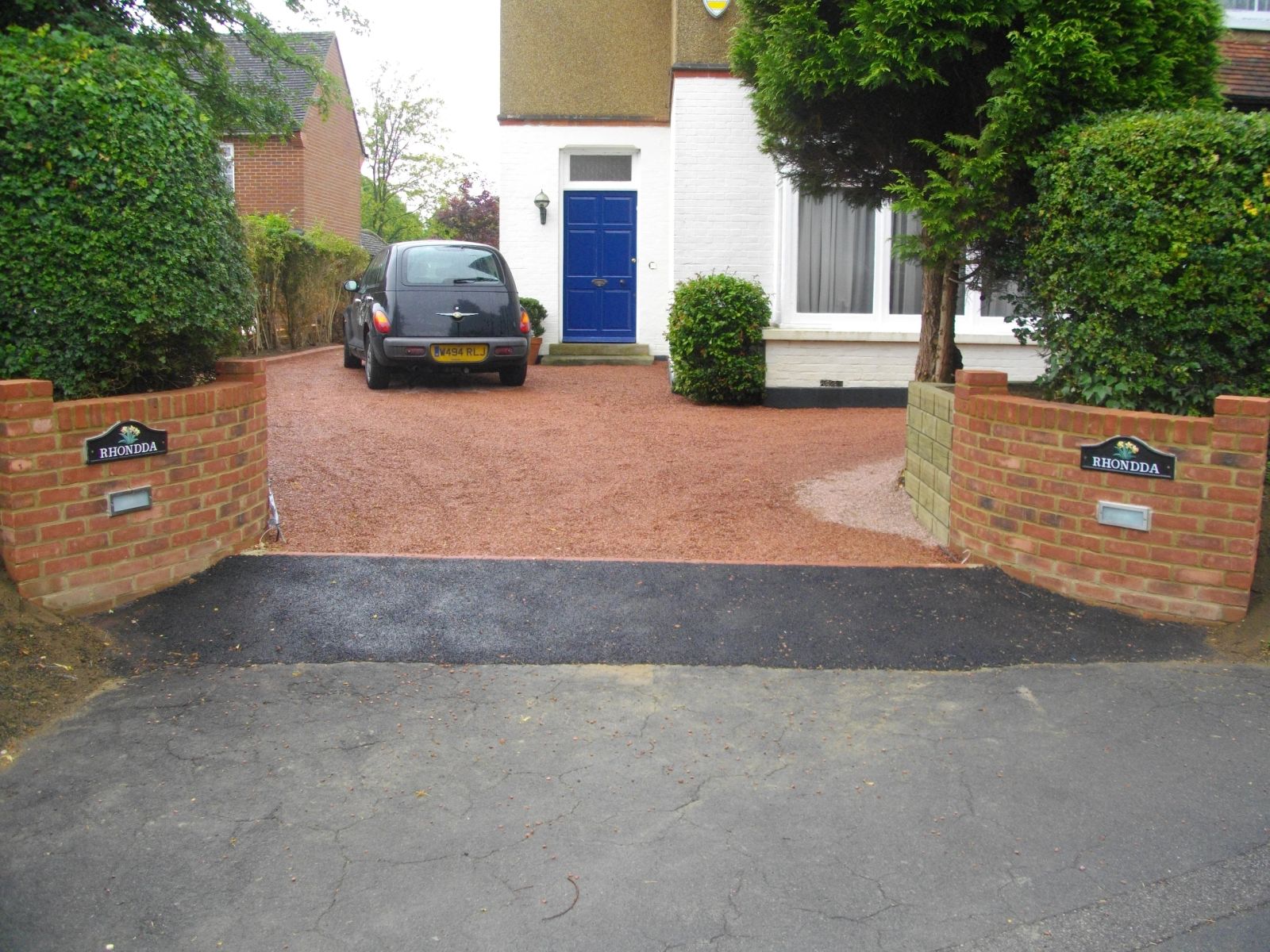
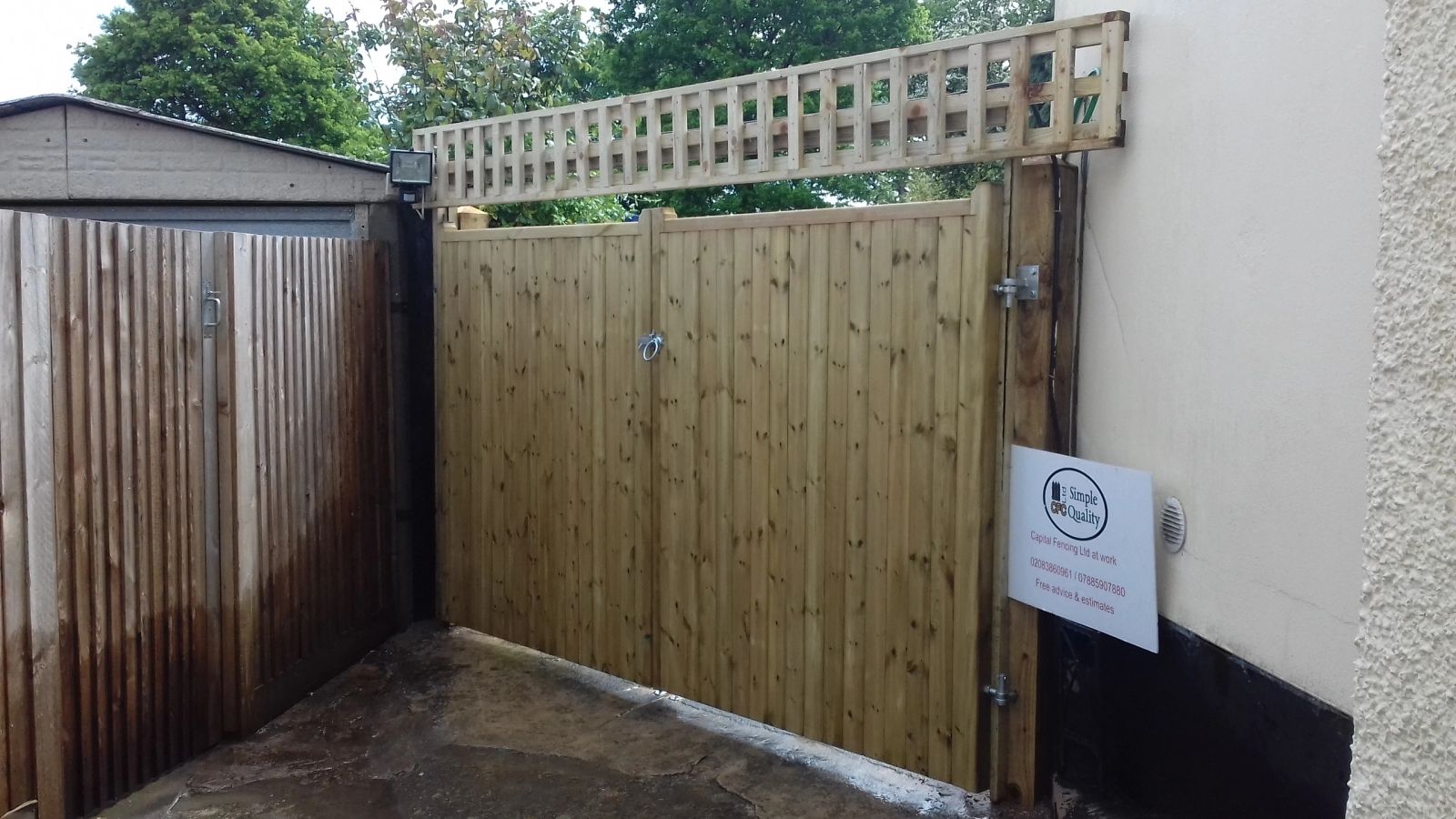
Capital Fencing project in Sandridge, AL4Capital Fencing project in Sandridge, AL4Capital Fencing project in Sandridge, AL4
AL4

Sandridge is part of our St Albans coverage under St Albans City and District Council, with its own property mix and its own recurring brief.

Property & garden in Sandridge

Property: village-style cottages, modern detached homes and farms on the edges

Gardens: long rural-edge plots, often with grazing-land boundaries

stock-proof boundary fencing alongside paddocks is a regular requirement

Nearest arterial: B651, A1(M) J3 (10 min). Served from Harpenden (Thameslink). Nearby commercial anchors: Sandridge village.

Practical points for boundary work in Sandridge

Screening bin storage without blocking access

A dedicated bin store or screening fence at the front of a property needs to balance neatness against practical access — bins still need to be wheeled out to the collection point on the correct day without catching on a narrow gate opening.

Local authority bin sizes vary, so it's worth checking actual collection bin dimensions before building a fixed screen enclosure that later turns out too small for a new bin type.

A slatted or louvred screen usually works better than solid panel for bin storage, since it hides the bins from view while still letting air circulate rather than trapping odour against a solid surface.

Composite fencing construction and expansion gaps

Composite fencing boards are a wood-fibre and polymer blend, usually clipped or screwed onto an aluminium or timber sub-frame rather than nailed directly, which avoids splitting the board and allows for its different movement characteristics.

Composite expands and contracts with temperature more than timber does, so boards are fitted with a small expansion gap at each end and between courses rather than butted tight, and a run installed without those gaps can bow or buckle in hot weather.

The sub-frame itself is usually still timber or aluminium posts rather than composite throughout, since composite isn't generally used as a structural post material.

Checking a post for twist before concreting

A post can be perfectly plumb on both faces yet still be twisted along its length, which only becomes apparent once a rail or panel is offered up and doesn't sit flush against the face it's meant to fix to.

Sighting down the length of a post before it's set, rather than only checking it once braced upright, catches a twist that's much harder to correct once concrete has gone off around the base.

Timber posts sawn from a slightly twisted length of stock are the usual cause, so it's worth setting aside a visibly twisted post for a less critical position, such as a short infill panel, rather than a gate post or corner.

Historic ha-ha and ditch boundaries

Some older rural and semi-rural Hertfordshire properties retain a ha-ha — a sunken ditch-and-wall boundary designed to keep a view open while still containing livestock — rather than a conventional fence line.

Where a ha-ha exists on a historic estate boundary, it's sometimes a designated heritage feature in its own right, in which case altering or fencing over it needs the same care as any other listed landscape feature.

More often a ditch boundary is simply a drainage feature rather than a heritage one, in which case a fence set back from the ditch edge, rather than spanning it, avoids undermining the bank.

Gravel boards in timber and concrete

A gravel board sits at the base of a fence, between the ground and the lowest board or panel, taking the ground contact and splash-back so the panels above it don't have to.

A timber gravel board is cheaper and easier to cut to length but is the component most likely to need replacing within a few years, since it sits closest to damp ground; a concrete gravel board costs more up front but essentially removes that recurring repair.

Either type should sit slightly proud of finished ground level with a stone bed beneath it, rather than being buried, so water can drain away instead of sitting against the timber or panel edge.

Trellis toppers for extra height and privacy

Adding a trellis topper to an existing or new fence is a common way to gain extra height for climbing plants or additional privacy without exceeding permitted development limits for a solid boundary.

Because trellis is inherently more open than solid panel, it doesn't usually count the same way toward the 2m height rule in every case, but it's still worth checking with the local authority since interpretations vary.

A trellis topper needs its own bracing where it's more than a token height, since a tall panel of trellis catching wind behaves more like a sail than most people expect.

Services in Sandridge

Free quote for Sandridge

Send your postcode and a couple of photos — we'll get back with a written quote.

Sandridge — frequently asked

What areas of Sandridge do you cover?

We cover all of Sandridge (AL4), under St Albans City and District Council.

How does "gravel boards in timber and concrete" affect fencing or decking work in Sandridge?

A timber gravel board is cheaper and easier to cut to length but is the component most likely to need replacing within a few years, since it sits closest to damp ground; a concrete gravel board costs more up front but essentially removes that recurring repair. Either type should sit slightly proud of finished ground level with a stone bed beneath it, rather than being buried, so water can drain away instead of sitting against the timber or panel edge. A gravel board sits at the base of a fence, between the ground and the lowest board or panel, taking the ground contact and splash-back so the panels above it don't have to.

Does trellis toppers for extra height and privacy come up much on jobs around Sandridge?

A trellis topper needs its own bracing where it's more than a token height, since a tall panel of trellis catching wind behaves more like a sail than most people expect. Adding a trellis topper to an existing or new fence is a common way to gain extra height for climbing plants or additional privacy without exceeding permitted development limits for a solid boundary. Because trellis is inherently more open than solid panel, it doesn't usually count the same way toward the 2m height rule in every case, but it's still worth checking with the local authority since interpretations vary.

What's the most common issue you plan around in Sandridge?

Stock-proof boundary fencing alongside paddocks is a regular requirement.

Historic ha-ha and ditch boundaries — what does that mean for a job in Sandridge?

Some older rural and semi-rural Hertfordshire properties retain a ha-ha — a sunken ditch-and-wall boundary designed to keep a view open while still containing livestock — rather than a conventional fence line. Where a ha-ha exists on a historic estate boundary, it's sometimes a designated heritage feature in its own right, in which case altering or fencing over it needs the same care as any other listed landscape feature. More often a ditch boundary is simply a drainage feature rather than a heritage one, in which case a fence set back from the ditch edge, rather than spanning it, avoids undermining the bank.

Does checking a post for twist before concreting come up much on jobs around Sandridge?

A post can be perfectly plumb on both faces yet still be twisted along its length, which only becomes apparent once a rail or panel is offered up and doesn't sit flush against the face it's meant to fix to. Sighting down the length of a post before it's set, rather than only checking it once braced upright, catches a twist that's much harder to correct once concrete has gone off around the base. Timber posts sawn from a slightly twisted length of stock are the usual cause, so it's worth setting aside a visibly twisted post for a less critical position, such as a short infill panel, rather than a gate post or corner.

Reached off B651, near Harpenden (Thameslink). Checking a post for twist before concreting: A post can be perfectly plumb on both faces yet still be twisted along its length, which only becomes apparent once a rail or panel is offered up and doesn't sit flush against the face it's meant to fix to. Sighting down the length of a post before it's set, rather than only checking it once braced upright, catches a twist that's much harder to correct once concrete has gone off around the base. Historic ha-ha and ditch boundaries: Some older rural and semi-rural Hertfordshire properties retain a ha-ha — a sunken ditch-and-wall boundary designed to keep a view open while still containing livestock — rather than a conventional fence line.

Get In Touch

Get My Free Quote — 24h Response

No callout fee · Free site visit · Friendly local team covering London & Hertfordshire.

Request a Free Quote

We'll get back to you within 24 hours.

Free Site Visit No Callout Fee
Call WhatsAppQuote