London & Hertfordshire Free Site Visit
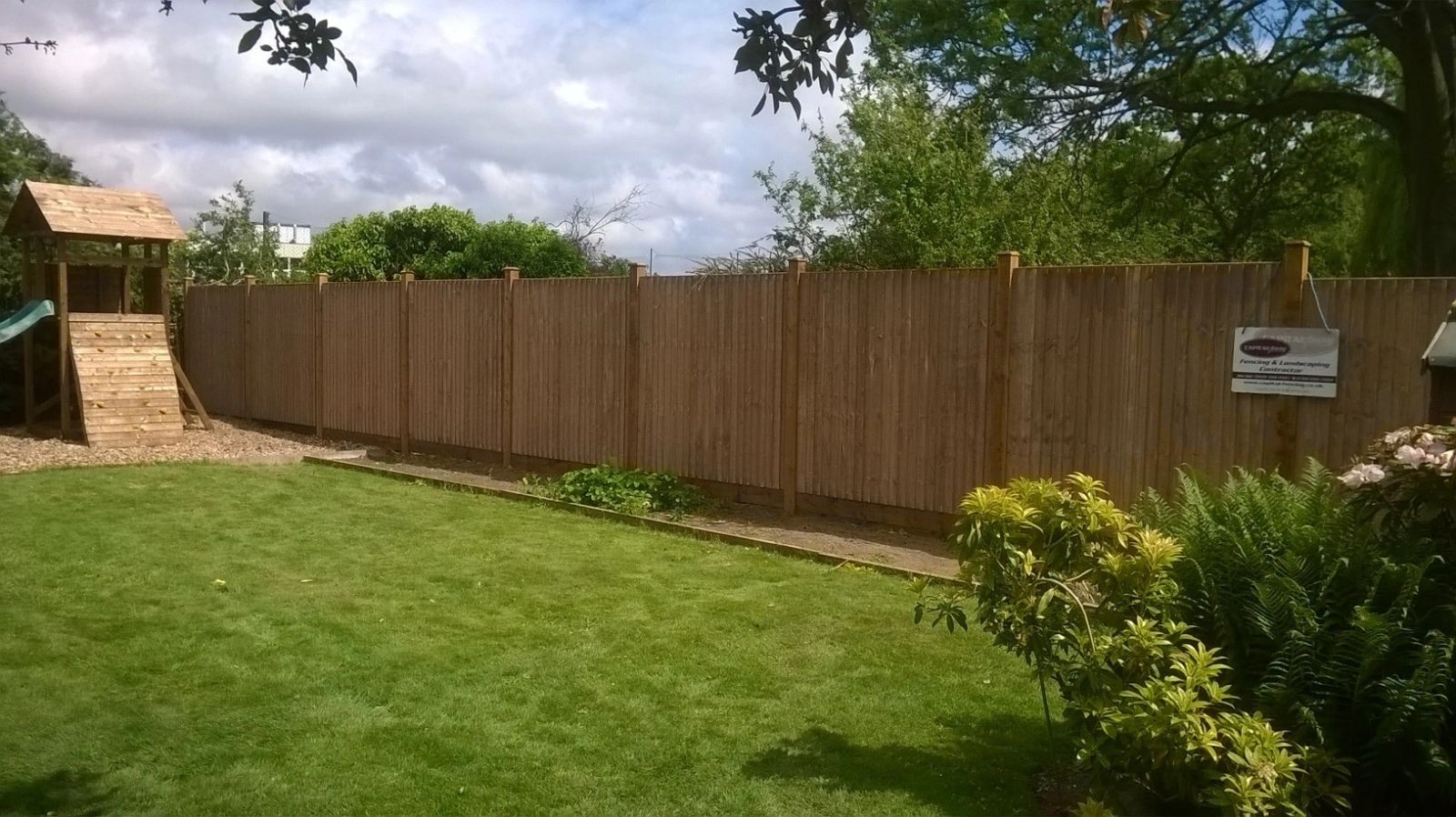
closeboard fence run installed by Capital Fencing in St Albans (AL1)
St Albans · AL1 / AL2 / AL3 / AL4

Landlord Fencing in St Albans — Built for tenancy turnaround windows and inventory sign-off

Landlord-grade fencing in St Albans is one of our regular briefs — buy-to-let owners and letting agents needing durable boundaries between tenancies. On victorian terraces with mature gardens, the failure mode we see most often is the one we design out first. Roads such as London Road and Sandpit Lane are typical of the local layout. St Albans City station is a useful local reference point. Marshalswick and Jersey Farm, on the town's outer edge, sit outside the conservation areas and were developed as twentieth-century suburbs with more standard plot layouts.

Landlord-grade fencing in St Albans is one of our regular briefs — buy-to-let owners and letting agents needing durable boundaries between tenancies. On victorian terraces with mature gardens, the failure mode we see most often is the one we design out first. Roads such as London Road and Sandpit Lane are typical of the local layout. St Albans City station is a useful local reference point. Marshalswick and Jersey Farm, on the town's outer edge, sit outside the conservation areas and were developed as twentieth-century suburbs with more standard plot layouts.

Why this spec, for buy-to-let owners and letting agents

  • individual boards or single panels can be swapped without touching the whole run
  • concrete posts and gravel boards keep the ground contact off the timber — that's where landlord fences usually fail
  • one crew, one price sheet across multiple properties — inventory-friendly for portfolio owners

Typical landlord-grade fencing briefs in St Albans

  • matched fencing across three or four adjacent rental plots owned by one landlord
  • boundary run replaced between two tenancies inside a single working week
Default spec

How we build landlord-grade fencing in St Albans

6ft closeboard on concrete posts with gravel boards, mid-rail capped, softwood side gate with padlock hasp. On St Albans jobs we adjust for extensive conservation areas mean fence heights and materials need to match the streetscape.

Property mix locally: Victorian terraces, Edwardian villas in Marshalswick, and Tudor / Georgian properties near the cathedral. Typical gardens: mature gardens, often with established hedging that needs lifting before fencing goes in. Postcodes we regularly service: AL1, AL2, AL3, AL4.

we bill via one purchase order across a portfolio, provide before/after photos for the inventory clerk, and can be on and off site inside a tenancy void.

What goes wrong

Common failure modes on landlord-grade fencing

  • cheapest lap panels racking in wind because posts were shallow — we always concrete to 600mm minimum on landlord work
  • using bare softwood posts on ground contact — three winters and they're gone

Landlord Fencing FAQs — St Albans

Can before-and-after photos be provided for the inventory?

On landlord-grade fencing jobs in St Albans (AL1), our default answer is: 6ft closeboard on concrete posts with gravel boards, mid-rail capped, softwood side gate with padlock hasp. The honest trade-off is cheapest lap panels racking in wind because posts were shallow — we always concrete to 600mm minimum on landlord work — which is exactly what our default spec designs out.

Can you turn a rental boundary around between tenancies?

Across St Albans we spec around extensive conservation areas mean fence heights and materials need to match the streetscape, so on landlord-grade fencing that usually means pressure-treated closeboard on concrete posts. For context: concrete posts and gravel boards keep the ground contact off the timber — that's where landlord fences usually fail. One crew, one price sheet, before-and-after photos as standard.

Do you invoice per property or per portfolio?

St Albans City and District coverage means we can survey most AL1 addresses inside a week — buy-to-let owners and letting agents needing durable boundaries between tenancies. The honest trade-off is cheapest lap panels racking in wind because posts were shallow — we always concrete to 600mm minimum on landlord work — which is exactly what our default spec designs out.

Can you match existing fencing across neighbouring rental plots?

Practically: boundary run replaced between two tenancies inside a single working week. That's the St Albans version of this job, not a generic one. For context: concrete posts and gravel boards keep the ground contact off the timber — that's where landlord fences usually fail. One crew, one price sheet, before-and-after photos as standard.

Who owns the fence — landlord or neighbour — and does it matter to the quote?

On landlord-grade fencing jobs in St Albans (AL1), our default answer is: 6ft closeboard on concrete posts with gravel boards, mid-rail capped, softwood side gate with padlock hasp. For context: concrete posts and gravel boards keep the ground contact off the timber — that's where landlord fences usually fail. One crew, one price sheet, before-and-after photos as standard.

Recent landlord fencing work
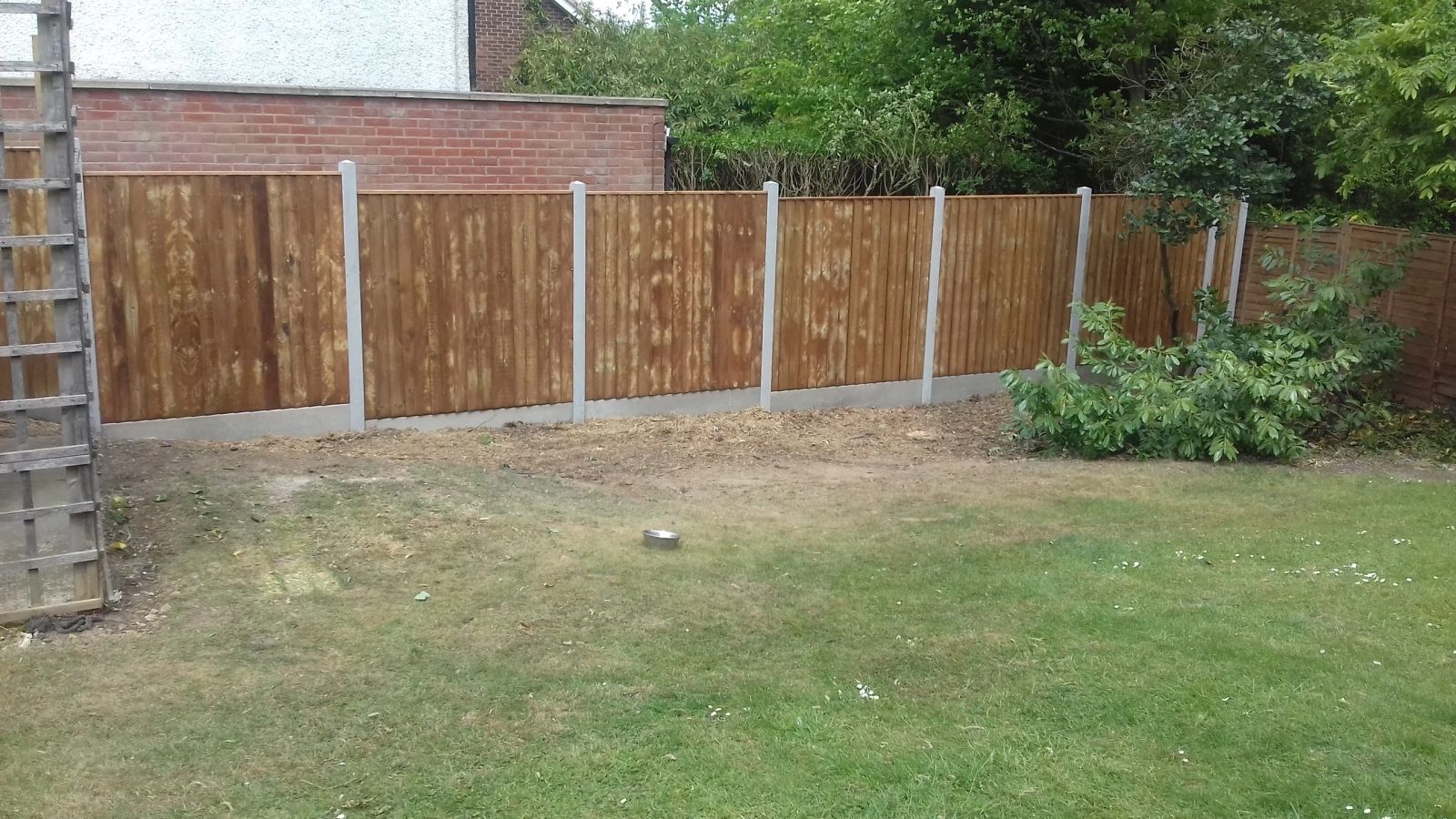
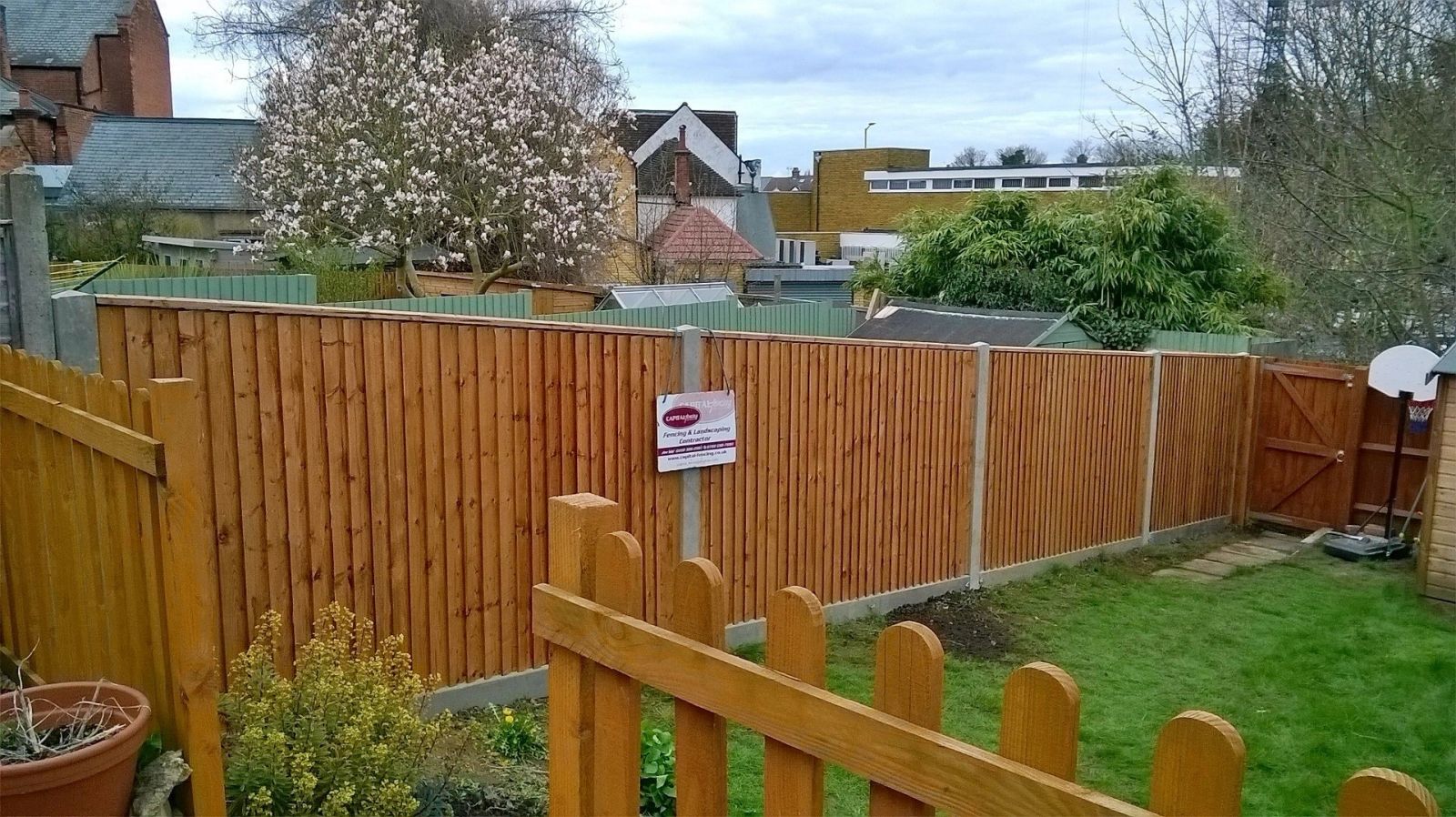
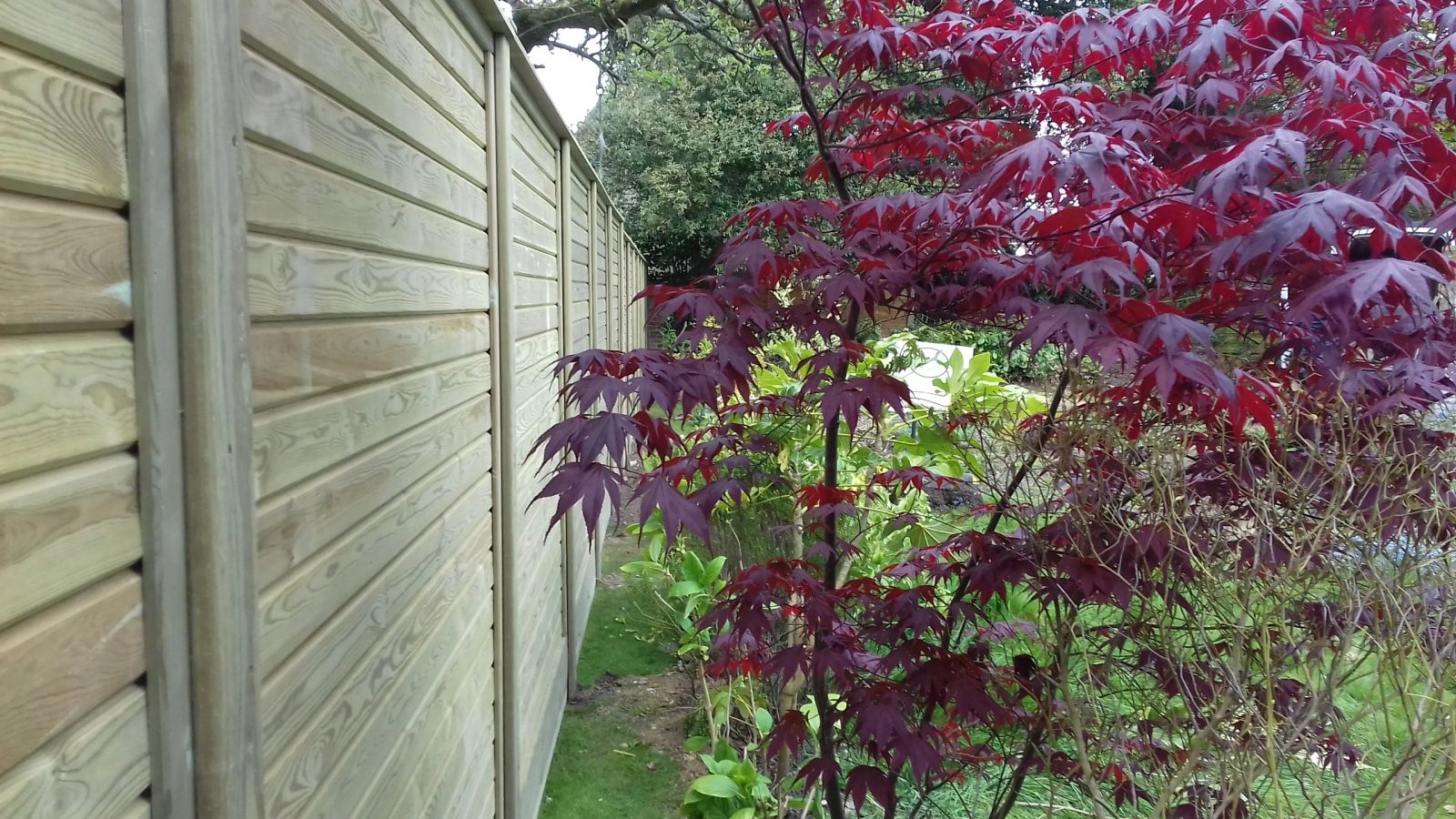
closeboard fence run installed by Capital Fencing in St Albans (AL1)panel fence install installed by Capital Fencing in St Albans (AL1)trellis-topped fence installed by Capital Fencing in St Albans (AL1)bespoke decorative fence installed by Capital Fencing in St Albans (AL1)

Site notes: landlord fencing in AL1

Resetting versus replacing a post

A post repair is either a reset in fresh concrete where the timber itself is sound, a concrete spur bolted above a rotten section where enough good timber remains, or a full replacement where rot has reached the panel fixings.

We test each post on site with a probe at ground level rather than deciding from a visual check alone, since a post can look fine above ground and be rotten just below it.

Maintenance that prevents the next repair

Most repairs we're called out for could have been caught earlier with a simple seasonal check — a post that's started to lean, a gravel board showing early rot, or a hinge that's begun to sag are all cheaper to address before they fail outright.

We'll flag anything else on the boundary that looks like it's heading the same way while we're on site for an unrelated repair.

Fallen branch impact damage

A falling branch typically damages a localised section — one or two panels and sometimes the post beneath the point of impact — rather than the whole run, so repair can usually be confined to the affected bay.

The bays either side are still worth checking, since the same impact can rack a neighbouring post even where the panel there shows no visible damage.

Sliding versus swing gate security

A sliding gate needs a clear track run alongside the opening and doesn't sweep into the site, which suits a tight yard or a gate that has to sit flush with a boundary wall; a swing gate needs clearance to open but is generally simpler to fix and repair.

For security, a sliding gate is harder to force from a stationary position because the load runs along a track rather than through a single hinge post, but its track and rollers need regular clearing to keep operating.

Gate swing clearance where a dropped kerb serves vehicle access

A security gate installed behind a dropped kerb needs enough setback from the highway boundary that an opening gate leaf never swings into the public footway or carriageway, which local authorities generally require as a condition of the dropped kerb itself.

A sliding gate avoids this swing clearance problem entirely and is often the preferred choice where the plot is shallow, though it needs a clear running track free of obstruction along its full travel length.

Gate hardware for a deck-level opening

A gate set into a deck balustrade, for example at the top of external steps or beside a pool, benefits from a self-closing hinge and childproof latch in the same way a pool or driveway gate would, particularly where there's a fall risk beyond it.

Hardware exposed to full weather on an open deck needs the same corrosion-resistant fixings as an exterior fence gate, since a deck gate often sees more direct rain and UV exposure than a gate tucked against a house wall.

The gate frame needs bracing consistent with the balustrade posts either side of it, since a lightweight infill gate hung between two structural posts is only as safe as its own resistance to being pushed or leant on.

Trellis wind load as a failure cause

A solid-backed trellis, sometimes fitted with climbers trained across it, catches significantly more wind than an open lattice design, and that extra load is transferred straight into the post below it.

Where a trellis topper keeps failing on an exposed run, switching to a more open lattice pattern reduces the load rather than simply refitting the same design each time.

Reinstating turf strips damaged by tool storage

A pile of tools, offcuts or a mixing tray left in one spot on a lawn for several days can leave a yellowed, compacted patch even after the job is finished and everything is cleared away.

Moving stored items to a slightly different spot every day or two, where the site allows, spreads that pressure rather than concentrating it in a single dead patch that then needs separate attention to recover.

Where a genuinely fixed storage point is unavoidable, laying a board or matting underneath from the start protects the grass far more effectively than trying to revive a flattened patch afterwards.

Measuring height from natural ground level

Permitted development height limits are measured from the natural ground level on the lower side of the boundary, not from any raised bed, deck or hardstanding that's been added since, which matters wherever one side of a plot has been built up.

On a level change between neighbouring gardens, the higher ground effectively gives that side a taller fence relative to the lower garden even though the fence itself is a uniform height along its top rail.

Councils measuring a disputed fence will normally use the original survey level or historic photos where the ground has since been altered, so changing levels doesn't retrospectively legalise an over-height fence.

Windbreak netting as an interim exposure measure

On a newly exposed plot, such as after a neighbouring hedge or building is removed, temporary windbreak netting fixed to the existing fence can reduce load on the structure while a longer-term solution like replanting or upgrading the fence itself is arranged.

This is a genuinely useful stop-gap rather than a permanent fix, since netting left up long-term degrades in UV and adds its own wind resistance once it starts to fray and catch more air than when new.

It buys time to plan a proper specification change rather than leaving a suddenly-exposed fence to fail before a permanent upgrade can be arranged.

Embodied carbon in timber versus composite materials

Timber sequesters carbon as it grows and, if sourced from a well-managed forest, typically carries a lower embodied carbon footprint through manufacture than composite products that incorporate manufactured polymer alongside recycled wood fibre.

Composite products often use recycled plastic content, which offsets some of their footprint by diverting material from landfill, but the manufacturing energy involved in producing the composite board itself is generally higher than sawing and treating solid timber.

Comparing the two fairly also needs to account for service life, since a material lasting genuinely longer before replacement can offset a higher manufacturing footprint over the full life of the fence.

Gate frame timber sizes by width

A gate frame's timber section needs to increase with the width of the opening, since a wider gate has more leverage acting on the hinge side and more unsupported span across the middle before diagonal bracing is added.

A narrow single pedestrian gate can often use a modest frame section, while a wide double-leaf driveway gate needs substantially heavier stiles and rails plus a diagonal brace to stop it dropping or racking out of square at the latch side.

Bracing should run from the top of the hinge side down to the bottom of the latch side, in the direction that actually resists the gate's tendency to sag, not simply corner to corner for appearance.

Western red cedar characteristics

Western red cedar contains natural oils and extractives that give it decay and insect resistance without chemical treatment, which is why it's often left untreated and allowed to silver naturally over time rather than stained.

It's considerably lighter and softer than most fencing softwoods, which makes it easier to work but also more prone to surface denting and scuffing during handling and fitting.

Because it's naturally durable rather than pressure-treated, cedar doesn't carry the green or brown tint of treated softwood, and any colour change over its life comes from UV exposure rather than a fading dye.

Ring-shank versus smooth nails

Ring-shank nails have a series of raised rings machined into the shank, which bite into surrounding timber fibres as they're driven and resist being pulled back out far more effectively than a plain smooth shank.

That extra grip matters on fencing components subject to repeated movement from wind load, such as feather-edge boards on rails, where smooth nails can gradually work loose over several seasons of flexing.

The trade-off is that ring-shank nails are harder to remove cleanly for repairs, often splitting the timber around them rather than sliding out, whereas smooth nails can usually be levered free without damaging the board.

Pressure treatment and incising

Pressure treatment (vacuum-pressure impregnation) forces preservative into the timber under pressure rather than just coating the surface, which is why treated softwood outperforms a surface-brushed equivalent even though both can look similar when new.

Denser softwoods such as redwood resist deep penetration, so posts and other high-risk sections are often incised first — small slits cut into the surface — to let preservative reach further into the timber than it otherwise would.

Incising leaves a visible pattern of shallow cuts on the timber face, which is a normal sign of proper treatment rather than a defect, though it's more noticeable on posts than on finish-grade boards.

Sizing a driveway gate

A single driveway gate needs enough swing clearance to open fully without catching a kerb, a parked car, or a slope in the drive itself, which is worth checking with a tape measure rather than assuming a standard width will fit.

Double gates spread the load and swing arc across two leaves, which suits wider openings and reduces the strain on any one hinge post, but need a solid centre stop or drop bolt so the leaves meet cleanly and don't rack under wind load.

Automation, if it's wanted, changes the gate's structural requirements too — motorised gates need a rigid, properly braced frame and adequate foundations for the motor mounts, which is worth specifying before the gate is built rather than retrofitting later.

Frost effects on curing concrete

Concrete that freezes before it has gained enough initial strength can suffer permanent damage — the water within it expands as ice, disrupting the matrix before it sets properly, leaving a weaker base than the mix should give.

Fast-setting post-fix concretes generate some heat as they cure and are more frost-tolerant than a standard wet mix, which is one reason they're the practical choice for winter installations.

Where a hard frost is forecast within the first 24 hours of a pour, delaying the job or insulating the base overnight is usually cheaper than replacing a post that's failed at the concrete collar the following year.

Inspecting welded joints on mesh panel frames

A welded mesh panel's frame corners are a common early failure point under repeated wind loading or impact, since a poor weld can crack internally while still looking intact from the outside until the joint finally gives way.

A visual check for hairline cracking, rust bleeding from a joint, or slight movement when the frame corner is pushed by hand can catch a failing weld before the panel actually comes loose from its post.

Fixing a post that has rotated in its concrete base

A post can twist within a slightly oversized or cracked footing without leaning, so the panels either side pull out of square even though the post still stands upright, which is easy to miss on a quick visual check.

Repair means breaking out enough concrete to free the post, resetting it square to the run, and packing and re-pouring rather than trying to twist it back while still gripped by the old footing.

Being clear about what a repair does and doesn't cover

A repair addresses the specific failure identified at survey, and it's worth being explicit with the client about what wasn't included, particularly where a run has other sections showing early signs of the same problem.

Setting that expectation at the point of agreeing the work avoids confusion later if an unrelated section of the same boundary fails independently.

Landlord and void-period turnarounds

Boundary repairs between tenancies are usually driven by a tight void period, where the priority is a straightforward, durable, easy-to-maintain spec rather than a bespoke design, since the landlord isn't the one living behind it.

Standard panel heights and widely-available materials also matter here, because a future repair after another tenant needs to match without a special order or long lead time.

Where several rental properties share the same landlord or managing agent, batching repairs across more than one property in the same visit is often the most efficient way to keep void periods short.

Aligning mortices for arris rails between posts

Concrete posts with pre-formed mortice slots fix the height of each arris rail at manufacture, so the posts themselves have to be set at consistent heights and spacing for the rails to run in level without twisting.

Timber posts morticed on site give more flexibility to adjust rail height locally, but the mortice needs cutting square and to a consistent depth so the rail seats fully rather than sitting proud and under strain.

A rail forced into a mortice that's slightly too shallow or misaligned puts ongoing stress on the joint, which is a common cause of a joint splitting within the first year even though the timber itself is sound.

Whether the brief is boundary run replaced between two tenancies inside a single working week or matched fencing across three or four adjacent rental plots owned by one landlord, we quote it from a site visit, not a photo. St Albans is inside our core working patch and most jobs are booked in inside a fortnight. Roads such as London Road and Beaconsfield Road are typical of the local layout. Verulamium Park is a useful local reference point. Marshalswick and Jersey Farm, on the town's outer edge, sit outside the conservation areas and were developed as twentieth-century suburbs with more standard plot layouts.

Get In Touch

Get My Free Quote — 24h Response

No callout fee · Free site visit · Friendly local team covering London & Hertfordshire.

Call us
07885907880
or 02036484746
Email
capital_fencing@yahoo.com
WhatsApp
Message us anytime
Area
London & Hertfordshire
Payment
Card payments accepted

Pay by debit or credit card, bank transfer or cash once the work and price are agreed. No deposit taken online.

Request a Free Quote

We'll get back to you within 24 hours.

Free Site Visit No Callout Fee
Call WhatsAppQuote