London & Hertfordshire Free Site Visit
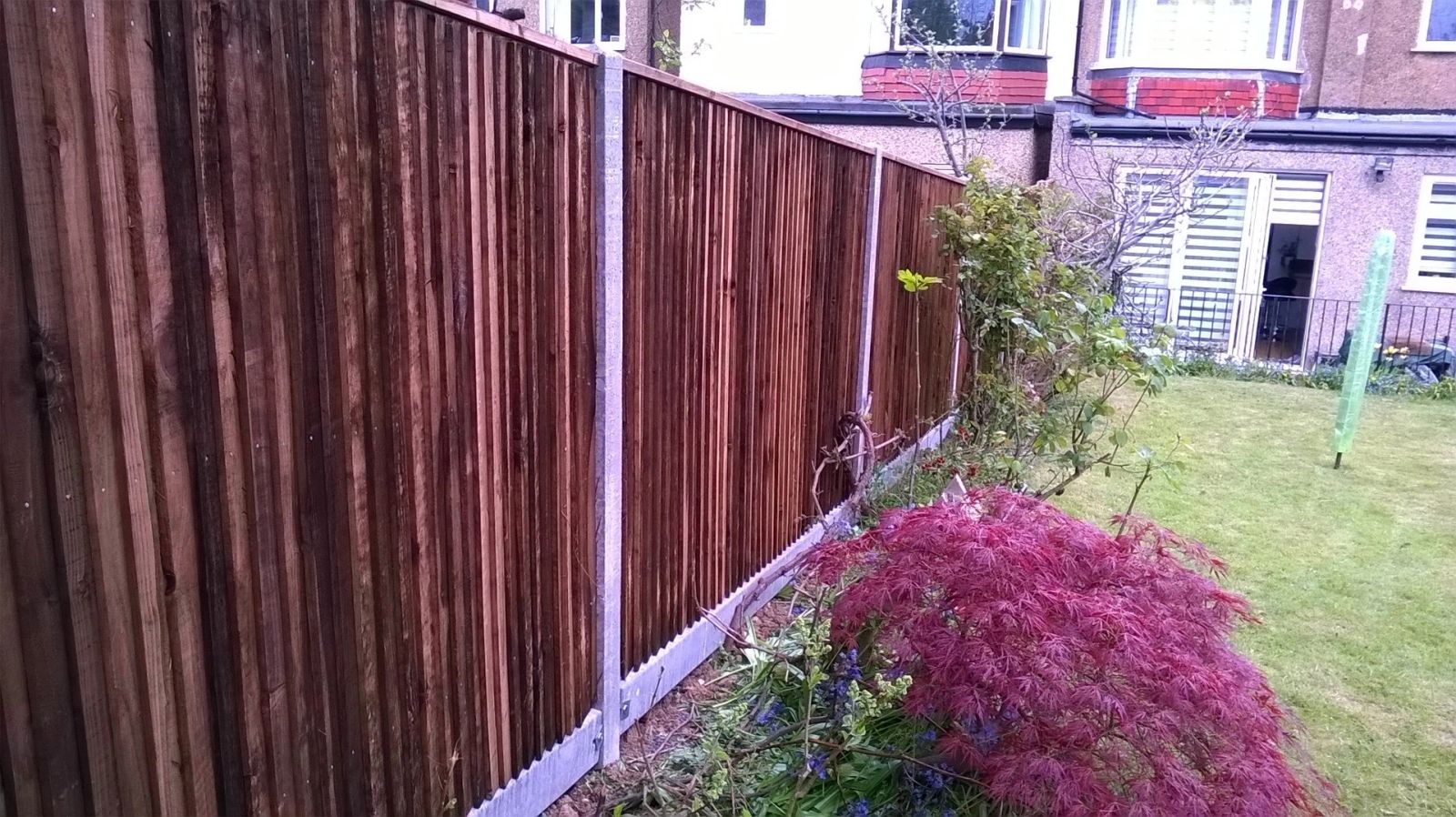
closeboard fence run installed by Capital Fencing in Barnet (EN5)
Barnet · EN5 / N20

Local landlord-grade fencing specialist covering Barnet & new barnet

Landlord-grade fencing in Barnet is one of our regular briefs — buy-to-let owners and letting agents needing durable boundaries between tenancies. On victorian terraces with narrow rear gardens with mature trees and London clay underfoot, the failure mode we see most often is the one we design out first. Roads such as Hadley Green Road and Calvert Road are typical of the local layout. Old Court House Recreation Ground is a useful local reference point. The Victorian terraces off Wood Street back onto mature street trees protected by the council.

Landlord-grade fencing in Barnet is one of our regular briefs — buy-to-let owners and letting agents needing durable boundaries between tenancies. On victorian terraces with narrow rear gardens with mature trees and London clay underfoot, the failure mode we see most often is the one we design out first. Roads such as Hadley Green Road and Calvert Road are typical of the local layout. Old Court House Recreation Ground is a useful local reference point. The Victorian terraces off Wood Street back onto mature street trees protected by the council.

What goes wrong

Common failure modes on landlord-grade fencing

  • cheapest lap panels racking in wind because posts were shallow — we always concrete to 600mm minimum on landlord work
  • using bare softwood posts on ground contact — three winters and they're gone
Default spec

How we build landlord-grade fencing in Barnet

6ft closeboard on concrete posts with gravel boards, mid-rail capped, softwood side gate with padlock hasp. On Barnet jobs we adjust for shared-boundary disputes are common on the older terraced streets, so neat post lines and clear ownership marks matter.

Property mix locally: Victorian terraces, post-war semis and a band of larger Edwardian villas around Hadley Green. Typical gardens: narrow rear gardens with mature trees and London clay underfoot. Postcodes we regularly service: EN5, N20.

we bill via one purchase order across a portfolio, provide before/after photos for the inventory clerk, and can be on and off site inside a tenancy void.

Why this spec, for buy-to-let owners and letting agents

  • individual boards or single panels can be swapped without touching the whole run
  • concrete posts and gravel boards keep the ground contact off the timber — that's where landlord fences usually fail
  • one crew, one price sheet across multiple properties — inventory-friendly for portfolio owners

Typical landlord-grade fencing briefs in Barnet

  • cheapest defensible spec that will still stand up to the next storm and inventory
  • matched fencing across three or four adjacent rental plots owned by one landlord

Landlord Fencing FAQs — Barnet

Do you invoice per property or per portfolio?

On landlord-grade fencing jobs in Barnet (EN5), our default answer is: 6ft closeboard on concrete posts with gravel boards, mid-rail capped, softwood side gate with padlock hasp. We bill via one purchase order across a portfolio, provide before/after photos for the inventory clerk, and can be on and off site inside a tenancy void.

Who owns the fence — landlord or neighbour — and does it matter to the quote?

Across Barnet we spec around shared-boundary disputes are common on the older terraced streets, so neat post lines and clear ownership marks matter, so on landlord-grade fencing that usually means pressure-treated closeboard on concrete posts. The honest trade-off is cheapest lap panels racking in wind because posts were shallow — we always concrete to 600mm minimum on landlord work — which is exactly what our default spec designs out.

Can before-and-after photos be provided for the inventory?

Barnet coverage means we can survey most EN5 addresses inside a week — buy-to-let owners and letting agents needing durable boundaries between tenancies. We bill via one purchase order across a portfolio, provide before/after photos for the inventory clerk, and can be on and off site inside a tenancy void.

Can you turn a rental boundary around between tenancies?

Practically: boundary run replaced between two tenancies inside a single working week. That's the Barnet version of this job, not a generic one. We bill via one purchase order across a portfolio, provide before/after photos for the inventory clerk, and can be on and off site inside a tenancy void.

Can you match existing fencing across neighbouring rental plots?

On landlord-grade fencing jobs in Barnet (EN5), our default answer is: 6ft closeboard on concrete posts with gravel boards, mid-rail capped, softwood side gate with padlock hasp. For context: concrete posts and gravel boards keep the ground contact off the timber — that's where landlord fences usually fail. One crew, one price sheet, before-and-after photos as standard.

Recent landlord fencing work
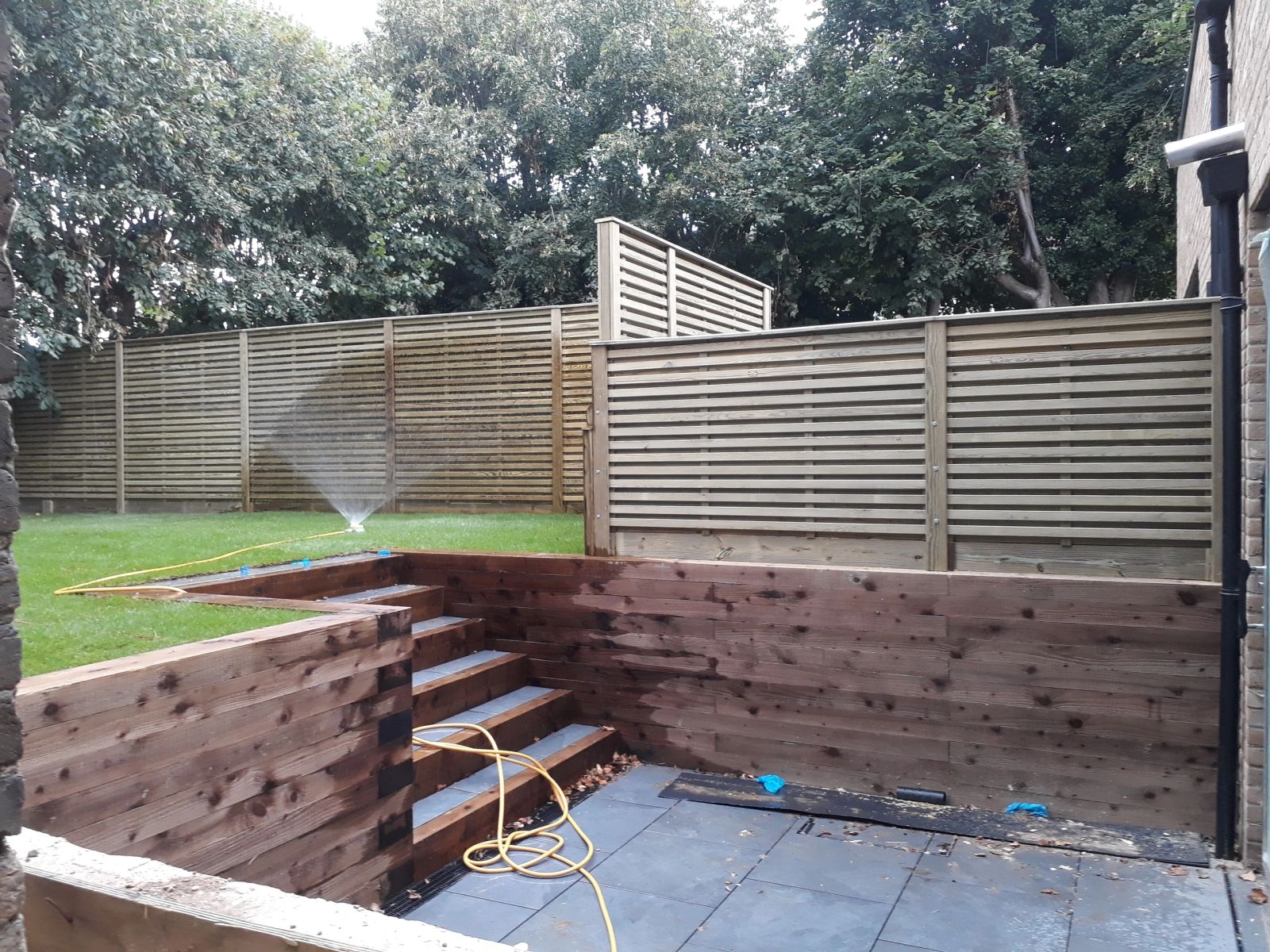
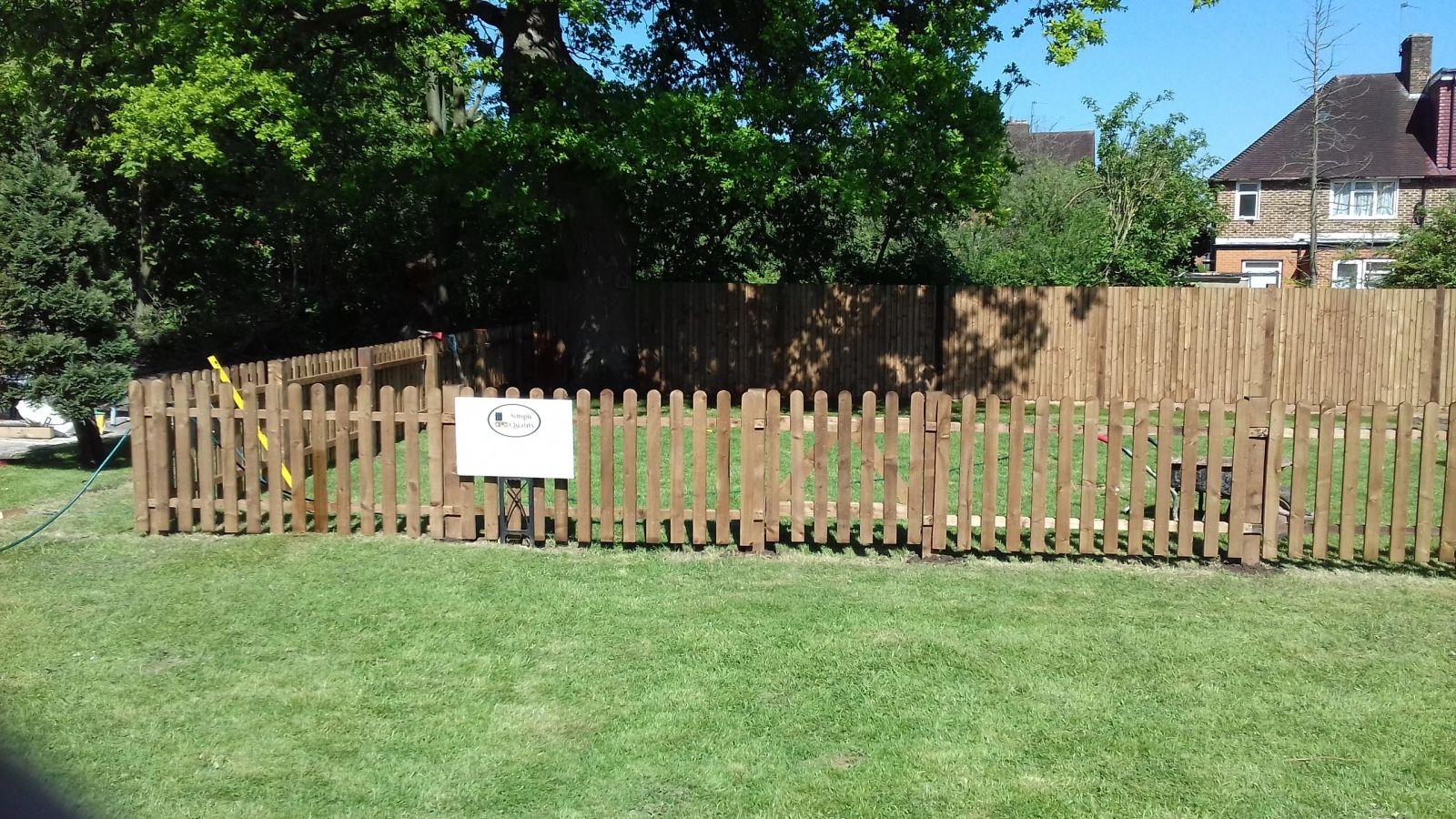
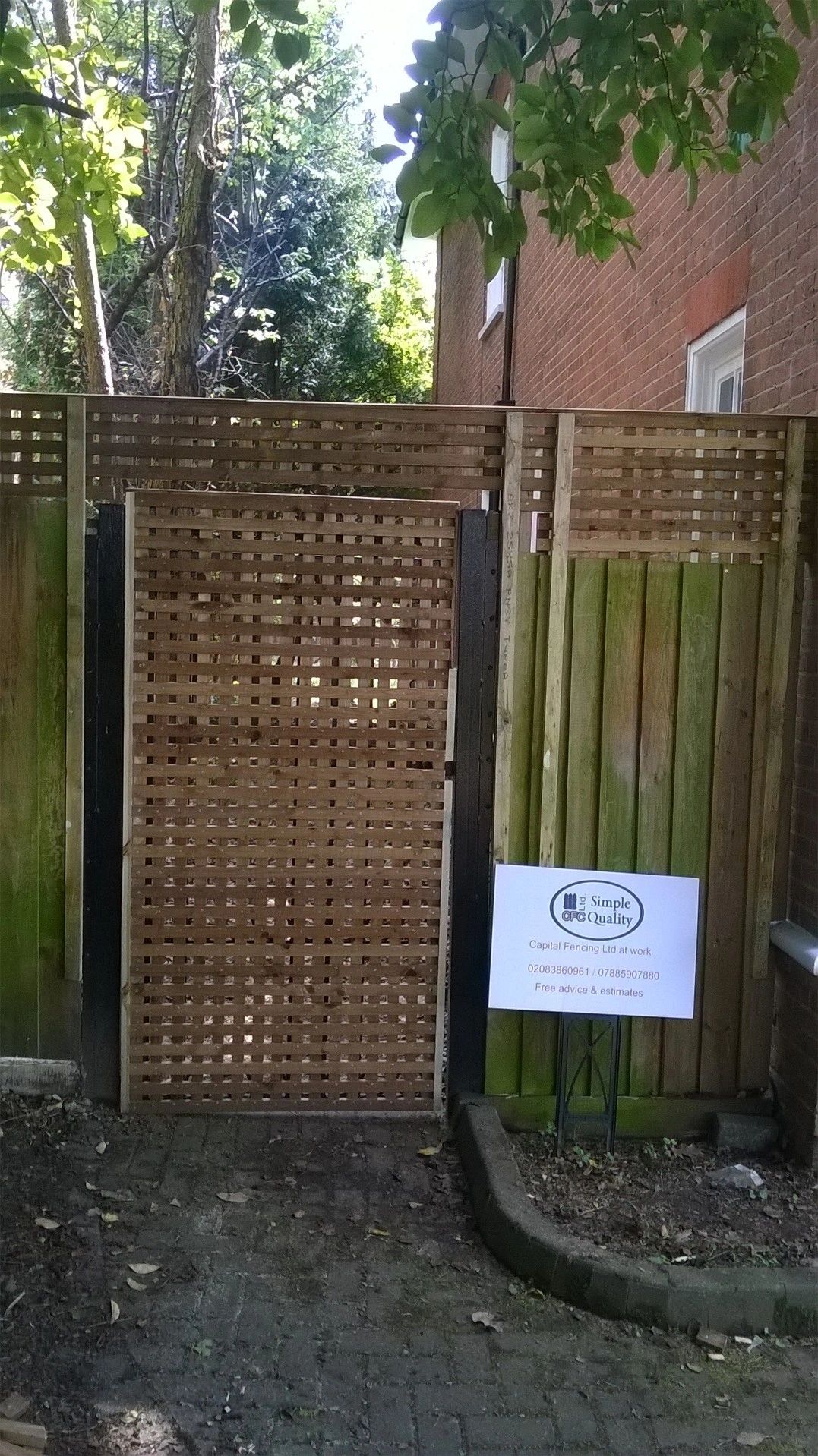
closeboard fence run installed by Capital Fencing in Barnet (EN5)panel fence install installed by Capital Fencing in Barnet (EN5)trellis-topped fence installed by Capital Fencing in Barnet (EN5)bespoke decorative fence installed by Capital Fencing in Barnet (EN5)

Local considerations across Barnet and new barnet

Simple maintenance that prevents gate failure

Checking hinge screws are still tight and that the gate still closes flush against the frame once or twice a year catches the early stages of sag before it becomes a full repair job.

A gate that's starting to catch on the ground is far cheaper to fix at that stage than after the frame has racked further out of square.

How a security job is sequenced

Work generally runs boundary-first — posts and the main line go in before gates, so gate openings are set against a fixed, already-concreted frame rather than guessed at in advance.

On a longer commercial perimeter the line is broken into manageable sections so part of the site can stay secure while another part is being worked on.

BS 1722 and palisade fencing specification

BS 1722 covers dimensions, materials and fixing details for various fence types including steel palisade, and specifying to a named part of the standard gives a common reference point between client, contractor and any approving body rather than relying on informal descriptions of height and gauge.

Referencing the standard doesn't remove the need for site-specific judgement on threat level, but it does establish a baseline for pale gauge, post spacing and fixing that a site-specific spec can then be built up from.

Checking planning conditions before repairing a boundary near a listed building

A fence adjoining or visible from a listed building can be subject to planning conditions that affect even a like-for-like repair, particularly if the fence itself is considered part of the setting or curtilage.

Where that applies, it's worth confirming what's actually restricted before starting work, since some conditions only affect changes in height, material or appearance rather than a straightforward repair that keeps the fence as it was.

Scribing a gravel board to uneven ground

Ground level rarely runs perfectly straight between two posts, so a gravel board cut square often leaves a gap under one end and digs into the ground at the other unless it's scribed to follow the actual contour.

Scribing means holding the board in position, marking the ground profile onto its face, and cutting along that line so the board's bottom edge follows the undulation rather than an assumed flat datum.

On concrete gravel boards this isn't possible after casting, so uneven ground either needs the board bedded on a shaped mortar bed or a timber board used instead where the ground profile is particularly irregular.

Waste carrier duty of care for site waste

Anyone removing fencing, decking or building waste from a client's property in the course of business needs to be a registered waste carrier with the Environment Agency, and should be able to provide a waste transfer note showing where the material was taken.

Treated timber, in particular, is classed differently to plain untreated offcuts and generally can't simply go on a bonfire or into general household waste, since some older preservatives fall under hazardous waste rules.

Asking a contractor for their waste carrier registration number and a transfer note isn't excessive caution — the householder can be liable if waste is later found fly-tipped and traced back to the job.

Waste carrier duty of care for old fencing

Under the Environmental Protection Act 1990, anyone arranging removal of construction waste such as old fence panels and posts has a 'duty of care' to ensure it's handled by a registered waste carrier.

Asking to see a waste carrier's registration number, and requesting a waste transfer note for larger quantities, is a reasonable and legitimate request rather than an unusual one.

Householders can be held responsible if waste from their property is later found fly-tipped, even where they paid someone else to take it away, which is why checking credentials matters.

Discontinued panel styles

Panel fencing ranges get discontinued or reformulated by manufacturers more often than solid boarded fencing components, since panels are a proprietary product rather than built from generic stock timber sizes.

A ten- or fifteen-year-old panel range is often simply no longer made, which means a single damaged panel in an otherwise sound run may need the whole run replaced, or a mismatched panel accepted as a compromise.

Closeboard and picket fencing, built from standard boards, rails and posts rather than a proprietary panel, are generally easier to repair piecemeal decades later precisely because the components aren't tied to one manufacturer's product cycle.

Boundary treatments in a conservation area

Being inside a conservation area doesn't automatically ban garden fencing, but many councils apply an Article 4 direction locally that removes some permitted development rights, meaning even modest boundary changes may need planning permission.

Where this applies, guidance often favours traditional materials and finishes that suit the area's character over modern composite or brightly coloured alternatives.

The only reliable way to know what applies to a specific property is to check with the local planning authority, since conservation area rules vary considerably between councils.

Bitumen paint on buried post bases

A bitumen-based coating applied to the section of a timber post that will sit below ground adds an additional moisture barrier on top of factory preservative treatment, aimed specifically at the zone in most sustained contact with damp soil.

It's a supplementary measure rather than a substitute for proper preservative treatment, since bitumen coating alone doesn't address fungal decay resistance the way a biocide-based preservative does.

The coating is usually stopped a short distance below the eventual ground line, since bitumen exposed to UV above ground degrades and can look unsightly, whereas below ground it's protected from sunlight entirely.

Disposing of rotten timber and green waste from a repair

Rotten fence timber is general waste rather than green waste, and larger quantities from a full-run repair usually need a licensed waste carrier or a permitted tip run rather than a domestic green bin, which only takes garden material.

Treated timber in particular shouldn't be burned on site, since older treatments can contain preservatives that produce harmful smoke, so timber waste from a repair should be taken away rather than disposed of on the plot.

A boundary at the bottom of a slope

A fence line at the foot of a slope collects both surface run-off and, on clay, a slower seepage of water moving through the ground itself, so the ground here is often wetter and softer than the rest of the plot.

Post bases in this position benefit from a raised free-draining collar rather than concrete flush with the surrounding grade, keeping standing water away from the timber-to-concrete joint.

It's also worth checking whether the fence itself is inadvertently damming water that would otherwise continue draining downhill off the plot entirely.

Round post versus square-sawn post sections

A round, or half-round, post retains more of the log's original strength-giving fibre continuity around its circumference than a square-sawn post cut from the same log, since sawing removes material and can cut across some outer fibres.

Square-sawn posts are easier to fix panels and brackets to flush, since flat faces align with flat rail ends, whereas round posts often need a notched or curved bracket to seat components securely.

Round fencing stock is more common in agricultural post-and-rail and stock fencing where raw strength per log matters most, while square-sawn posts dominate garden and boundary fencing where flush fixing detail matters more.

Opening size tolerance for a new gate

A new gate needs to be built slightly narrower than the measured opening to allow clearance for hinges, swing and seasonal timber movement, and getting this tolerance wrong either leaves a gate that binds in wet weather or one with an unacceptably large gap either side.

The right tolerance also depends on the hinge type specified, since a hinge that sits proud of the post face takes up more of that clearance than a flush-fitting type.

Schools and nurseries

Boundary fencing around a school or nursery has a safeguarding function as well as a security one — height, anti-climb detailing and gate self-closing mechanisms are usually specified to stop children leaving unsupervised as much as to keep intruders out.

Work on an occupied site needs to be sequenced around the school day, with noisy or access-blocking tasks scheduled for after hours, weekends or holiday periods rather than during term-time drop-off and pick-up.

Any gaps at ground level under a boundary fence matter more here than on a typical domestic job, since a small child can get through a gap an adult wouldn't notice.

Sleeper thresholds beneath field and driveway gates

A timber or concrete sleeper set into the ground beneath a wide field or driveway gate gives the gate's bottom edge a firm, level reference to close against, preventing the bottom rail from dropping into soft or rutted ground over time.

This detail is particularly useful on unsurfaced openings where the ground either side of the gate sees regular vehicle or livestock traffic and would otherwise rut unevenly.

Outbuildings casting permanent shade onto a fence run

A shed, greenhouse or garage built close to a boundary casts a fixed shadow over part of the adjoining fence run for some or all of the day, creating the same slower-drying conditions as a north-facing aspect regardless of the fence's actual orientation.

This localised shading is easy to overlook when assessing a whole boundary's exposure, since the rest of the run a few metres away may be in full sun.

It's worth treating the shaded section as its own microclimate for treatment and inspection purposes rather than assuming uniform conditions along the full length.

Adjusting post heights when repairing a fence on sloping ground

A fence stepped down a slope has posts of varying heights above ground even though the panels themselves are a standard size, and a repaired post needs to match the stepped height of its neighbours rather than a single standard measurement.

Getting this wrong on a repair creates a visible kink in the top line of an otherwise consistent stepped run, so measuring the actual height of the posts either side of the repair matters more here than on a level run.

What aftercare actually covers

A written warranty on fencing, gates or decking should say clearly what's covered — usually workmanship and post stability — versus what naturally weathers over time, like colour fade or minor timber checking, which isn't a defect.

It's worth asking what happens if a panel is damaged by a storm or a fallen branch, since that's typically outside a workmanship warranty and may be a buildings insurance matter instead.

Keeping the original quote, spec sheet and any photos from the day of installation makes any future warranty conversation faster, since it confirms exactly what was fitted and to what standard.

Gate stops and end buffers

An end stop or buffer at the fully open and fully closed positions of a sliding gate prevents the leaf running off the end of its track or slamming into a post, and a missing or worn buffer is a common cause of impact damage over time.

Checking and replacing worn buffers is a low-cost part of a sliding gate service that prevents more expensive frame damage.

The highway 1m rule in practice

The 1m permitted development limit applies to any boundary that fronts a highway used by vehicular traffic, which in practice includes most adopted roads and many unadopted estate roads that carry regular car use, not just classified A and B roads.

A footpath-only right of way at the front of a plot doesn't trigger the lower limit on its own, but councils interpret 'used by vehicles' broadly, so a shared driveway serving several houses usually counts.

Where it's unclear, checking with the local planning authority before building is cheaper than a retrospective application after a 1.8m fence goes up on what turns out to be a vehicular frontage.

Disposing of broken-out concrete footings

Broken-out concrete from an old post footing is inert waste and can generally go to a construction and demolition waste facility, but it still needs removing from site rather than left buried or piled at the back of a garden.

On a job with several posts being reset, the volume of broken concrete adds up quickly, and planning where it's going before the repair starts avoids it sitting as a hazard or an eyesore on site for longer than necessary.

Buy-to-let owners and letting agents needing durable boundaries between tenancies — that's who this page is for. In Barnet and out to Barnet, we run the landlord-grade fencing spec that survives shared-boundary disputes are common on the older terraced streets, so neat post lines and clear ownership marks matter. Roads such as Stapylton Road and Salisbury Road are typical of the local layout. High Barnet station is a useful local reference point. Chipping Barnet's medieval plot lines mean the town's boundaries are rarely square, a legacy of the original burgage plots.

Get In Touch

Get My Free Quote — 24h Response

No callout fee · Free site visit · Friendly local team covering London & Hertfordshire.

Call us
07885907880
or 02036484746
Email
capital_fencing@yahoo.com
WhatsApp
Message us anytime
Area
London & Hertfordshire
Payment
Card payments accepted

Pay by debit or credit card, bank transfer or cash once the work and price are agreed. No deposit taken online.

Request a Free Quote

We'll get back to you within 24 hours.

Free Site Visit No Callout Fee
Call WhatsAppQuote