Local conservation-area fencing specialist covering Hertford & ware
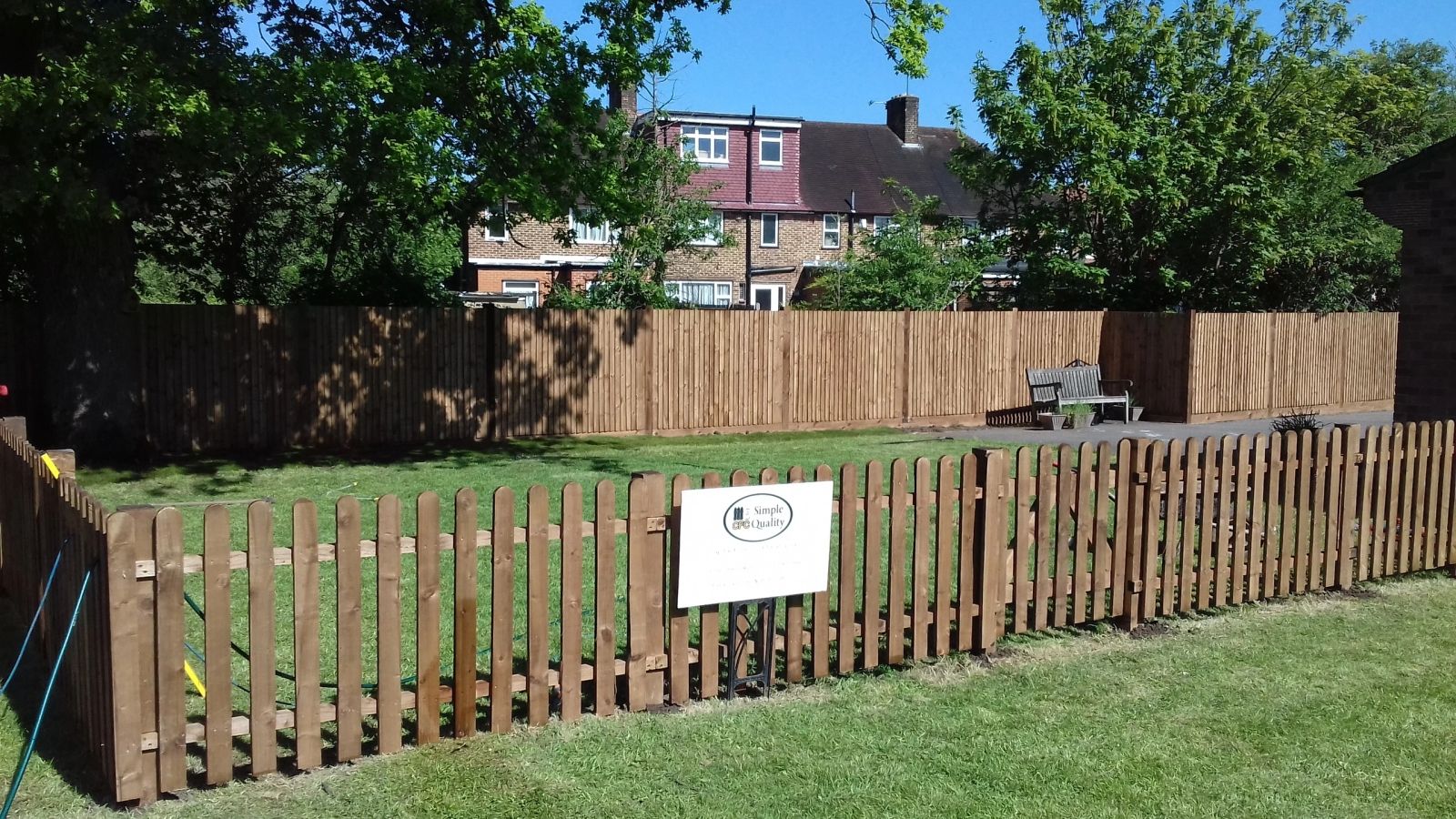
Conservation Area Fencing in Hertford is a specific brief for us — owners in a designated conservation area or fronting a listed building — material and height rules apply. The default local answer isn't a stock catalogue drop: it's painted softwood picket, oak-post estate railings or low brick-and-rail — heights kept to 1m front / 1.8m rear per PD guidance. On Hertford sites we also spec around conservation areas and listed buildings around the castle restrict heights and finishes, which is where a lot of conservation-area fencing jobs quietly fail two years in. Recent work on North Crescent and Ware Road. We orient jobs off McMullen brewery site. Bengeo Street bespoke iroko side gate with matching planter box. Iroko hardwood gate on galvanised hinges, sized for 820mm opening between brick pier and rendered wall. Original softwood had rotted at the sill; new gate quoted for 20-year lifespan.
Conservation Area Fencing in Hertford is a specific brief for us — owners in a designated conservation area or fronting a listed building — material and height rules apply. The default local answer isn't a stock catalogue drop: it's painted softwood picket, oak-post estate railings or low brick-and-rail — heights kept to 1m front / 1.8m rear per PD guidance. On Hertford sites we also spec around conservation areas and listed buildings around the castle restrict heights and finishes, which is where a lot of conservation-area fencing jobs quietly fail two years in. Recent work on North Crescent and Ware Road. We orient jobs off McMullen brewery site. Bengeo Street bespoke iroko side gate with matching planter box. Iroko hardwood gate on galvanised hinges, sized for 820mm opening between brick pier and rendered wall. Original softwood had rotted at the sill; new gate quoted for 20-year lifespan.
Typical conservation-area fencing briefs in Hertford
- → period-style close-board rear boundary using hand-painted white or heritage green rather than dip-treated brown
- → estate railings on a low brick wall replacing a non-compliant close-panel installed by a previous owner
Why this spec, for owners in a designated conservation area or fronting a listed building — material and height rules apply
- designs matched to the immediate street rather than a generic catalogue drop-in
- material choices align with council conservation-area design guides — we've worked through most of them
- we handle the neighbour and council conversation, not just the physical work
How we build conservation-area fencing in Hertford
painted softwood picket, oak-post estate railings or low brick-and-rail — heights kept to 1m front / 1.8m rear per PD guidance. On Hertford jobs we adjust for conservation areas and listed buildings around the castle restrict heights and finishes.
Property mix locally: Georgian and Victorian townhouses in the centre, with newer estates on the Bengeo and Sele Farm sides. Typical gardens: long, sloping plots dropping toward the River Lea — terracing and retaining work are often part of the job. Postcodes we regularly service: SG13, SG14.
we check the property's designation, cross-reference the local design guide, and where required prepare drawings for a Certificate of Lawfulness or planning submission.
Where conservation-area fencing isn't the right answer
- — listed buildings themselves — those need Listed Building Consent handled first
- — modern estates outside any conservation designation where standard timber panels are perfectly fine
Conservation Area Fencing FAQs — Hertford
Can you match paint colours to the neighbouring frontage?
On conservation-area fencing jobs in Hertford (SG13), our default answer is: painted softwood picket, oak-post estate railings or low brick-and-rail — heights kept to 1m front / 1.8m rear per PD guidance. The honest trade-off is installing anything visible from a public road above 1m at the front without permission — the notice arrives inside a month — which is exactly what our default spec designs out.
Do I need planning permission to change a conservation-area boundary?
Across Hertford we spec around conservation areas and listed buildings around the castle restrict heights and finishes, so on conservation-area fencing that usually means hand-painted softwood picket. For context: material choices align with council conservation-area design guides — we've worked through most of them. We handle the council conversation as part of the job, not as an after-thought.
How long does conservation-area consent take?
East Hertfordshire District coverage means we can survey most SG13 addresses inside a week — owners in a designated conservation area or fronting a listed building — material and height rules apply. For context: material choices align with council conservation-area design guides — we've worked through most of them. We handle the council conversation as part of the job, not as an after-thought.
What materials are typically allowed on a period frontage?
Practically: painted softwood picket front boundary matched to a neighbouring listed row. That's the Hertford version of this job, not a generic one. The honest trade-off is installing anything visible from a public road above 1m at the front without permission — the notice arrives inside a month — which is exactly what our default spec designs out.
How high can a front boundary be in a conservation area?
On conservation-area fencing jobs in Hertford (SG13), our default answer is: painted softwood picket, oak-post estate railings or low brick-and-rail — heights kept to 1m front / 1.8m rear per PD guidance. The honest trade-off is installing anything visible from a public road above 1m at the front without permission — the notice arrives inside a month — which is exactly what our default spec designs out.
Recent conservation area fencing work
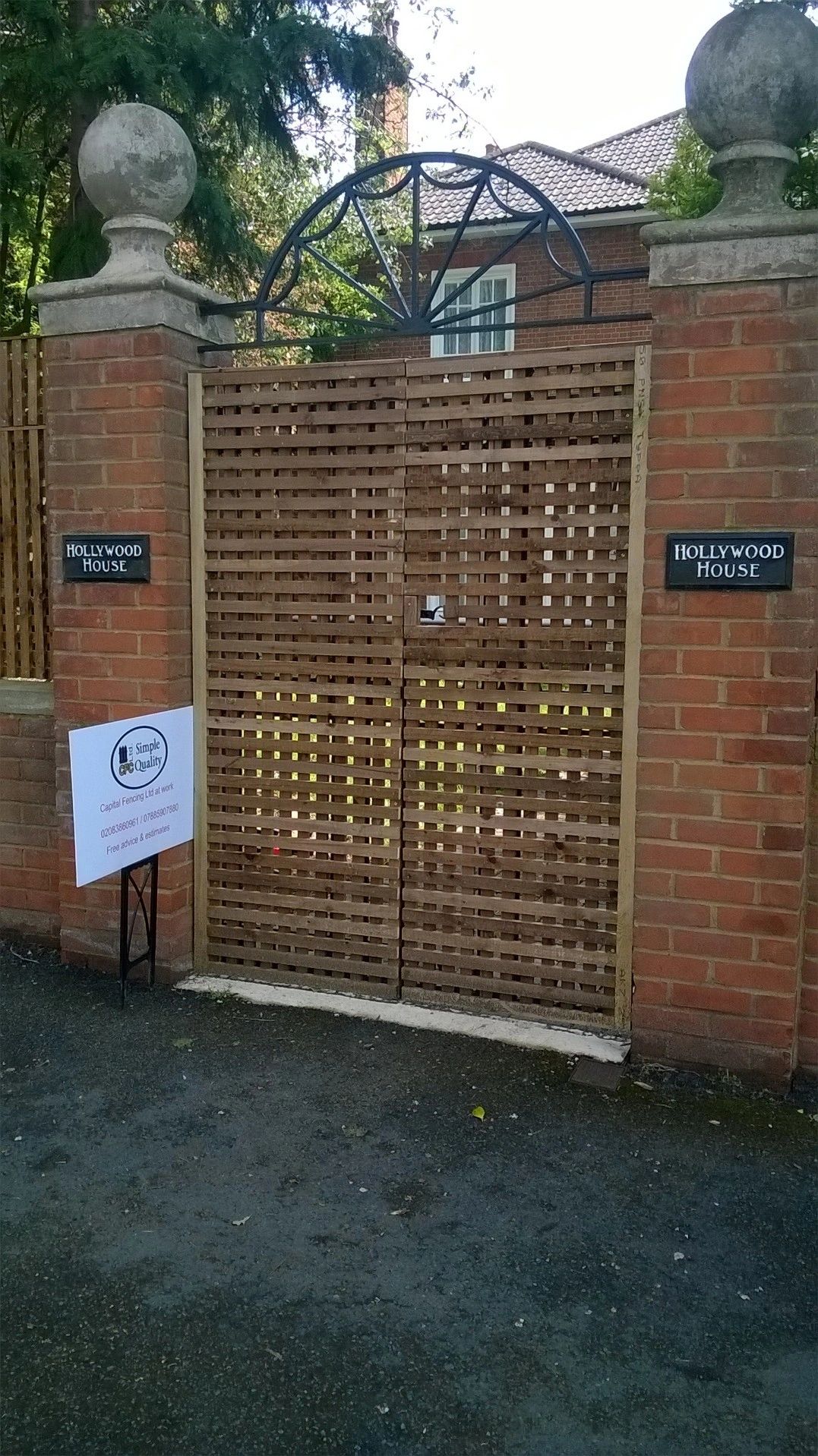
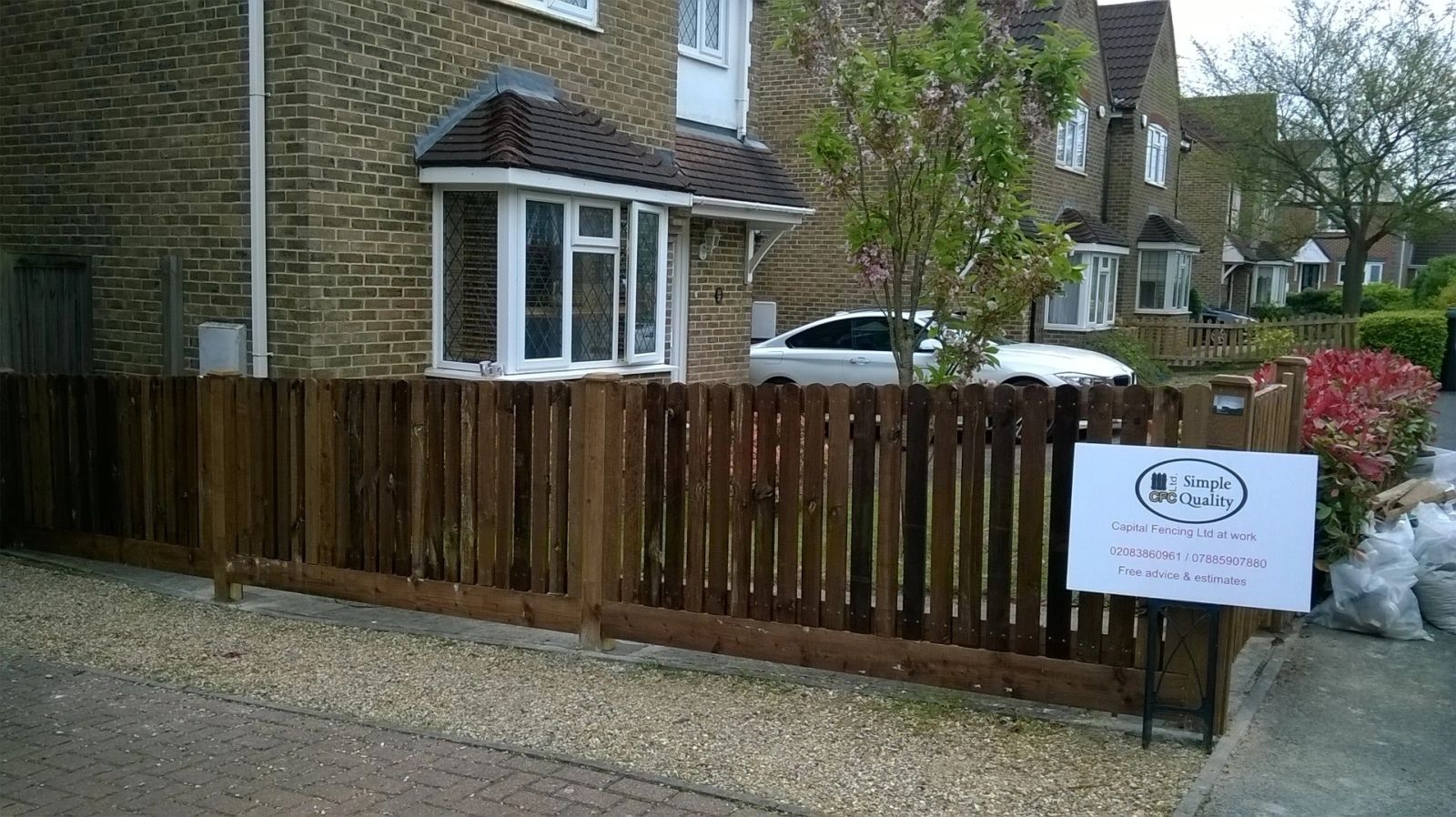
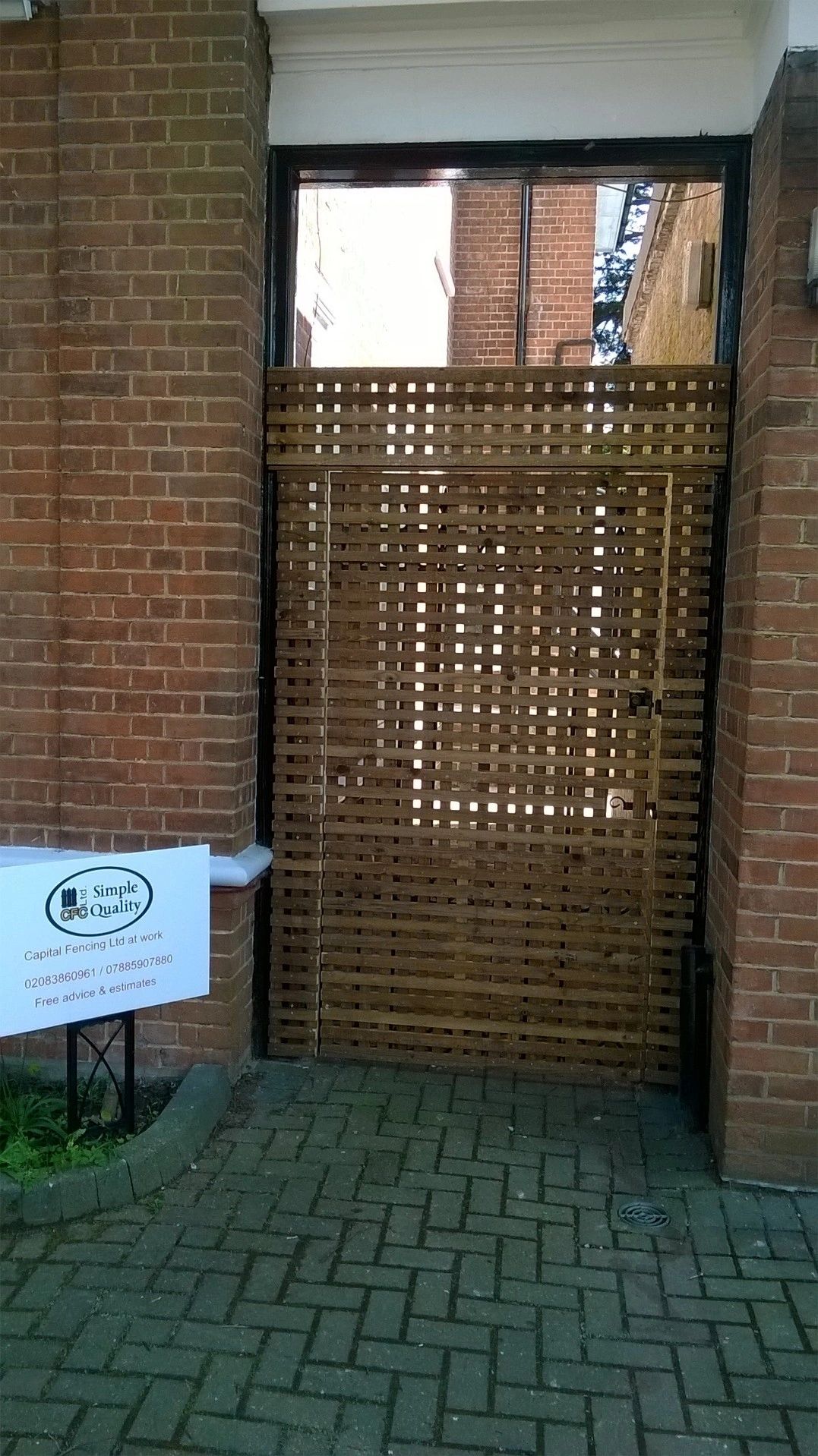
Conservation Area Fencing across SG13, SG14 is a regular run for us. We'll quote honestly, tell you if conservation-area fencing isn't the right answer for your site, and book the job in within a week or two of a signed quote. we handle the council conversation as part of the job, not as an after-thought. Recent work on Mead Lane and Queens Road. We orient jobs off Hertford Castle grounds. Bengeo Street bespoke iroko side gate with matching planter box. Iroko hardwood gate on galvanised hinges, sized for 820mm opening between brick pier and rendered wall. Original softwood had rotted at the sill; new gate quoted for 20-year lifespan.
Get My Free Quote — 24h Response
No callout fee · Fully insured · Friendly local team covering London & Hertfordshire.