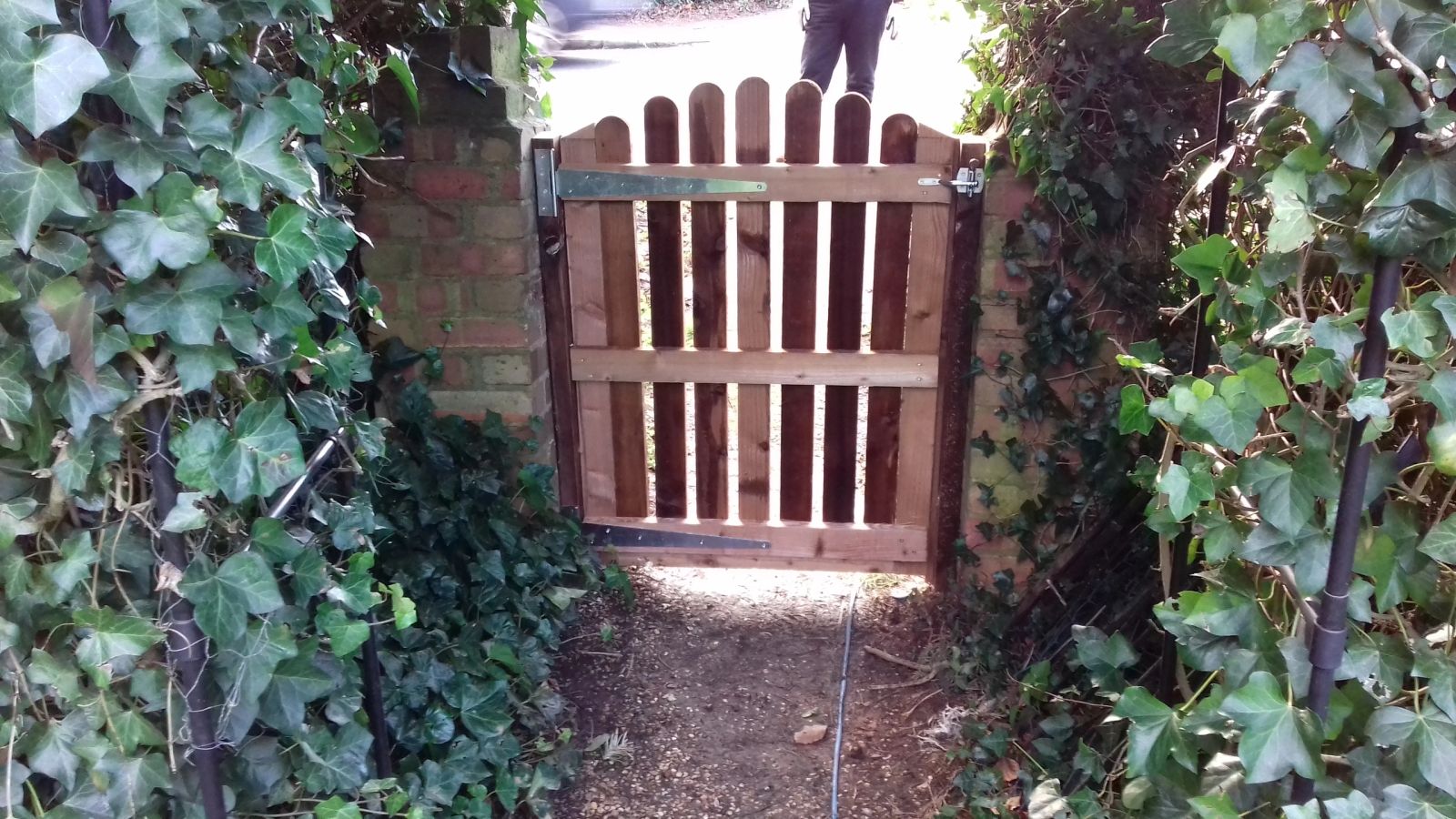
Conservation area fencing across Hatfield — Welwyn Hatfield Borough
If you're weighing conservation-area fencing for a property in Hatfield, the first thing that matters is conservation guidance, sight-line splays and permitted-development limits — not the material choice. Once that's settled, hand-painted softwood picket is where most of our conservation-area fencing work in AL9 lands, with oak-posted estate railings as a considered alternative. Recent work on Comet Way and French Horn Lane. We orient jobs off Galleria. Briars Lane four-plot run. Matched 1.8m closeboard, simultaneous quote across four neighbours. Single mobilisation, shared waste skip.
If you're weighing conservation-area fencing for a property in Hatfield, the first thing that matters is conservation guidance, sight-line splays and permitted-development limits — not the material choice. Once that's settled, hand-painted softwood picket is where most of our conservation-area fencing work in AL9 lands, with oak-posted estate railings as a considered alternative. Recent work on Comet Way and French Horn Lane. We orient jobs off Galleria. Briars Lane four-plot run. Matched 1.8m closeboard, simultaneous quote across four neighbours. Single mobilisation, shared waste skip.
Common failure modes on conservation-area fencing
- •installing anything visible from a public road above 1m at the front without permission — the notice arrives inside a month
- •using pressure-treated brown timber on a heritage frontage — flagged by neighbours before it's flagged by planning
How we build conservation-area fencing in Hatfield
painted softwood picket, oak-post estate railings or low brick-and-rail — heights kept to 1m front / 1.8m rear per PD guidance. On Hatfield jobs we adjust for uniform new-build estates mean visual consistency across runs is important to keep frontages looking right.
Property mix locally: post-war new-town estates, university accommodation, and Old Hatfield's period cottages. Typical gardens: compact rectangular plots, mostly level, often shared with neighbour-owned fences. Postcodes we regularly service: AL9, AL10.
we check the property's designation, cross-reference the local design guide, and where required prepare drawings for a Certificate of Lawfulness or planning submission.
Why this spec, for owners in a designated conservation area or fronting a listed building — material and height rules apply
- designs matched to the immediate street rather than a generic catalogue drop-in
- material choices align with council conservation-area design guides — we've worked through most of them
- we handle the neighbour and council conversation, not just the physical work
Typical conservation-area fencing briefs in Hatfield
- → estate railings on a low brick wall replacing a non-compliant close-panel installed by a previous owner
- → painted softwood picket front boundary matched to a neighbouring listed row
Conservation Area Fencing FAQs — Hatfield
How long does conservation-area consent take?
On conservation-area fencing jobs in Hatfield (AL9), our default answer is: painted softwood picket, oak-post estate railings or low brick-and-rail — heights kept to 1m front / 1.8m rear per PD guidance. For context: material choices align with council conservation-area design guides — we've worked through most of them. We handle the council conversation as part of the job, not as an after-thought.
Can you match paint colours to the neighbouring frontage?
Across Hatfield we spec around uniform new-build estates mean visual consistency across runs is important to keep frontages looking right, so on conservation-area fencing that usually means hand-painted softwood picket. The honest trade-off is installing anything visible from a public road above 1m at the front without permission — the notice arrives inside a month — which is exactly what our default spec designs out.
What materials are typically allowed on a period frontage?
Welwyn Hatfield Borough coverage means we can survey most AL9 addresses inside a week — owners in a designated conservation area or fronting a listed building — material and height rules apply. We check the property's designation, cross-reference the local design guide, and where required prepare drawings for a Certificate of Lawfulness or planning submission.
Can I use closeboard in a conservation area?
Practically: painted softwood picket front boundary matched to a neighbouring listed row. That's the Hatfield version of this job, not a generic one. For context: material choices align with council conservation-area design guides — we've worked through most of them. We handle the council conversation as part of the job, not as an after-thought.
Do I need planning permission to change a conservation-area boundary?
On conservation-area fencing jobs in Hatfield (AL9), our default answer is: painted softwood picket, oak-post estate railings or low brick-and-rail — heights kept to 1m front / 1.8m rear per PD guidance. The honest trade-off is installing anything visible from a public road above 1m at the front without permission — the notice arrives inside a month — which is exactly what our default spec designs out.
Recent conservation area fencing work
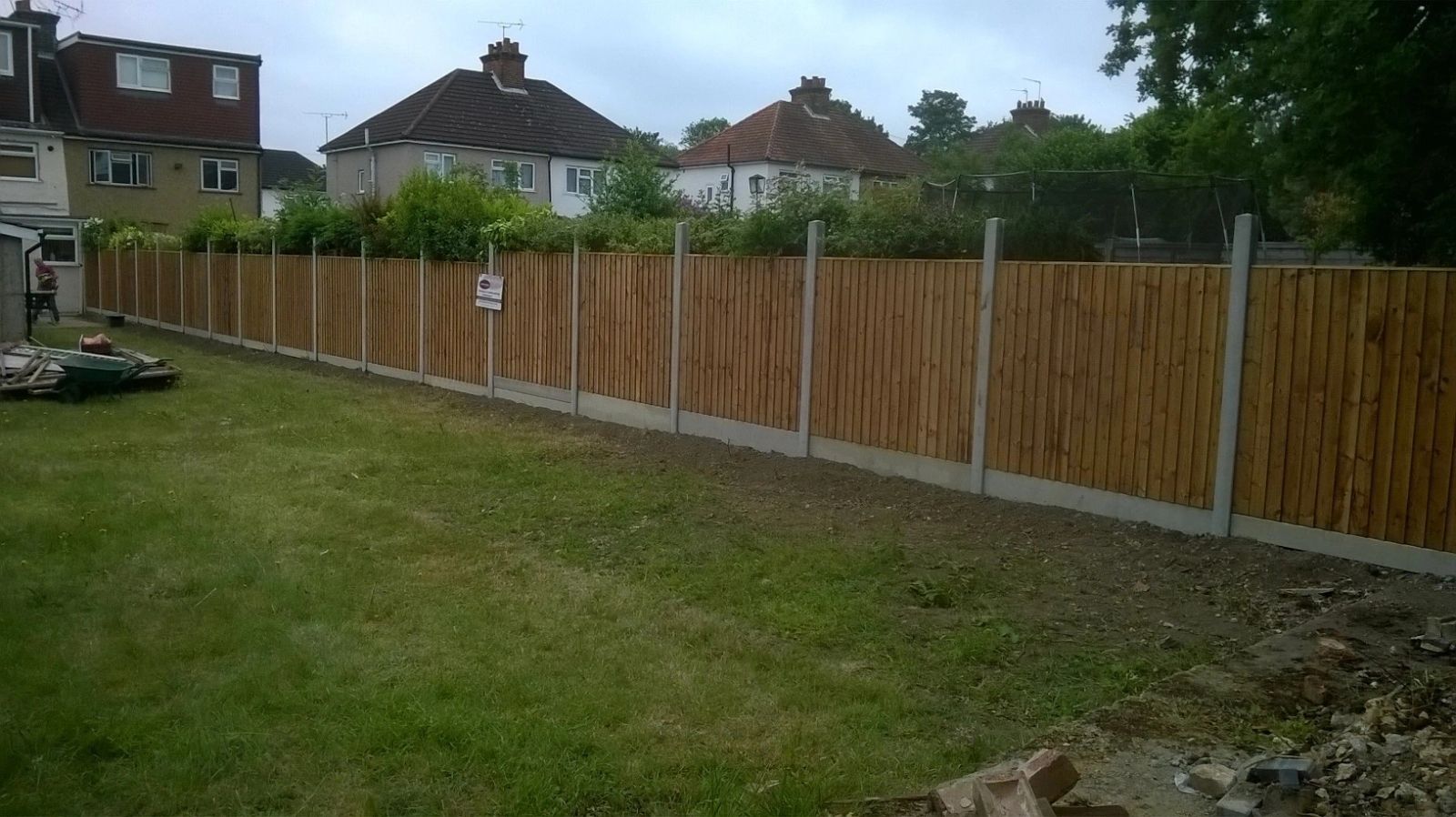
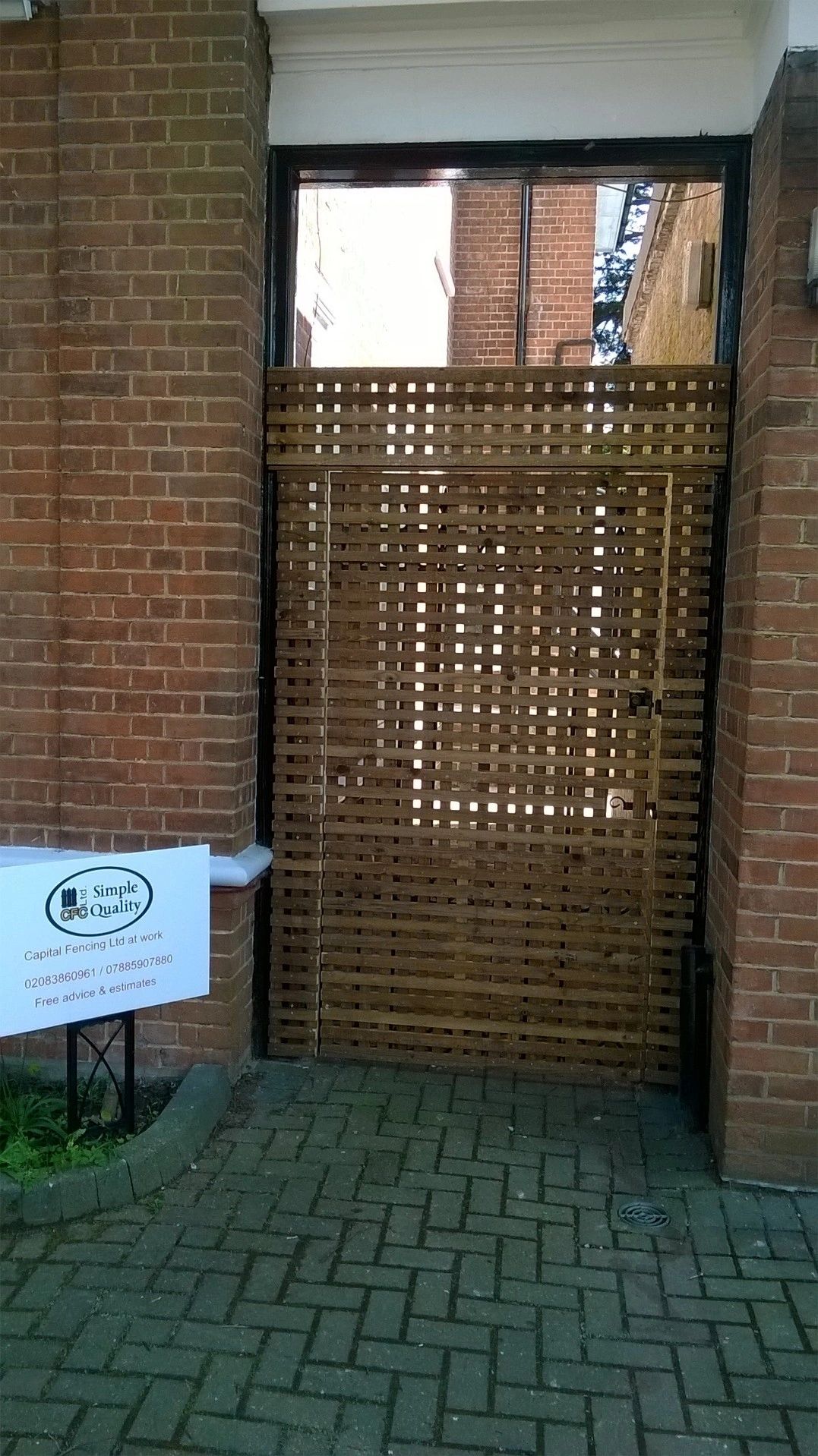
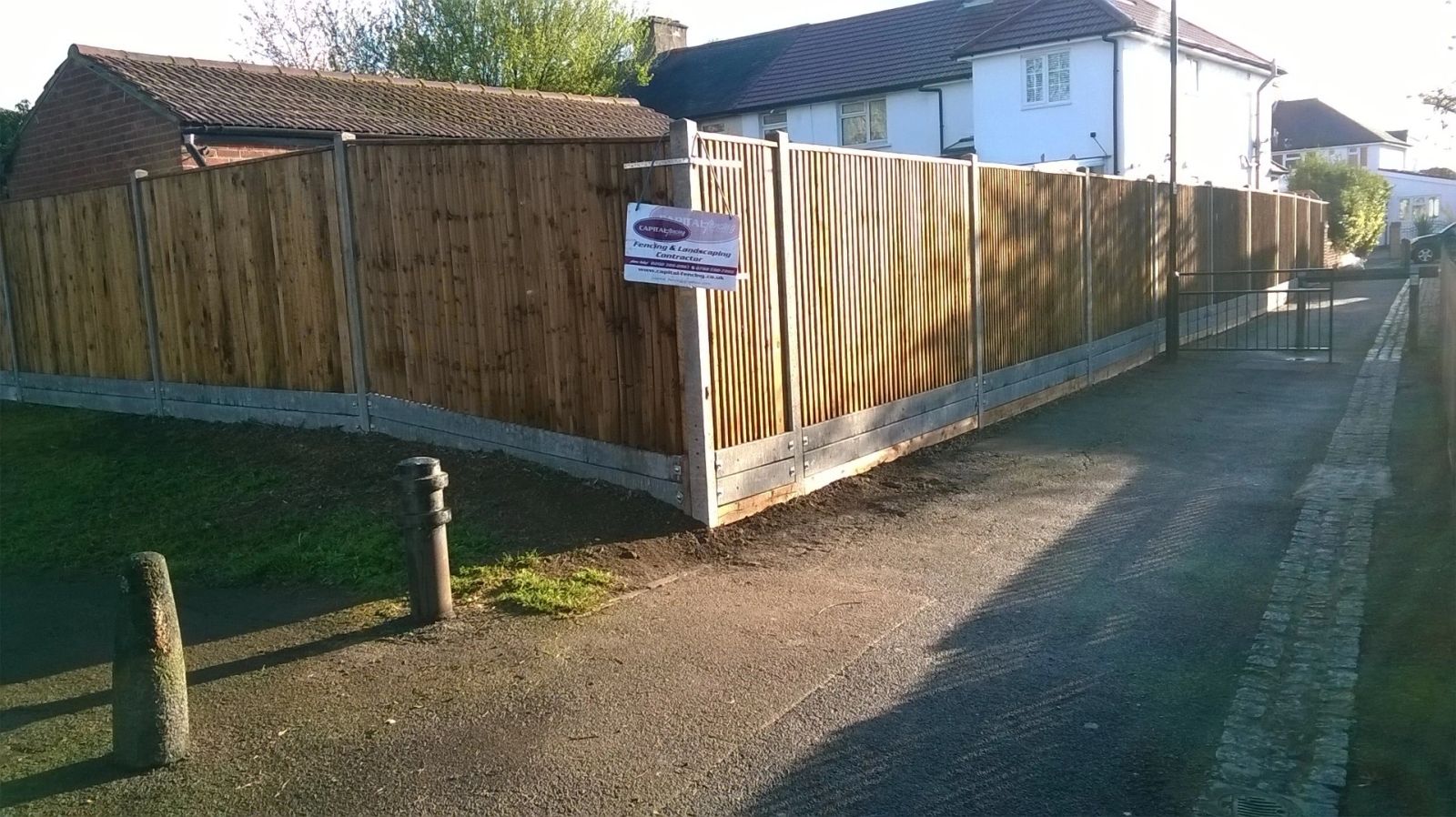
Owners in a designated conservation area or fronting a listed building — material and height rules apply — that's who this page is for. In Hatfield and out to Welwyn Hatfield Borough, we run the conservation-area fencing spec that survives uniform new-build estates mean visual consistency across runs is important to keep frontages looking right. Recent work on Wellfield Road and St Albans Road West. We orient jobs off Hatfield House park wall. Wellfield Road landlord rear boundary. Closeboard with concrete posts, invoiced via managing agent. Turned around between tenancies.
Get My Free Quote — 24h Response
No callout fee · Fully insured · Friendly local team covering London & Hertfordshire.