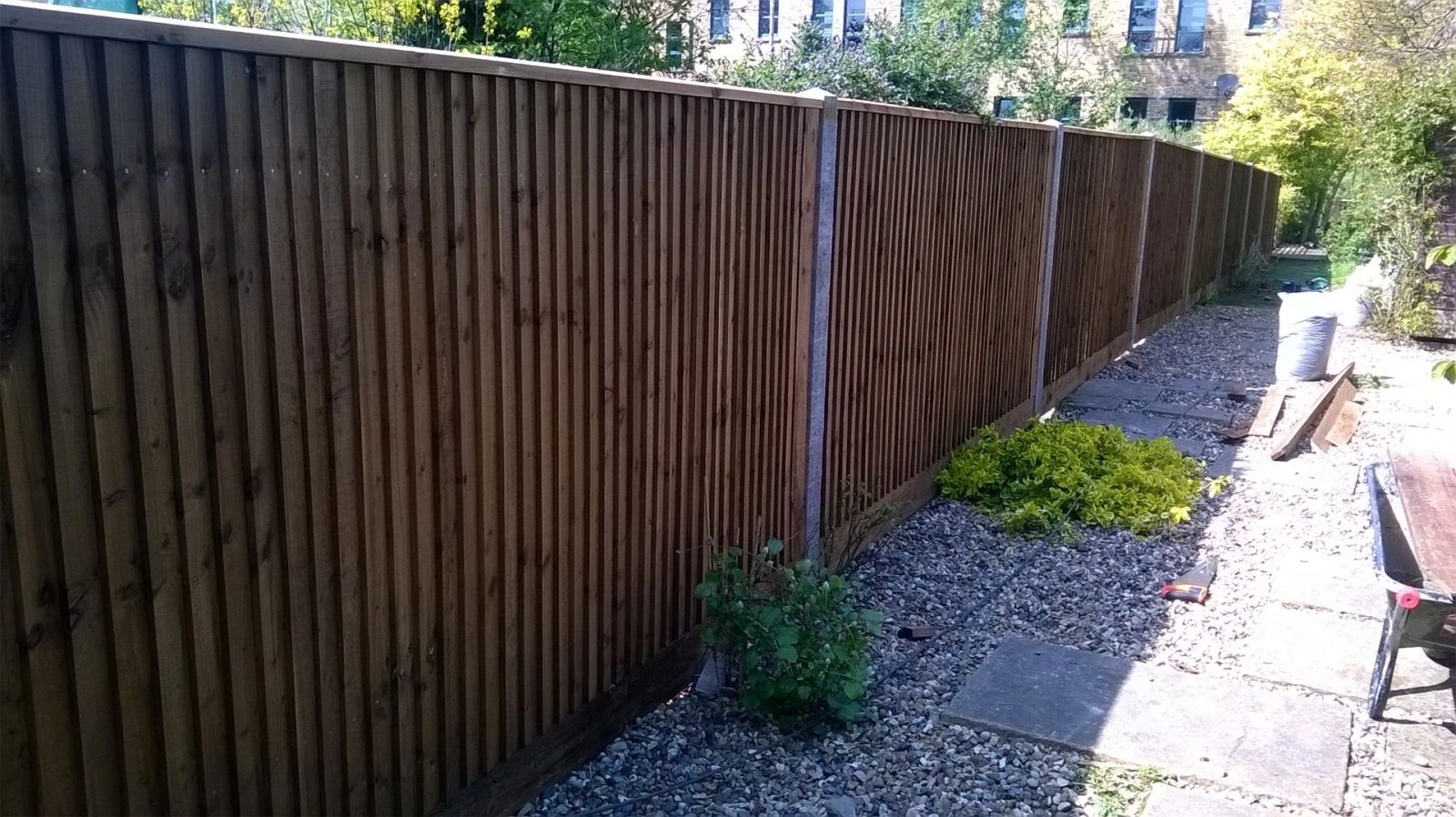
Conservation Area Fencing, Hoddesdon: planning-aware spec for 1930s and 1950s semis
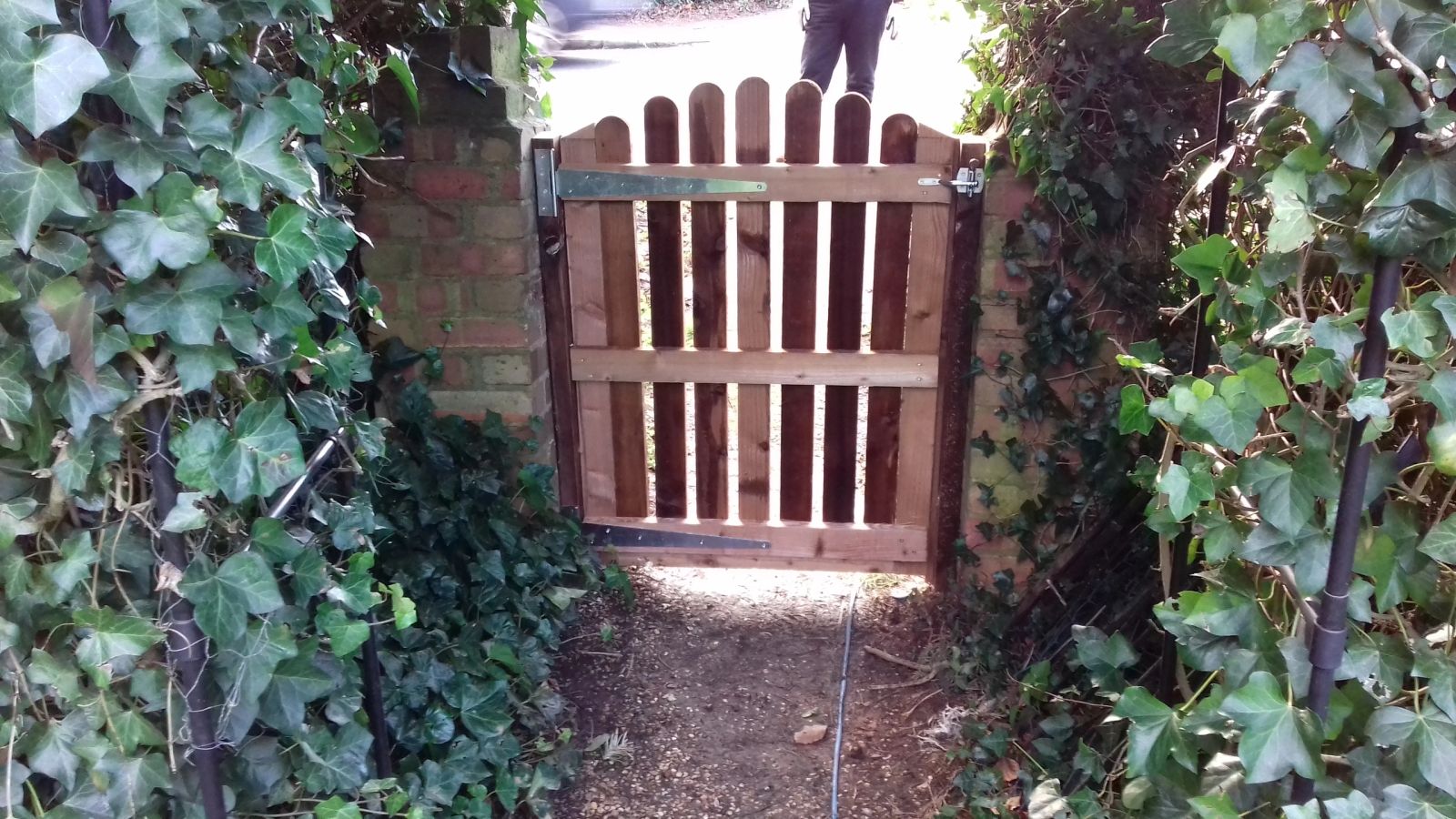
Conservation Area Fencing in Hoddesdon is a specific brief for us — owners in a designated conservation area or fronting a listed building — material and height rules apply. The default local answer isn't a stock catalogue drop: it's painted softwood picket, oak-post estate railings or low brick-and-rail — heights kept to 1m front / 1.8m rear per PD guidance. On Hoddesdon sites we also spec around older fence runs in the old town often hide rotted posts under cement skirts — full removal is usually required, which is where a lot of conservation-area fencing jobs quietly fail two years in. Recent work on Cock Lane and Burford Street. We orient jobs off Hoddesdon Clock Tower. Burford Street side-gate replacement. Bespoke hardwood gate framed for a tight 780mm opening. Original frame was rotten; ironmongery transferred where serviceable.
Conservation Area Fencing in Hoddesdon is a specific brief for us — owners in a designated conservation area or fronting a listed building — material and height rules apply. The default local answer isn't a stock catalogue drop: it's painted softwood picket, oak-post estate railings or low brick-and-rail — heights kept to 1m front / 1.8m rear per PD guidance. On Hoddesdon sites we also spec around older fence runs in the old town often hide rotted posts under cement skirts — full removal is usually required, which is where a lot of conservation-area fencing jobs quietly fail two years in. Recent work on Cock Lane and Burford Street. We orient jobs off Hoddesdon Clock Tower. Burford Street side-gate replacement. Bespoke hardwood gate framed for a tight 780mm opening. Original frame was rotten; ironmongery transferred where serviceable.
Why this spec, for owners in a designated conservation area or fronting a listed building — material and height rules apply
- designs matched to the immediate street rather than a generic catalogue drop-in
- material choices align with council conservation-area design guides — we've worked through most of them
- we handle the neighbour and council conversation, not just the physical work
Typical conservation-area fencing briefs in Hoddesdon
- → period-style close-board rear boundary using hand-painted white or heritage green rather than dip-treated brown
- → estate railings on a low brick wall replacing a non-compliant close-panel installed by a previous owner
How we build conservation-area fencing in Hoddesdon
painted softwood picket, oak-post estate railings or low brick-and-rail — heights kept to 1m front / 1.8m rear per PD guidance. On Hoddesdon jobs we adjust for older fence runs in the old town often hide rotted posts under cement skirts — full removal is usually required.
Property mix locally: 1930s and 1950s semis, with Victorian cottages toward the Old Town. Typical gardens: mid-sized flat gardens; properties near Rye Park often have direct alley access. Postcodes we regularly service: EN11.
we check the property's designation, cross-reference the local design guide, and where required prepare drawings for a Certificate of Lawfulness or planning submission.
Common failure modes on conservation-area fencing
- •installing anything visible from a public road above 1m at the front without permission — the notice arrives inside a month
- •using pressure-treated brown timber on a heritage frontage — flagged by neighbours before it's flagged by planning
Conservation Area Fencing FAQs — Hoddesdon
How long does conservation-area consent take?
On conservation-area fencing jobs in Hoddesdon (EN11), our default answer is: painted softwood picket, oak-post estate railings or low brick-and-rail — heights kept to 1m front / 1.8m rear per PD guidance. The honest trade-off is installing anything visible from a public road above 1m at the front without permission — the notice arrives inside a month — which is exactly what our default spec designs out.
How high can a front boundary be in a conservation area?
Across Hoddesdon we spec around older fence runs in the old town often hide rotted posts under cement skirts — full removal is usually required, so on conservation-area fencing that usually means hand-painted softwood picket. The honest trade-off is installing anything visible from a public road above 1m at the front without permission — the notice arrives inside a month — which is exactly what our default spec designs out.
Can you match paint colours to the neighbouring frontage?
Broxbourne Borough coverage means we can survey most EN11 addresses inside a week — owners in a designated conservation area or fronting a listed building — material and height rules apply. We check the property's designation, cross-reference the local design guide, and where required prepare drawings for a Certificate of Lawfulness or planning submission.
What materials are typically allowed on a period frontage?
Practically: painted softwood picket front boundary matched to a neighbouring listed row. That's the Hoddesdon version of this job, not a generic one. For context: material choices align with council conservation-area design guides — we've worked through most of them. We handle the council conversation as part of the job, not as an after-thought.
Do you provide drawings for a Certificate of Lawfulness?
On conservation-area fencing jobs in Hoddesdon (EN11), our default answer is: painted softwood picket, oak-post estate railings or low brick-and-rail — heights kept to 1m front / 1.8m rear per PD guidance. For context: material choices align with council conservation-area design guides — we've worked through most of them. We handle the council conversation as part of the job, not as an after-thought.
Recent conservation area fencing work
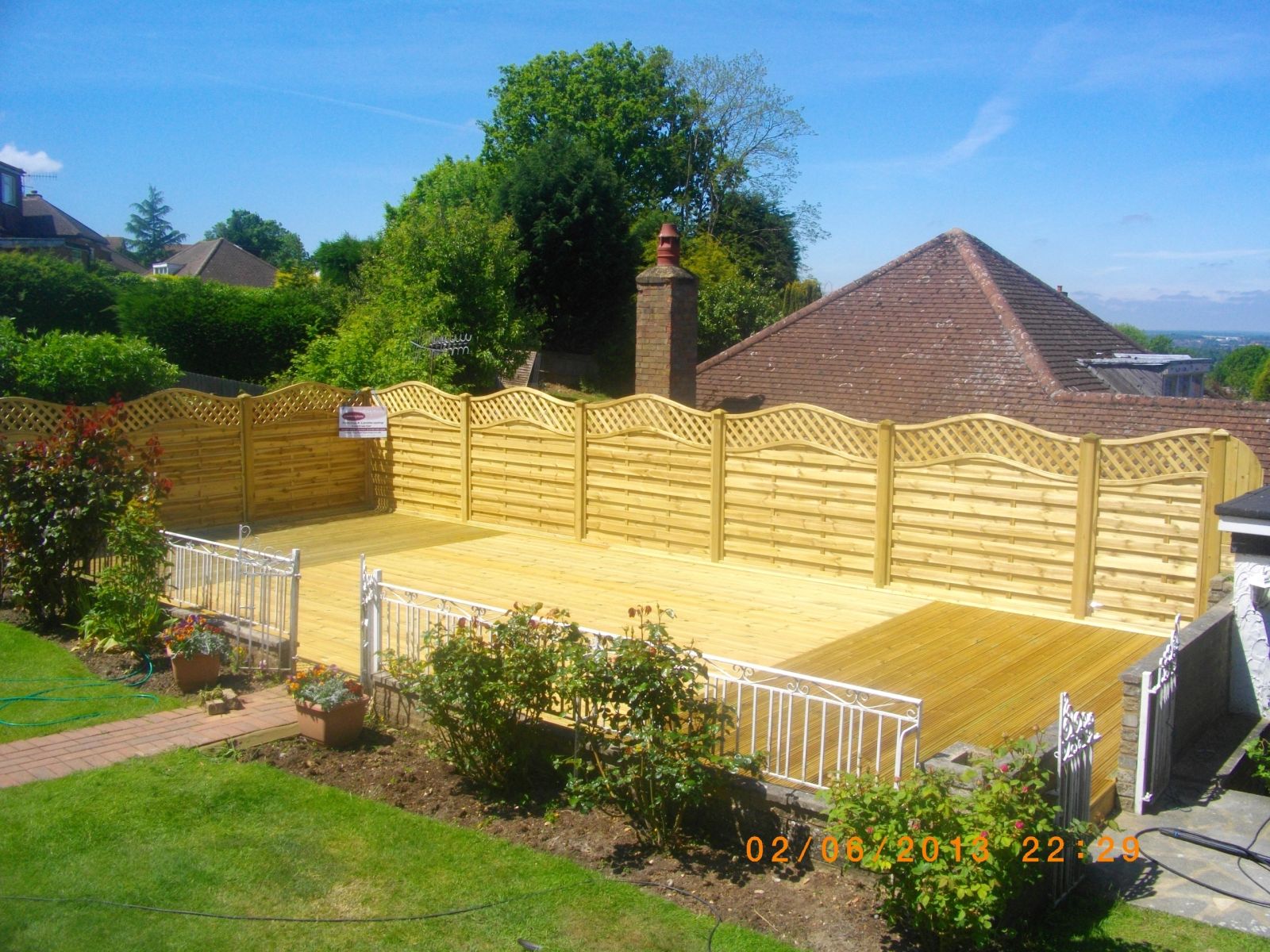
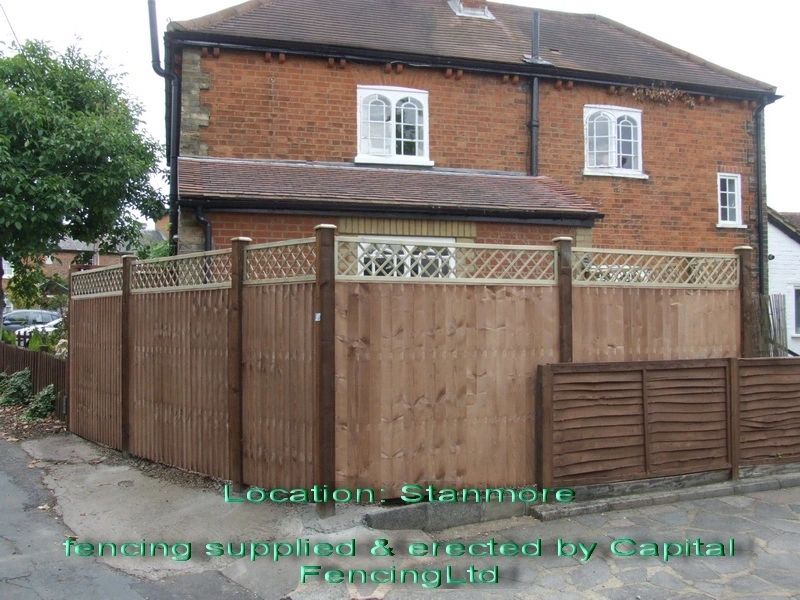
Conservation Area Fencing across EN11 is a regular run for us. We'll quote honestly, tell you if conservation-area fencing isn't the right answer for your site, and book the job in within a week or two of a signed quote. we handle the council conversation as part of the job, not as an after-thought. Recent work on Burford Street and Pauls Lane. We orient jobs off Spitalbrook slipway. Amwell Street acoustic garden boundary facing the A10. 2m tongue-and-groove panels with 25mm mineral wool infill between two skins, oak posts. Owner measured a 9dB drop from patio position after installation.
Get My Free Quote — 24h Response
No callout fee · Fully insured · Friendly local team covering London & Hertfordshire.