Access constraints on a repair job
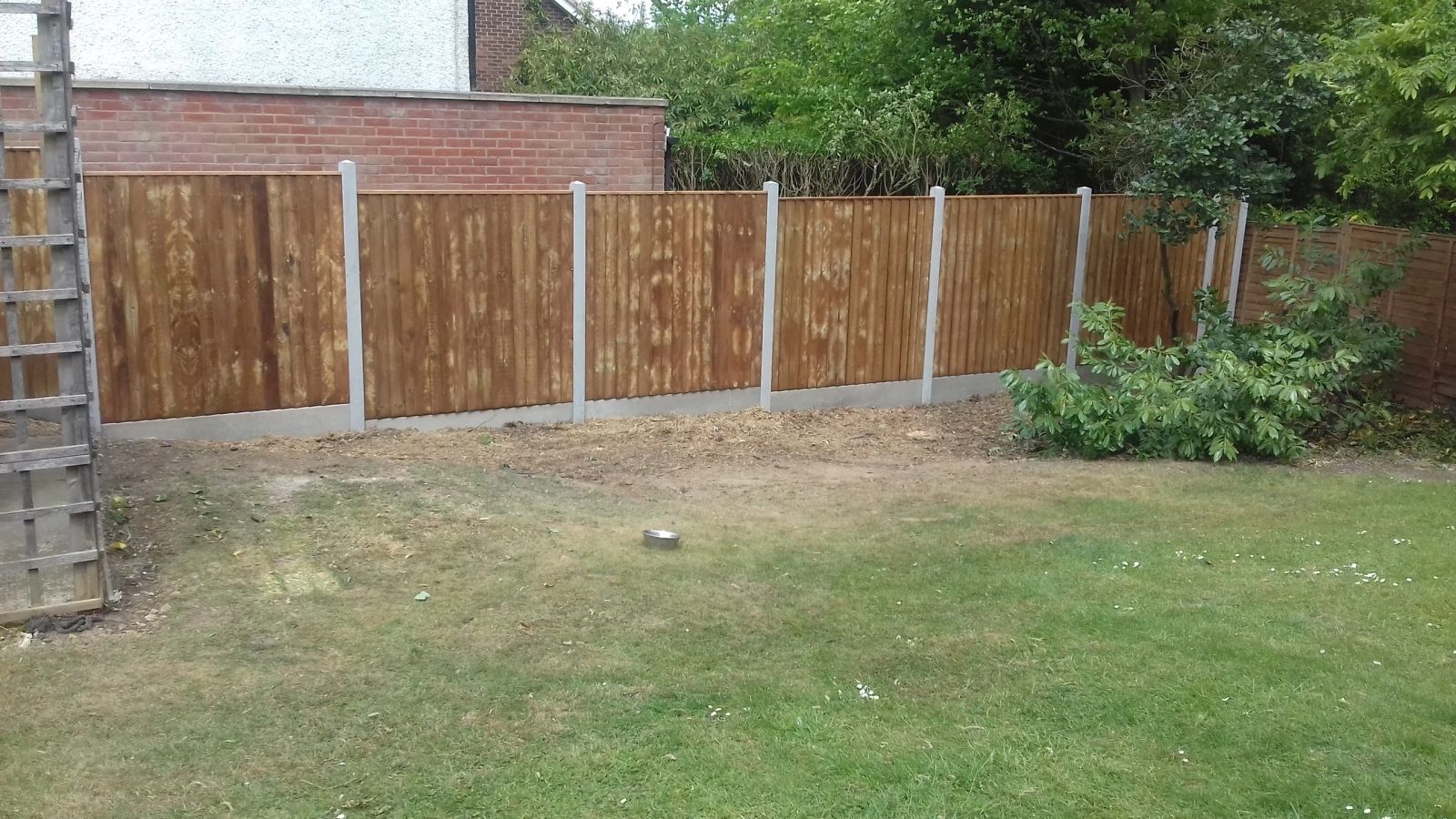
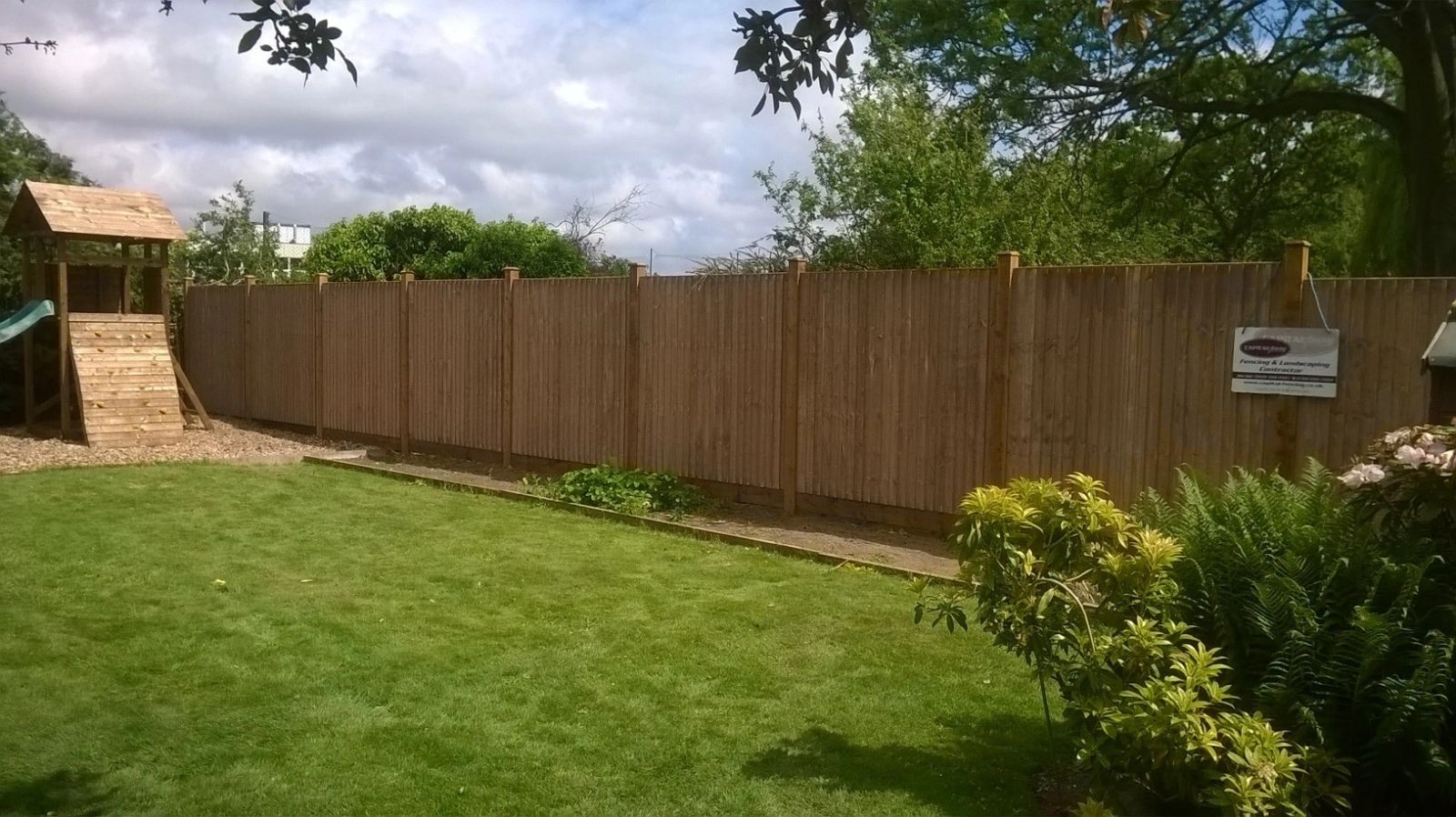
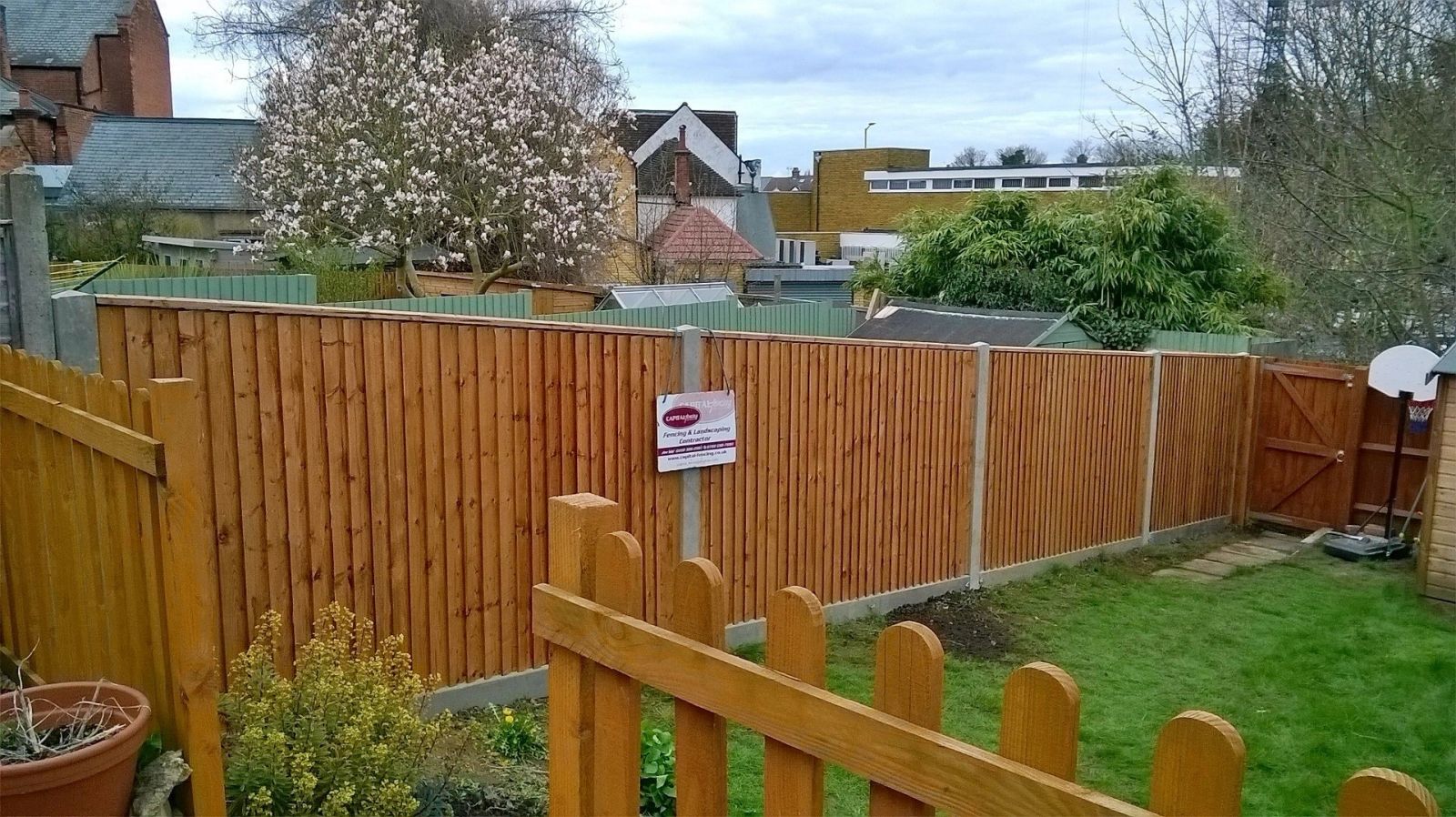
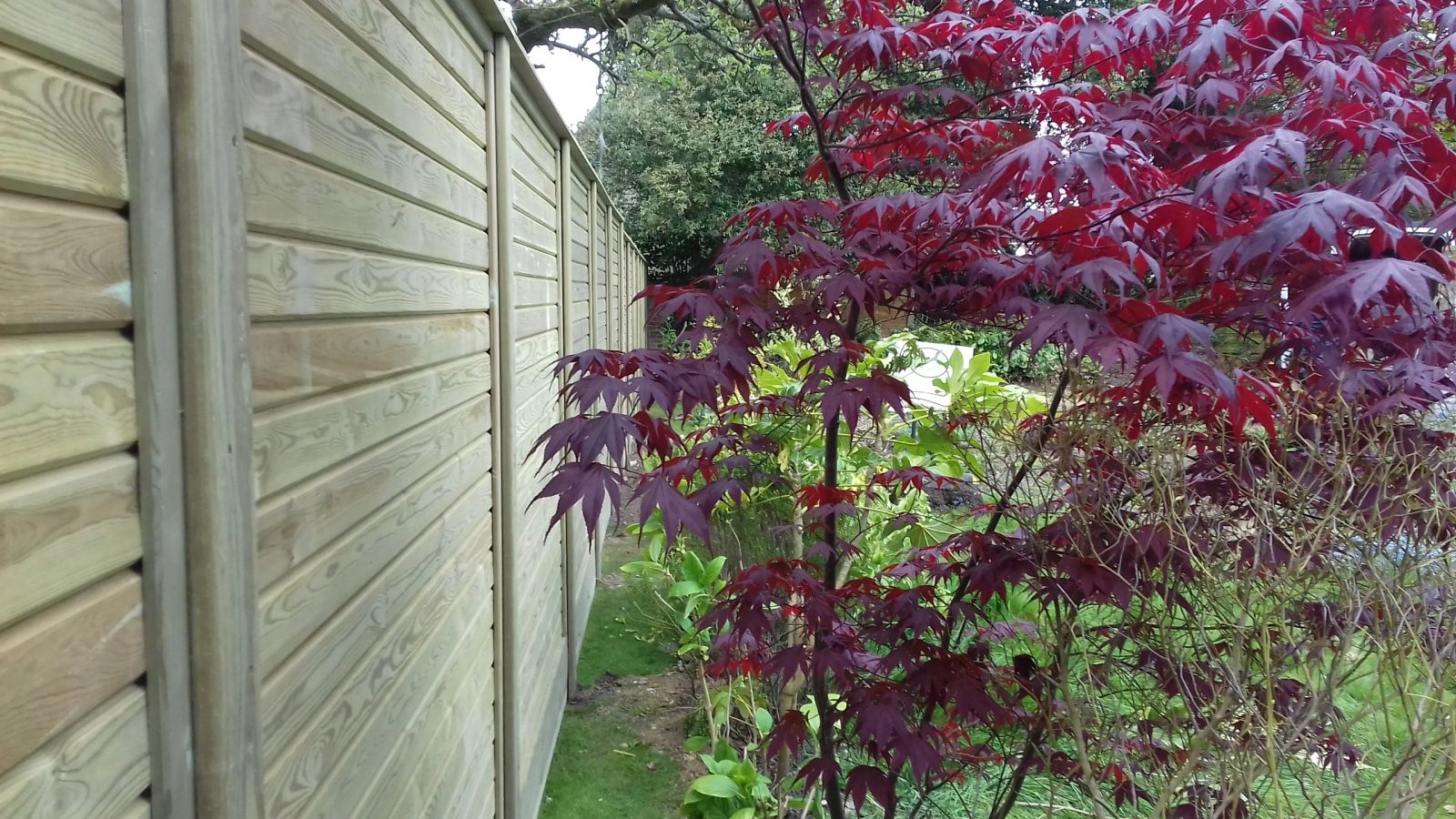
A repair to a single post or panel deep in a rear garden with no side access still needs materials and tools carried through rather than dropped at the boundary, which is worth factoring into the timeline on a tight terraced plot.
On a multi-property repair — several gardens sharing a rear boundary — coordinating access across neighbours can be the more awkward part of the job than the repair itself.
Striker plate and keep alignment
A latch that no longer catches is very often a striker or keep alignment problem rather than a broken latch, especially after a gate has dropped slightly or a post has moved seasonally.
Re-positioning the keep to match the gate's current resting position is usually quicker and cheaper than replacing the latch mechanism itself.
Reading a scrape mark on the ground or paving
A worn arc or scrape mark on paving beneath a gate's swing shows exactly where the gate is currently dragging, and its position — near the hinge end, the latch end, or evenly across the arc — indicates whether the fault is a dropped hinge, a racked frame, or a ground level change.
This kind of visual evidence is often more reliable than the gate owner's description of when the problem started, since gradual drops are easy to underestimate.
Board orientation and grain direction
A board fixed with its bark side facing outward tends to cup away from the fixings as it dries, since the outer growth rings shrink tangentially more than the inner ones, pulling the board's edges outward.
Orienting the bark side inward on a fence board means any cupping pulls the edges toward the fixing rather than away from it, which keeps the board flatter and the fixings under less repeated strain.
This detail is easy to overlook when boards are cut from mixed stock without checking growth ring orientation, but it becomes visible within a season or two as boards from the same batch cup in opposite directions.
Lubrication scheduling for security gate hinges
A heavy security gate hinge under constant use benefits from a scheduled lubrication check rather than waiting until it starts to squeak or bind, since a dry hinge accelerates wear on the pin and bush faster than the load alone would cause.
A grease appropriate to outdoor exposure is used rather than a light household oil, which washes out quickly in wet weather and leaves the hinge running dry again within a short period.
Choosing between timber, concrete and steel posts
Timber posts are the cheapest and easiest to work with but are the first part of a fence to rot, particularly at ground level where they sit in permanently damp soil or concrete.
Concrete slotted posts cost more upfront and are harder to cut or adjust on site, but don't rot and hold panels rigidly without needing separate fixings, which suits a long, exposed or heavily-used run.
Steel posts, either box section or RSJ, are mostly reserved for commercial, security or very heavy-load applications where timber or concrete wouldn't cope with the weight or vandal-resistance required.
Prioritising repairs ahead of the windier months
A post or panel that's borderline rather than fully failed is more likely to come down completely once autumn and winter storms start, so repairs identified in summer are worth scheduling before the exposed season rather than left until something actually blows over.
This is particularly relevant on exposed boundaries or end bays that have already shown signs of movement, since those are the sections most likely to fail first under wind load.
Agreeing a shared contribution to a boundary fence
There's no automatic legal requirement in England for a neighbour to contribute to the cost of a boundary fence, even where both sides benefit from it, unless the deeds specifically say otherwise.
Many boundary fences are replaced by agreement between neighbours splitting the cost informally, but this is a private arrangement rather than something either side can compel.
Getting any agreed contribution, choice of style, and who instructs the contractor written down in an email beforehand avoids a common source of friction once the invoice arrives.
Restrictor arms and stays for wind-prone double gates
A restrictor arm or stay holds a double gate leaf open at a set angle, preventing it from swinging shut or being blown further open by wind while a vehicle passes through, which is particularly useful on an exposed driveway entrance.
Without a stay, an open gate leaf left unsecured in wind can swing back and strike a vehicle or a person passing through the opening.
Replacing a fence on the same line as before
Replacing a fence exactly where the old one stood is generally the lowest-risk approach from a boundary perspective, since it maintains a position both neighbours have already implicitly accepted for years.
It's still worth flagging the planned replacement to a neighbour beforehand, particularly if the new fence will be a different height, material or style to what's there now.
Where the old fence's exact line is unclear because it has leant or shifted over time, marking out the intended new line and briefly confirming it with the neighbour avoids later disagreement.
Use classes for ground-contact timber
Treated timber is graded into use classes according to how much moisture and ground contact it's expected to face, and specifying the wrong class for the job is a common cause of premature rot that isn't obvious until years later.
Use Class 3 covers above-ground timber exposed to the weather, such as boards and rails; Use Class 4 covers timber in direct or near-permanent ground contact, which is what posts and gravel boards should be specified to, not Use Class 3 stock used because it's cheaper or more available.
A supplier's treatment certificate should state the use class achieved, and it's worth asking for it on any job where posts are the expensive, hard-to-replace component of the run.
Setting a stepped post line down an embankment
A fence line running down an embankment is usually stepped bay by bay rather than raked to follow the slope continuously, which keeps each panel level and avoids the increasing gap under a raked panel that opens up as the ground falls away more steeply than the panel's rake angle.
Post lengths above ground level vary along a stepped run to keep the top line consistent, so posts are ordered or cut to several different lengths rather than a single stock size for the whole embankment section.
Safety standards for automated gates
Automated gates fall under machinery safety regulations, which means a force-limiting device or safety edge to stop the gate on contact with an obstruction, and photocells or other sensors to detect someone in the gate's path, aren't optional extras.
A risk assessment covering the specific installation — proximity to a public footpath, likely pedestrian use, manual override in a power cut — should be part of any automation job, not an afterthought once the gate's already built.
Annual servicing of the motor, safety sensors and mechanical stops keeps an automated gate compliant and catches wear before it becomes a safety issue rather than just an inconvenience.
Earthing and bonding requirements for a substation compound fence
A metal fence around an electrical substation compound needs to be correctly bonded to the site's earthing system, since an ungrounded metal fence near live electrical equipment can become dangerously energised under fault conditions.
Bonding work at a substation compound is carried out to the network operator's own specification rather than a general fencing standard, and a fencing contractor working on this type of site coordinates closely with the operator's engineers on sequencing and isolation.
Flying freeholds and unusual boundary shapes
A flying freehold occurs where part of one property, such as a room, overhangs part of another below it, and can produce boundary arrangements in the garden that don't follow an obviously straight or logical line.
Properties with this kind of unusual legal history sometimes have correspondingly unusual title plan boundaries in the garden area, which are worth checking carefully rather than assumed from the visible layout.
Where a garden boundary looks like it doesn't match the physical shape of the buildings above, that's a sign worth investigating with the title documents before fencing work begins.
Snagging checklist items on a completed security run
A snagging check on a finished security boundary covers gate alignment and latch engagement, gap sizes at ground level and junctions, fixing torque on any tamper-proof bolts, and that capping or gravel boards sit flush along the whole run.
Any item that's marginal on day one — a slightly sticking latch, a small ground gap — is worth fixing immediately rather than left as a wear item, since these are exactly the points a determined attempt will test first.
Using wall plates to transition timber to masonry
A wall plate — a length of timber bolted flat to a masonry wall — gives a stable timber fixing point for arris rails or panel frames to run into, avoiding the need to drill and plug the wall at every rail height individually.
Setting the plate slightly proud of the wall face with packers behind it can help keep it clear of surface damp on an older solid wall, rather than fixing it flush against a face that holds moisture.
The bolts holding the plate need to be sized for the wall material — heavier-duty fixings for old lime-mortar brickwork than for modern dense blockwork — since an undersized fixing can work loose under repeated wind load on the panels.
Hinge screw pull-out and through-bolting
Screws pulling out of a timber hinge post is one of the most common gate faults, usually caused by repeated leverage working the fixing loose in the grain over time rather than a single overload event.
Through-bolting the hinge with a coach bolt and washer plate on the far side of the post gives a mechanical fixing that doesn't rely on the timber's grip the way a screw does.
Choosing ironmongery for a repaired gate
Galvanised heavy-duty hinges and latches cost little more than the light-duty fittings often supplied as standard, and they last considerably longer under repeated use, which makes an ironmongery upgrade one of the better-value additions at repair time.
Where a gate has electric automation, we handle the timber or metal gate itself and refer motor, control-board or sensor faults to a specialist automation engineer.
Recycled plastic fence posts
Posts made from recycled plastic, sometimes blended with additives for UV resistance and rigidity, avoid timber's rot and insect vulnerability entirely, since the material has no organic content for fungi or insects to attack.
They tend to be more flexible than an equivalent timber section of the same size, which can be an advantage in absorbing impact but a disadvantage where rigidity is needed to resist sustained wind load without visible sway.
Their thermal expansion behaviour is closer to other polymer products than to timber, meaning fixings and adjoining materials need similar allowance for movement as with composite boards rather than being treated as a timber-equivalent product.
Matching gate infill to the adjoining fence
A gate with a different infill pattern to the fence either side is a visible weak point as well as an inconsistency, because an intruder targets the section that looks different from the rest of the run.
Matching pale spacing, mesh aperture or panel style across the gate and fence keeps the whole perimeter to one standard rather than leaving the gate as the obvious soft spot.
Flats and maisonettes with communal gardens
Where a garden is communal to several flats, no single leaseholder normally has authority to alter the boundary fence unilaterally — that decision usually sits with the freeholder or a resident's management company under the lease.
Ground-floor maisonettes with an exclusive-use garden are a common exception, but the lease still often restricts fence height or style to protect the amenity of upper flats overlooking the space.
Any quote for work in a communal garden should confirm who is legally instructing the job and paying for it before work starts, since informal agreement from one resident isn't the same as management company sign-off.