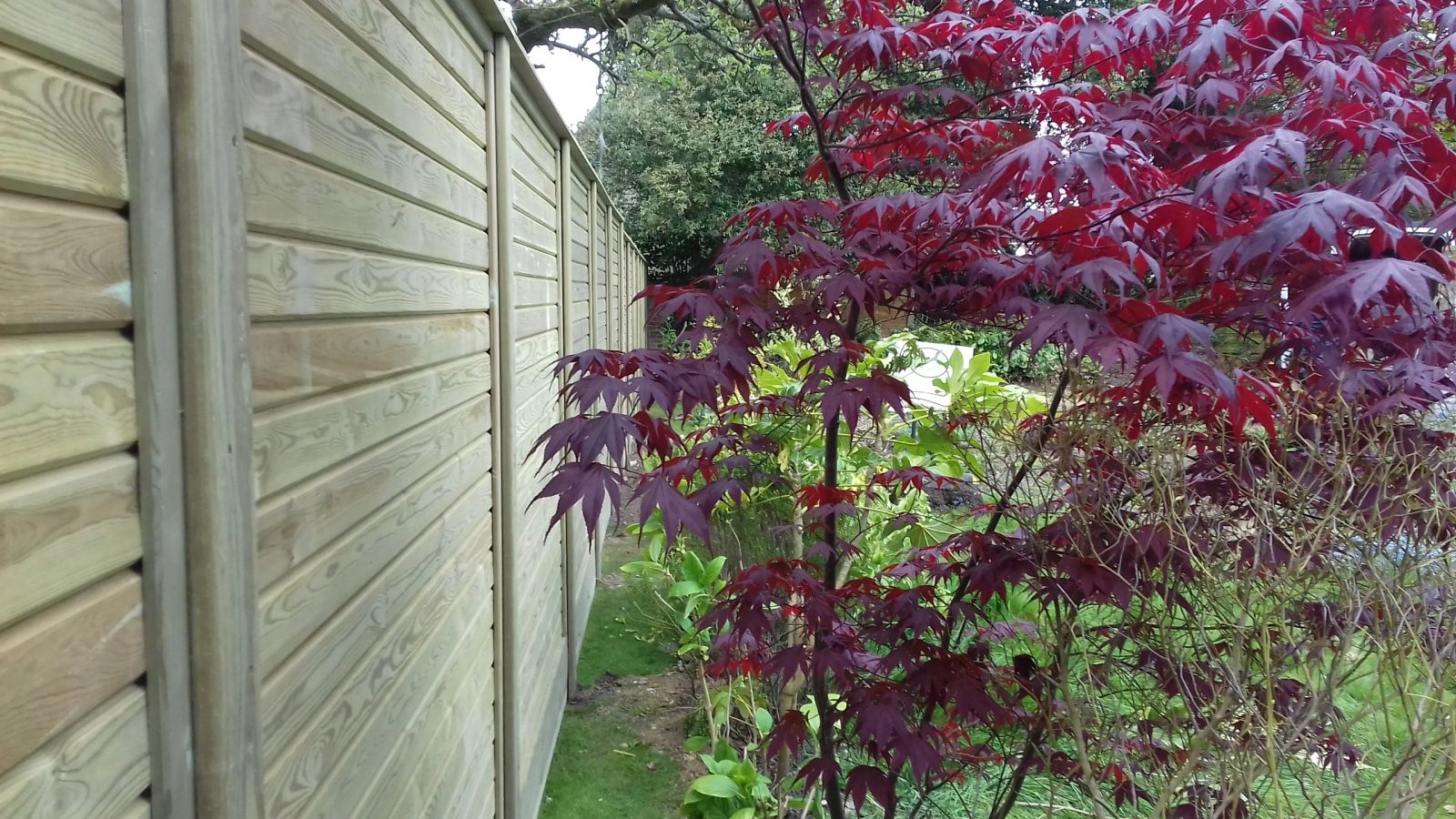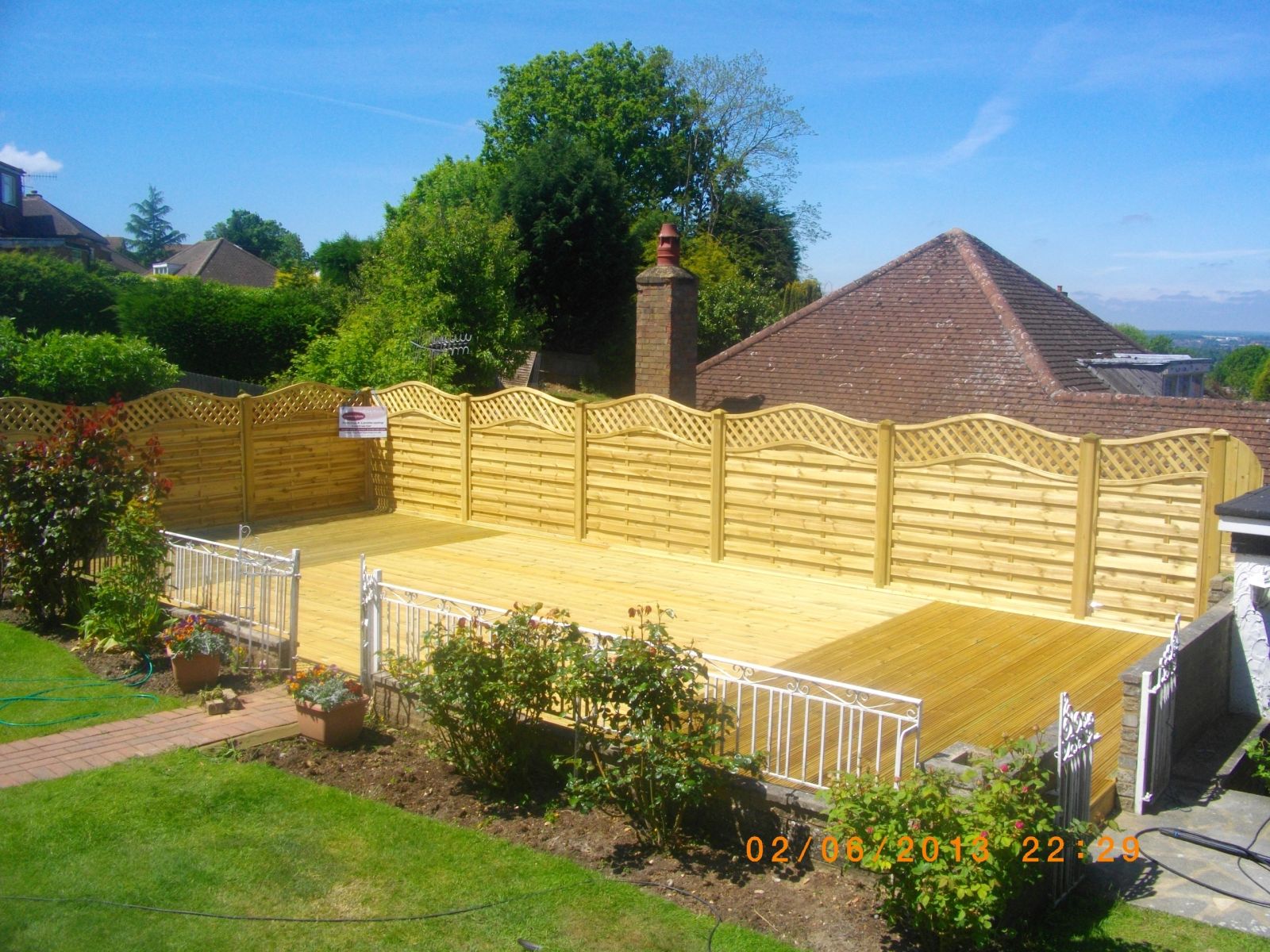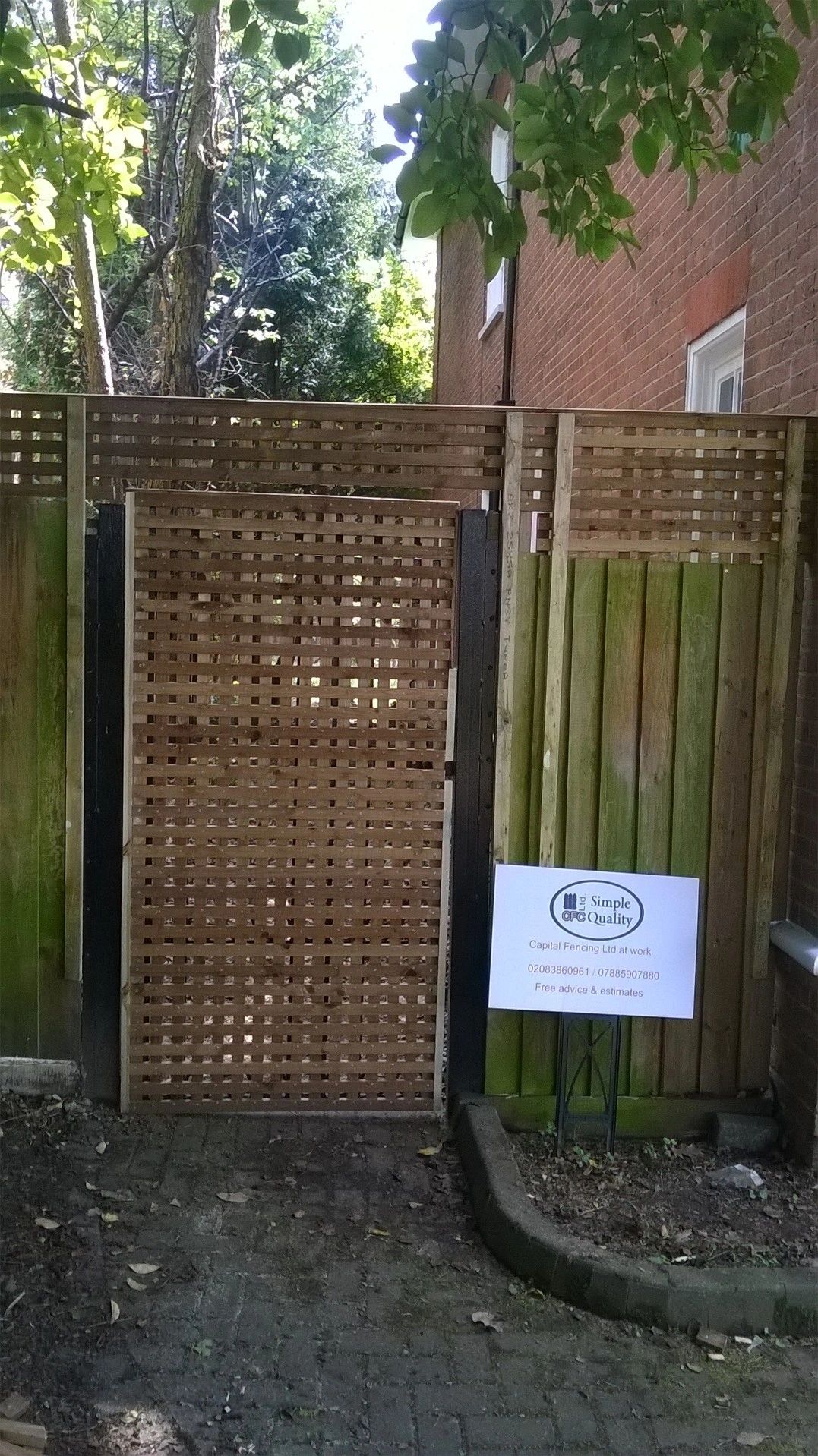
London & Hertfordshire Free Site Visit
bespoke wooden gate installed by Capital Fencing in Finchley (N3)
Finchley · N3 / N12

Security & Access Gates in Finchley — Built for how the structure performs under real use, not a showroom drawing

Security & Access Gates in Finchley is a specific brief for us — residential and small-commercial clients wanting secure access — anti-lift hinges, deadlocking, prep for entry systems. The default local answer isn't a stock catalogue drop: it's steel or hardwood framed, anti-lift ball-race hinges, deadlocking hardware, cabling duct pre-run to the intercom position. On Finchley sites we also spec around tree-root activity in clay soil regularly lifts old fence runs — full re-set is the typical brief, which is where a lot of security access gates jobs quietly fail two years in. Roads such as Fallow Court Avenue and East End Road are typical of the local layout. Victoria Park (Finchley) is a useful local reference point. Fallow Court Avenue and Squires Lane share a back-alley layout with a pedestrian corridor running between the plots.

Security & Access Gates in Finchley is a specific brief for us — residential and small-commercial clients wanting secure access — anti-lift hinges, deadlocking, prep for entry systems. The default local answer isn't a stock catalogue drop: it's steel or hardwood framed, anti-lift ball-race hinges, deadlocking hardware, cabling duct pre-run to the intercom position. On Finchley sites we also spec around tree-root activity in clay soil regularly lifts old fence runs — full re-set is the typical brief, which is where a lot of security access gates jobs quietly fail two years in. Roads such as Fallow Court Avenue and East End Road are typical of the local layout. Victoria Park (Finchley) is a useful local reference point. Fallow Court Avenue and Squires Lane share a back-alley layout with a pedestrian corridor running between the plots.

Why this spec, for residential and small-commercial clients wanting secure access — anti-lift hinges, deadlocking, prep for entry systems

  • anti-lift hinge geometry as standard — a swing gate should not lift off the pins
  • prep work done for automation and access control even when it's phased for later
  • we co-ordinate with the intercom, mag-lock or GSM installer so cabling routes are right first time

Typical security access gates briefs in Finchley

  • matched pedestrian and vehicle gates cabled for GSM intercom and keypad entry
  • steel-framed pedestrian access gate with mag-lock and key-override for a small commercial forecourt
Default spec

How we build security access gates in Finchley

steel or hardwood framed, anti-lift ball-race hinges, deadlocking hardware, cabling duct pre-run to the intercom position. On Finchley jobs we adjust for tree-root activity in clay soil regularly lifts old fence runs — full re-set is the typical brief.

Property mix locally: Edwardian terraces in Church End, large semis around Hampstead Garden Suburb borders, and 1930s housing in Woodside Park. Typical gardens: mid to large gardens; mature trees and London clay are the recurring constraints. Postcodes we regularly service: N3, N12.

What goes wrong

Common failure modes on security access gates

  • domestic hinges on a security gate — trivially lifted off
  • no separate escape release on a mag-locked pedestrian gate — building-control issue on an occupied premises

Security & Access Gates FAQs — Finchley

Are hardwood gates as secure as steel?

On security access gates jobs in Finchley (N3), our default answer is: steel or hardwood framed, anti-lift ball-race hinges, deadlocking hardware, cabling duct pre-run to the intercom position. For context: prep work done for automation and access control even when it's phased for later. Structural spans and post depths calculated, not guessed.

Can you fit anti-lift hinges on a wooden gate?

Across Finchley we spec around tree-root activity in clay soil regularly lifts old fence runs — full re-set is the typical brief, so on security access gates that usually means hardwood on galvanised anti-lift hinges. We'll walk you through anti-lift hinge geometry as standard — a swing gate should not lift off the pins on the site visit before you commit.

Do you prep for future automation without installing it now?

Barnet coverage means we can survey most N3 addresses inside a week — residential and small-commercial clients wanting secure access — anti-lift hinges, deadlocking, prep for entry systems. The honest trade-off is domestic hinges on a security gate — trivially lifted off — which is exactly what our default spec designs out.

Can the pedestrian and vehicle gates share entry control?

Practically: hardwood driveway gates with anti-lift hinges, key-lockable drop bolt and prep for intercom cabling. That's the Finchley version of this job, not a generic one. For context: prep work done for automation and access control even when it's phased for later. Structural spans and post depths calculated, not guessed.

How do you handle escape release on a mag-locked gate?

On security access gates jobs in Finchley (N3), our default answer is: steel or hardwood framed, anti-lift ball-race hinges, deadlocking hardware, cabling duct pre-run to the intercom position. The honest trade-off is domestic hinges on a security gate — trivially lifted off — which is exactly what our default spec designs out.

Recent security & access gates work
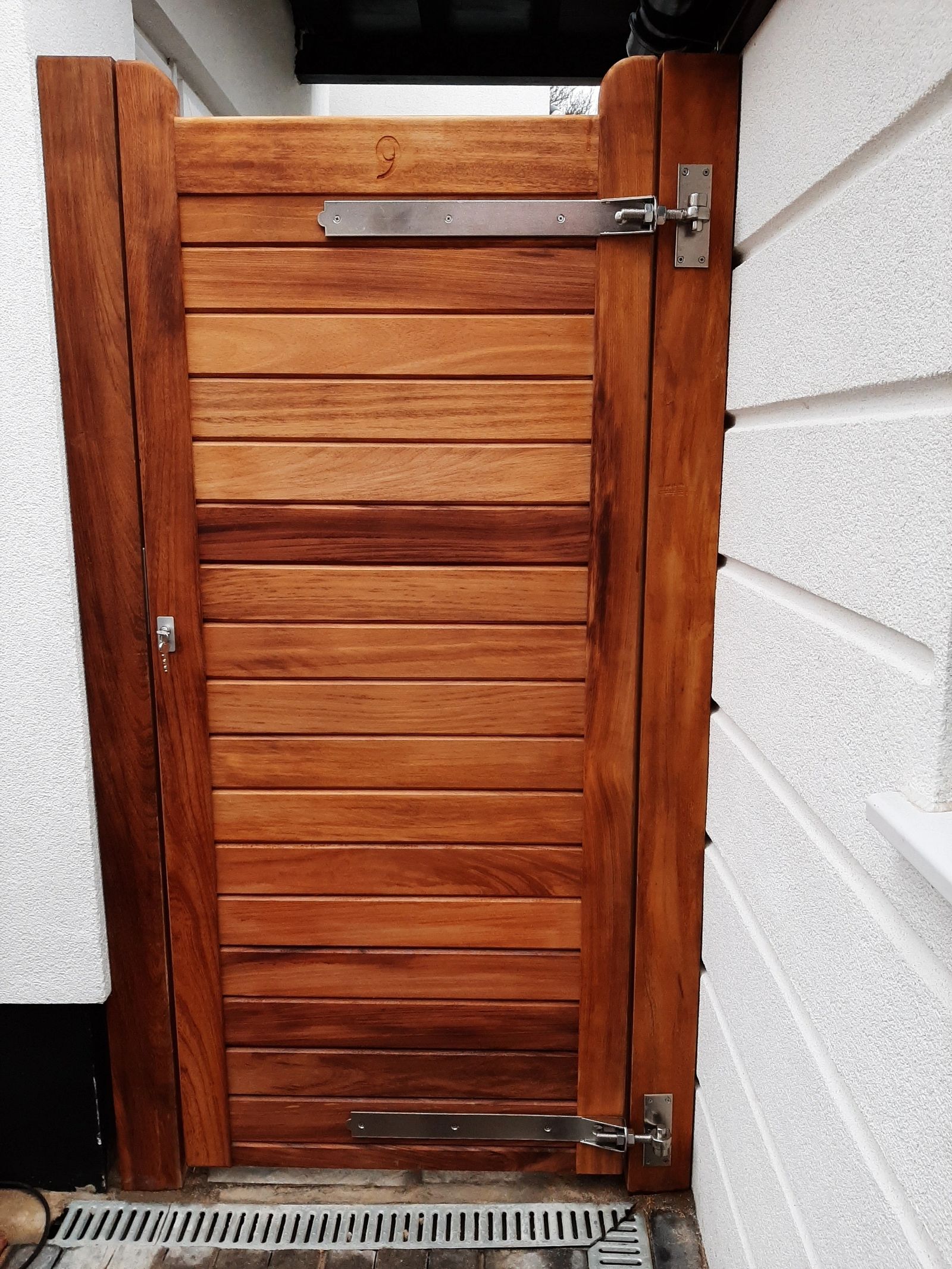
bespoke wooden gate installed by Capital Fencing in Finchley (N3)double driveway gates installed by Capital Fencing in Finchley (N3)hardwood side gate installed by Capital Fencing in Finchley (N3)metal entrance gate installed by Capital Fencing in Finchley (N3)

How we approach security & access gates on Finchley properties

Repairing a fence where only hand tools will fit

A narrow side passage or a fence set hard against a building can rule out power tools with any real footprint, meaning a repair has to be done with hand saws, hand augers and manual mixing rather than the equipment that would normally speed the job up.

This mainly affects timing rather than the quality of the repair itself, since the same joints and fixings can be achieved by hand, just more slowly than with powered equipment.

Diagnosing squeaks and creaks in gate hardware

A squeak or creak from a gate is almost always dry friction at a hinge pin, pivot or roller rather than a structural fault, and it's worth locating the exact source by working the gate slowly through its swing rather than assuming which hinge is responsible.

Cleaning out old, dirt-laden grease before applying fresh lubricant gives a longer-lasting fix than simply oiling over grit that's already worked into the bearing surface.

Disposing of rotten timber and green waste from a repair

Rotten fence timber is general waste rather than green waste, and larger quantities from a full-run repair usually need a licensed waste carrier or a permitted tip run rather than a domestic green bin, which only takes garden material.

Treated timber in particular shouldn't be burned on site, since older treatments can contain preservatives that produce harmful smoke, so timber waste from a repair should be taken away rather than disposed of on the plot.

Wind loading and bay spans on taller runs

Taller, solid-faced security screens catch more wind than an open panel fence, so bay spans are shortened and post sections are upsized on exposed boundaries rather than kept at a garden-fence default.

On an open plateau or a boundary that runs the full length of a plot with nothing breaking the wind, that adjustment is the difference between a run that stands for years and one that racks at the first proper storm.

Overhanging branches crossing a boundary line

A property owner generally has the right to cut back branches or roots that cross the boundary from a neighbour's tree, up to the boundary line, though the cut material technically still belongs to the tree's owner and should be offered back.

This self-help right doesn't apply where the tree is protected by a Tree Preservation Order or sits in a conservation area, in which case permission is needed before cutting.

Where a fence line is being planned near an overhanging tree, checking the tree's protected status first avoids inadvertently carrying out unauthorised work.

Douglas fir for structural fencing timber

Douglas fir is a stronger, stiffer softwood than typical whitewood or redwood, with a pronounced grain pattern and moderate natural durability in its heartwood, making it a common choice for structural posts and gate framing rather than boarding.

Its resin content is generally lower than pine, which reduces the risk of resin bleed showing through a painted or stained finish.

Because of its strength-to-weight ratio it's often specified for longer unsupported spans, such as wide gate frames, where a lighter section still needs to resist twisting under its own weight.

Conservation area consent process and fees

Applications affecting conservation areas or listed curtilage structures are usually submitted through the same planning portal as a standard householder application, with an additional heritage statement often required to justify the proposed materials and design against the area's character.

Determination periods and validation requirements are broadly the same as ordinary planning applications, typically eight weeks for a straightforward decision, though heritage input from a conservation officer can extend that where the proposal is contentious.

Fees for these applications follow the standard national planning fee schedule rather than a separate heritage tariff, so cost isn't usually the barrier — the main risk is a longer timeline if amendments are requested.

Adjustable bolt-on hinges for metal gates

Adjustable bolt-on hinges, common on metal driveway gates, let the gate's height and pitch be fine-tuned after fitting via a bolt and welded bracket rather than needing the hinge repositioned entirely.

These are useful where ground level or post position isn't perfectly fixed, since small adjustments can be made without unbolting the gate from the post.

Digging in waterlogged winter ground

A post hole dug in saturated winter ground can collapse in on itself before concrete goes in, particularly in sandy or silty soils that don't hold a vertical face when wet.

Digging a slightly wider hole and using a temporary former — a section of pipe or shuttering — to hold the sides while concrete is placed can rescue a hole that would otherwise keep sloughing back in.

Where conditions are bad enough that holes won't stay open at all, it's often more efficient to wait for a drier spell than to keep re-digging the same collapsing hole through a single working day.

Why storm damage clusters at certain bays

Storm damage rarely hits a run evenly — a bay at the end of a straight run, or one next to a gap such as a gate, usually takes more wind load than the bays either side and fails first.

When repairing storm damage we check the bays either side of the failure too, since a post that's been leaned on hard by a falling neighbour is often compromised even if it's still standing.

Boundary fencing around church grounds

Church grounds often combine a public-facing boundary that needs to stay welcoming during opening hours with a requirement to secure the building and any lead roof or metalwork against theft outside those hours, which can mean a lower decorative railing at the frontage and a more solid, higher-security line around the building itself.

Listed building status is common on older churches, so railing style and any new fixing into existing stone or brick boundary walls usually needs consent before work starts.

Fencing a boundary alongside a watercourse

A boundary running alongside a stream, ditch or river usually needs consent from the relevant authority before fencing work close to the watercourse, since works within a defined distance of the bank can affect flood flow or maintenance access.

Posts are kept clear of the bank edge itself where erosion risk is present, and a fence design that could trap floating debris during high flow is generally avoided in favour of an open rail or wire design on that specific stretch.

Repairing a fence smothered by a neighbour's overgrown vegetation

Ivy, brambles or an overgrown hedge growing through and over a fence from next door often has to be cut back before the extent of the damage underneath can even be assessed properly, and that cutting back needs the neighbour's agreement if the growth originates on their side.

Vegetation left growing through a repaired section will usually cause the same damage again, so flagging this to the client as an ongoing issue rather than just repairing around it is worth doing.

Working around overhead power or telecoms lines during repair

A post repair beneath an overhead service line limits how tall equipment or extended tools can be used safely, and any post reset in that position needs the same overhead clearance considered as it would during a new installation.

Where a line runs close to the repair, checking clearance and, if needed, contacting the network operator before starting is worth doing even for what looks like a routine single-post job.

Hitting services when digging for a repair

A post-hole repair dug in the same spot as the original footing carries less risk of hitting a buried service than a hole dug in new ground, but any repair that shifts a post position even slightly should be checked against known service runs first.

Cable and pipe locations aren't always where drawings suggest, particularly on an older property, so digging with care near the first sign of resistance is standard practice.

Repairing fence sections undermined by fox or badger digging

A gap dug beneath a gravel board or the base of a panel is usually a fox rather than a badger unless it's part of a larger, more established sett system, and the repair approach differs depending on which is causing it.

Fox damage can usually be repaired by reinforcing the base with a buried mesh skirt or a deeper gravel board, but any active badger sett close to the boundary is legally protected and needs specialist advice before any digging near it as part of the repair.

Neighbourhood plan policies on boundary treatments

Some areas have an adopted neighbourhood plan alongside the wider local plan, which can include specific policies on boundary treatments, hedging, or street character that planning officers take into account.

These policies are most relevant when a planning application is genuinely needed, rather than affecting works that fall within standard permitted development rights.

Where a proposed boundary change does need permission, checking whether a neighbourhood plan applies locally can help anticipate what the council is likely to expect.

Boundary fencing near basement lightwells

Properties with a basement lightwell or sunken front area need fencing or railings around the opening itself for safety, independent of the main boundary treatment facing the street.

Post foundations for a fence running close to a lightwell need checking against the lightwell's own retaining structure, since digging a standard post hole too close to an unsupported excavation edge risks undermining it.

Drainage from a raised boundary or planting bed above a lightwell also needs directing away from the opening, since a fence that funnels rainwater toward a basement window is a bigger problem than the fence itself.

Low-voltage lighting built into decking

Recessed low-voltage deck lights, usually built into the timber before boards are laid, extend a deck's usable hours into the evening without the trip hazard of surface-mounted fittings.

Cable routes need planning before the substructure is closed in, since retrofitting lighting into a finished deck usually means lifting boards rather than a simple add-on.

Outdoor low-voltage systems still need a transformer and cabling installed to the relevant electrical safety standard, even though the voltage itself is lower than mains.

Planning enforcement notices on unauthorised boundaries

Councils have enforcement powers to require unauthorised boundary structures to be altered or removed, usually triggered by a neighbour's complaint or a routine site visit for unrelated work.

There are time limits on enforcement action for most breaches, though these vary by the type of breach and don't apply to work within a conservation area or affecting a listed building in the same way.

Responding promptly and cooperatively to any enforcement contact from a council generally leads to a better outcome than ignoring it.

Freeholder consent for leasehold flats

Where a garden or yard is demised under a long lease rather than owned outright, the lease itself often requires the freeholder's written consent before any structural alteration, and a new fence, wall or gate can count as an alteration even in a small private yard.

Some leases route this through a managing agent who needs formal notice and a fee before works start, and skipping that step can technically breach the lease even where the work itself is uncontroversial.

It's worth reading the relevant clause of the lease, or asking the managing agent directly, rather than assuming that owning the flat gives unrestricted rights over its garden boundary.

Historic ha-ha and ditch boundaries

Some older rural and semi-rural Hertfordshire properties retain a ha-ha — a sunken ditch-and-wall boundary designed to keep a view open while still containing livestock — rather than a conventional fence line.

Where a ha-ha exists on a historic estate boundary, it's sometimes a designated heritage feature in its own right, in which case altering or fencing over it needs the same care as any other listed landscape feature.

More often a ditch boundary is simply a drainage feature rather than a heritage one, in which case a fence set back from the ditch edge, rather than spanning it, avoids undermining the bank.

Security & Access Gates across N3, N12 is a regular run for us. We'll quote honestly, tell you if security access gates isn't the right answer for your site, and book the job in within a week or two of a signed quote. structural spans and post depths calculated, not guessed. Roads such as Nether Street and East End Road are typical of the local layout. Avenue House gardens is a useful local reference point. The Church End Conservation Area covers much of the historic centre around Avenue House.

Get In Touch

Get My Free Quote — 24h Response

No callout fee · Free site visit · Friendly local team covering London & Hertfordshire.

Call us
07885907880
or 02036484746
Email
capital_fencing@yahoo.com
WhatsApp
Message us anytime
Area
London & Hertfordshire
Payment
Card payments accepted

Pay by debit or credit card, bank transfer or cash once the work and price are agreed. No deposit taken online.

Request a Free Quote

We'll get back to you within 24 hours.

Free Site Visit No Callout Fee
Call WhatsAppQuote