
How it's done
How to Lay Artificial Grass: The Steps That Matter
Last updated
The short answer
To lay artificial grass, clear the old lawn, dig out to depth, fix a firm edge, then build a compacted crushed stone sub base with a fine levelled top layer. Lay the rolls with the pile in one direction, tape and glue the joins, trim and fix the edges, and add infill if the product needs it.
At a glance
- Most important step
- A compacted, free draining sub base
- Avoid
- Laying straight onto soil or old grass
- Joins
- Pile all one way, taped and glued
- Ready to use
- As soon as it is fixed and brushed
Artificial grass looks right for years only when the ground beneath it is dug out, edged, compacted and levelled. The grass itself is the last and quickest part of the job.
Searches for laying or installing artificial grass, synthetic grass or an artificial lawn all lead to the same job. Rolls of grass are unrolled on a prepared base, trimmed and fixed. Whether the result stays flat and drains properly depends almost entirely on the preparation.
We lay artificial grass as part of our turfing and landscaping work. This guide explains each stage as it happens on site, so you can judge a quote, or understand why a cheaper method laid straight on soil tends to ripple and puddle.
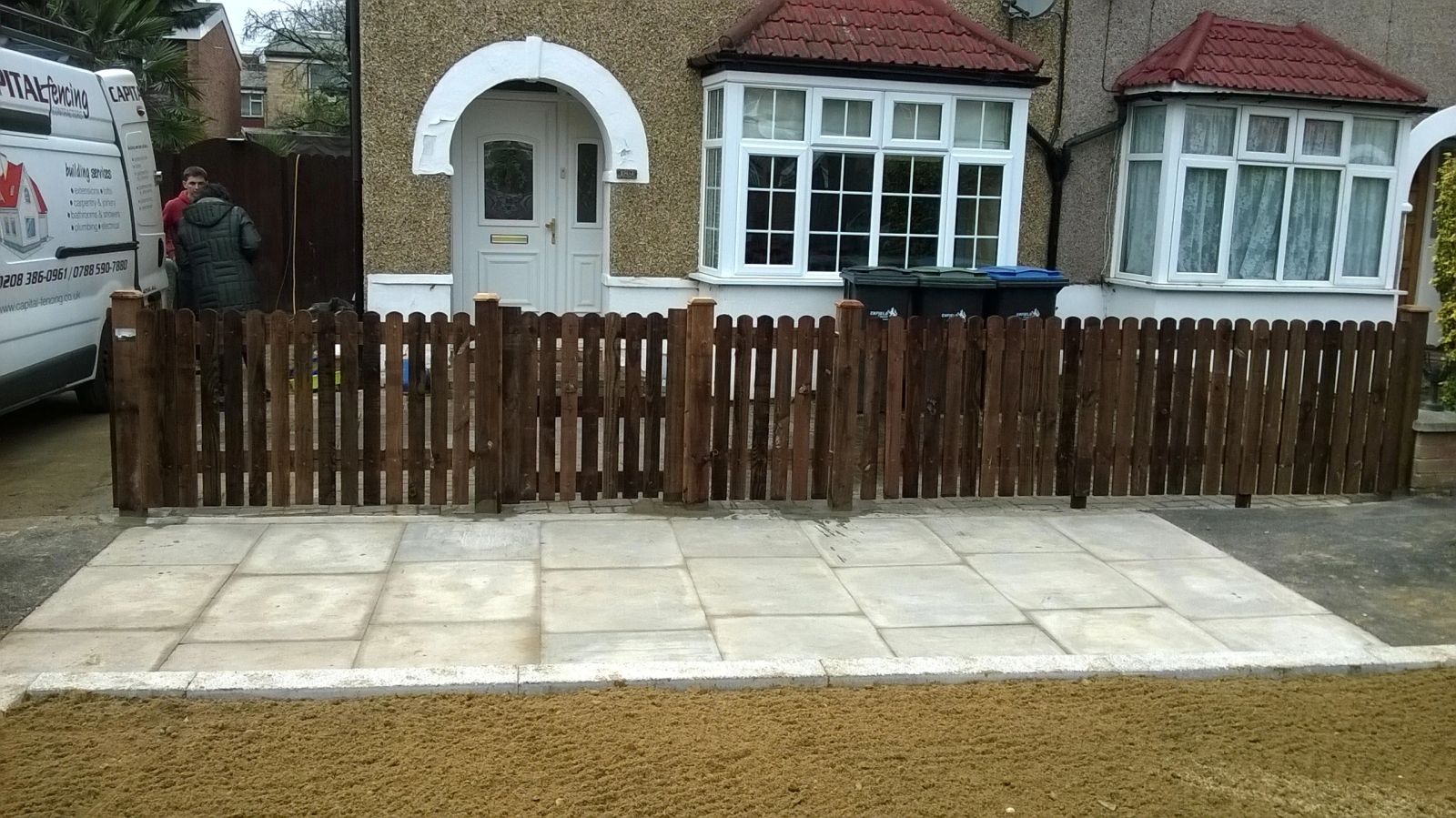
Clearing the existing lawn
The old grass, roots, weeds and stones are removed first. Laying over a living lawn leaves organic matter that rots and sinks unevenly, so the new surface develops soft hollows within a season or two.
This is also the moment to look for drainage problems. If the area already holds water after rain, the base needs to deal with it rather than simply hide it.
Excavating to the right depth
Soil is dug out so a layer of crushed stone can go in and still leave the finished grass at the level you want against patios, paths and door thresholds. Where the grass meets paving it normally finishes just below the paved edge so the pile does not ride up over it.
Dig carefully: buried electricity cables, gas pipes and water supplies often cross lawns, so trace their routes before the spade goes in.
Fixing a firm perimeter
A lasting edge stops the base spreading and gives the grass something to be fixed to. Timber, composite or metal edging and a concrete haunch are all used, chosen to suit the surrounding beds, fence lines and paving.
Where the lawn meets a new fence, the gravel boards and edging are planned together so neither interferes with the other.
Building and compacting the sub base
Crushed stone is spread in layers and compacted with a plate compactor until it does not move underfoot. A finer layer on top is screeded to an even surface with a slight fall where drainage needs help.
Compaction is the step most often skimped. A base that has only been raked flat will settle under feet, furniture and garden toys, and the dips show through the grass.
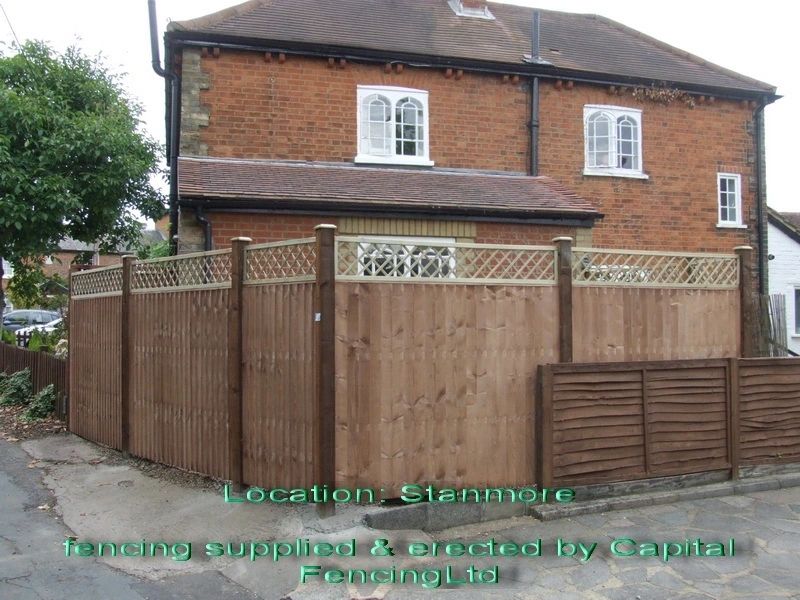
Membrane, rolls and joins
A weed membrane may go below or above the stone depending on the build. The rolls are then laid with the pile running the same way, because grass laid in different directions shows a visible change in shade.
Joins are made with jointing tape and adhesive, with the edges cut cleanly so no gap or overlap appears. Getting joins right is what separates a lawn that looks like one surface from one that looks pieced together.
Trimming, fixing and infill
Edges are trimmed tight to the perimeter and fixed so the grass stays taut. Some products then take a sand or other infill brushed into the pile to weigh it down and help the fibres stand up, while others are designed without it.
Once the grass is brushed up, it can be used straight away. There is no rooting period as there is with real turf.
When to call in a team
Small, level areas are sometimes manageable by a keen homeowner. Larger lawns, sloping ground, poor drainage, awkward access for removing soil, or grass meeting new paving and fencing usually benefit from one team doing all of it. Plant hire, skips and stone deliveries add up quickly too.
When we quote, we visit, check levels, drainage and access, then set out the excavation, base, edging and grass in a written quote.
Looking after it afterwards
Artificial grass is low maintenance rather than no maintenance. Leaves and blossom should be blown or raked off before they rot into the pile, and a stiff brush against the grain every few weeks keeps busy areas from flattening. Hot items such as barbecues and garden heaters should stay off it, because they can melt the fibres.
Want an artificial lawn that stays flat?
Send photos of the area and rough measurements. We will check levels, drainage and access before quoting the base and grass.
Frequently asked
Can artificial grass be laid on soil?
Laying straight onto soil is likely to produce dips and ripples as the ground settles. A compacted, free draining stone base is what keeps it flat.
Is synthetic grass installation different from artificial lawn installation?
No. Synthetic grass and artificial lawn are different names for the same product, and the installation method is the same.
Can artificial grass go over concrete or paving?
It can on a sound, drained surface with a suitable underlay, but water needs a way to get off the slab. We check the surface and falls before suggesting it.
Do you lay artificial grass on its own?
Yes. We lay artificial grass as a standalone job or as part of a fencing, decking or patio project, priced in a written quote after a visit.
Can I use artificial grass straight after it is laid?
Yes. Once it is fixed and brushed up it can be walked on immediately.