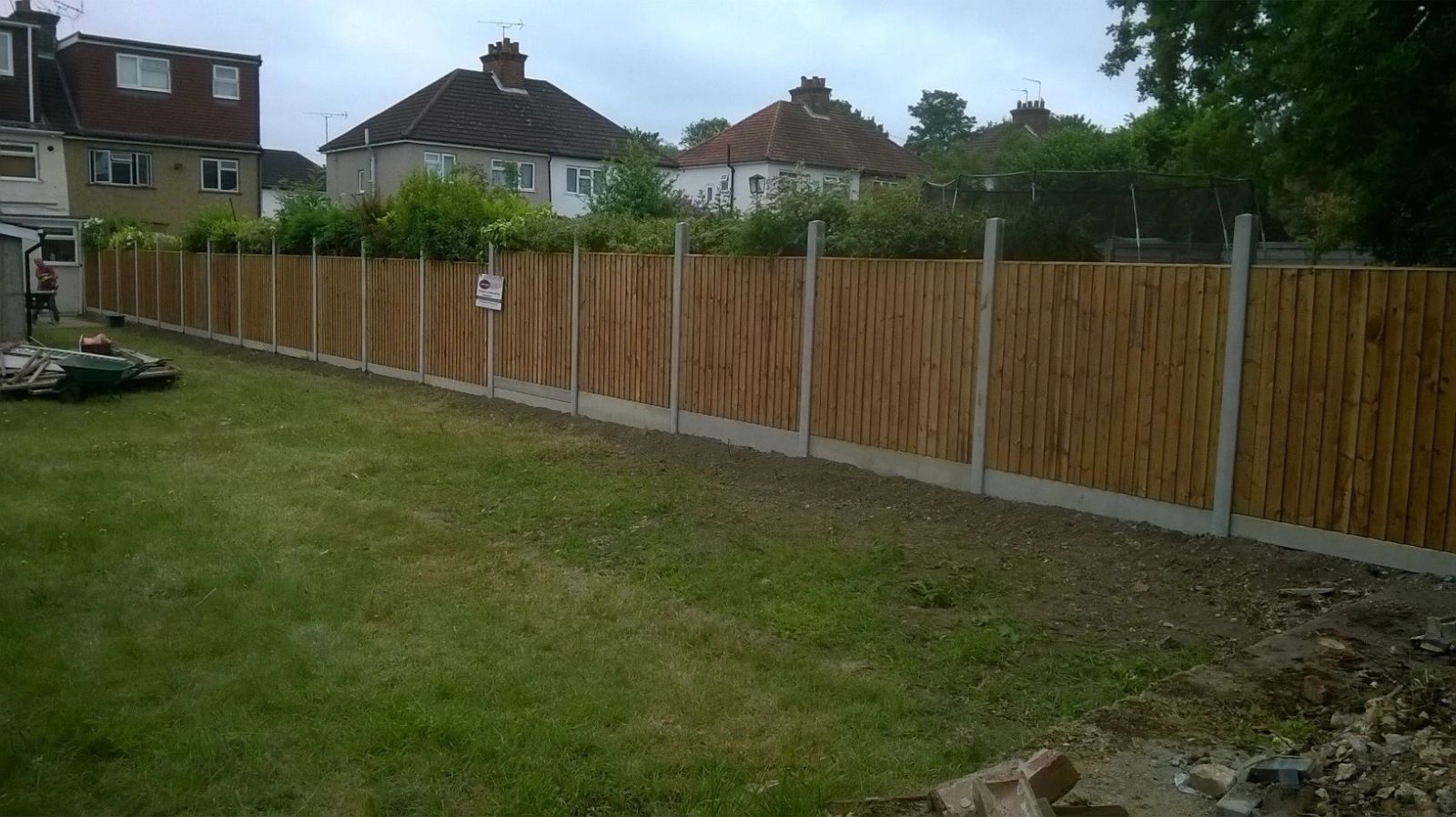
Conservation area designation exists to protect an area's overall character, and boundary treatments — walls, railings, fences and hedges — are often specifically covered because they're part of what defines a street's appearance from the public realm.
On-site checklist
- Confirm your specific conservation area's Article 4 direction before designing a front boundary change
- Prefer like-for-like replacement where in doubt
- Keep any correspondence with the council in writing
- Check rear boundary visibility from public land, not just from your garden
What typically needs checking
Front boundary changes visible from a public road or footpath are the most likely to need a check; rear boundary changes not visible from a public area are more often unaffected, but this varies by the specific Article 4 direction covering your area — we check rather than assume.
Matching original materials
Where a boundary treatment is being replaced like-for-like — matching the original wall, railing style or fence type — approval processes are often more straightforward than a change of style or material, since the character impact is minimal.
- Front boundaries visible from the street are the highest-scrutiny element
- Like-for-like replacement is generally more straightforward than a style change
- Article 4 directions vary by specific conservation area — check the exact designation for your street
Avoiding an enforcement issue
Undertaking unapproved work in a conservation area can lead to enforcement action requiring reversal at your cost — it's always worth a pre-application check with the council or asking us to flag anything borderline before work starts.
Property in a conservation area needing boundary work?
We'll help you understand what your specific designation actually requires and quote a design that's likely to sail through, not get flagged.
Common questions
Who confirms what is allowed in my conservation area?
Your local council's planning team. Each conservation area can have its own rules, so check with them for your address before any boundary is changed.
Does changing the fence material matter?
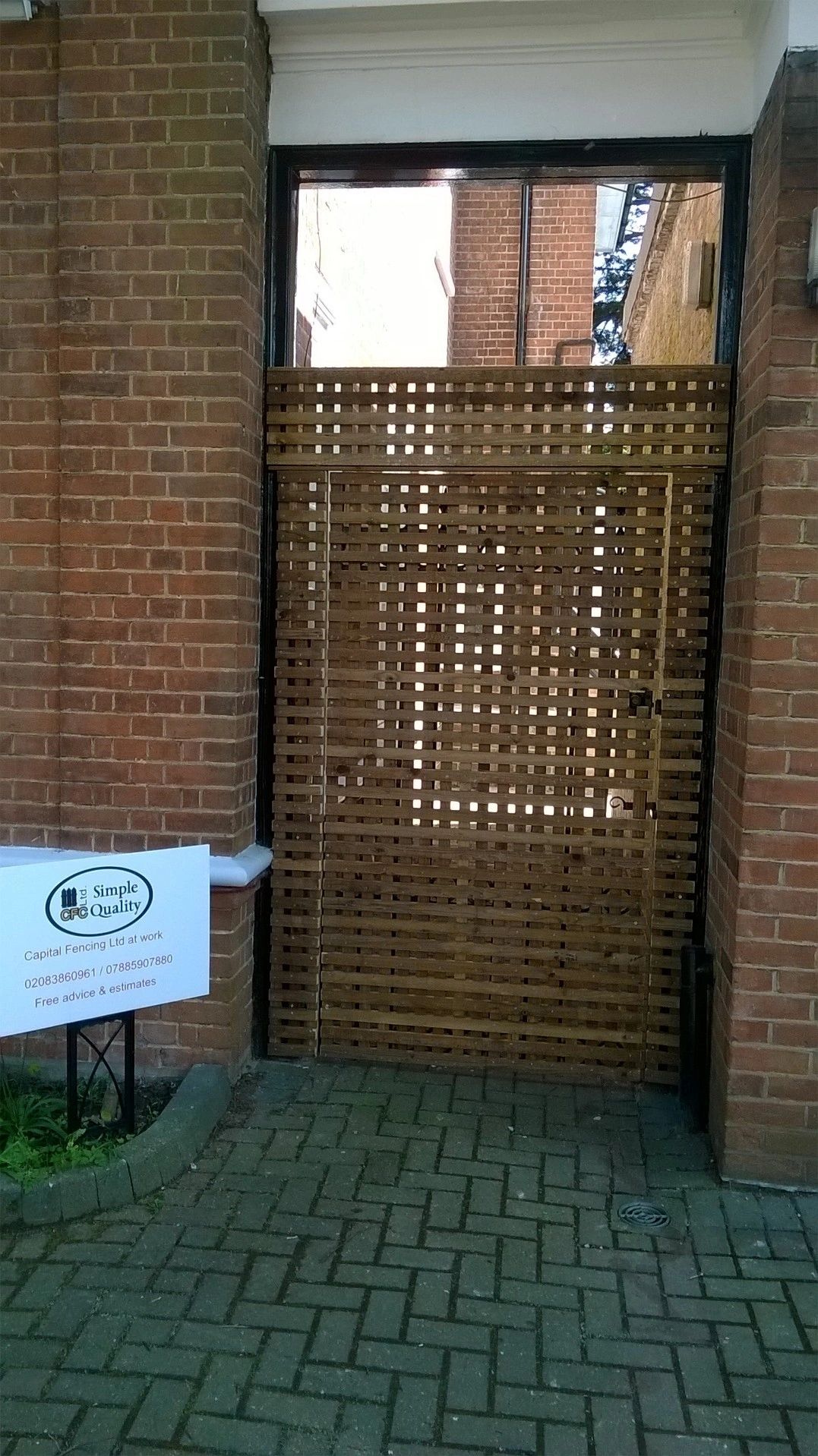
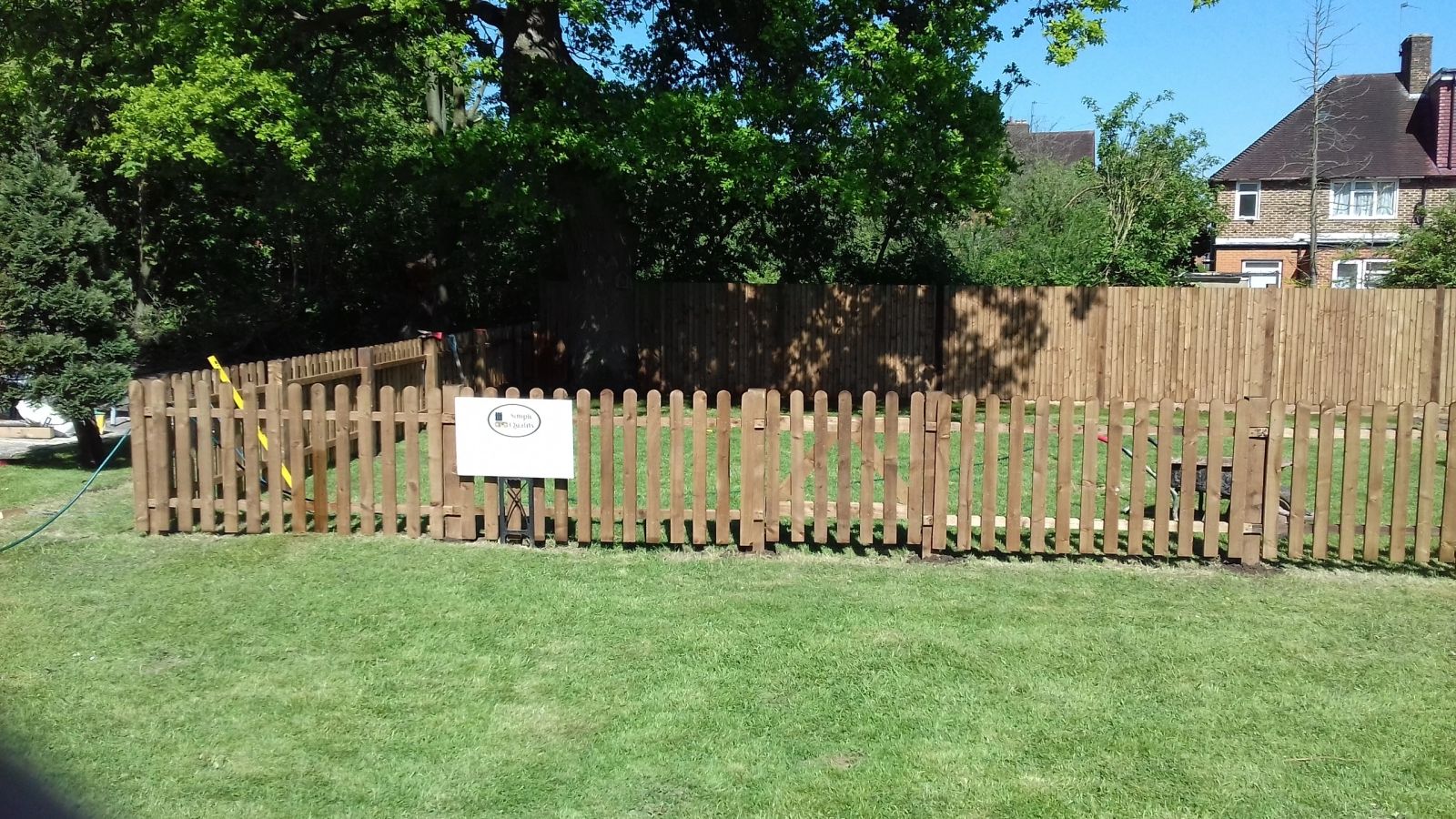
It can. Swapping, say, a timber front fence for metal railings or a different style may count as a change the council wants to review.
Will you help us plan a fence that suits a conservation area?
We talk through styles that suit the street at the visit to confirm. Any approval itself has to come from the council.
Do I need permission to replace a fence in a conservation area?
It depends on the specific Article 4 direction for your area and whether the boundary is visible from public land — check with the council or ask us to flag it on the site visit.
Is a rear garden fence covered by conservation area rules?
Often less strictly than a front boundary, particularly if not visible from a public road, but this varies by area — we don't assume either way.
Can I replace a fence like-for-like without permission in a conservation area?
Like-for-like replacement is often more straightforward, but 'often' isn't 'always' — some designations still require notification even for repairs.
What happens if I install a boundary without required approval?
The council can require it to be altered or removed at your cost, so it's worth checking before work starts rather than after.