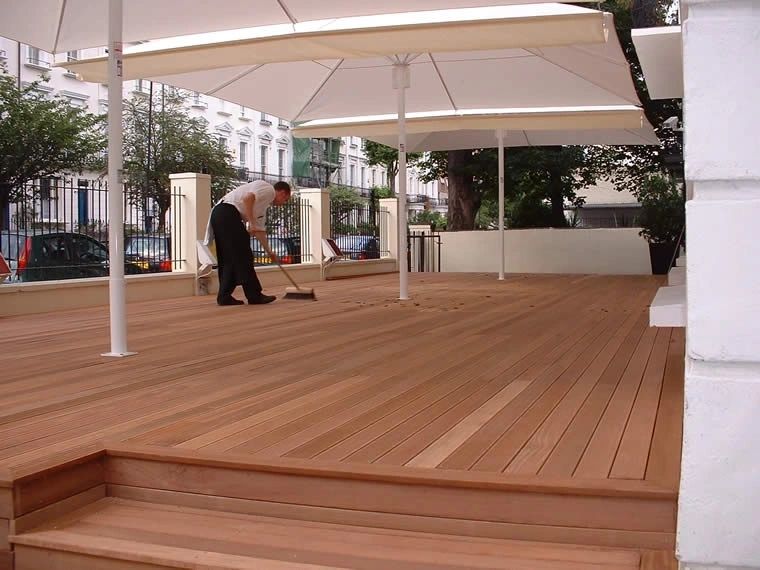
St Albans Hardwood Decking — Specified for AL1, AL2, AL3, AL4
St Albans sits inside our core patch — AL1 and the surrounding Herts area. On hardwood decking, that means we've already seen how victorian terraces, edwardian villas in marshalswick, and tudor / georgian properties near the cathedral behaves over a service life, and we spec accordingly. Recent work on Hatfield Road and Sandpit Lane. We orient jobs off Verulamium Park. Folly Lane rear boundary, mature trees. Closeboard around protected oak; posts hand-augered, no machinery on root plate. Approved by client's arboriculturalist on the spot.
St Albans sits inside our core patch — AL1 and the surrounding Herts area. On hardwood decking, that means we've already seen how victorian terraces, edwardian villas in marshalswick, and tudor / georgian properties near the cathedral behaves over a service life, and we spec accordingly. Recent work on Hatfield Road and Sandpit Lane. We orient jobs off Verulamium Park. Folly Lane rear boundary, mature trees. Closeboard around protected oak; posts hand-augered, no machinery on root plate. Approved by client's arboriculturalist on the spot.
How we build hardwood decking in St Albans
Yellow balau, ipe or iroko boards on treated softwood or hardwood joists. Standard build: 21mm yellow balau or 19mm ipe, secret-fix or countersunk, hardwood-rated screws. On St Albans jobs we adjust for extensive conservation areas mean fence heights and materials need to match the streetscape.
Property mix locally: Victorian terraces, Edwardian villas in Marshalswick, and Tudor / Georgian properties near the cathedral. Typical gardens: mature gardens, often with established hedging that needs lifting before fencing goes in. Postcodes we regularly service: AL1, AL2, AL3, AL4.
Why hardwood decking works here
- genuine 25-year plus service life on yellow balau or ipe when detailed properly
- richer natural colour and grain than any composite
- can be sanded and re-oiled indefinitely
Common St Albans briefs
- → commissioned landscape schemes where the deck is a design feature, not just a floor
- → premium rear gardens where a natural silver-grey patina is the desired finish
Hardwood Decking FAQs — St Albans
Can I let hardwood decking silver naturally?
Across St Albans (AL1), the honest answer depends on victorian terraces and mature gardens. In short: genuine 25-year plus service life on yellow balau or ipe when detailed properly, though requires annual oiling to keep the honey colour — otherwise silvers naturally.
How does hardwood compare to composite for slip resistance?
On St Albans jobs we spec around extensive conservation areas mean fence heights and materials need to match the streetscape, so the default is 21mm yellow balau or 19mm ipe, secret-fix or countersunk, hardwood-rated screws. Practically, that means richer natural colour and grain than any composite — and we're upfront that material cost is significantly higher than softwood and often composite.
Which hardwood lasts longest for decking in the UK climate?
St Albans City and District coverage and M25 J21A / M1 J6 access means we can survey most AL1 addresses inside a week. We'll walk you through both genuine 25-year plus service life on yellow balau or ipe when detailed properly and requires annual oiling to keep the honey colour — otherwise silvers naturally on the site visit before you commit.
Can you build a hardwood deck on top of an existing concrete slab?
We've installed hardwood decking across St Albans — from Porters Wood through to the quieter streets toward hatfield. Practically, that means richer natural colour and grain than any composite — and we're upfront that material cost is significantly higher than softwood and often composite.
How do you handle end-grain sealing on hardwood decks?
Across St Albans (AL1), the honest answer depends on victorian terraces and mature gardens. We'll walk you through both genuine 25-year plus service life on yellow balau or ipe when detailed properly and requires annual oiling to keep the honey colour — otherwise silvers naturally on the site visit before you commit.
Recent hardwood decking work
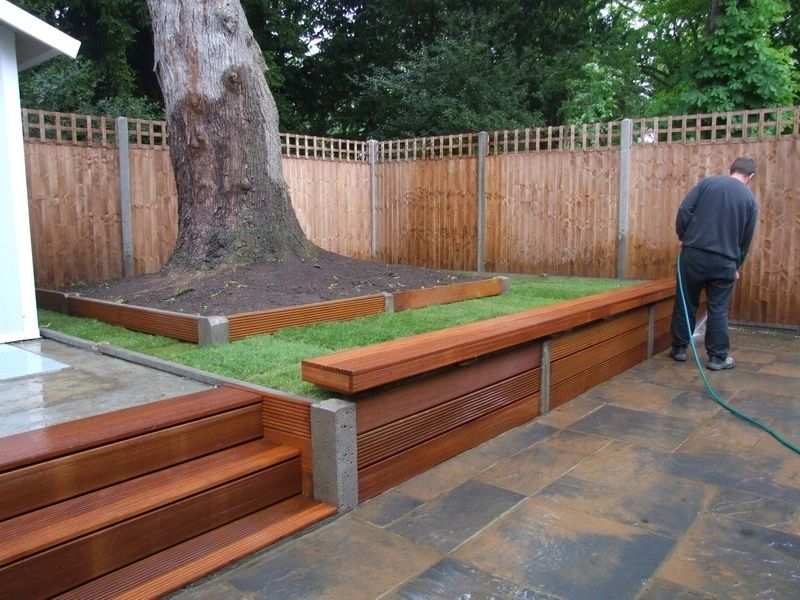
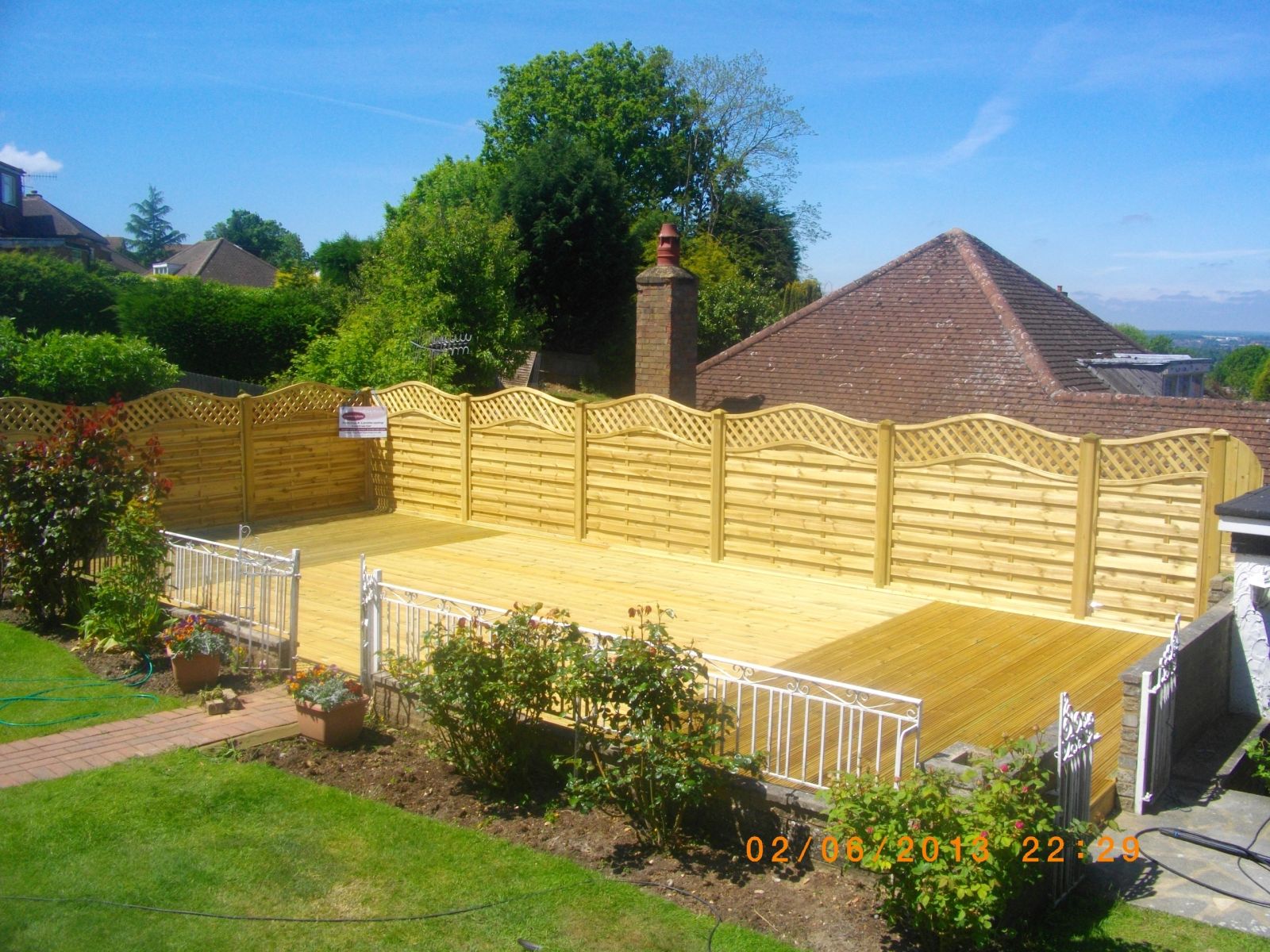
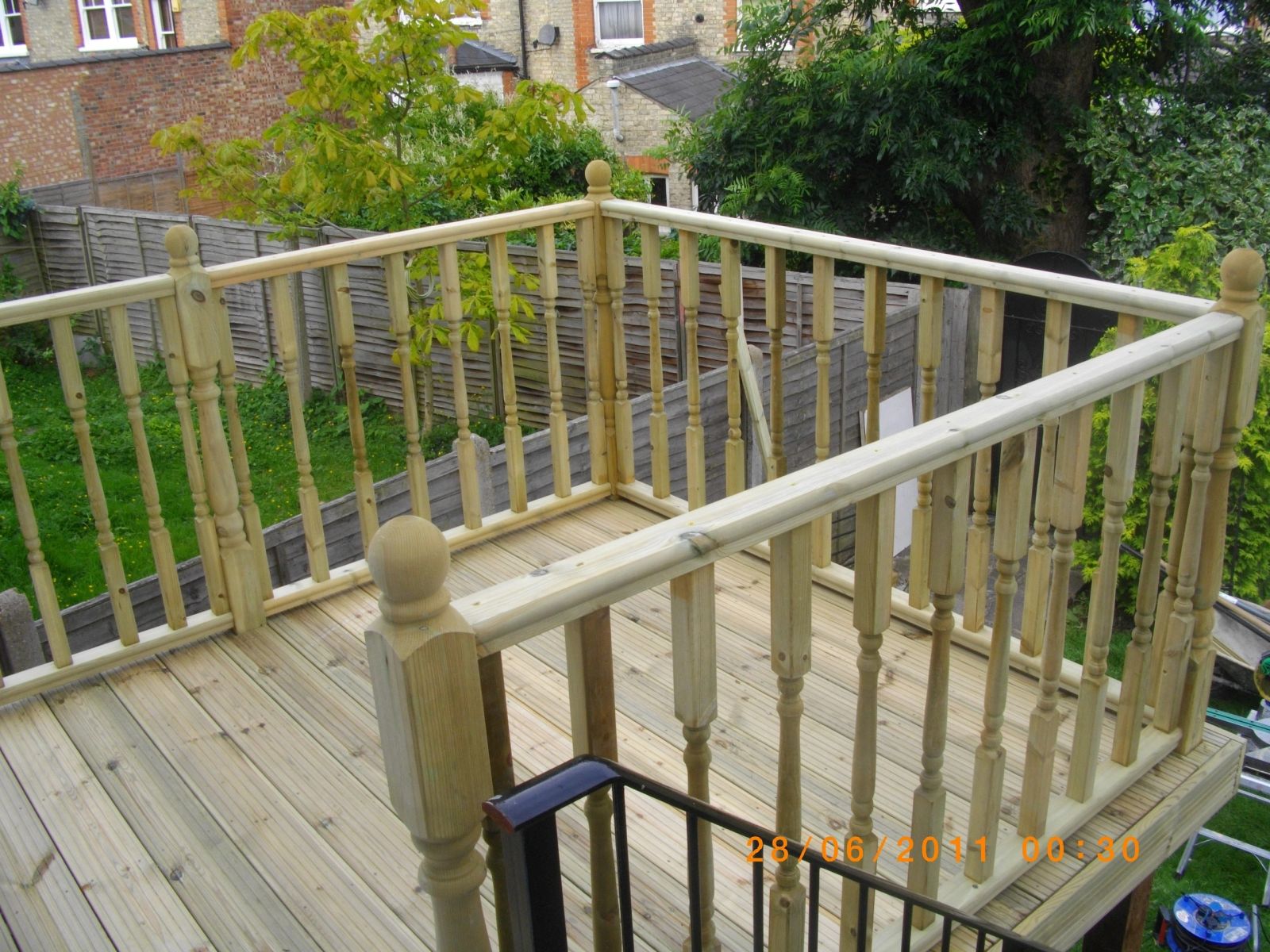
Hardwood Decking across AL1, AL2, AL3, AL4 is one of our regular runs. We'll quote honestly, tell you if hardwood decking isn't the right answer for your garden, and book the job in within a week or two of a signed quote. Recent work on Hatfield Road and London Road. We orient jobs off St Albans City station. Sandpit Lane front picket replacement. Painted softwood picket on oak posts, period profile. Replaced a failed concrete-and-panel line with something appropriate to the street.
Get My Free Quote — 24h Response
No callout fee · Fully insured · Friendly local team covering London & Hertfordshire.