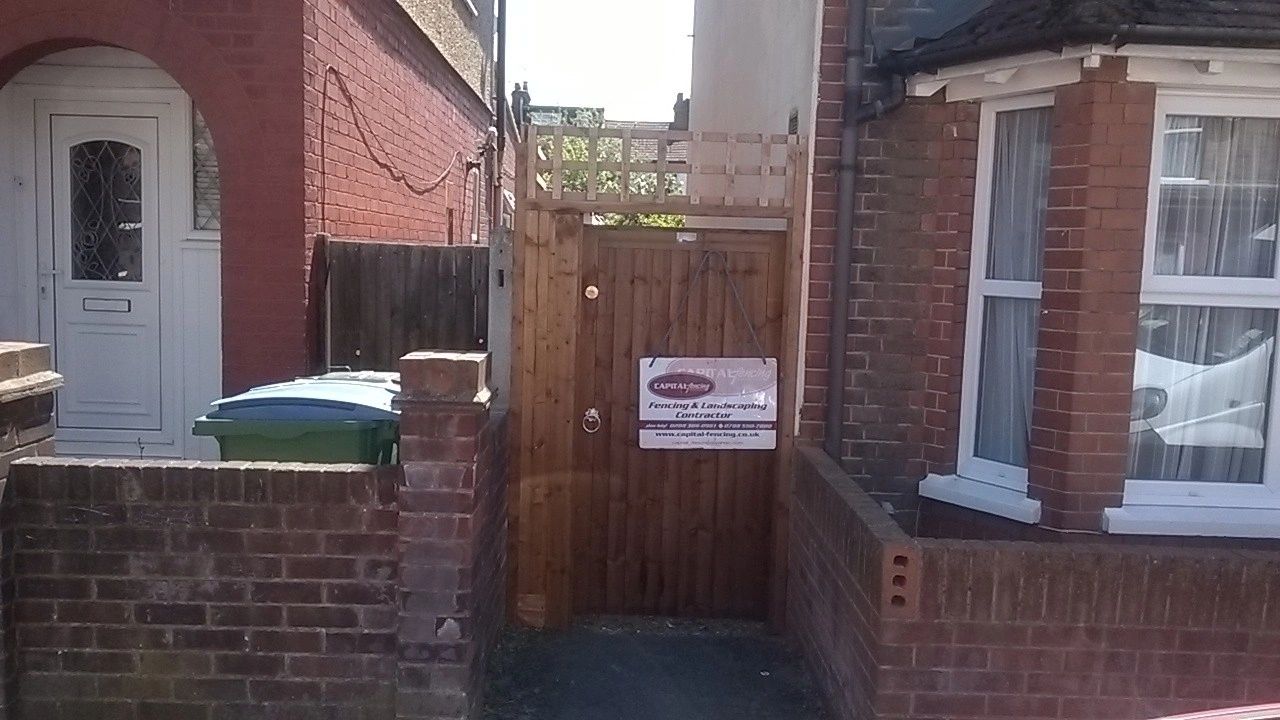
Stevenage Wooden Gates — Specified for SG1, SG2
Stevenage sits inside our core patch — SG1 and the surrounding Herts area. On wooden gates, that means we've already seen how post-war planned housing across chells, shephall and bedwell, plus older properties in stevenage old town behaves over a service life, and we spec accordingly. Recent work on Broadhall Way and Walkern Road. We orient jobs off Fairlands Valley Park. Old Town High Street rear yard. Hit-and-miss panels to a 2.1m commercial spec. Replaced damaged perimeter behind a retail unit.
Stevenage sits inside our core patch — SG1 and the surrounding Herts area. On wooden gates, that means we've already seen how post-war planned housing across chells, shephall and bedwell, plus older properties in stevenage old town behaves over a service life, and we spec accordingly. Recent work on Broadhall Way and Walkern Road. We orient jobs off Fairlands Valley Park. Old Town High Street rear yard. Hit-and-miss panels to a 2.1m commercial spec. Replaced damaged perimeter behind a retail unit.
Why wooden gates works here
- warm, matches most period and modern properties without looking industrial
- easily re-sanded and re-oiled to refresh the finish every few years
- hardwood options like iroko regularly outlast the ironmongery
Where wooden gates isn't the right answer
- •softwood side gates need re-treating annually to avoid black spot
- •timber moves seasonally — expect small alignment adjustments in year one
We'll say so on the site visit — a wasted quote helps nobody.
How we build wooden gates in Stevenage
Iroko hardwood, oak or planed softwood on hot-dip galvanised ironmongery. Standard build: 44mm framed, tongue-and-groove infill, adjustable ball-race hinges, drop bolt to slabs. On Stevenage jobs we adjust for shared-with-neighbour fence runs are the norm — quotes need to cover boundary checks first.
Property mix locally: post-war planned housing across Chells, Shephall and Bedwell, plus older properties in Stevenage Old Town. Typical gardens: modest rectangular plots, typically flat, with rear access alleyways on the planned estates. Postcodes we regularly service: SG1, SG2.
Common Stevenage briefs
- → driveway double gates — softwood or hardwood, manual or automated
- → side gates matching a closeboard or panel boundary
Wooden Gates FAQs — Stevenage
Softwood or hardwood — which lasts longer in the London weather?
Across Stevenage (SG1), the honest answer depends on post-war planned housing across chells and modest rectangular plots. We'll walk you through both warm, matches most period and modern properties without looking industrial and timber moves seasonally — expect small alignment adjustments in year one on the site visit before you commit.
What ironmongery do you fit as standard?
On Stevenage jobs we spec around shared-with-neighbour fence runs are the norm — quotes need to cover boundary checks first, so the default is 44mm framed, tongue-and-groove infill, adjustable ball-race hinges, drop bolt to slabs. We'll walk you through both warm, matches most period and modern properties without looking industrial and timber moves seasonally — expect small alignment adjustments in year one on the site visit before you commit.
Can wooden gates be automated?
Stevenage Borough coverage and A1(M) J7 / J8 access means we can survey most SG1 addresses inside a week. Practically, that means easily re-sanded and re-oiled to refresh the finish every few years — and we're upfront that softwood side gates need re-treating annually to avoid black spot.
How do you finish wooden gates to resist rot?
We've installed wooden gates across Stevenage — from Gunnels Wood industrial area through to the quieter streets toward hitchin. We'll walk you through both warm, matches most period and modern properties without looking industrial and timber moves seasonally — expect small alignment adjustments in year one on the site visit before you commit.
Do you build gates to match an existing fence?
Across Stevenage (SG1), the honest answer depends on post-war planned housing across chells and modest rectangular plots. We'll walk you through both warm, matches most period and modern properties without looking industrial and timber moves seasonally — expect small alignment adjustments in year one on the site visit before you commit.
Recent wooden gates work
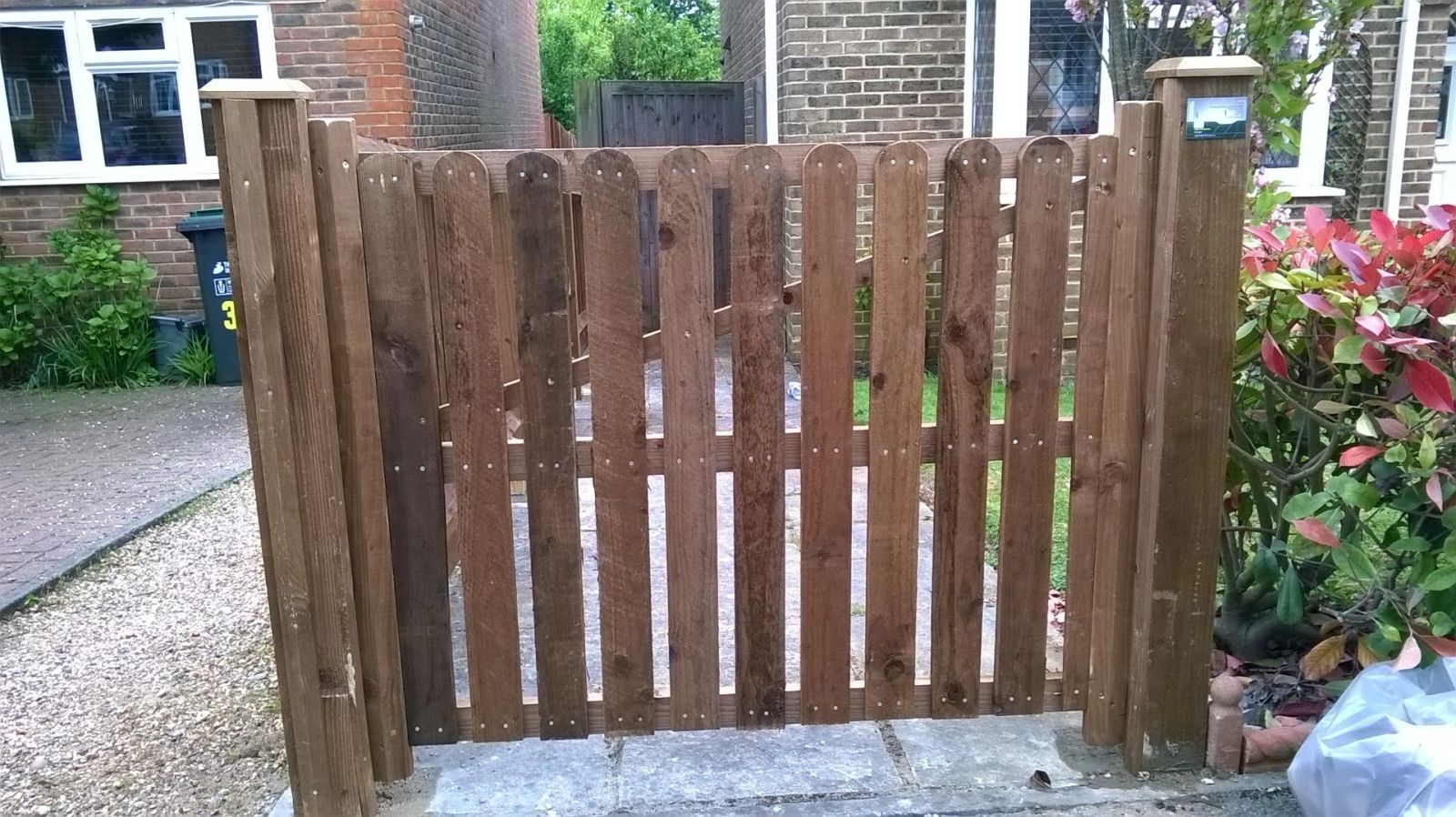
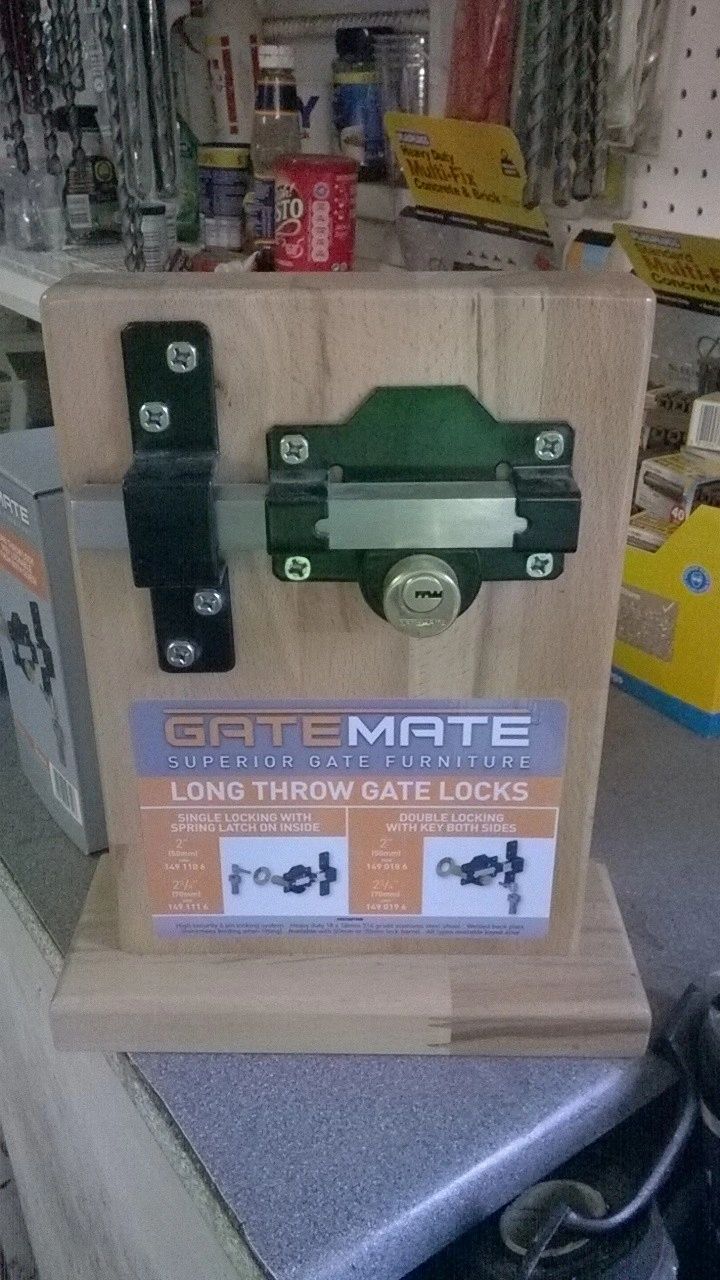
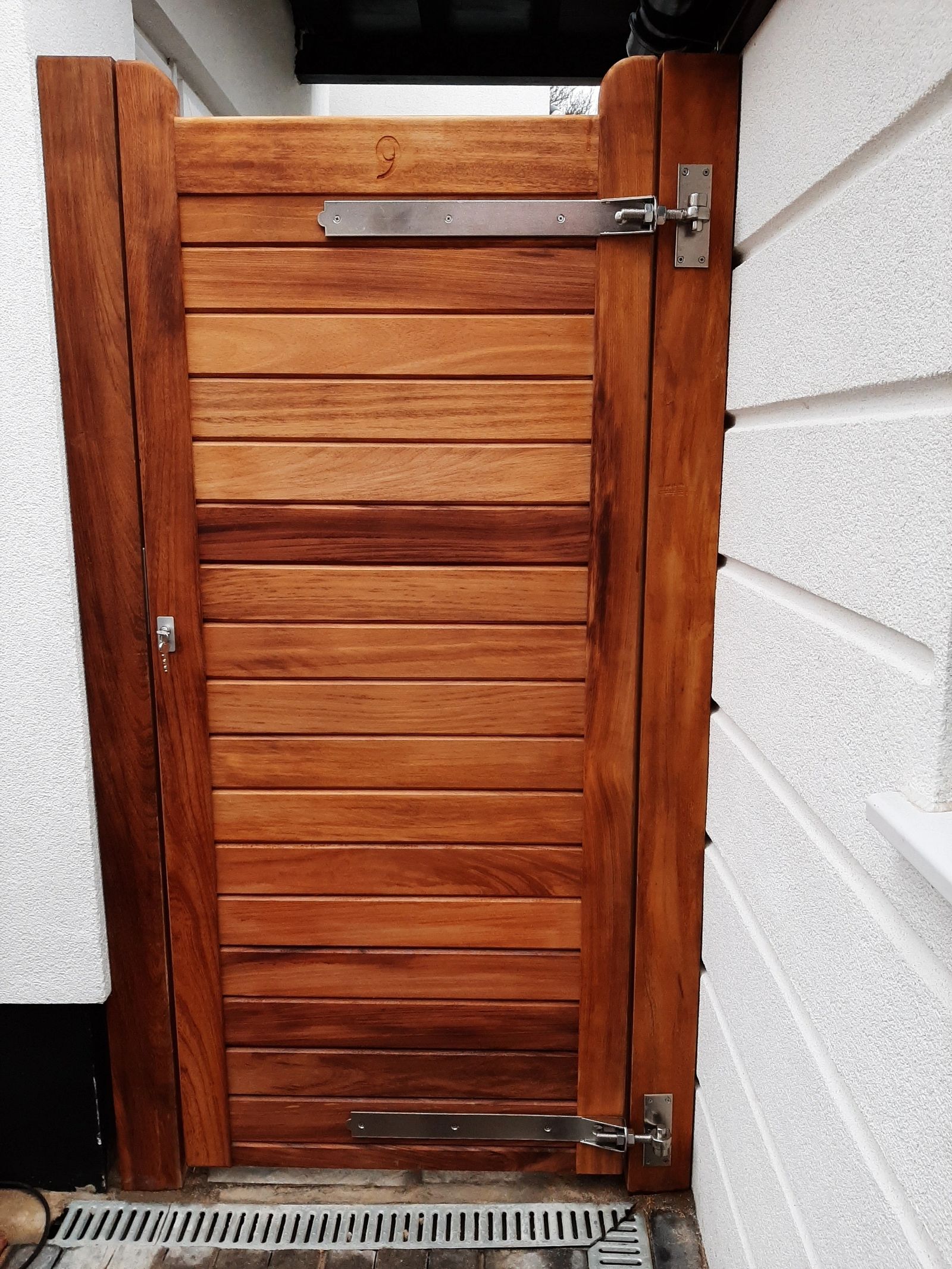
Stevenage clients get the same crew from first visit to hand-over. That's the whole model — one small team, wooden gates done properly, warranty in writing. Recent work on Shephall Way and Bedwell Crescent. We orient jobs off Stevenage Old Town. Old Town High Street rear yard. Hit-and-miss panels to a 2.1m commercial spec. Replaced damaged perimeter behind a retail unit.
Get My Free Quote — 24h Response
No callout fee · Fully insured · Friendly local team covering London & Hertfordshire.