London & Hertfordshire Free Site Visit

Primrose Hill: Fencing & Decking Within Camden

Primrose Hill (NW1) is a distinct pocket within camden, under Camden Council — regency and early victorian terraces on painted stucco streets, gardens small walled gardens with brick boundary walls — timber gates and trellis are the usual brief. The recurring factor on jobs here is primrose hill conservation area is strict — painted timber and traditional joinery only. Rights of way crossing a boundary line: A right of way recorded on a title can allow a third party — a neighbour, or sometimes the public — to cross land that would otherwise be private, which affects where a continuous fence line can practically go. Fencing across a recognised right of way without providing for continued access can itself become a legal problem, regardless of who owns the underlying land. Siberian larch as a fencing timber: Siberian larch grows slowly in a cold climate, which produces a dense, tight-grained timber with better natural durability than most fast-grown European softwoods, without needing pressure treatment in many applications.

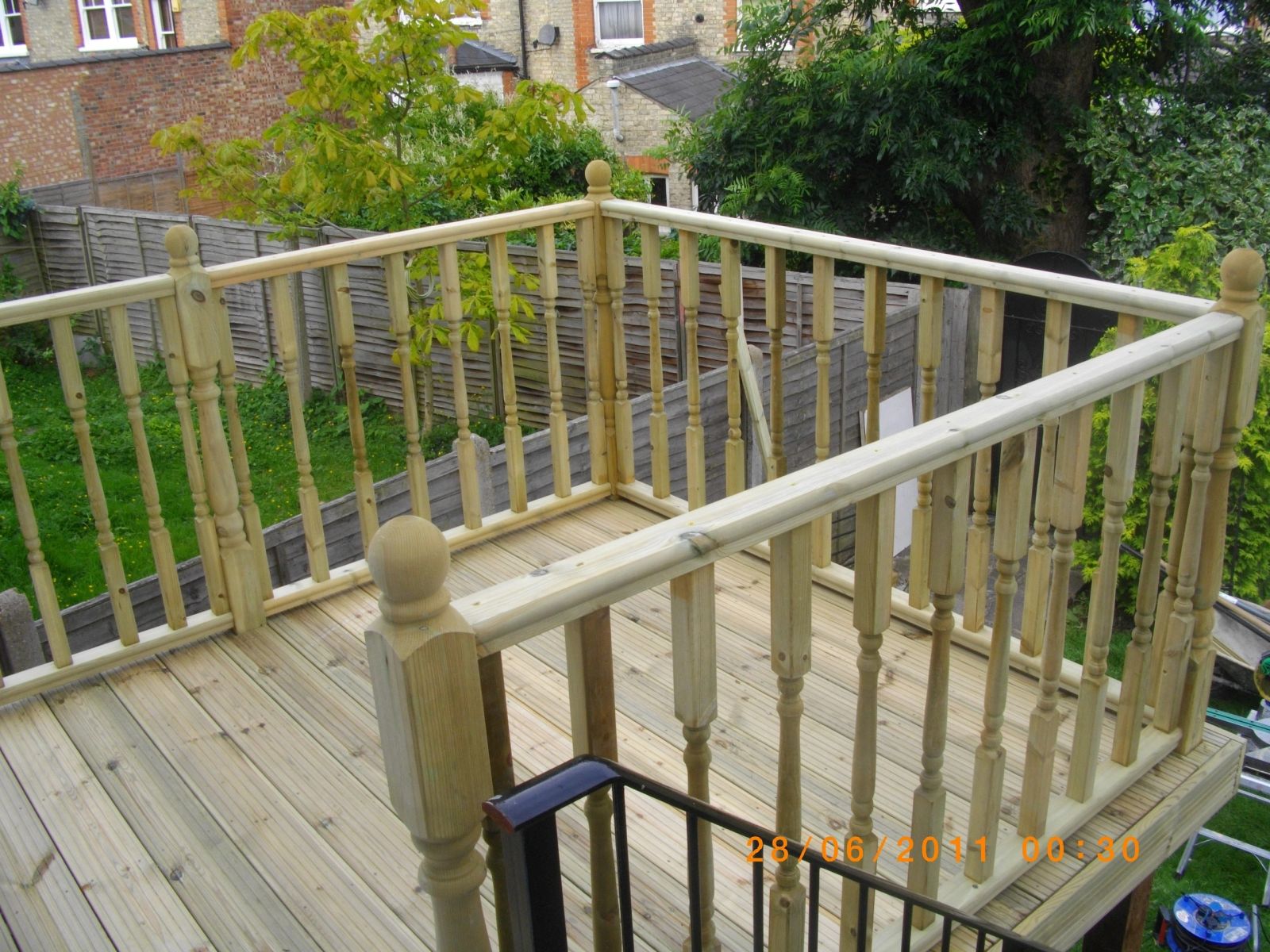
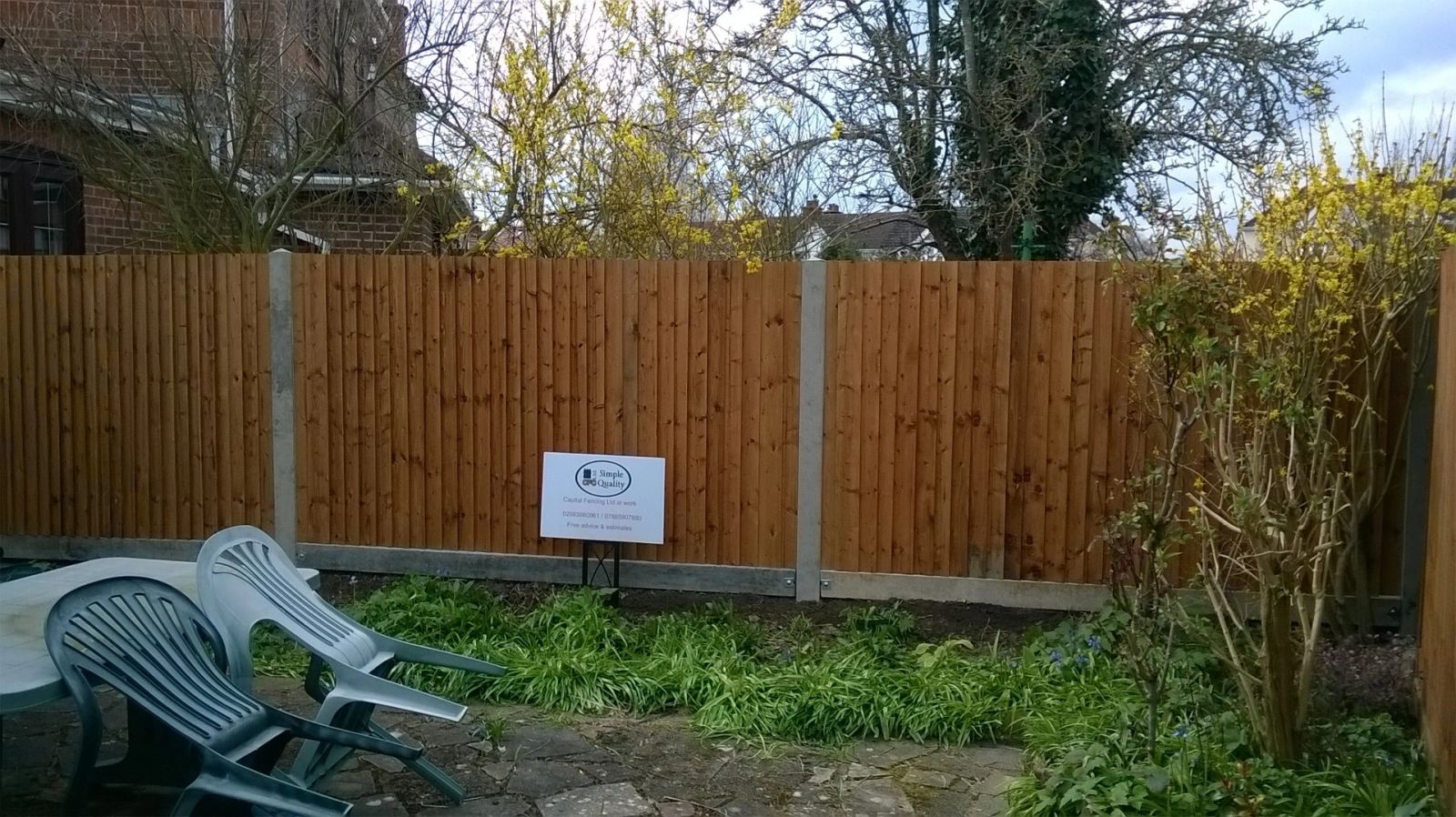
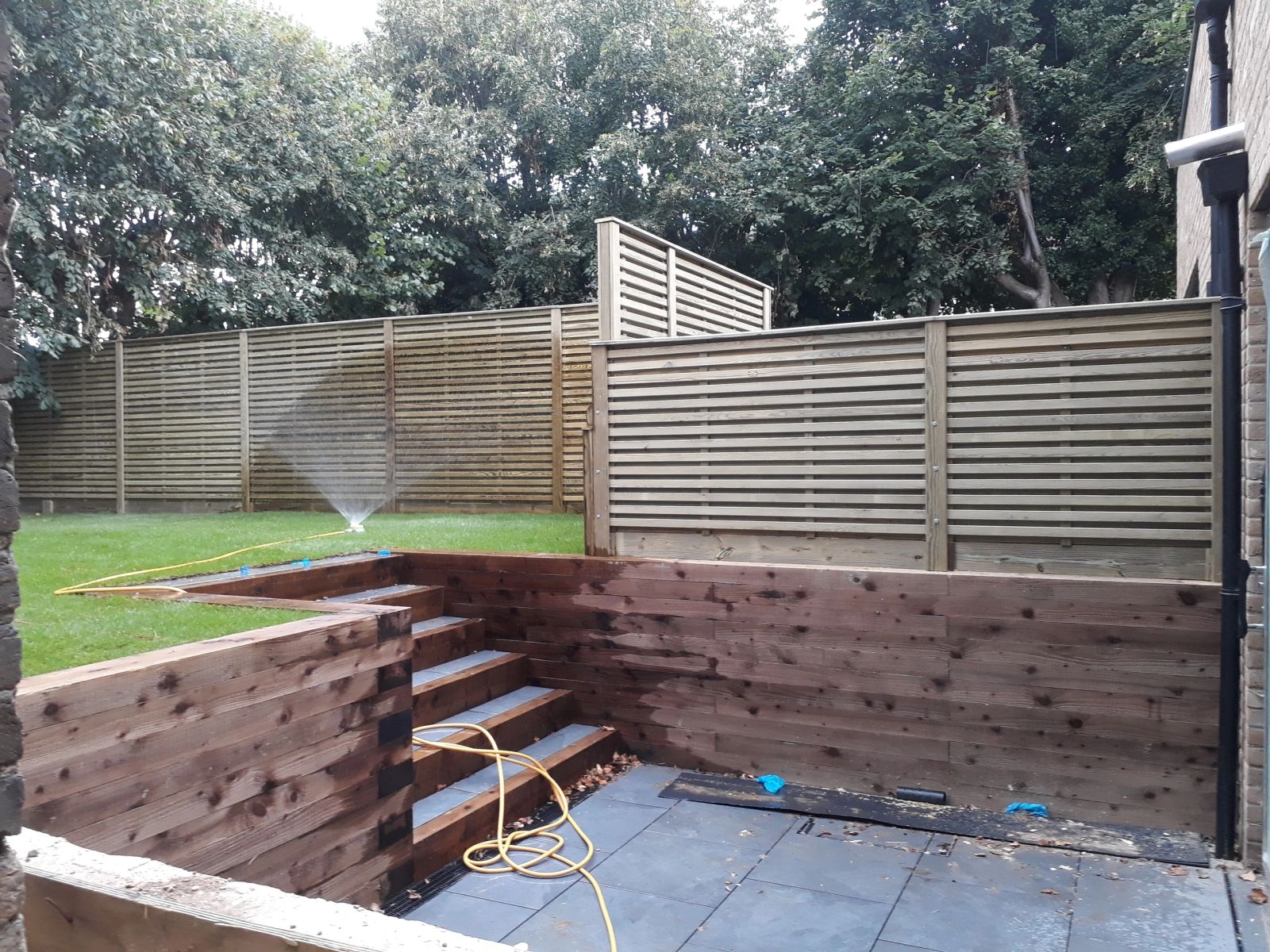
Capital Fencing project in Primrose Hill, NW1Capital Fencing project in Primrose Hill, NW1Capital Fencing project in Primrose Hill, NW1
NW1 / NW3

Primrose Hill is part of our Camden coverage under Camden Council, with its own property mix and its own recurring brief.

Property & garden in Primrose Hill

Property: Regency and early Victorian terraces on painted stucco streets

Gardens: small walled gardens with brick boundary walls — timber gates and trellis are the usual brief

Primrose Hill Conservation Area is strict — painted timber and traditional joinery only

Nearest arterial: A502 Regents Park Road, A406 (15 min). Served from Chalk Farm (Northern line). Nearby commercial anchors: Regents Park Road, Gloucester Avenue.

Practical points for boundary work in Primrose Hill

Rights of way crossing a boundary line

A right of way recorded on a title can allow a third party — a neighbour, or sometimes the public — to cross land that would otherwise be private, which affects where a continuous fence line can practically go.

Fencing across a recognised right of way without providing for continued access can itself become a legal problem, regardless of who owns the underlying land.

Checking the title register for registered rights of way before finalising a fence layout is worthwhile wherever a path, gate or informal shortcut already crosses the plot.

Siberian larch as a fencing timber

Siberian larch grows slowly in a cold climate, which produces a dense, tight-grained timber with better natural durability than most fast-grown European softwoods, without needing pressure treatment in many applications.

It's noticeably harder to nail and screw without pre-drilling than typical treated pine, and a nail driven in at the wrong angle is more likely to split the board than sink cleanly.

Left unfinished it weathers to a silvery grey similar to cedar, though its higher density means it holds up somewhat better to knocks and general handling on site.

Slat gap ratios in screening fences

Horizontal slatted or louvre fencing is usually specified by a gap-to-board ratio, such as a 20mm gap between 100mm boards, which balances privacy against wind resistance.

A tighter ratio gives more privacy and blocks more wind, which in turn increases the load transferred to posts and foundations during storms, so a very solid-looking slatted screen needs the same foundation attention as a close-boarded panel.

Wider gaps let more wind through and reduce that structural load, while still breaking sightlines enough for most privacy purposes, which is why many slatted designs favour a wider gap than the boards suggest at first glance.

Temporary bracing while concrete cures

A freshly-concreted post has no strength to resist knocks or wind until the concrete has gone off, so it needs temporary raking struts or timber braces fixed to hold it plumb and in line while curing.

Braces are best left in place for at least the manufacturer's stated initial cure time, and longer in cold weather, rather than removed as soon as the concrete looks solid on the surface.

A post nudged out of true during this window is much harder to correct afterwards than one checked and adjusted while the mix is still workable, so the check-and-brace step is worth the extra few minutes per post.

Stain, oil and paint finishes compared

A stain sits mostly on the surface with some absorption, giving colour and some UV protection while still letting the timber's grain show through, and it typically needs reapplying every couple of years on an exposed fence.

An oil penetrates further into the timber and feeds it rather than just coating it, which suits open-grained hardwood decking and cladding, but it wears off through foot traffic and weathering faster than a stain on a vertical surface.

Paint gives the most complete colour coverage and hides the timber grain entirely, but it also traps moisture behind an intact film if the substrate isn't fully dry, and a failed paint film is harder to recover from than a faded stain, which just needs cleaning and recoating.

Arris rails and rail counts by height

Arris rails are the triangular-section horizontal timbers that run between posts and carry the vertical boards in a closeboard fence, and how many are used per bay is set by the finished height rather than fixed at two everywhere.

A fence up to around 1.2m typically runs on two rails, but anything taller — particularly 1.8m closeboard — needs a third rail roughly at mid-height to stop the boards bowing outward under wind pressure.

Morticing the rail ends into the post rather than merely nailing them on gives a stiffer, longer-lived joint, which matters more as the number of rails and the height of the fence both increase.

Services in Primrose Hill

Free quote for Primrose Hill

Send your postcode and a couple of photos — we'll get back with a written quote.

Primrose Hill — frequently asked

What's the most common issue you plan around in Primrose Hill?

Primrose Hill Conservation Area is strict — painted timber and traditional joinery only.

Does stain, oil and paint finishes compared come up much on jobs around Primrose Hill?

A stain sits mostly on the surface with some absorption, giving colour and some UV protection while still letting the timber's grain show through, and it typically needs reapplying every couple of years on an exposed fence. An oil penetrates further into the timber and feeds it rather than just coating it, which suits open-grained hardwood decking and cladding, but it wears off through foot traffic and weathering faster than a stain on a vertical surface. Paint gives the most complete colour coverage and hides the timber grain entirely, but it also traps moisture behind an intact film if the substrate isn't fully dry, and a failed paint film is harder to recover from than a faded stain, which just needs cleaning and recoating.

Is arris rails and rail counts by height something you plan for in Primrose Hill?

Morticing the rail ends into the post rather than merely nailing them on gives a stiffer, longer-lived joint, which matters more as the number of rails and the height of the fence both increase. Arris rails are the triangular-section horizontal timbers that run between posts and carry the vertical boards in a closeboard fence, and how many are used per bay is set by the finished height rather than fixed at two everywhere. A fence up to around 1.2m typically runs on two rails, but anything taller — particularly 1.8m closeboard — needs a third rail roughly at mid-height to stop the boards bowing outward under wind pressure.

What should I know about slat gap ratios in screening fences in Primrose Hill?

Horizontal slatted or louvre fencing is usually specified by a gap-to-board ratio, such as a 20mm gap between 100mm boards, which balances privacy against wind resistance. A tighter ratio gives more privacy and blocks more wind, which in turn increases the load transferred to posts and foundations during storms, so a very solid-looking slatted screen needs the same foundation attention as a close-boarded panel. Wider gaps let more wind through and reduce that structural load, while still breaking sightlines enough for most privacy purposes, which is why many slatted designs favour a wider gap than the boards suggest at first glance.

How does "temporary bracing while concrete cures" affect fencing or decking work in Primrose Hill?

A post nudged out of true during this window is much harder to correct afterwards than one checked and adjusted while the mix is still workable, so the check-and-brace step is worth the extra few minutes per post. A freshly-concreted post has no strength to resist knocks or wind until the concrete has gone off, so it needs temporary raking struts or timber braces fixed to hold it plumb and in line while curing. Braces are best left in place for at least the manufacturer's stated initial cure time, and longer in cold weather, rather than removed as soon as the concrete looks solid on the surface.

What's the typical garden like in Primrose Hill?

Small walled gardens with brick boundary walls — timber gates and trellis are the usual brief is typical, alongside regency and early victorian terraces on painted stucco streets.

Access is via A502 Regents Park Road, with Chalk Farm (Northern line) close by. Slat gap ratios in screening fences: Horizontal slatted or louvre fencing is usually specified by a gap-to-board ratio, such as a 20mm gap between 100mm boards, which balances privacy against wind resistance. A tighter ratio gives more privacy and blocks more wind, which in turn increases the load transferred to posts and foundations during storms, so a very solid-looking slatted screen needs the same foundation attention as a close-boarded panel. Temporary bracing while concrete cures: A freshly-concreted post has no strength to resist knocks or wind until the concrete has gone off, so it needs temporary raking struts or timber braces fixed to hold it plumb and in line while curing.

Get In Touch

Get My Free Quote — 24h Response

No callout fee · Free site visit · Friendly local team covering London & Hertfordshire.

Request a Free Quote

We'll get back to you within 24 hours.

Free Site Visit No Callout Fee
Call WhatsAppQuote