London & Hertfordshire Free Site Visit
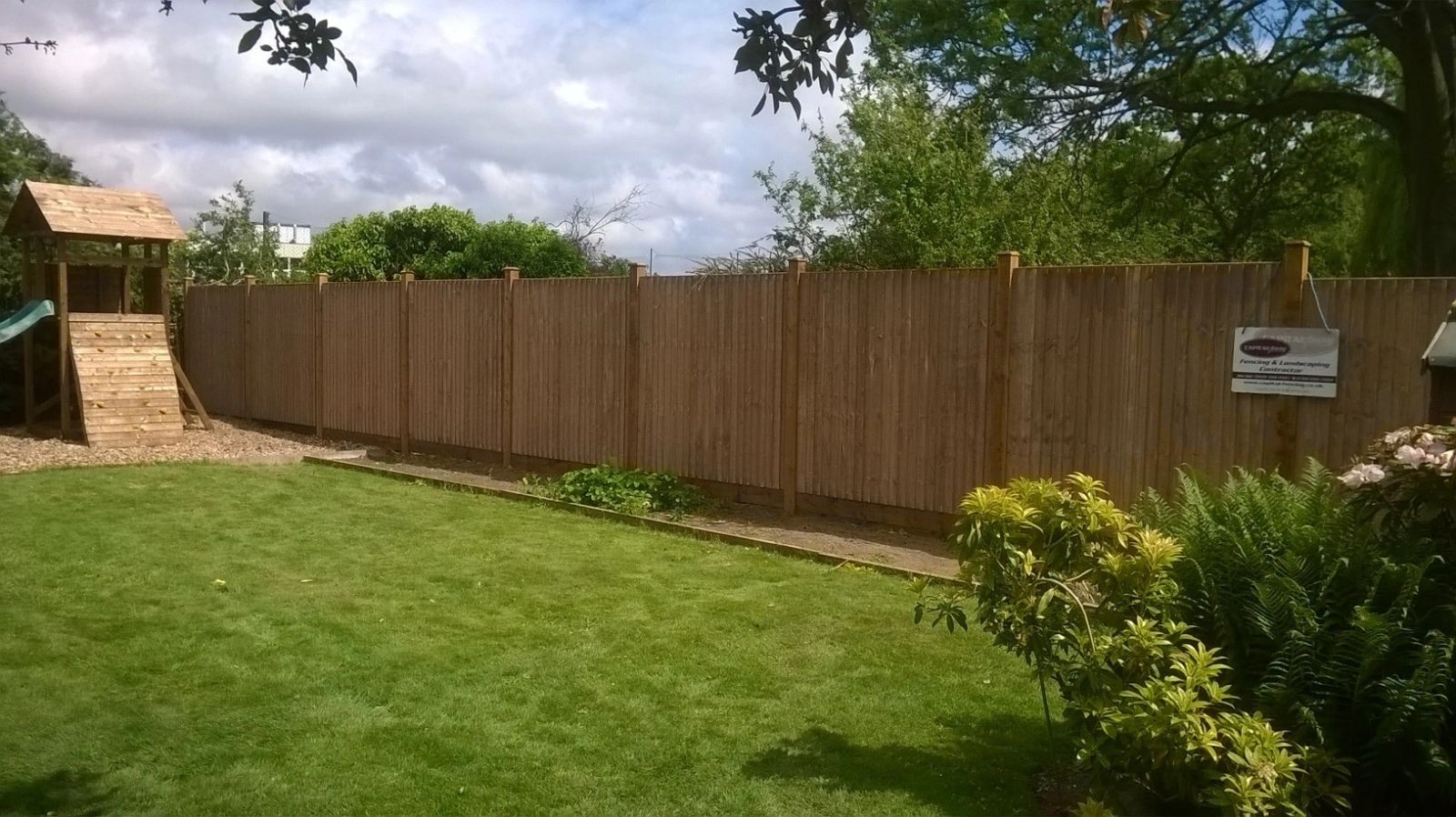
closeboard fence run installed by Capital Fencing in Enfield (EN1)
Enfield · EN1 / EN2 / EN3

Dog proof fencing across Enfield — Enfield

We approach dog-proof fencing in Enfield from the failure end backwards. Leaving standard 100mm gap between gate and paving — a determined terrier is through it in a week — that's the single most common thing we're called back to fix, and it's the first thing our spec addresses. Roads such as Silver Street and Carterhatch Lane are typical of the local layout. Enfield Town Park is a useful local reference point. Forty Hall, a Grade I listed Jacobean mansion, sits within its own historic parkland on the town's northern edge.

We approach dog-proof fencing in Enfield from the failure end backwards. Leaving standard 100mm gap between gate and paving — a determined terrier is through it in a week — that's the single most common thing we're called back to fix, and it's the first thing our spec addresses. Roads such as Silver Street and Carterhatch Lane are typical of the local layout. Enfield Town Park is a useful local reference point. Forty Hall, a Grade I listed Jacobean mansion, sits within its own historic parkland on the town's northern edge.

Typical dog-proof fencing briefs in Enfield

  • closeboard set into a shallow concrete kicker so a small breed can't dig underneath
  • 1.8m solid boundary with anti-climb top so a larger breed can't jump or scramble
Default spec

How we build dog-proof fencing in Enfield

1.8m closeboard, no gaps under 40mm, 150mm concrete kicker or 300mm buried mesh apron, closing gate with drop-bolt into a socket. On Enfield jobs we adjust for high winds funnelled down the lea valley regularly knock over weaker panel fences.

Property mix locally: interwar semis, 1960s estates and pockets of Georgian housing around Forty Hill. Typical gardens: medium-depth gardens that often back onto alleyways — access is the deciding factor. Postcodes we regularly service: EN1, EN2, EN3.

Why this spec, for dog owners

  • no gaps at ground level — the single most common escape point on standard fencing
  • hinges and drop-bolts sized so a dog leaning on the gate can't work it open
  • buried mesh apron stops digging without spoiling the finished look above ground
What goes wrong

Common failure modes on dog-proof fencing

  • leaving standard 100mm gap between gate and paving — a determined terrier is through it in a week
  • using arris-rail closeboard without a bottom kicker — larger dogs push under the boards

Dog-Proof Fencing FAQs — Enfield

How do I stop a dog digging under the fence?

On dog-proof fencing jobs in Enfield (EN1), our default answer is: 1.8m closeboard, no gaps under 40mm, 150mm concrete kicker or 300mm buried mesh apron, closing gate with drop-bolt into a socket. We'll walk you through no gaps at ground level — the single most common escape point on standard fencing on the site visit before you commit.

Do you fit anti-climb toppers on residential boundaries?

Across Enfield we spec around high winds funnelled down the lea valley regularly knock over weaker panel fences, so on dog-proof fencing that usually means closeboard with kicker plate. We'll walk you through no gaps at ground level — the single most common escape point on standard fencing on the site visit before you commit.

Is a buried mesh apron worth the extra cost?

Enfield coverage means we can survey most EN1 addresses inside a week — dog owners needing a boundary a dog can't dig under, climb or push through. For context: hinges and drop-bolts sized so a dog leaning on the gate can't work it open. Measured, quoted and installed by the same small crew.

How do you gap-proof a garden gate for a dog?

Practically: closeboard set into a shallow concrete kicker so a small breed can't dig underneath. That's the Enfield version of this job, not a generic one. We'll walk you through no gaps at ground level — the single most common escape point on standard fencing on the site visit before you commit.

What height fence will stop a Labrador jumping?

On dog-proof fencing jobs in Enfield (EN1), our default answer is: 1.8m closeboard, no gaps under 40mm, 150mm concrete kicker or 300mm buried mesh apron, closing gate with drop-bolt into a socket. We'll walk you through no gaps at ground level — the single most common escape point on standard fencing on the site visit before you commit.

Recent dog-proof fencing work
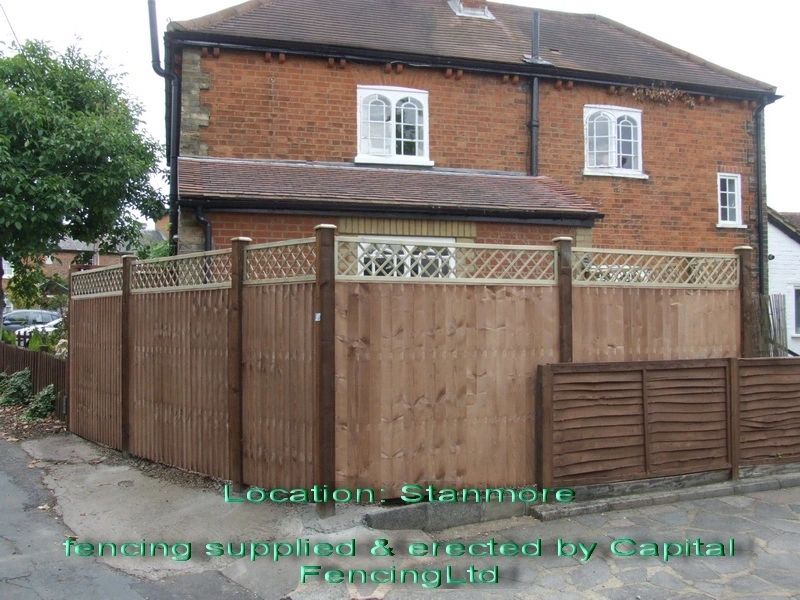
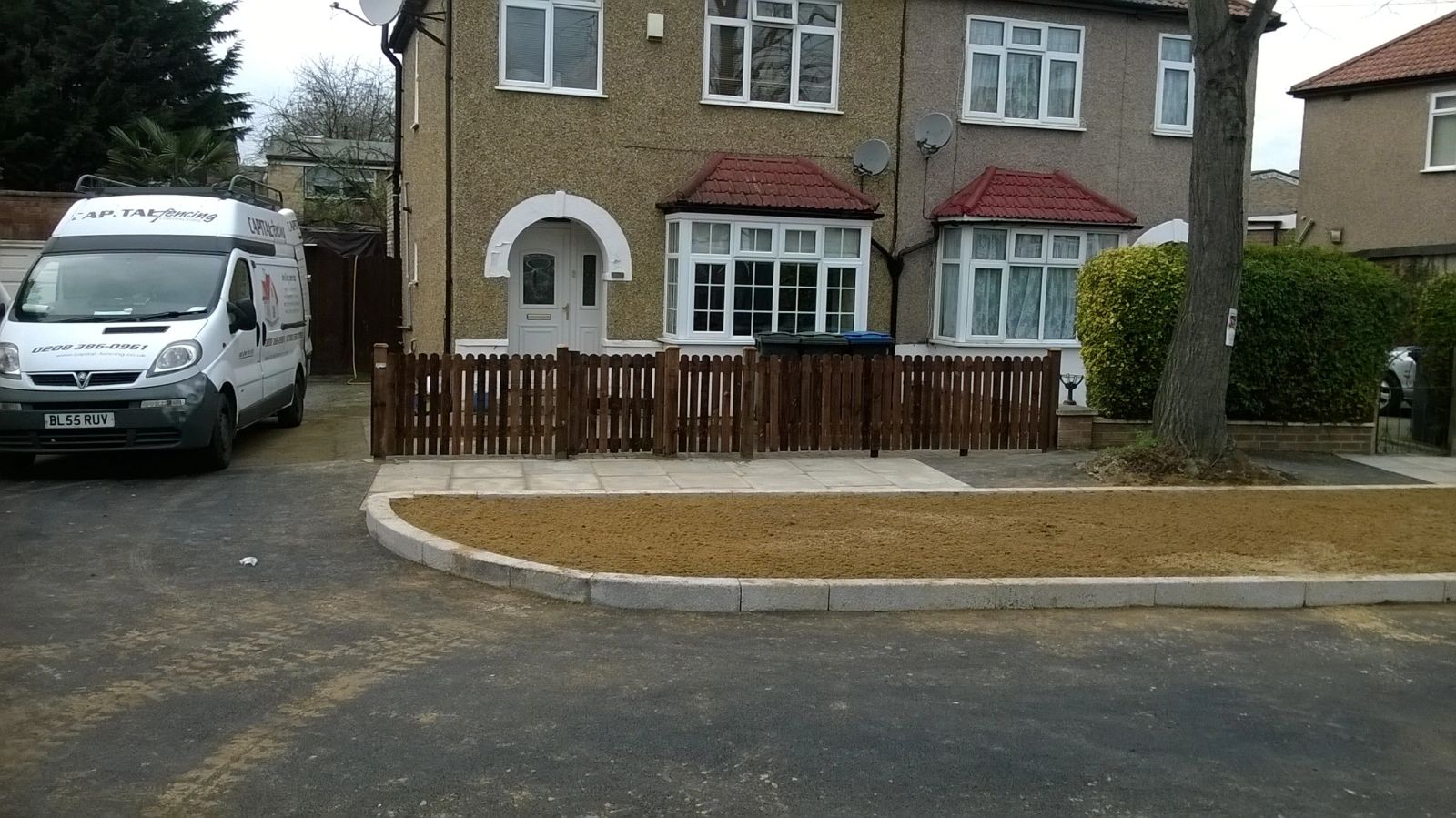
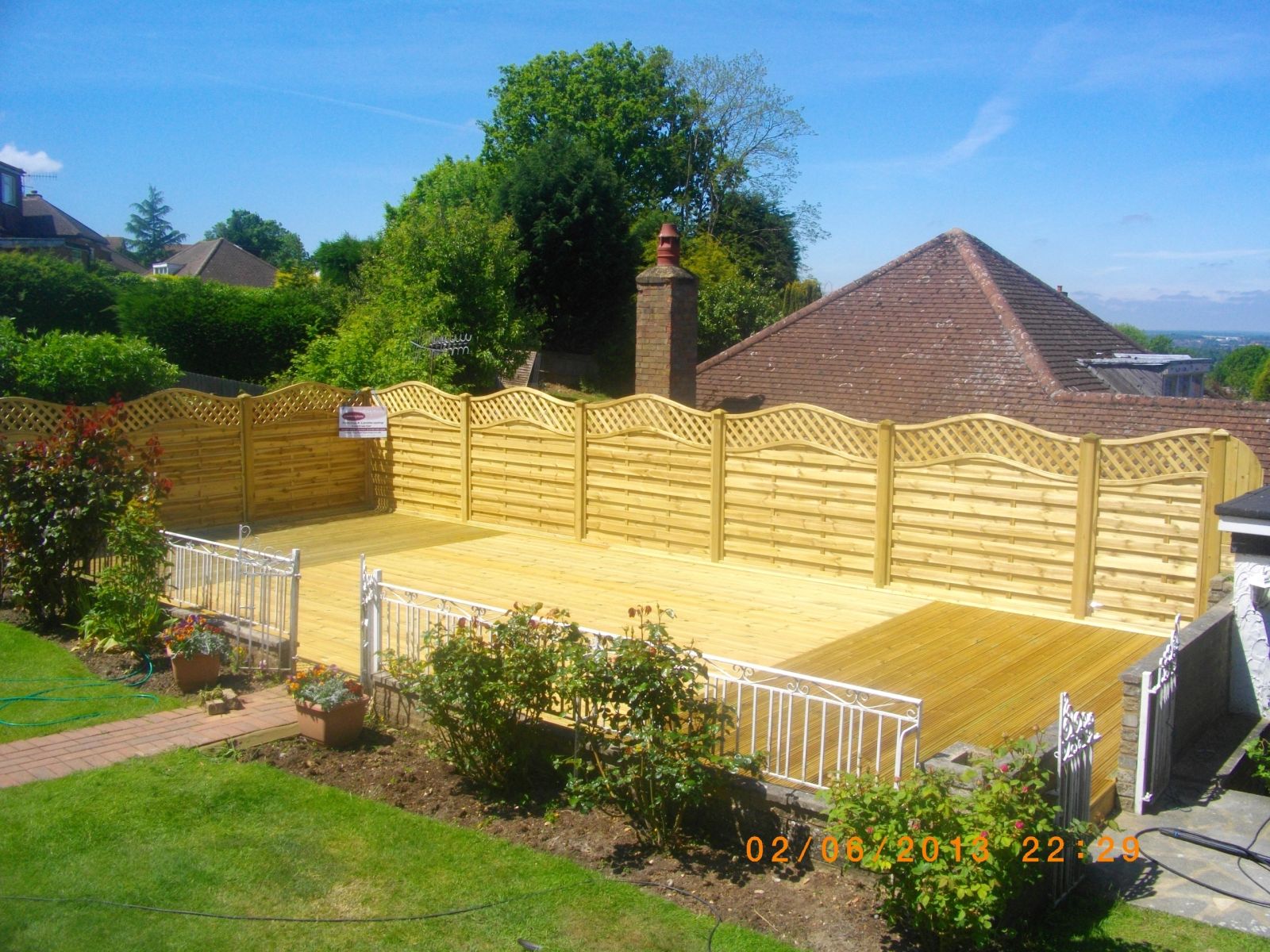
closeboard fence run installed by Capital Fencing in Enfield (EN1)panel fence install installed by Capital Fencing in Enfield (EN1)trellis-topped fence installed by Capital Fencing in Enfield (EN1)bespoke decorative fence installed by Capital Fencing in Enfield (EN1)

Local considerations across Enfield and waltham cross

Gate design on exposed, high-wind sites

A gate on an exposed hilltop or coastal-facing plot experiences far higher wind loading than an equivalent gate in a sheltered urban garden, and a solid-boarded gate in particular acts like a sail under those conditions, putting extra strain on hinges and latch.

Specifying heavier-duty hinges, a lower solid-to-open ratio in the infill, or additional bracing are all ways to address this on a site known to be exposed.

Ground anchors on hardstanding

Where a post can't be dug into soil — a concrete yard, a roof terrace, or a surface that can't be broken — a mechanical or resin ground anchor bolted through a base plate provides the fixing instead.

Anchor capacity has to match the loading of the fence height and any expected impact, and manufacturer pull-out figures are checked against the specific slab thickness before anchors are relied on for a taller run.

Gate stops and end buffers

An end stop or buffer at the fully open and fully closed positions of a sliding gate prevents the leaf running off the end of its track or slamming into a post, and a missing or worn buffer is a common cause of impact damage over time.

Checking and replacing worn buffers is a low-cost part of a sliding gate service that prevents more expensive frame damage.

Embodied carbon in timber versus composite materials

Timber sequesters carbon as it grows and, if sourced from a well-managed forest, typically carries a lower embodied carbon footprint through manufacture than composite products that incorporate manufactured polymer alongside recycled wood fibre.

Composite products often use recycled plastic content, which offsets some of their footprint by diverting material from landfill, but the manufacturing energy involved in producing the composite board itself is generally higher than sawing and treating solid timber.

Comparing the two fairly also needs to account for service life, since a material lasting genuinely longer before replacement can offset a higher manufacturing footprint over the full life of the fence.

Pressure-washer damage on soft timber

A pressure washer used too close, or at too high a setting, strips the softer spring-growth wood fibres from softwood faster than the harder summer-growth bands, leaving a rippled, furry surface texture that no longer takes stain evenly.

This damage is largely irreversible on a panel face and usually shortens the remaining life of the timber by exposing more surface area to moisture uptake.

A wide fan nozzle held well back, or a lower-pressure setting reserved for decking rather than fence panels, cleans without cutting into the timber surface.

Fencing around front-garden parking

Converting part of a front garden to off-street parking usually needs a dropped kerb from the highway authority, and any remaining boundary fencing needs to respect the same visibility and access rules as the parking itself.

A low wall or open railing at the front, rather than a solid fence, is common on parking conversions so the parked vehicle doesn't look boxed in and sightlines for reversing onto the road stay clear.

Permeable paving is often a planning condition on larger front-garden parking areas to manage surface water run-off, which can indirectly affect where a boundary fence's own drainage needs to go.

Fixing a fence run to an existing masonry wall

Tying a timber fence into an existing brick or block wall usually means fixing a timber post or batten flat to the wall face with masonry bolts or heavy-duty frame fixings rather than digging a post hole hard against the footing.

The wall's own condition matters before any fixing goes in — loose pointing, spalled brick faces or a wall already leaning shouldn't be relied on to carry lateral load from a fence panel.

Where the wall belongs to a neighbour or is shared, fixing into it without agreement can be a boundary matter in its own right, separate from the fencing work itself.

Relocating a builders' compound fence as a project phases

A builders' compound fence is often installed in stages as a construction project progresses, with the secure line moving inward as completed areas are handed over and outward again if the site boundary expands into an adjoining phase.

Because compound fencing is frequently relocated, panel systems with reusable feet or block-based supports are generally favoured over concreted posts, even though a concreted post gives a more permanent fixing where the boundary line is fixed for the whole project.

Exposed plots and wind funnelling between buildings

Wind doesn't just hit a fence head-on — gaps between buildings, especially in newer estate layouts with narrow side passages, can funnel and accelerate wind locally well beyond the general forecast for the area.

A fence positioned at the end of such a gap can see significantly higher loading than an identical run a few metres away in the lee of a building.

Recognising these funnelling positions at quote stage, and specifying heavier posts or a part-open panel design there, is more reliable than treating an entire plot as uniformly exposed or sheltered.

Drainage consents affecting boundary works

Altering ground levels, hardstanding or drainage patterns near a boundary can affect surface water flow onto a neighbour's land, and in some cases needs consent from the local authority or, for work near a watercourse, from the relevant drainage authority or the Environment Agency.

Diverting water so that it discharges onto next door's garden rather than soaking away on the original plot is a common and avoidable source of neighbour disputes, separate from any formal consent requirement.

Where boundary work is combined with a change in levels or new hard surfacing, it's worth checking whether the combined works trigger a drainage consent even if the fence itself wouldn't on its own.

Fast-setting post mix performance in cold, exposed conditions

Fast-setting post-fix concrete generates heat as it cures, which normally helps it set reliably even in cool weather, but on a genuinely exposed and cold site that heat can be carried away faster than it's generated, slowing or compromising the cure.

In these conditions a longer undisturbed curing period, or a mix formulated for cold-weather use, gives a more reliable result than assuming a fast-set product will behave the same as it would in a sheltered garden.

Posts loaded too soon after pouring on an exposed site — by wind rather than by the installer — are a genuine risk that doesn't apply in the same way to a sheltered, still garden.

Restaurants and pub gardens

Boundary fencing around a pub garden or restaurant terrace often does double duty as noise and light screening for neighbouring residential properties, and its height and permeability can be a condition attached to the premises licence rather than a free choice.

Trading hours mean access for fencing work is usually easiest early morning before service starts, since a garden in active use for covers can't have posts being dug mid-lunch.

Where outdoor seating sits close to the boundary, fixings and post positions need checking against any licensed seating plan so the finished fence doesn't reduce covers below what the licence allows.

Boundary ownership when a fence needs repair

A failing fence is a common trigger for a dormant boundary dispute, since neither neighbour has had reason to check who's actually responsible until something needs fixing. Where ownership isn't clear from the deeds, we recommend confirming it and notifying the neighbour in writing before repair work starts.

On a shared rear boundary between terraced gardens this is worth doing even for a straightforward panel swap.

Pressure washing a fence before assessing the extent of repair needed

Algae, dirt and old flaking coatings can hide the true condition of timber underneath, so a light clean before a repair assessment sometimes reveals splits, rot or fixing corrosion that wasn't visible under the surface grime.

Pressure washing needs a gentle setting and some distance from the timber face, since an aggressive jet held too close can strip soft surface fibres from weathered wood and make marginal timber look more damaged than it actually is.

Boundary ownership evidence and T-marks

A 'T' mark on a title plan, pointing inward from the boundary line towards a particular plot, is the traditional (though not universal) convention indicating that plot owns and is responsible for that boundary structure.

Where both sides of a boundary carry a T, or neither does, the deeds are silent and ownership defaults to whatever can be evidenced by other means — old photographs, the position of fence posts, or long-standing maintenance history.

T-marks aren't a legal guarantee and can be missing or wrong on older plans, so where a boundary is disputed it's worth treating the mark as a starting point for discussion rather than conclusive proof.

Safety on a gate that's failed near a road

A driveway gate that's dropped or come off its hinges next to a road or shared path is treated as a priority repair, since a swinging or fallen gate in that position is a hazard to passers-by as well as an inconvenience.

We make a failed gate safe on the first visit where it poses any immediate risk, even if the full repair follows separately.

Repairing a spot damaged repeatedly by a dog

A dog that digs at the base of a fence or chews at exposed board edges tends to concentrate damage at one recurring spot rather than spreading it along the whole run, which makes a localised repair — a buried mesh skirt, a metal kick-plate — more effective than a general fence upgrade.

Addressing the underlying cause, such as blocking the specific gap the dog is trying to reach through, matters as much as the physical repair, since a repaired section without that change is often damaged again in the same place.

Care homes

Care home boundaries need to manage two directions of risk at once: keeping the site secure from outside, and, where residents live with dementia, preventing unsupervised exit through a garden gate that looks like a normal feature of the grounds.

Gates onto care home gardens are often specified with a delayed-release or coded latch rather than a simple thumb-turn, agreed with the home's management against its own care regulator requirements.

Access for contractors on an occupied care site usually needs coordinating around resident routines and quiet hours rather than a standard domestic working day.

Post depth as a ratio of height above ground

A common rule of thumb is that roughly a third to a quarter of a post's total length should be in the ground, so a post standing 1.5m proud typically needs somewhere in the region of 500-600mm of burial depth depending on soil and loading.

Taller fences, gate posts, and posts on exposed or poorly-draining ground all push toward the deeper end of that range, since the leverage on a buried post increases with height above ground far more than it does with depth.

Skimping depth to save digging time is one of the most common causes of a post working loose within its first few winters, well before the timber itself shows any sign of failing.

Threading a fence run past a rainwater downpipe

A downpipe discharging near the boundary means the fence has to either step around it with a short jog in the line, or leave a gap in the panel run rather than fixing directly over the pipe and its gulley.

Fixing a post immediately behind a downpipe risks trapping water splashing off it against the post base, so a small offset gives both the pipe and the post room without altering the overall run length much.

Where the downpipe discharges to a gulley set into a path or patio, the gravel board also needs enough clearance to avoid sitting in standing water every time it rains.

Choosing hand tools over power tools on sensitive sites

A petrol auger or breaker finishes a dig far faster than hand tools but brings noise, vibration and exhaust that matter more on a site with close neighbours, a nervous pet next door, or restricted working hours.

Hand tools also give more control in tight spots — close to a wall, a root, or a service — where a powered tool's speed becomes a liability rather than an advantage.

The practical approach on most jobs is powered tools for the bulk of straightforward digging and hand tools kept ready for the awkward sections, rather than committing to one method for an entire run.

Right to light and a tall boundary fence

There's no general legal 'right to a view' or automatic entitlement to sunlight in a garden, so a taller boundary fence built within the applicable height limits usually isn't unlawful purely because it shades a neighbour's garden.

Right to light law in England mainly concerns windows in buildings that have enjoyed light for a long period, rather than open garden space, and even then applies in fairly narrow circumstances.

Where a taller fence is likely to significantly affect a neighbour's garden, discussing it before building tends to prevent ill feeling even where there's no strict legal obstacle.

Dog owners needing a boundary a dog can't dig under, climb or push through — that's who this page is for. In Enfield and out to Enfield, we run the dog-proof fencing spec that survives high winds funnelled down the lea valley regularly knock over weaker panel fences. Roads such as Silver Street and Carterhatch Lane are typical of the local layout. Forty Hall is a useful local reference point. Enfield Town Park and the wider Lee Valley Regional Park both fall within the borough.

Get In Touch

Get My Free Quote — 24h Response

No callout fee · Free site visit · Friendly local team covering London & Hertfordshire.

Call us
07885907880
or 02036484746
Email
capital_fencing@yahoo.com
WhatsApp
Message us anytime
Area
London & Hertfordshire
Payment
Card payments accepted

Pay by debit or credit card, bank transfer or cash once the work and price are agreed. No deposit taken online.

Request a Free Quote

We'll get back to you within 24 hours.

Free Site Visit No Callout Fee
Call WhatsAppQuote