London & Hertfordshire Free Site Visit
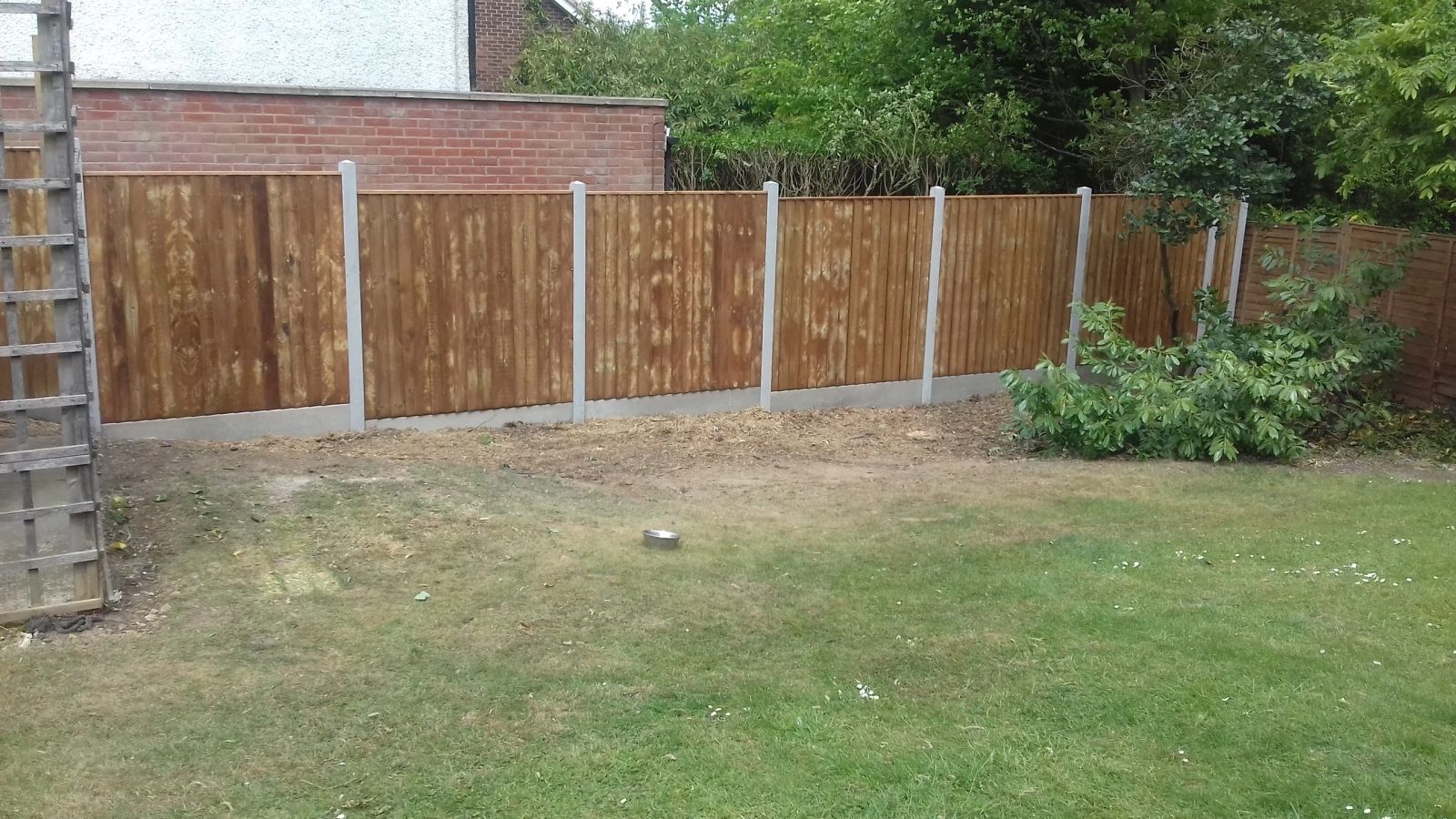
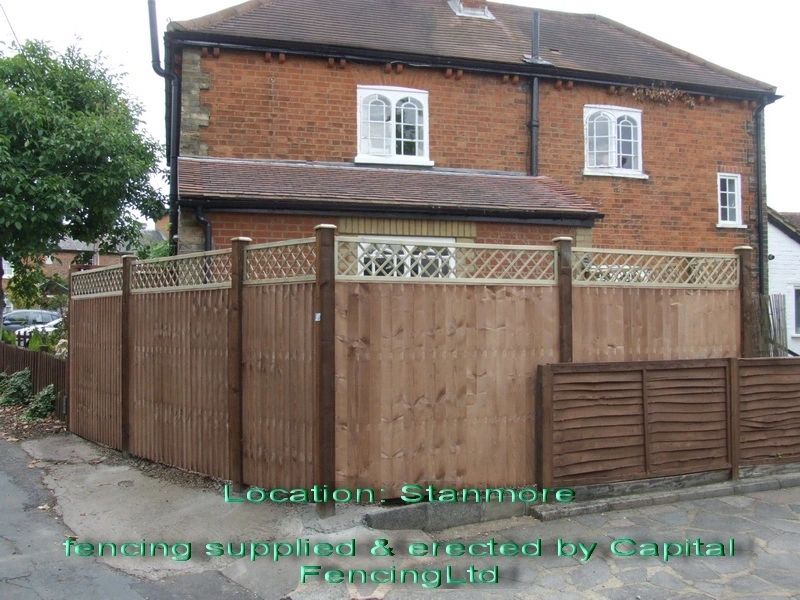
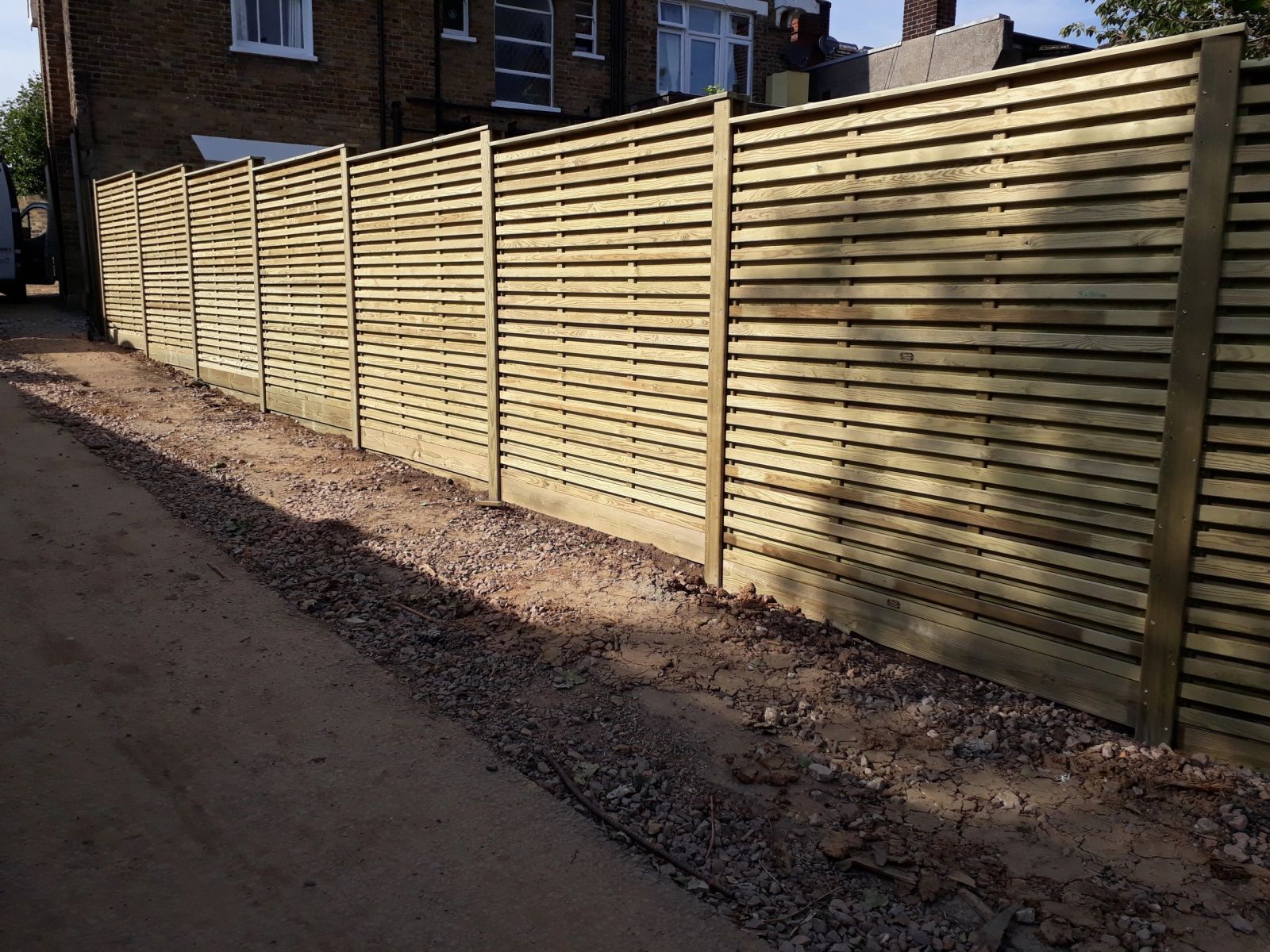
closeboard fence run installed by Capital Fencing in Haringey (N4)
Haringey · N4 / N8 / N15 / N17 / N22

Conservation Area Fencing in Haringey (N4)

If you're weighing conservation-area fencing for a property in Haringey, the first thing that matters is conservation guidance, sight-line splays and permitted-development limits — not the material choice. Once that's settled, hand-painted softwood picket is where most of our conservation-area fencing work in N4 lands, with oak-posted estate railings as a considered alternative. Roads such as Alexandra Park Road and Ferme Park Road are typical of the local layout. Harringay Ladder is a useful local reference point. Alexandra Palace sits on high ground overlooking much of the borough, and the slope down from the Palace affects garden gradients on the surrounding streets.

If you're weighing conservation-area fencing for a property in Haringey, the first thing that matters is conservation guidance, sight-line splays and permitted-development limits — not the material choice. Once that's settled, hand-painted softwood picket is where most of our conservation-area fencing work in N4 lands, with oak-posted estate railings as a considered alternative. Roads such as Alexandra Park Road and Ferme Park Road are typical of the local layout. Harringay Ladder is a useful local reference point. Alexandra Palace sits on high ground overlooking much of the borough, and the slope down from the Palace affects garden gradients on the surrounding streets.

Typical conservation-area fencing briefs in Haringey

  • painted softwood picket front boundary matched to a neighbouring listed row
  • estate railings on a low brick wall replacing a non-compliant close-panel installed by a previous owner
Default spec

How we build conservation-area fencing in Haringey

painted softwood picket, oak-post estate railings or low brick-and-rail — heights kept to 1m front / 1.8m rear per PD guidance. On Haringey jobs we adjust for ladder-street back-to-back gardens mean every fence run has two owners and three neighbours to keep informed.

Property mix locally: Victorian terraces (Harringay Ladder, Crouch End), 1930s semis in Muswell Hill, and post-war estates around Tottenham. Typical gardens: long thin Victorian rear gardens with London clay and mature street trees. Postcodes we regularly service: N4, N8, N15, N17, N22.

we check the property's designation, cross-reference the local design guide, and where required prepare drawings for a Certificate of Lawfulness or planning submission.

Why this spec, for owners in a designated conservation area or fronting a listed building — material and height rules apply

  • designs matched to the immediate street rather than a generic catalogue drop-in
  • material choices align with council conservation-area design guides — we've worked through most of them
  • we handle the neighbour and council conversation, not just the physical work
What goes wrong

Common failure modes on conservation-area fencing

  • installing anything visible from a public road above 1m at the front without permission — the notice arrives inside a month
  • using pressure-treated brown timber on a heritage frontage — flagged by neighbours before it's flagged by planning

Conservation Area Fencing FAQs — Haringey

Can you match paint colours to the neighbouring frontage?

On conservation-area fencing jobs in Haringey (N4), our default answer is: painted softwood picket, oak-post estate railings or low brick-and-rail — heights kept to 1m front / 1.8m rear per PD guidance. The honest trade-off is installing anything visible from a public road above 1m at the front without permission — the notice arrives inside a month — which is exactly what our default spec designs out.

Do I need planning permission to change a conservation-area boundary?

Across Haringey we spec around ladder-street back-to-back gardens mean every fence run has two owners and three neighbours to keep informed, so on conservation-area fencing that usually means hand-painted softwood picket. For context: material choices align with council conservation-area design guides — we've worked through most of them. We handle the council conversation as part of the job, not as an after-thought.

Can I use closeboard in a conservation area?

Haringey coverage means we can survey most N4 addresses inside a week — owners in a designated conservation area or fronting a listed building — material and height rules apply. We check the property's designation, cross-reference the local design guide, and where required prepare drawings for a Certificate of Lawfulness or planning submission.

How high can a front boundary be in a conservation area?

Practically: painted softwood picket front boundary matched to a neighbouring listed row. That's the Haringey version of this job, not a generic one. For context: material choices align with council conservation-area design guides — we've worked through most of them. We handle the council conversation as part of the job, not as an after-thought.

How long does conservation-area consent take?

On conservation-area fencing jobs in Haringey (N4), our default answer is: painted softwood picket, oak-post estate railings or low brick-and-rail — heights kept to 1m front / 1.8m rear per PD guidance. For context: material choices align with council conservation-area design guides — we've worked through most of them. We handle the council conversation as part of the job, not as an after-thought.

Recent conservation area fencing work
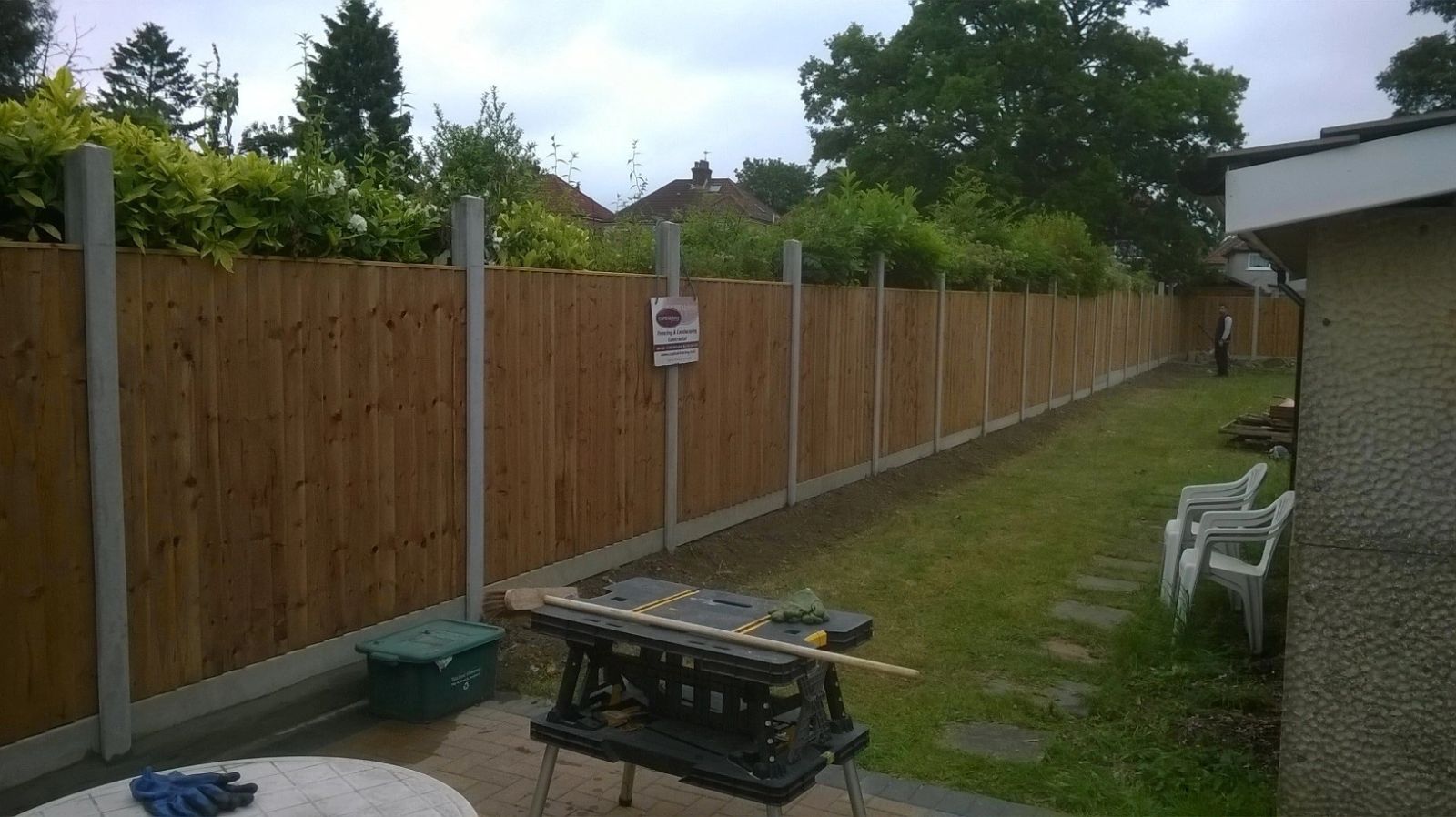
closeboard fence run installed by Capital Fencing in Haringey (N4)panel fence install installed by Capital Fencing in Haringey (N4)trellis-topped fence installed by Capital Fencing in Haringey (N4)bespoke decorative fence installed by Capital Fencing in Haringey (N4)

Before you book conservation area fencing in Haringey

Rechecking a repaired post after the first full seasonal cycle on clay

Clay ground continues to shrink and swell through its first full dry and wet cycle after a footing has been disturbed, so a post reset in clay is worth a follow-up check after roughly a year rather than assumed permanently settled straight away.

This isn't a sign the repair was done poorly; it reflects how clay behaves around any disturbed footing, and a brief seasonal recheck catches any minor movement before it becomes a repeat failure.

Concreting a hanging post deeper than the run

Because the hanging post carries more leverage than a standard line post, it's often set deeper into the ground and into a larger concrete base than the rest of the boundary, even where the fence posts either side are set to a standard depth.

Skipping this extra depth on the hanging post specifically is a common reason a gate post leans within a few years while the rest of the run stays sound.

Post splitting from over-driven fixings

Driving a nail or coach screw too close to a timber post's edge, particularly near the end grain, concentrates stress in a narrow section of fibres and can split the post along the grain rather than simply seating the fixing.

Pre-drilling a pilot hole for larger fixings, especially near board or post ends, relieves that concentrated stress by giving the fixing a path that doesn't have to force the surrounding fibres apart.

Species with straighter, more even grain generally resist this kind of splitting better than timber with interlocked or knotty grain near the fixing point, where existing weaknesses in the fibre structure make a split more likely to propagate.

Fencing around an electrical substation compound

A substation compound boundary is typically specified by the network operator rather than the landowner, with a minimum mesh aperture, height and warning signage set to keep the public at a safe distance from live equipment inside.

Any fencing contractor working on this type of compound needs the operator's specification confirmed before ordering materials, because a standard commercial mesh spec often falls short of what's required around live plant.

Bitumen paint on buried post bases

A bitumen-based coating applied to the section of a timber post that will sit below ground adds an additional moisture barrier on top of factory preservative treatment, aimed specifically at the zone in most sustained contact with damp soil.

It's a supplementary measure rather than a substitute for proper preservative treatment, since bitumen coating alone doesn't address fungal decay resistance the way a biocide-based preservative does.

The coating is usually stopped a short distance below the eventual ground line, since bitumen exposed to UV above ground degrades and can look unsightly, whereas below ground it's protected from sunlight entirely.

Working within narrow plot access

Some plots simply don't have a route wide enough for a wheelbarrow, let alone a van, which means every post, board and bag of aggregate goes in by hand across a longer distance than usual.

That changes both the time a job takes and, sometimes, the choice of materials — favouring shorter, lighter sections that two people can carry over long single panels that need mechanical handling.

It's worth flagging access constraints at the quote stage rather than on the day, since they're one of the most common reasons a job takes longer than a straightforward driveway-access equivalent.

Corner visibility splays affecting fence height specifically

Some corner plots have a specific visibility splay condition attached to their planning history that limits fence, hedge or wall height at the junction to well below the normal 1m road-facing limit.

This is separate from the general permitted development height rule and takes precedence where it applies, since it's usually tied to road safety at a specific junction.

Checking the property's planning history for this kind of condition before fencing a corner plot boundary avoids building something that later needs cutting back.

Salt-laden air and coastal-adjacent exposure

Gardens within a few miles of open coast, or on a plot regularly exposed to salt spray carried on strong onshore winds, see accelerated corrosion of standard fixings and hinges compared with an inland site.

Stainless steel or heavily galvanised fixings are worth the extra cost in these conditions, since standard zinc-plated screws and hinges can show surface rust within a single season.

Timber itself isn't usually damaged by salt exposure directly, but a finish applied over salt residue left on the surface after a storm won't bond as well as one applied to a clean, rinsed surface.

Western red cedar characteristics

Western red cedar contains natural oils and extractives that give it decay and insect resistance without chemical treatment, which is why it's often left untreated and allowed to silver naturally over time rather than stained.

It's considerably lighter and softer than most fencing softwoods, which makes it easier to work but also more prone to surface denting and scuffing during handling and fitting.

Because it's naturally durable rather than pressure-treated, cedar doesn't carry the green or brown tint of treated softwood, and any colour change over its life comes from UV exposure rather than a fading dye.

Boundaries against a watercourse and riparian basics

A property boundary running along a stream, brook or ditch usually carries riparian responsibilities regardless of who technically owns the fence, including keeping the watercourse clear of obstruction and not doing anything that would worsen flood risk downstream.

Fence posts set close to a watercourse bank should avoid undermining or destabilising the bank itself, and in many cases installing anything within a set distance of the top of the bank needs consent from the relevant flood or drainage authority.

Ground immediately alongside a watercourse is also more likely to be periodically saturated or subject to erosion, which should factor into post depth and material choice on that section.

Safeguarding considerations on school and nursery sites

Fencing and gate work on a school or nursery site typically has to be scheduled around supervised access, since contractors are usually required to sign in, wear visible identification, and avoid unsupervised contact with children during term time.

Perimeter security fencing for these sites is often specified with anti-climb profiles and minimum heights well above a typical domestic garden fence, reflecting safeguarding rather than purely boundary-marking needs.

Work is frequently timetabled for holidays or after hours specifically to avoid any overlap between contractors on site and children present, which affects programme length more than the fencing work itself.

Temporary propping and making safe

Where a full repair can't happen immediately, a leaning panel or post can be temporarily propped or strapped to stop it falling further, which reduces risk without committing to the final repair method on the spot.

Temporary propping is treated as exactly that — a stopgap — since a prop left in place over a wet season can itself start to sink or shift in soft ground.

Capping rails and their function

A capping rail sits along the top edge of a closeboard or panel run, covering the end grain of the vertical boards in the same way a post cap protects a post top.

Beyond weather protection it also ties the tops of the boards together, reducing the individual movement that otherwise shows up as a wavy top line after a few seasons of wetting and drying.

It's usually a shallow, weathered profile rather than flat stock, so it sheds water off the fence face instead of holding a bead of moisture along the top edge.

Coordinating fence height with CCTV sightlines

A taller or more solid fence installed after cameras are in place can blind a sightline that used to cover the boundary, so camera angles should be checked before a height increase is finalised, not after.

Where both are being fitted together, camera mounting height and field of view are agreed against the fence design so the two work together rather than one undoing the other.

When a Party Wall Act notice might apply

The Party Wall etc. Act 1996 mainly concerns shared walls between buildings and excavations near a neighbour's structure, and doesn't generally apply to an ordinary timber garden fence.

It can become relevant where work involves a masonry party fence wall genuinely astride the boundary, or excavation for posts close enough to a neighbour's foundations to fall within the Act's distance rules.

Where there's doubt about whether notice is needed, a party wall surveyor or solicitor can confirm this far more reliably than guessing on site.

Checking wall coping condition before fixing into it

Coping stones or brick-on-edge capping along the top of a garden wall are often loosely bedded rather than solidly fixed, so drilling or clamping a fence post bracket into coping without checking it first can dislodge the coping itself.

A quick check by hand-pressure on each coping unit along the intended fixing line identifies any that are already loose, which is worth doing before committing to that wall as a fixing point at all.

Where coping is sound, spreading the fixing load across a bracket plate rather than a single point fixing reduces the chance of cracking the coping under wind load on the panels above.

Slotted versus morticed concrete posts

Slotted concrete posts have a continuous groove cast into two or four faces so panels slide down into the slot from above, which makes them fast to erect but means every panel in a run has to come out to replace one in the middle.

Morticed concrete posts have discrete rectangular pockets for arris rail ends instead, matching closeboard or panel construction where individual boards or panels can be replaced without disturbing the rest of the run.

The choice is largely dictated by the fencing system being used — panel fencing wants slotted posts, boarded fencing wants morticed — rather than being a free preference at quote stage.

Fascia boards and picture-framing a deck

A fascia board fixed around the visible edges of a deck hides the joist ends and cut board edges, giving a tidier finished look and protecting the end grain of the joists from direct weather exposure.

Picture-framing takes this further by running a border board around the perimeter with the main boards mitred into it, which reads as a more considered finish but needs accurate setting-out since any error in the mitred corners is highly visible.

Both details add material and labour without changing the deck's structural performance, so they're a specification choice driven by appearance and edge protection rather than necessity.

CDM regulations on domestic and commercial jobs

The Construction (Design and Management) Regulations 2015 apply to domestic projects as well as commercial ones, though on a domestic job the homeowner's CDM duties normally pass automatically to the contractor or principal contractor rather than sitting with the client directly.

On a commercial or public sector site, or a domestic job involving more than one contractor, formal duty-holder roles (principal designer, principal contractor) need to be identified and a construction phase plan put in place before work starts.

Even a straightforward domestic fencing job benefits from basic CDM thinking — safe access, checking for overhead cables or buried services, and clear site boundaries during the works — regardless of whether the formal paperwork threshold is met.

Signage and lawful notices on a security boundary

Signage warning of CCTV, guard dogs or electric fencing has to be truthful and visible from the approach it's warning about — a sign for a feature that doesn't exist, or one hidden from view, offers no legal protection and can mislead.

Where a boundary carries a genuine hazard such as an electrified topping, specific warning signage at defined intervals is generally a legal requirement, not an optional extra.

Checking which face of a panel should face outward

Many panel styles have a clear 'good' face with a neater finish and a reverse face showing the frame, battens or rail ends, and getting this the wrong way round means the less tidy side ends up facing the client's own garden or the neighbour's, depending on convention and agreement.

Where a boundary is shared, it's worth agreeing in advance which side the good face should present, since local convention varies and assuming it defaults toward the neighbour without discussion can cause an avoidable dispute.

Checking panel orientation before fixing, rather than after several panels are already up, saves having to unfix and turn a run of panels that all went in the wrong way round.

Consent needed to connect drainage across a boundary

Running a new drainage connection across a neighbouring property's land, sometimes done alongside boundary works, needs the neighbour's consent and possibly a formal easement, not just a friendly verbal understanding.

Water companies can also require notice for new connections joining an existing public sewer, separate from any neighbour agreement about crossing their land.

Where fencing work uncovers or affects a drainage connection crossing the boundary, it's worth pausing to confirm what rights actually exist before proceeding.

Owners in a designated conservation area or fronting a listed building — material and height rules apply — that's who this page is for. In Haringey and out to Haringey, we run the conservation-area fencing spec that survives ladder-street back-to-back gardens mean every fence run has two owners and three neighbours to keep informed. Roads such as Green Lanes and Alexandra Park Road are typical of the local layout. Bruce Castle Park is a useful local reference point. Haringey covers a wide area including the Harringay Ladder, a distinctive grid of Victorian terraced streets between Green Lanes and Wightman Road.

Get In Touch

Get My Free Quote — 24h Response

No callout fee · Free site visit · Friendly local team covering London & Hertfordshire.

Call us
07885907880
or 02036484746
Email
capital_fencing@yahoo.com
WhatsApp
Message us anytime
Area
London & Hertfordshire
Payment
Card payments accepted

Pay by debit or credit card, bank transfer or cash once the work and price are agreed. No deposit taken online.

Request a Free Quote

We'll get back to you within 24 hours.

Free Site Visit No Callout Fee
Call WhatsAppQuote