Wind loading on a solid gate face
A solid gate face catches far more wind than an open-bar design of the same size, which puts extra strain on the hinge side over time — this is worth factoring in when repairing or replacing a gate on an exposed frontage.
Bracing the frame diagonally helps a solid gate resist that racking force in a way a simple butt-jointed frame doesn't.
Trellis wind load as a failure cause
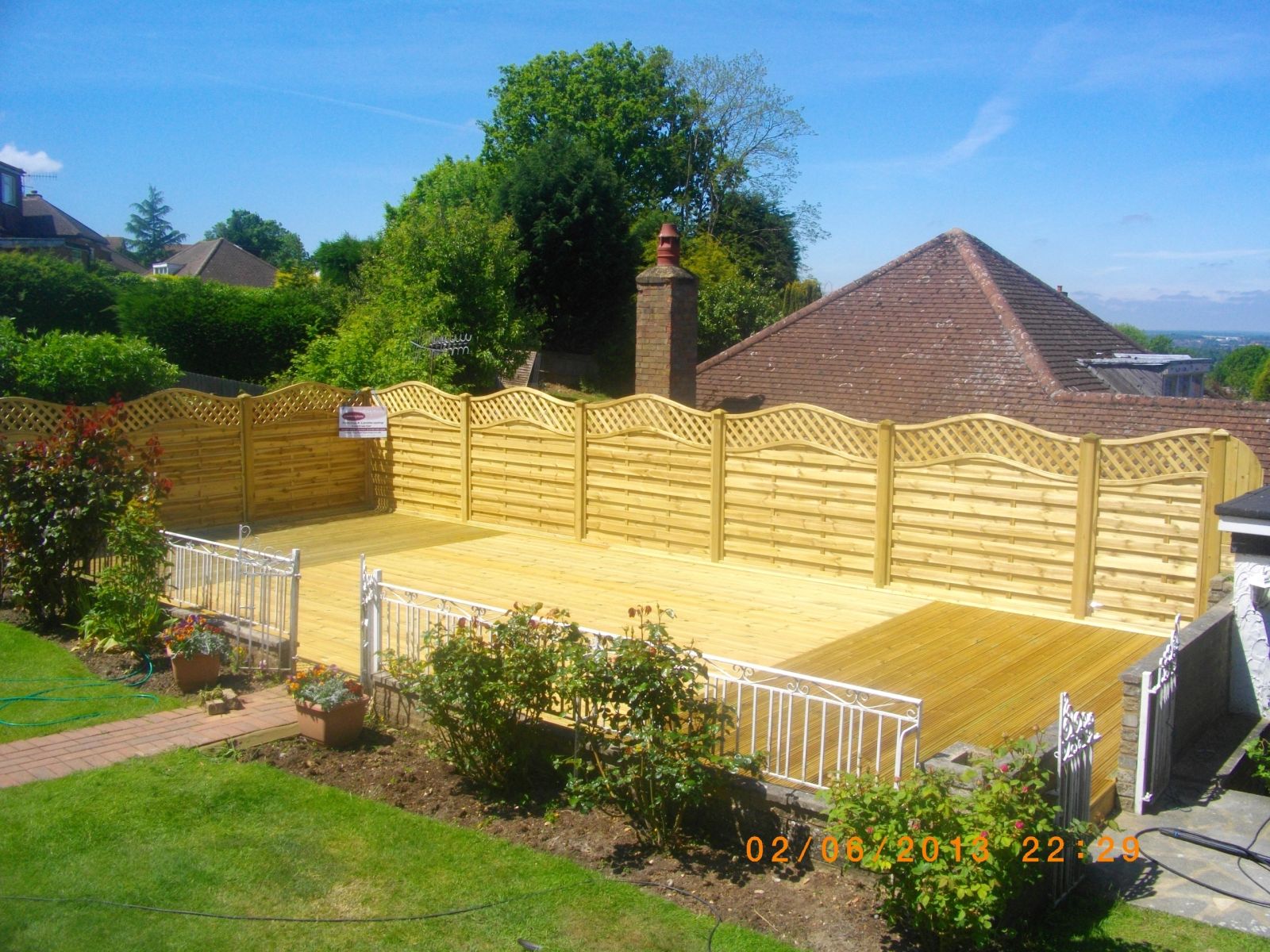
A solid-backed trellis, sometimes fitted with climbers trained across it, catches significantly more wind than an open lattice design, and that extra load is transferred straight into the post below it.
Where a trellis topper keeps failing on an exposed run, switching to a more open lattice pattern reduces the load rather than simply refitting the same design each time.
Allotment and paddock ground
Allotment and paddock boundaries are often on ground that's been cultivated, grazed or left rough for decades, with a topsoil layer that's deeper and looser than a typical garden lawn but can also conceal old cultivation debris, buried irrigation pipe or fencing stobs from previous boundaries.
Paddock ground grazed by livestock compacts unevenly, with poached, churned patches near gateways sitting very differently underfoot from the firmer ground a few metres away.
Post specifications on this kind of ground usually need to account for stock leaning or rubbing on the fence line, which is a different load case from a garden boundary that just needs to withstand weather and general wear.
Block management and communal consultation
Managing agents for blocks of flats are usually required to consult leaseholders on works above a set cost threshold under a Section 20 process, which applies to significant boundary or fencing works charged through the service charge.
That consultation period adds real time to a project timeline compared with a private garden job, so it's worth building the notice period into the schedule rather than assuming work can start once a quote is accepted.
Communal boundary decisions also tend to involve balancing several flats' differing views on privacy, light and appearance, which a single homeowner job never has to negotiate.
Strimmer damage at the fence-to-lawn edge
Repeated strimming right up against the base of gravel boards or post bases scars the timber surface and removes any protective coating exactly at the point most exposed to ground moisture.
A mowing strip of paving or gravel along the base of the fence line removes the need to strim that close, protecting both the timber finish and the lawn edge itself.
This is a small design addition worth suggesting on new installs, since the damage it prevents is otherwise mistaken for premature timber failure rather than a maintenance habit.
Choosing hand tools over power tools on sensitive sites
A petrol auger or breaker finishes a dig far faster than hand tools but brings noise, vibration and exhaust that matter more on a site with close neighbours, a nervous pet next door, or restricted working hours.
Hand tools also give more control in tight spots — close to a wall, a root, or a service — where a powered tool's speed becomes a liability rather than an advantage.
The practical approach on most jobs is powered tools for the bulk of straightforward digging and hand tools kept ready for the awkward sections, rather than committing to one method for an entire run.
Capping rails and finials
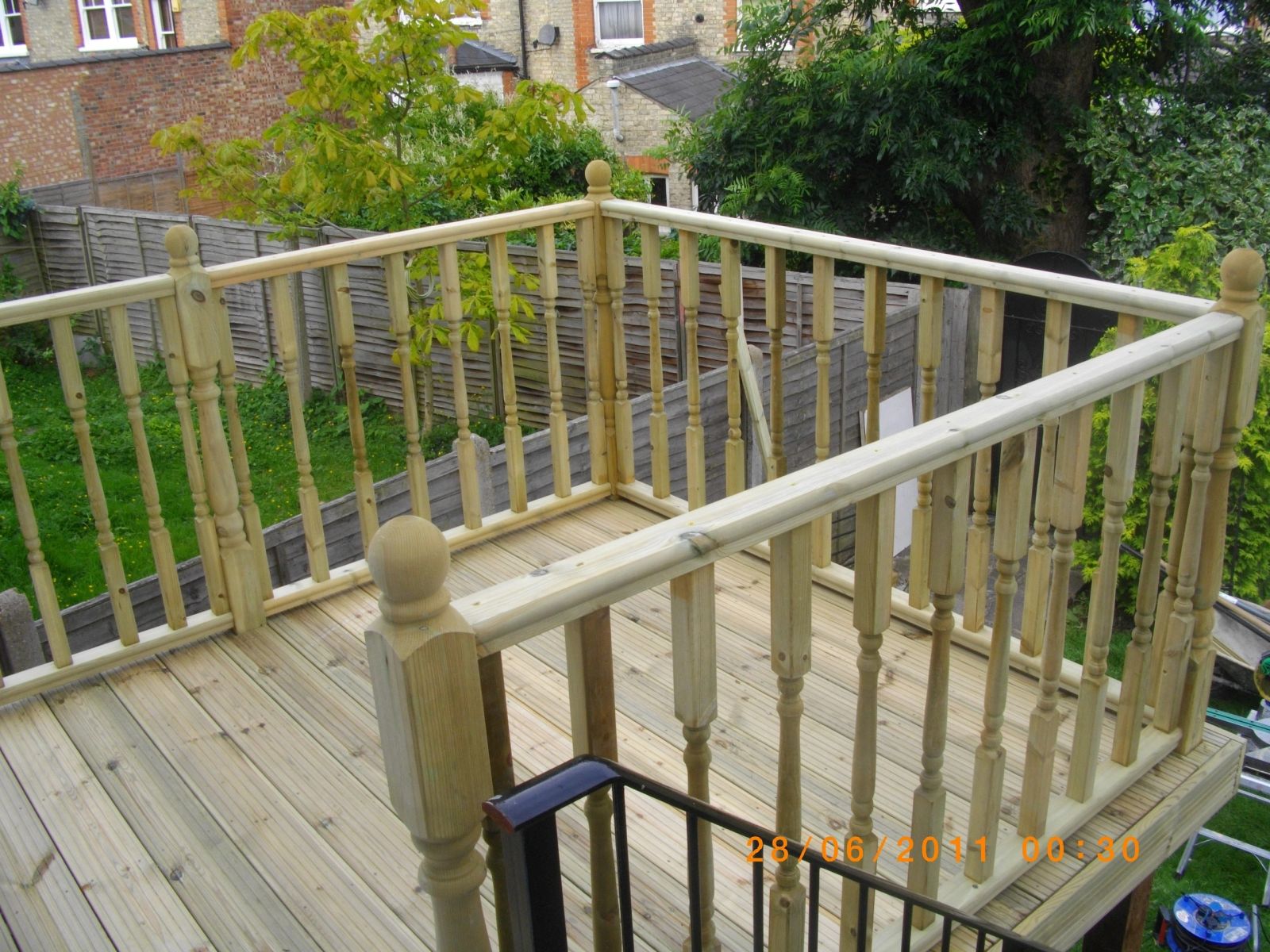
A capping rail along the top of a fence run does more than tidy the appearance — it sheds rainwater off the end grain of vertical boards, which is otherwise the fastest point for water to soak in and start rot.
Decorative finials on posts are largely an aesthetic choice, but a domed or sloped post cap still serves the same water-shedding purpose as a capping rail along a panel top.
Skipping a capping rail to save cost on a budget job is one of the more common reasons a fence's boards fail from the top down within a few years, even when the rest of the construction is sound.
Acoustic screening for a balcony
A balcony sits elevated above ground level, often putting it directly in the line of sight of an elevated noise source like a railway viaduct or an upper storey of a neighbouring building that a ground-level garden fence never has to address.
Screening a balcony usually means a solid panel fixed to the balcony structure itself rather than a boundary fence, and that panel's fixing needs checking against the balcony's own load capacity and any relevant building regulations.
Fencing shared or communal garden spaces
Communal gardens shared by several properties usually need any new fencing agreed by the group or managing body rather than one resident acting unilaterally, since a partition can change how the whole space is used.
Where a communal garden includes mature planting or trees under a collective management plan, new fence lines need checking against that plan rather than just against the ground itself.
Access routes for maintenance vehicles or refuse collection through a communal garden also need to stay clear when planning new subdivisions with fencing.
Concrete, timber and steel posts compared
Concrete posts don't rot, warp or need re-treating, which makes them the default for a long-life boundary, but they're heavier to handle, harder to cut on site, and can crack if struck hard rather than bending.
Timber posts are lighter, easier to notch and fix ironmongery to, and match a fully timber run visually, but they're the first component to fail through rot even when the boards above them are sound.
Steel posts (box section or RSJ) suit gates, very exposed runs or where a slim sightline matters, and they're galvanised or powder-coated rather than treated, but they need a compatible fixing method for timber infill panels rather than simple nailing.
Choosing a fence stain or paint finish
Fence stains range from clear or lightly tinted preservatives that let the timber grain show through, to fully opaque paints that behave more like a coating than a stain and hide the wood's natural texture.
Darker stains show dust and cobwebs less but can absorb more heat in direct summer sun, which slightly increases how much the timber expands and contracts through the day.
Whatever finish is chosen, re-application intervals differ significantly between a thin stain and a heavier paint system, which is worth factoring into the long-term maintenance plan rather than just the initial look.