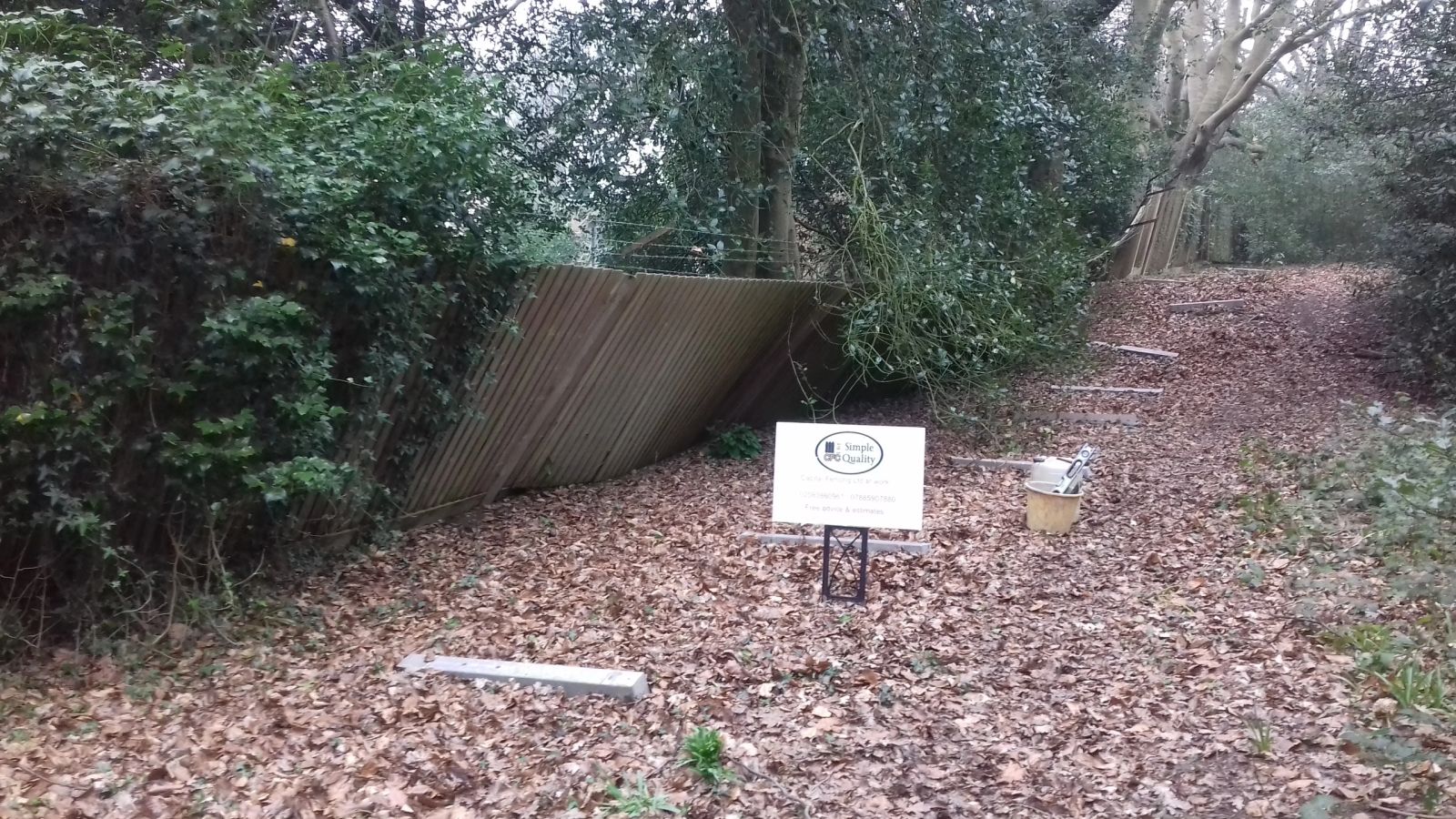
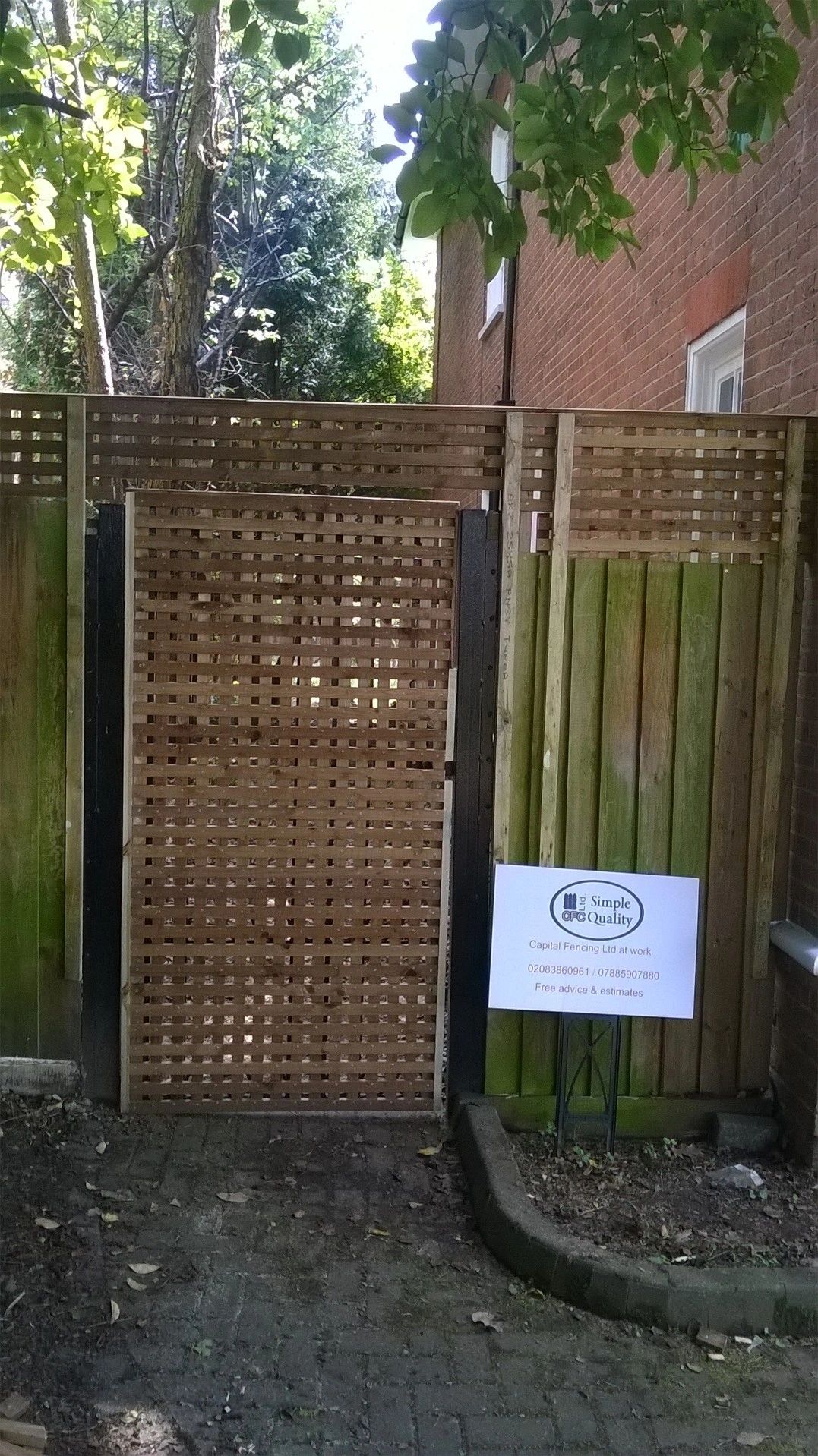
Replacing a fence on the same line as before
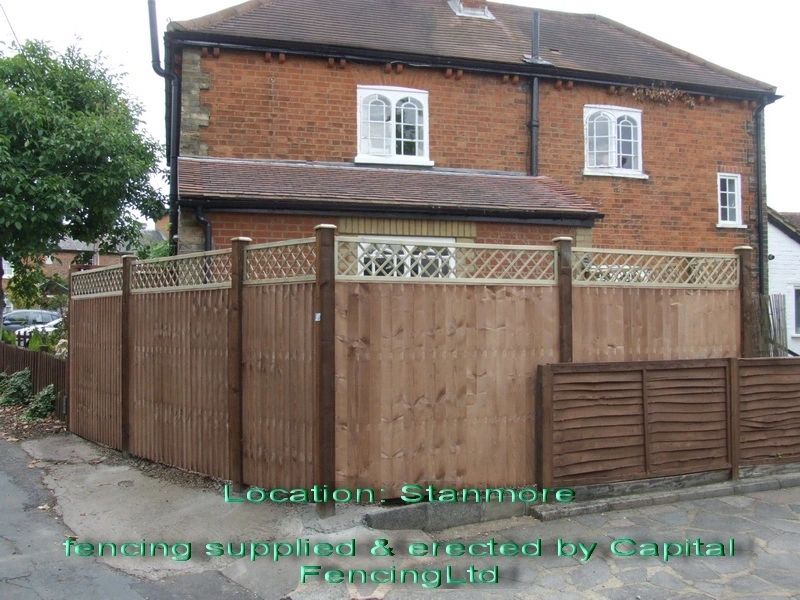
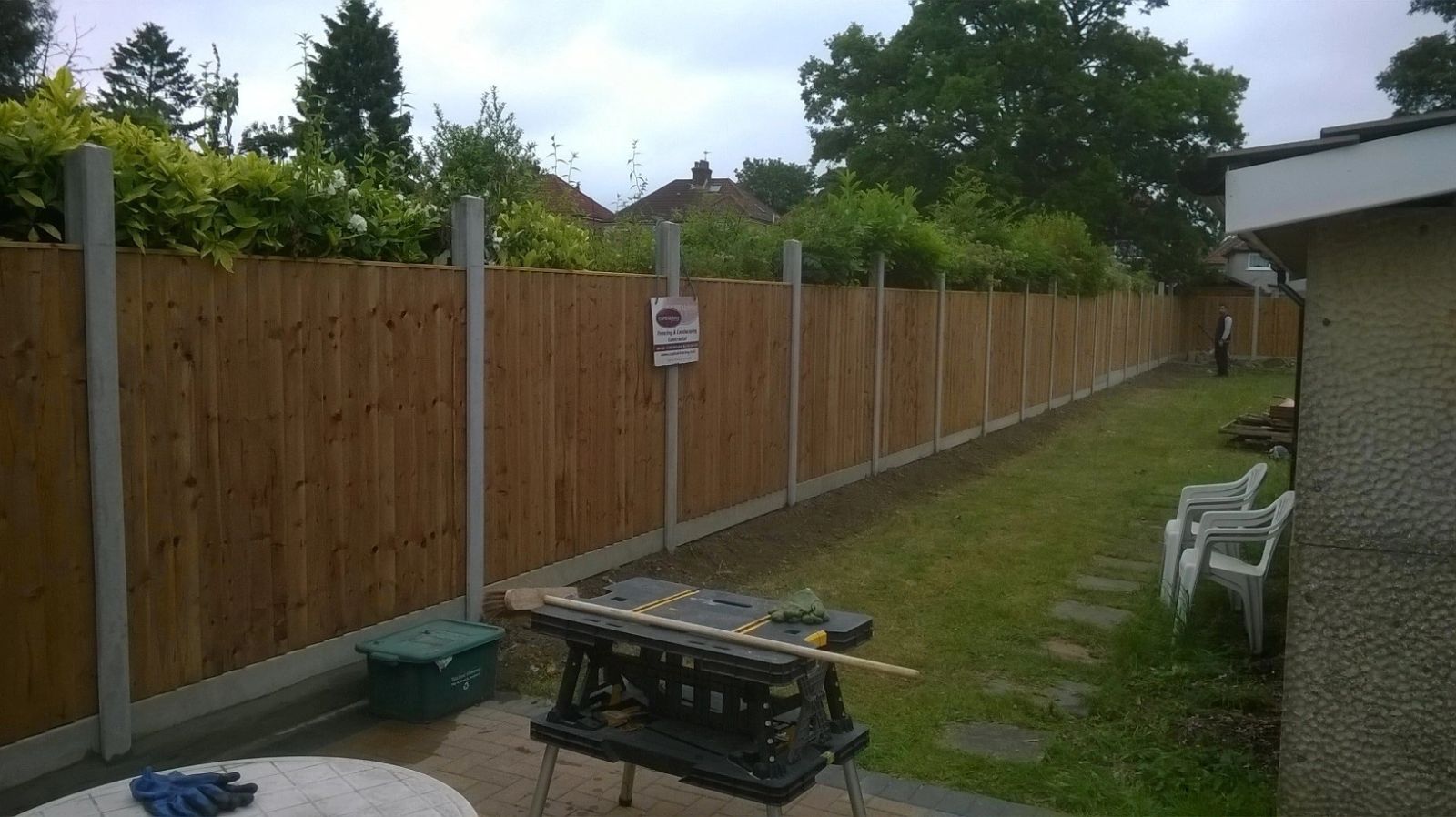
Replacing a fence exactly where the old one stood is generally the lowest-risk approach from a boundary perspective, since it maintains a position both neighbours have already implicitly accepted for years.
It's still worth flagging the planned replacement to a neighbour beforehand, particularly if the new fence will be a different height, material or style to what's there now.
Where the old fence's exact line is unclear because it has leant or shifted over time, marking out the intended new line and briefly confirming it with the neighbour avoids later disagreement.
Decking oil versus fence stain maintenance cycles
Decking oil is formulated to cope with foot traffic and standing water in a way that a vertical fence stain isn't, and typically needs reapplying annually on a well-used deck compared with the two-to-three year cycle for a fence.
The horizontal surface of a deck also collects standing water and UV exposure differently to a vertical panel face, wearing unevenly in high-traffic paths compared with less-used corners.
Clients used to a fence's maintenance rhythm sometimes underestimate how much more frequently a deck's finish needs attention, which is worth setting expectations on at the time of installation.
Keeping mortice depth consistent across a run of timber posts
Hand-cut mortices in timber posts can vary slightly in depth from post to post if they're cut freehand rather than to a fixed jig or depth stop, which then shows up as a rail sitting at a slightly different height at each junction.
A simple depth stop clamped to the chisel or drill bit, checked against the first mortice cut, keeps every subsequent one consistent without needing to measure each one individually from scratch.
Checking a sample rail against several mortices before committing to cutting the whole run confirms the depth is right before the error, if there is one, has been repeated across every post.
Boundary structures on Green Belt land
Land designated as Green Belt carries additional planning restrictions aimed at preventing inappropriate development, which can extend to boundary treatments beyond the usual permitted development framework in some cases.
Most domestic garden fencing on an existing residential plot within the Green Belt is unaffected, but larger boundary structures or those on paddock and agricultural land nearby can be treated differently.
Checking with the local planning authority is the reliable way to confirm what applies to a specific Green Belt property before committing to a boundary project.
Low-voltage lighting built into decking
Recessed low-voltage deck lights, usually built into the timber before boards are laid, extend a deck's usable hours into the evening without the trip hazard of surface-mounted fittings.
Cable routes need planning before the substructure is closed in, since retrofitting lighting into a finished deck usually means lifting boards rather than a simple add-on.
Outdoor low-voltage systems still need a transformer and cabling installed to the relevant electrical safety standard, even though the voltage itself is lower than mains.
Housing association permissions for boundary work
Housing association and council tenants typically need written permission before altering a garden boundary, even for straightforward like-for-like fence replacement, under the terms of their tenancy agreement.
Some landlords have a specific alterations request process and approved list of acceptable fence types or heights, which can differ from what a private neighbour might choose.
Tenants planning boundary work are usually best placed to check with their housing officer first, since unauthorised alterations can occasionally need to be reversed at the tenant's cost.
Retaining structures below a fence line
Where a retaining wall or sleeper structure holds back a level change directly under a fence, the fence and the retaining structure are doing two different jobs and shouldn't be treated as one build.
A timber fence post bolted into the top of a retaining wall relies entirely on that wall's own stability, so any doubt about the wall's condition needs resolving before new fencing is fixed to it.
Water draining from the raised bed above a retaining structure often exits at its base, which is worth accounting for when choosing post fixings and base materials at that point in the run.
Galvanised versus stainless steel fixings on a coastal or corrosive site
Standard galvanised fixings perform well on most inland commercial sites, but a coastal, industrial or otherwise chemically aggressive environment accelerates corrosion at the fixing points well beyond what the same fence would experience on a typical inland yard.
Specifying stainless steel fixings instead of galvanised on an exposed site increases the outlay at installation but avoids a cycle of repeated fixing replacement that a standard galvanised specification would otherwise need in that environment.
Ledger board fixing to an existing wall
A ledger board bolted to an existing house wall to support one edge of a deck needs to be fixed through masonry into structural material, with a damp-proof membrane strip behind it and flashing above to stop water tracking into the wall build-up.
Fixing a ledger to a cavity wall needs care to avoid bridging the cavity or compressing insulation, and on a rendered or clad wall the fixings need to reach the structural leaf behind the finish rather than just gripping the surface material.
Where the wall build-up is unclear or the deck is heavily loaded, a free-standing beam and post arrangement independent of the house wall avoids the risk altogether.